
How Ultra-Processed "Junk" Foods Expand Your Waistline
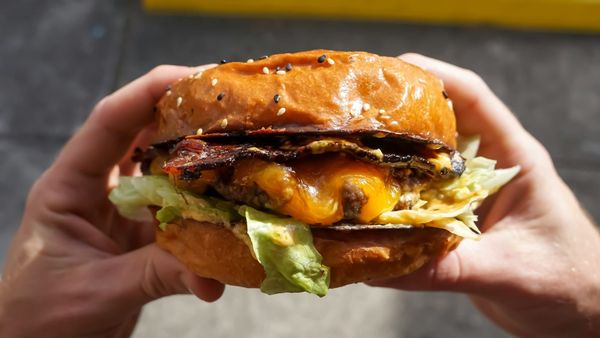
Ultra-processed junk foods are designed to be over-eaten. They are high in fat, salt and sugar, and low in most essential nutrients. Best avoid.
Ultra-processed junk foods are designed to be over-eaten. They are high in fat, salt and sugar, and low in most essential nutrients. Best avoid.
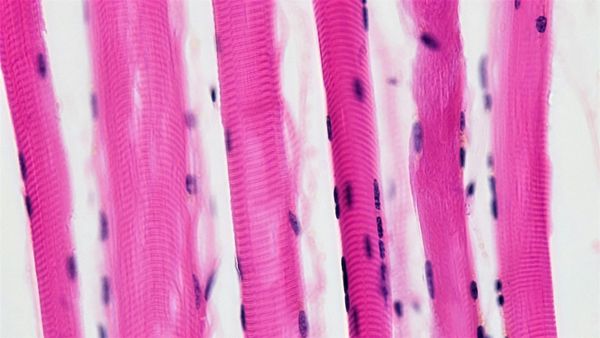
Not all muscle is created equal, and neither are muscle fibres. Learn more about how they move, look, produce energy and behave.
Learn why the physical structure of food matters as much as the nutrients in it, and how the food matrix can be used to improve your health.
Adding just one simple can of legumes a week to your weekly shop can transform your heart and gut health, your wallet, and the planet.

There is more to successful weight loss than diet and exercise. Learn how mindset, environment and personality affect your body weight.

We believe adding healthy foods generally beats strict diets. Learn how focusing on "what to eat" beats "what to avoid" for changing your diet.
Oats are popular for a reason. In addition to being cheap, sustainable and hardy, they have several well-known health benefits.

Monitoring and early diagnosis can prevent overtraining syndrome, as can planned training, rest, recovery, nutrition and lifestyle choices.
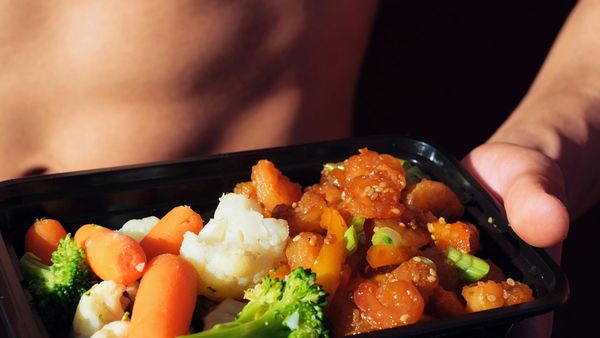
Calories, protein, fat and carbohydrates: the right amounts, at the right time, are needed from the right sources to optimise muscle growth.
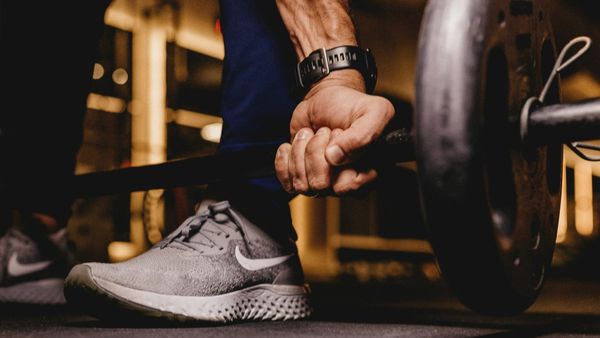
DOMS is a muscle soreness that occurs 12–48 hours after intense or unfamiliar exercise, caused by microtears in your muscle fibres.
Low-fat diets are effective for fat loss. However, not all low-fat diets are healthy, and other (equally effective) options are available.

The Mediterranean people are considered some of the healthiest in the world. But it is not just down to the foods that they eat.

Fat Loss
Genes influence how much body fat you have and how easily you lose (or gain) it. However, they don't make you obese or stop you from losing fat.

Sleep
Sleep is a performance enhancer that's required for optimising muscle growth. Both quality and quantity matter. You cannot out-train poor sleep.

Exercise
Exercise has a powerful role in weight and fat loss. Here we look at high-intensity interval training, aerobic training, weightlifting and NEAT.
Fat Loss
BMR is the largest source of energy expenditure in your body, and it can change. Learn how to calculate it, and make it work in your favour.
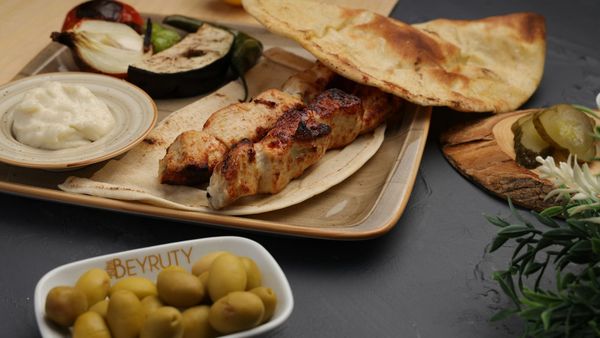
Mediterranean Diet
Learn the background, nutrition and health benefits of 6 quick, easy and authentic Mediterranean diet meat and eggs recipes.
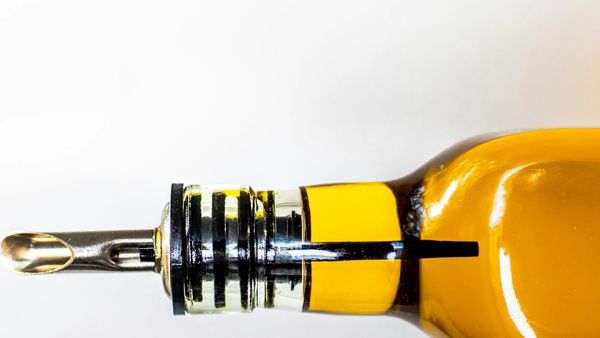
New Western Diet
Olive oil probably has stronger health data, but canola (or rapeseed) oil may be the smarter, more sustainable choice for Western countries.

Muscle
Creatine monohydrate supplementation can be used to increase exercise performance and muscle growth with minimal side effects.
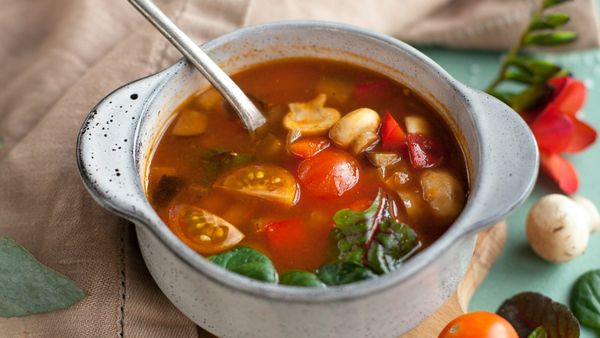
Mediterranean Diet
Learn the background, nutrition and health benefits of 6 quick, easy and authentic, one-pot Mediterranean diet recipes (soups & stews).
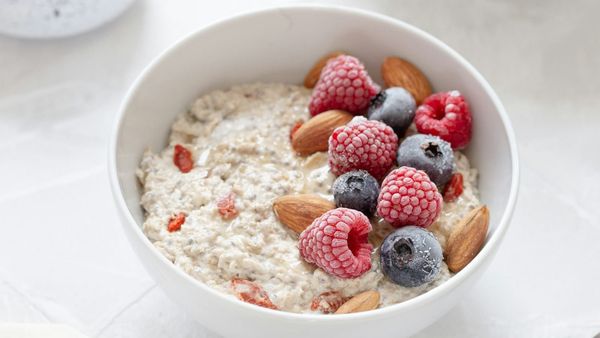
New Western Diet
If you can add these five simple habits to your weekly routine, you can bring your diet close to the healthy Mediterranean-style diet.
New Western Diet
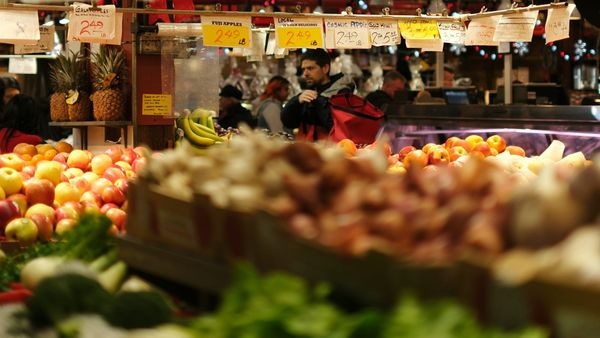
Learn how to adapt the Mediterranean diet to the West using sustainable, low-cost, local ingredients without losing health benefits.
Mediterranean Diet
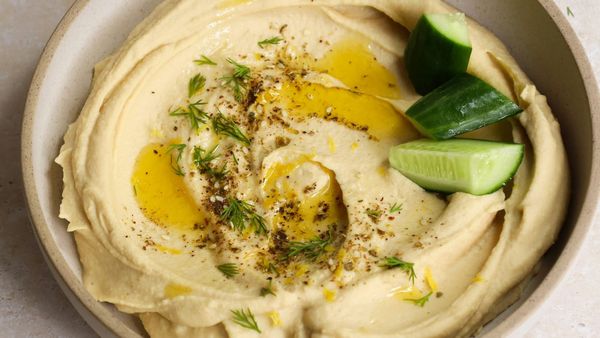
Learn the background, nutrition and health benefits of 6 vegan, vegetarian, and plant-based Mediterranean dishes with recipes.
Mediterranean Diet
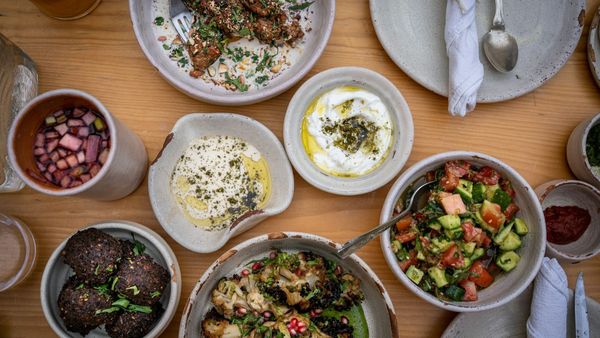
The Mediterranean diet is nutrient-dense and minimally processed, and its lifestyle is high-quality, which is why it is the healthiest around.