5 Plant-Based Mediterranean Diet One-Pot Recipes
Learn the background, nutrition and health benefits of 6 quick, easy and authentic, one-pot Mediterranean diet recipes (soups & stews).

1. Ribollita
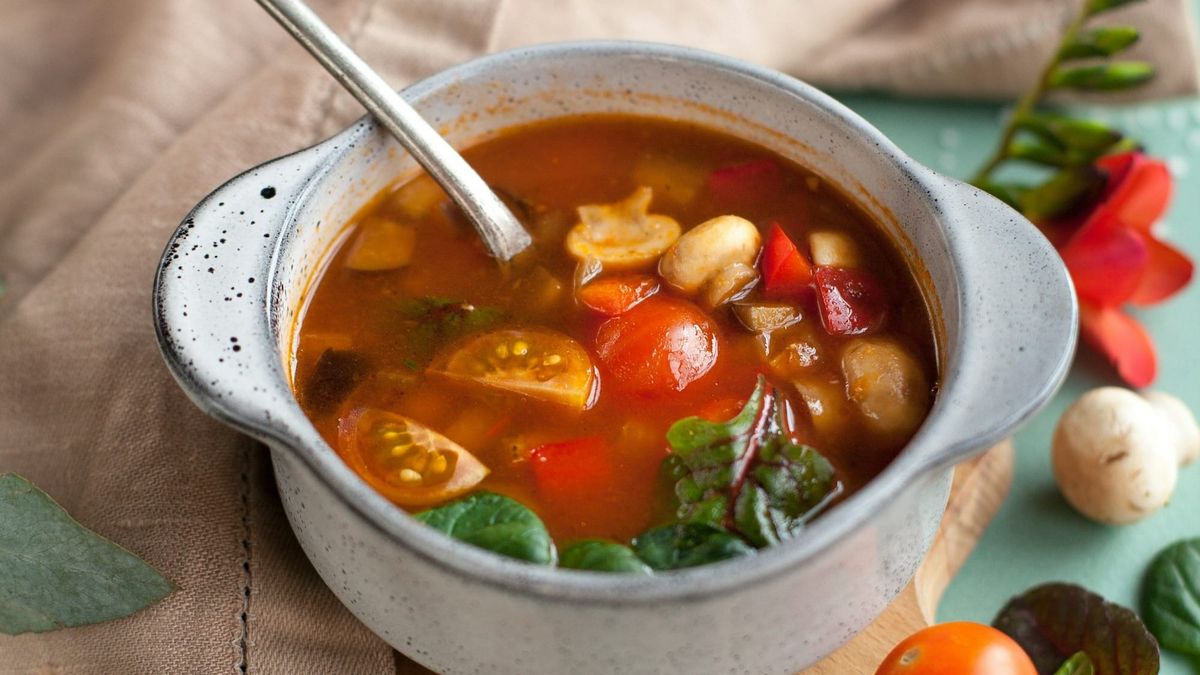
Ribollita, meaning “reboiled”, is a Tuscan bread and vegetable soup that transforms leftovers into something tasty. The dish was born from the peasants’ practice of stretching minestrone soup out by adding stale bread and reheating it the next day. Ribollita has become one of Italy's most celebrated dishes.
The bread dissolves into the soup, creating a thick porridge-like consistency that's more stew than soup. The dish captures the Mediterranean ethos of resourcefulness, frugality and plant-based eating.
The beans provide plant protein, fibre, and folate, while the “cavolo nero” (Tuscan kale) has vitamins A, C, and K along with calcium and iron. The variety of vegetables contributes additional fibre, antioxidants, and phytonutrients.
Serve ribollita with a drizzle of extra-virgin olive oil and (optionally) some grated Parmesan.
- Serves: 6
- Time: 1 hour
- Cost: ~$0.75 per serving
- Calories: ~380 kcal per serving
- Source of: Fibre, Protein, Iron, Vitamin A, B9, C, K
Ingredients
- 300g (1½ cups) dried cannellini beans, soaked overnight, or 800g (28 oz) canned (about 3-4 cans)
- 300g (10 oz) cavolo nero or kale, tough stems removed, leaves shredded
- 400g (14 oz) tin chopped tomatoes
- 2 carrots, diced
- 2 celery stalks, diced
- 1 large onion, chopped
- 3 garlic cloves, minced
- 300g (10 oz) stale country bread, torn into chunks
- 100ml (scant ½ cup) extra-virgin olive oil
- 1.5 litres (6 cups) vegetable stock
- 2 sprigs fresh rosemary and thyme
- Parmesan rind (optional)
Instructions
- If using dried beans, drain and rinse them. Place in a pot with fresh water, bring to a boil, then simmer for 45–60 minutes until tender.
- Drain, reserving some cooking liquid. Mash about half the beans with a fork; this helps thicken the soup naturally.
- Heat the extra-virgin olive oil in a large, heavy pot over medium heat. Add the onion, carrots, and celery, cooking gently for 10 minutes until softened. Then add the garlic and cook for another minute.
- Add the tomatoes and cook for 5 minutes, breaking them down with a wooden spoon. Stir in the beans (both whole and mashed), stock, rosemary, thyme, and Parmesan rind (optional). Bring to a boil, then reduce the heat and simmer gently for 30 minutes.
- Add the shredded cavolo nero and cook for another 15–20 minutes until the greens are completely tender. Traditional ribollita should be well-cooked. The vegetables should melt into the broth.
- Remove the herb sprigs and Parmesan rind. Stir in the torn bread, pushing it down into the liquid and let it sit for 10 minutes, allowing the bread to absorb the broth and soften. The soup will thicken. You can add more stock if you prefer it soupier, though authentic ribollita should barely hold its shape when you ladle it out.
- For the best flavour, let the ribollita cool completely, then refrigerate overnight. The next day, reheat it gently. This traditional "reboiling" gives the dish its name and allows the flavours to deepen.
- Add a splash of water or stock if needed to loosen it. Serve in wide bowls with a generous drizzle of extra-virgin olive oil, with some black pepper and grated parmesan (optional).
2. Briam
Briam (pronounced bree-am) is the Greek version of ratatouille (but with potatoes). It’s a rustic oven-baked mix of summer vegetables that typifies the Mediterranean diet's simple, seasonal, nutritious style of cooking.
It comes from the tavernas and home kitchens across Greece. It's a dish that turns humble ingredients into something great through slow roasting and generous amounts of extra-virgin olive oil.
You'll get some vitamin C and potassium from the potatoes, beta-carotene and vitamin A from the peppers, lycopene from the tomatoes, and lots of dietary fibre. The extra-virgin olive oil provides monounsaturated fats that help absorb fat-soluble vitamins while delivering its own dose of vitamin E and polyphenols.
Serve it warm or at room temperature with crusty bread and crumbled feta.
- Serves: 6
- Time: 1.5 hours
- Cost: ~$0.75 per serving
- Calories: ~280 kcal per serving
- Source of: Potassium, Fibre, Vitamin A, C, E
Ingredients
- 3 medium potatoes, sliced
- 2 medium zucchini, sliced
- 2 red bell peppers, cut into strips
- 1 large aubergine, sliced
- 4 ripe tomatoes, sliced
- 1 large onion, thinly sliced
- 3 garlic cloves, minced
- 150ml (⅔ cup) extra virgin olive oil
- 2 tablespoons tomato paste
- 1 tsp dried oregano
Instructions
- Preheat your oven to 180°C (350°F). Ideally, cooking in a large, shallow baking dish, the vegetables should fit in a relatively snug single layer for even cooking.
- In a large bowl, combine all the sliced vegetables, onion, and garlic. Add the olive oil, tomato paste, oregano, and season with salt and pepper. Mix well, ensuring everything is coated with the oil and seasonings.
- Arrange the vegetables in the baking dish in a slightly overlapping pattern. It doesn’t have to be perfect, but it does have to be laid evenly so it cooks evenly. Pour any remaining oil mixture from the bowl over the top.
- Add 120ml (½ cup) water to the dish, cover tightly with foil or a lid, and bake for about 1 hour, until the vegetables are tender but still hold their shape.
- Remove the foil and bake for another 30–40 minutes until the vegetables are golden and slightly caramelised at the edges. If the dish looks dry, add a splash of water.
- Let it rest for 10 minutes before serving. Scatter with some fresh herbs and drizzle with some extra olive oil if you want. It tastes better when made a day or two ahead of eating.
3. Lentil Stew
Umbrian lentil stew is the heart of Italy in a bowl. It’s an earthy, warming dish from the green hills where Italy's finest lentils grow. The small, prized lentils from Castelluccio di Norcia have fed Umbrians for centuries. Their delicate skins and rich flavour make them ideal for a stew.
Unlike many legume dishes, these lentils need no soaking and cook relatively quickly, making this an easy weeknight meal.
The lentils provide high-quality plant protein, fibre, iron, and folate. Carrots and celery have vitamins, fibre and antioxidants.
This humble stew captures the Mediterranean diet's emphasis on legumes as a cheap, high-quality protein source. Serve with crusty bread, a drizzle of extra-virgin olive oil, and perhaps some grated Pecorino.
- Serves: 4
- Time: 1 hour minutes
- Cost: ~$0.75 per serving
- Calories: ~340 kcal per serving
- Source of: Protein, Fibre, Iron, Magnesium, Vitamin A, C, B9
Ingredients
- 300g (1½ cups) dried brown or green lentils, rinsed
- 400g (14 oz) tin chopped tomatoes
- 2 carrots, finely diced
- 2 celery stalks, finely diced
- 1 onion, finely chopped
- 3 garlic cloves, minced
- 100ml (scant ½ cup) extra-virgin olive oil
- 2 bay leaves
- 2 sprigs fresh rosemary
- 1 litre (4 cups) vegetable stock or water
- Red wine vinegar, for serving (optional)
Instructions
- Heat the olive oil in a large, heavy pot over medium heat. Add the onion, carrots, and celery. Cook gently for 10 minutes, stirring occasionally, until the vegetables are softened but not browned.
- Add the garlic and cook for 1 minute until fragrant. Stir in the tomatoes and cook for 5 minutes, breaking them down with a wooden spoon. The tomatoes should lose their raw flavour and begin mixing with the rest of the vegetables.
- Add the lentils, bay leaves, and rosemary. Stir to coat the lentils in the tomato sauce, then add the stock. Generously season with salt and pepper. Bring to a boil, then reduce the heat to low and simmer gently.
- Cook uncovered for 30–40 minutes, stirring occasionally, until the lentils are tender but still hold their shape. The cooking time varies depending on the age of the lentils and the type (older lentils take longer). The stew should be thick and porridge-like, not soupy. It should have just enough liquid to keep everything moist. Add more stock or water if it's a bit dry.
- Remove the bay leaves and rosemary sprigs. Taste and adjust seasoning—the stew often needs more salt and pepper than you expect. You can mash some of the lentils against the side of the pot and stir them into the rest of the stew if you want a creamier texture.
- Let the stew rest off the heat for 10 minutes; this allows it to thicken further and the flavours to settle. Like many legume dishes, it improves overnight and tastes even better the next day after the flavours have married.
- Serve in wide bowls with a generous drizzle of extra-virgin olive oil and (optionally) a few drops of red wine vinegar.
4. Minestrone Soup
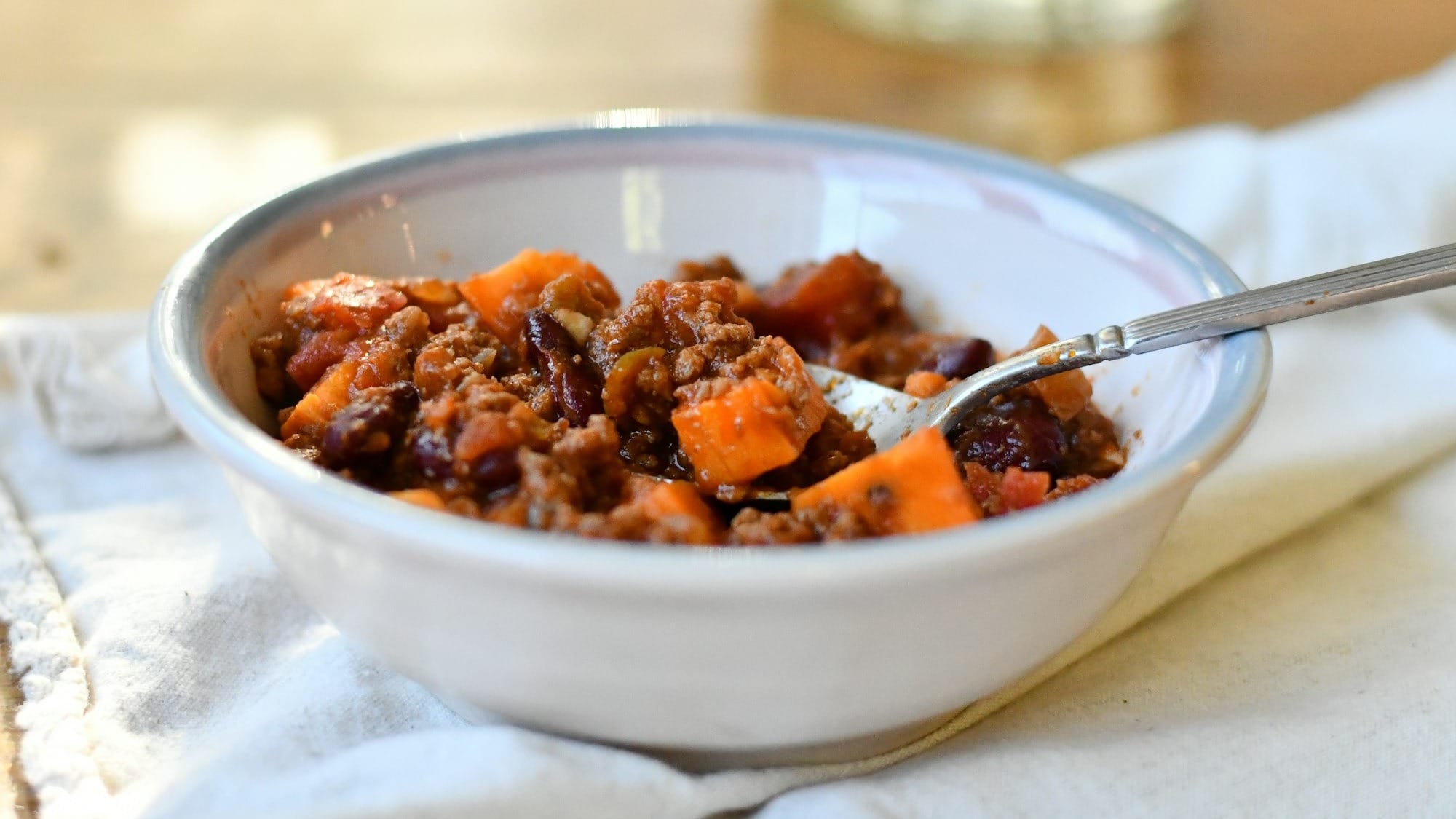
Minestrone is Italy's most celebrated vegetable soup. It’s a hearty, ever-changing recipe that reflects whatever is available in the garden. From Milan to Sicily, every region and every household has its own version; united only by what’s available at the time: beans, vegetables, pasta, or rice.
The beans provide plant protein, fibre, and folate, while the varied vegetables deliver vitamins, minerals, and antioxidants. The small amount of pasta or rice adds carbohydrates, making this a complete meal by itself.
Serve minestrone with crusty bread and a drizzle of extra-virgin olive oil, perhaps some grated Parmesan.
- Serves: 6
- Time: 1.5 hours
- Cost: ~$0.75 per serving
- Calories: ~280 kcal per serving
- Source of: Protein, Fibre, Iron, Vitamin A, C, B9, K