A Practical Guide to Starting the Mediterranean Diet
Learn about the Mediterranean diet: vegetables, fats, proteins, and carbohydrates; social eating, movement patterns, sleep, rest and traditions

About This Series
This series aims to introduce you to the Mediterranean Lifestyle: the diet, movement, leisure time, and social life. We'll cover the Mediterranean approach to vegetables, fats, proteins, and carbohydrates; social eating, movement patterns, sleep and rest; traditions and seasonal eating.
This series is designed for those of you who are looking to sustain a healthy bodyweight, lower your disease risk, better vitality and longevity without restrictive dieting or calorie counting. It's an introduction to the world’s healthiest and most researched diet.
Contents
- Introduction and why it works
- Eat Your Vegetables
- Liquid Gold — Mastering Olive Oil
- The Protein Mistake Most People Make
- The Dining Habit that Improves Health
- Move Like a Mediterranean
- The Mediterranean Secret People Sleep On
- Why Eating the Same Thing Every Day could be Bad for your Health
- Your Mediterranean Blueprint
- Your results and what's next
Lesson 1: Why the Mediterranean approach works

Unlike restrictive diets that fail most of the time, the Mediterranean eating pattern succeeds because it's built on pleasure, not punishment. Research shows people following a Mediterranean lifestyle have lower disease risk, longer life expectancies and quality of life — all while enjoying what they eat!
In this series, we’ll focus on: what they eat, how they move, how they rest, and how they connect.
First Task: The Mediterranean Diet Foods
Before we get into the details, we need to set a baseline. Take a few minutes to answer yes or no to the following questions:
- I eat 5+ servings of vegetables a day.
- I eat fish or seafood 2+ times a week.
- I use olive oil as my primary source of fat.
- I sit down for meals with others 3+ times a week (no screens).
- I eat red meat or processed meats less than twice a week.
- I eat legumes 2+ times a week.
- I eat sweets or processed foods less than twice a week.
- I do something physically active for at least 30 minutes a day.
- I go out to socialise with people at least 2 hours a week.
- I sleep at least 6 hours a day (including naps and siestas).
You get 1 point for a “YES” and 0 points for a “NO”. Calculate and record your total score out of 10. You can redo this test after 30 days of following the diet. Use it as a checklist if you're into that sort of thing.
Second Task: Build your Mediterranean pantry
You can't cook Mediterranean meals without Mediterranean staples. Start gathering these essentials: read our blog post on building your pantry for the Mediterranean diet.
Third Task: Beginning the Mediterranean diet
Visit a grocery store or market this week. Buy and stock up your Mediterranean pantry essentials, ready to start. Take a photo of your pantry or kitchen cupboard, before and after — you'll want to remember where you started.
Lesson 2: The Mediterranean Diet Vegetables

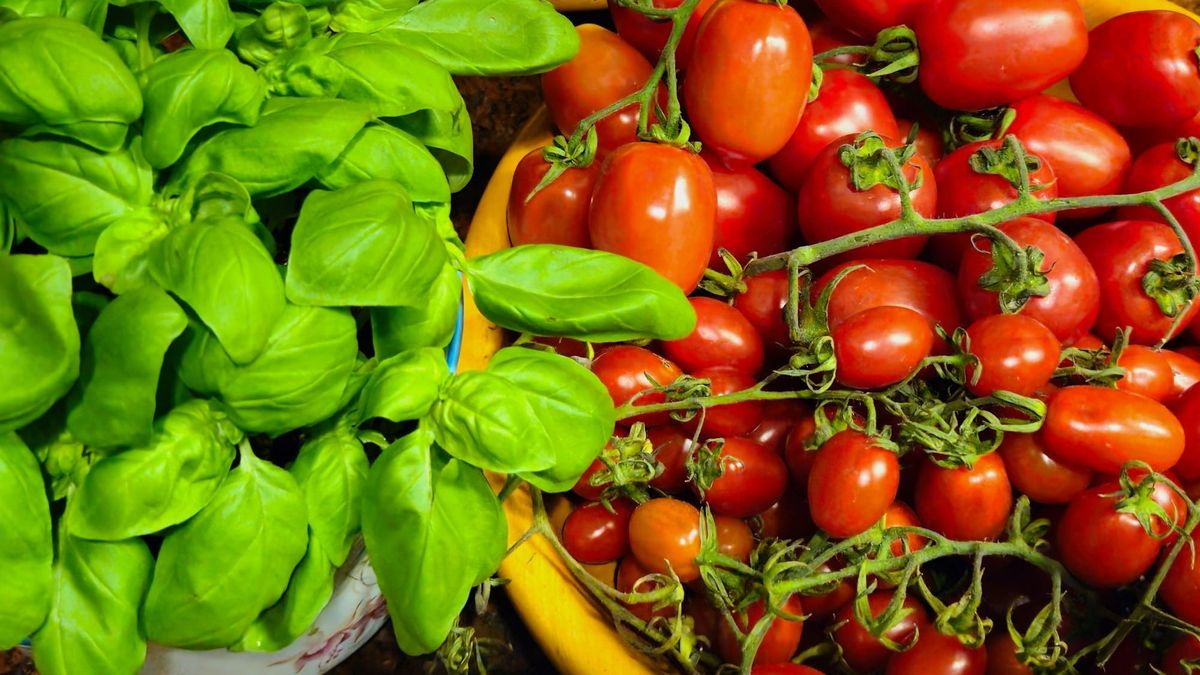
Traditionally, Mediterraneans have eaten 6–8 servings of vegetables a day. Today, most people eat less than 2! This gap explains a lot about why they live longer, healthier lives.
Why vegetables are non-negotiable
Research tracking over 2 million people found that consuming approximately 10 servings of vegetables and fruits daily (with vegetables being the majority) reduced cardiovascular disease, cancer rates and risk of death.[1]
Here’s the secret: nobody counts to 10 servings. Mediterraneans don’t either. They just made vegetables the main part of every meal. Instead of thinking “side dish”, think “foundation”.
For breakfast, add spinach to eggs, top toast with tomatoes, or add berries to yoghurt. Change your lunch from a sandwich to a large salad. For dinner, fill half your plate with vegetables first, before adding anything else. Snack on hummus or cold roast veg, not chips.
For the next 3 days, fill half your plate with vegetables at lunch and dinner. That's it. No counting. Don't change anything else just yet.
3 quick and easy Mediterranean vegetable recipes
- Greek-style roasted vegetables: Zucchini, eggplant, peppers, and tomatoes tossed with olive oil, oregano, and garlic. Roast at 400°F (200°C) for 30 minutes. Eat warm, eat it with pasta, toss it in a salad, blend it into a soup, put it on whole-grain bread for lunch, or put it on top of your scrambled eggs for breakfast.
- Simple arugula salad: Peppery arugula, cherry tomatoes, shaved parmesan, olive oil, lemon juice, black pepper. It takes 3 minutes to make. You can add some cooked chicken, tuna or other canned fish if you want to make a meal out of it.
- Tomato-cucumber salad: Chunked tomatoes and cucumbers, red onion, olive oil, red wine vinegar, fresh basil or mint. Let it sit for 10 minutes before eating. Add feta cheese and dip the bread in the juices to make it into a meal.
Tips
- Mediterraneans don't steam or boil everything. They cook vegetables in olive oil, which actually increases absorption of fat-soluble vitamins. Don't fear fat — embrace it.[2]
- Keep pre-washed salad greens and cherry tomatoes on hand. Roast a big tray of vegetables on Sunday for the week. Frozen vegetables absolutely count — use them!
Tasks
- Buy three different coloured vegetables at your next shop (more colours = more nutrients).
- Try ONE of the vegetable dishes mentioned above.
- Follow “The Half-Plate Rule” for the next 3 days.
Lesson 3: liquid gold — mastering olive oil on the Mediterranean diet
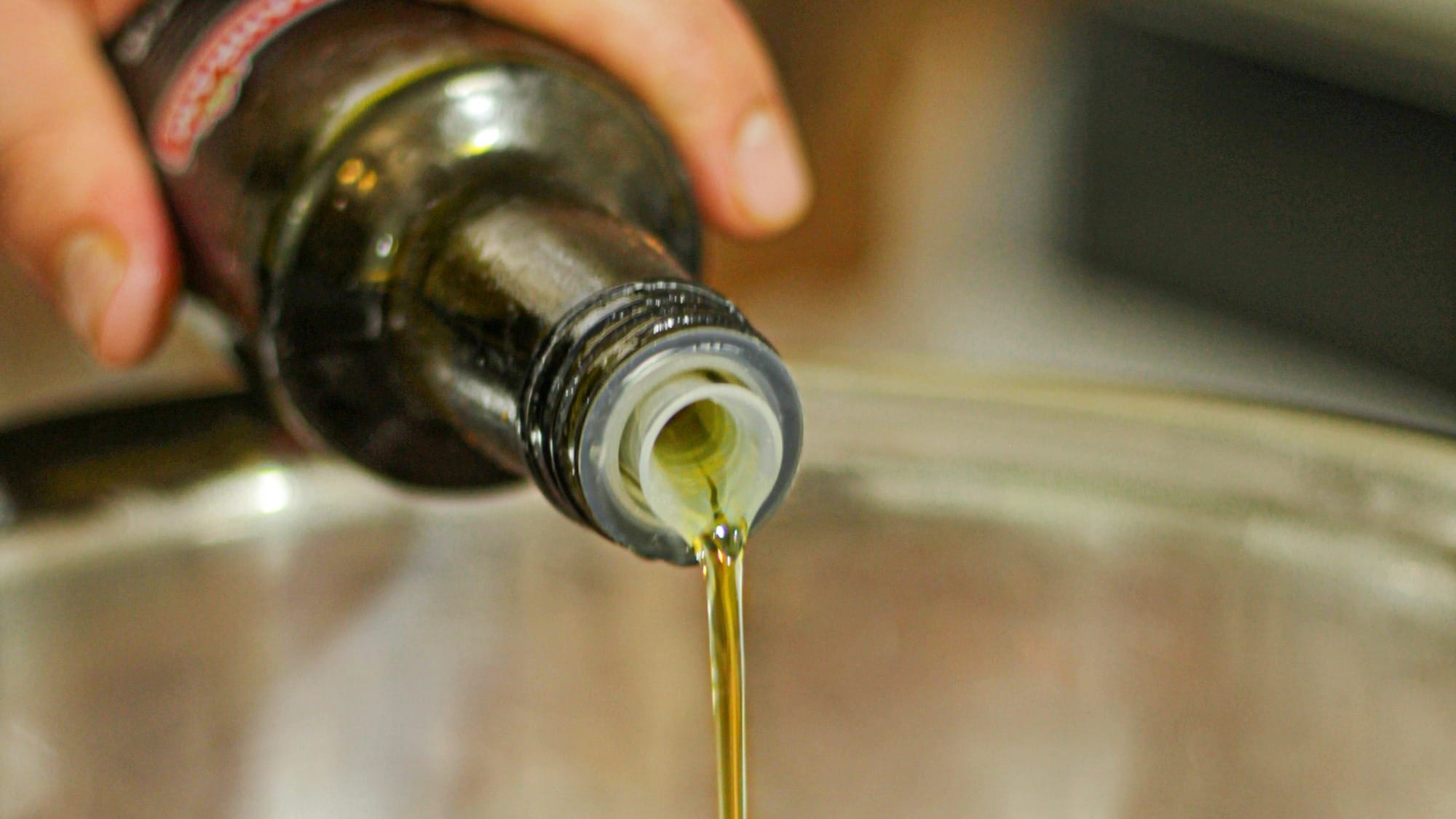
Extra virgin olive oil (EVOO) contains powerful polyphenols: plant compounds with anti-inflammatory effects comparable to ibuprofen3. These polyphenols reduce inflammation, lower blood pressure, improve cholesterol profiles, help protect brain health, fight chronic disease and ageing.[3]
But the polyphenols degrade with heat, light, processing, and time. That's why the quality and freshness of the olive oil matter. Look for a dark glass bottle or tin (light degrades polyphenols), a harvest date within the past year (fresher = more polyphenols), a single-origin source, estate bottled or certification seals.
The taste test
Quality EVOO should have a peppery, slightly bitter taste that tickles your throat. That sensation? It's the polyphenols. If your oil tastes bland or greasy, it's a good sign that it probably doesn’t contain as many of them.
- Myth buster: Heating EVOO destroys its health benefits and creates harmful compounds.
- Truth: EVOO is stable at normal cooking temperatures (under 200°C or 390°F). Its antioxidants and healthy fats remain intact when you sauté or roast, making it safe and beneficial for everyday cooking.
“The 4-Tablespoon Goal”
Mediterraneans don't measure olive oil in teaspoons — they just use it generously. Your goal this week: consume approximately 4 tablespoons of EVOO a day.
- For breakfast, drizzle a tablespoon on your tomato toast or cook your eggs in it instead of butter.
- For lunch, add a tablespoon to your salad with lemon juice and herbs.
- For dinner, sauté your vegetables in it and drizzle it over your soups, stews, legumes, grains, or fish.
1-minute Recipe — EVOO dressing: Mix 1 part "acid" (like lemon juice or red wine vinegar) with any, or as many, Mediterranean flavours you want (e.g., herbs, spices, garlic, finely diced onions or shallot, Dijon mustard or honey); then add 3 parts EVOO to make the dressing.
Budget tip: One bottle of high-quality EVOO ($10-20) used properly over a month costs less than a daily coffee run, and the health benefits are exponentially higher.
Tasks
- Aim for 4 tablespoons of EVOO a day total.
- Replace all other fats with EVOO (e.g., butter, margarine, other cooking oils).
- Upgrade your olive oil; invest in one quality bottle of EVOO for finishing dishes with.
Lesson 4: The protein mistake most people make
Question: What's the primary protein source in the Mediterranean diet? If you answered “fish”, you're half right. The true answer: legumes.
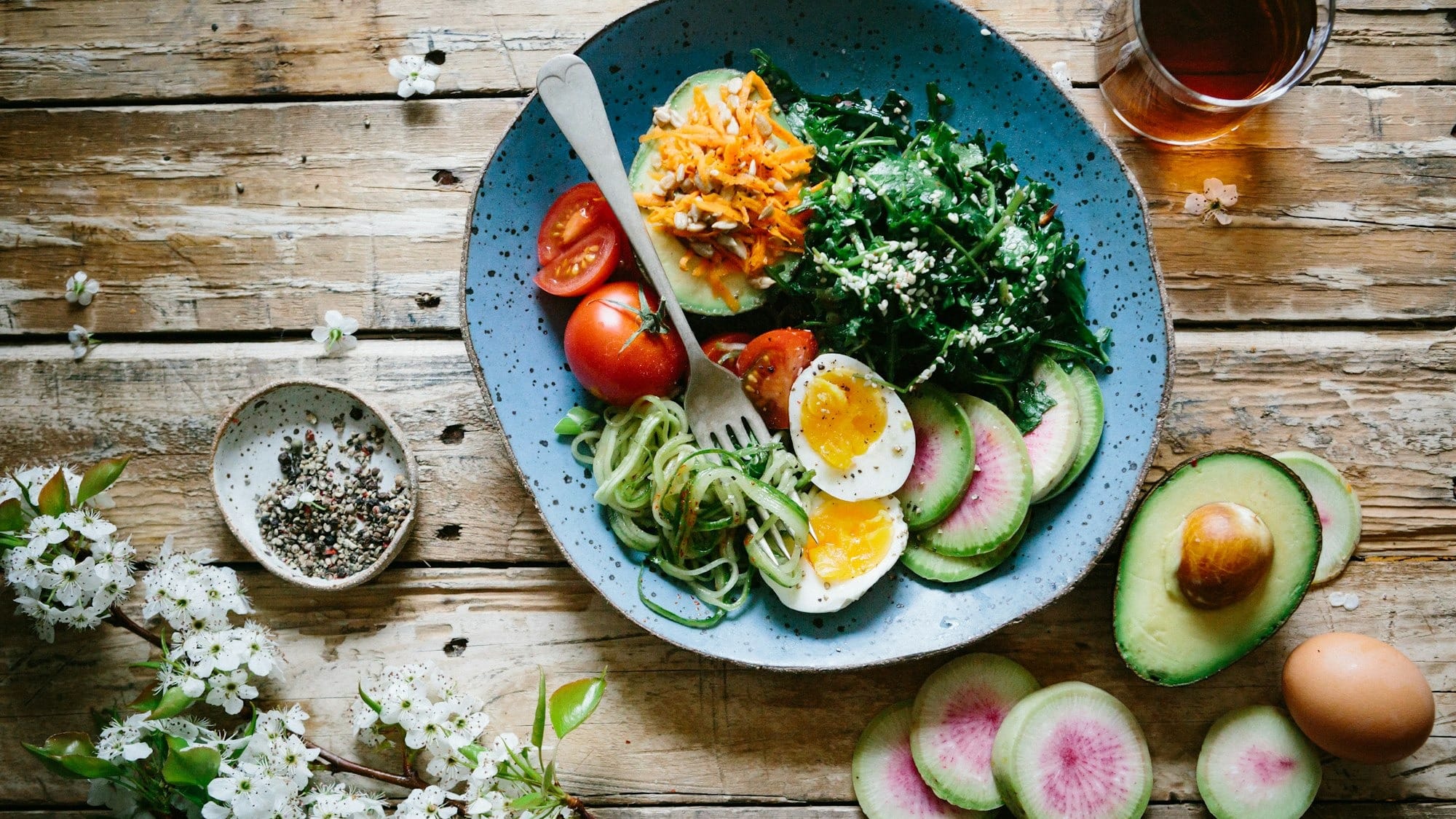
Beans, lentils, and chickpeas form the protein foundation, with fish appearing about two to three times a week, some poultry, moderate dairy, and red meat maybe once or twice monthly (if that). You don't need to eliminate it, but make red meat occasional, not habitual.
Researchers found that replacing red meat with legumes and other Mediterranean proteins reduced cardiovascular disease, cancer and all-cause mortality.[4]
Why does protein source matter more than protein amount? All proteins provide amino acids, but the package they come in also matters: plant proteins also come with fibre, phytonutrients and no saturated fat. Fish provide omega-3 fatty acids that reduce inflammation and protect your brain.
Task
Replace at least 2 meat-based meals with Mediterranean protein alternatives this week. Try to prioritise legumes and oily fish (like salmon, sardines, mackerel, or anchovies). Read our post on cheap high-protein Mediterranean dishes. Why not try one!
Other Mediterranean Protein Ideas:
Legumes (3+ servings a week): White bean and kale soup; chickpea salad; lentil stew; hummus with falafel and pita bread.
Fish (2+ servings a week): Steamed salmon with lemon and herbs; sardines on toast; Baked cod with tomatoes, olives, and capers.
Eggs and poultry (2–4 times a week): Omelettes and frittatas loaded with vegetables; Greek-style lemon-herb roast chicken; eggs fried in olive oil with wilted greens.
Low-fat dairy (small amount every day): Greek yoghurt with fruit and nuts, finish salads with feta or Parmesan, stewed seasonal fruits with ricotta or cottage cheese and honey.
Tasks
- Swap these meals for red meats if you eat them regularly.
- Buy and cook fish (ideally oily species) at least once this week.
- Plan two legume-based meals this week.
Lesson 5: The dining habit that improves health

Here's something that might surprise you: The health benefits of eating with others rival the benefits of quitting smoking. Researchers found that those with strong social relationships cut their chances of death in half.[5]