Health Benefits of Olive Oil: What the Evidence Shows
Olive oil is a superfood with several health benefits. Learn about how much and how increase the amount your eat.

- Each additional 10g of extra virgin olive oil a day is associated with approximately a 10% reduction in cardiovascular disease risk.
- Extra-virgin olive oil contains 100–500mg of polyphenols per kg; refined olive oil contains almost none. The grade of olive oil is important.
- One to two tablespoons a day is a good target. Replacing fats such as butter or margarine with it is better than simply adding it.
Olive oil is a plant-based fat known for its beneficial effects on cardiovascular and metabolic health. This article reviews the main health benefits of olive oil, including its role in the Mediterranean diet.
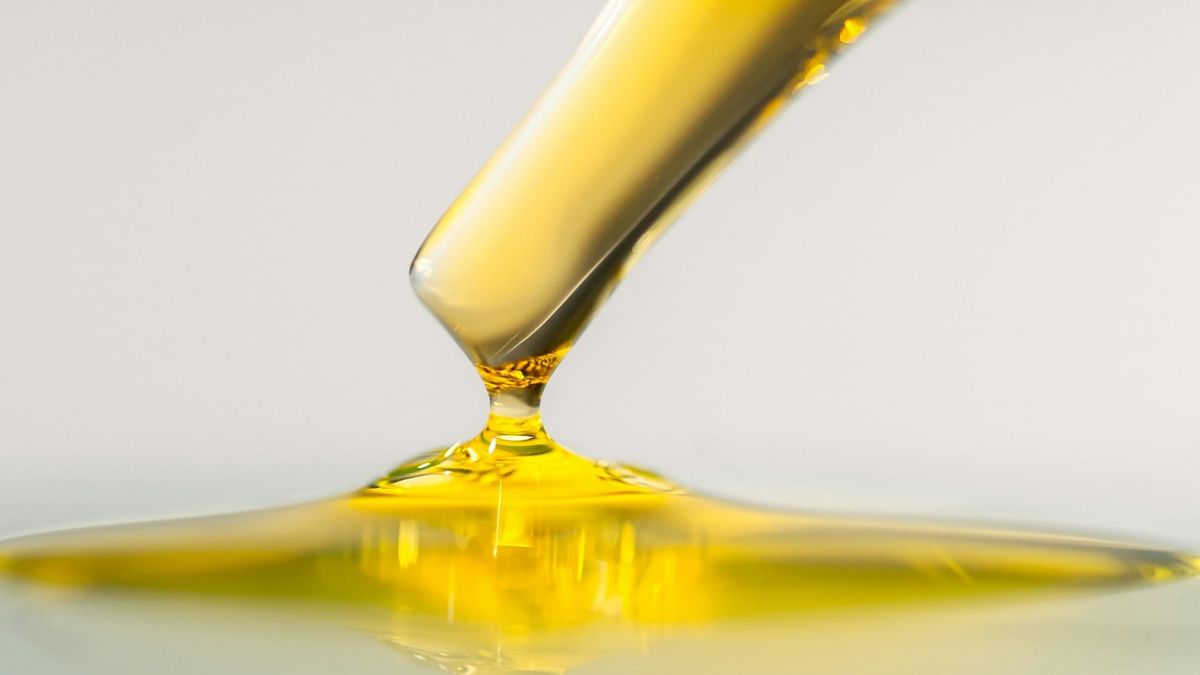
It comes in a few different “grades”: extra virgin olive oil (EVOO), virgin olive oil, and refined olive oil. The difference between the grades relates to the processing method used to extract the oil, the acidity level, and (most importantly) its 'polyphenol' content.
EVOO is the least processed and contains the highest levels of beneficial compounds. Unlike most other cooking oils (which are really just refined fats), EVOO provides a combination of healthy fatty acids and antioxidants.
This unique combination is what sets it apart (nutritionally) from other fats. It also tastes great. While olive oil has been a dietary staple in Mediterranean countries for thousands of years, the scientific evidence for its health benefits has only emerged over the past few decades.
What are the health benefits of eating olive oil?
Monounsaturated fats and heart health
Olive oil is composed primarily (around 75%) of oleic acid, a monounsaturated fatty acid ('MUFA'). Unlike saturated fats, which tend to raise LDL ("bad") cholesterol, or highly processed polyunsaturated oils ('PUFA'), oleic acid has neutral-to-beneficial effects on your blood lipid profile.
Replacing saturated fats with olive oil tends to improve cholesterol ratios without lowering the "good" HDL cholesterol. However, the cardiovascular benefits of olive oil extend far beyond its fatty acid profile.[1]
Polyphenols: olive oil's most powerful compounds
The most distinctive compounds in EVOO are 'polyphenols'. These are plant compounds ("phytonutrients") that have antioxidant and anti-inflammatory properties. The main polyphenols include: hydroxytyrosol, tyrosol, oleuropein, oleocanthal, and oleacein.
Polyphenol content varies significantly between different types of olive oil. EVOO contains around 100-500 mg per kg, while refined olive oils contain almost none. So not all olive oils are equal when it comes to their health benefits. Processing, storage time, and heat can all reduce polyphenol levels as well. So, why are polyphenols so good for health? They reduce “oxidative stress” (which is damage from free radicals to your cells) and help control inflammation.
Studies have shown that the high-polyphenol olive oil reduces markers of oxidation and inflammation more effectively than low-polyphenol versions, even when the fat composition of the oil was the same.[2]
Is extra virgin olive oil good for your heart?
The cardiovascular benefits of EVOO are proven. Researchers found that those consuming the most olive oil lowered their risk of cardiovascular disease by over a third. For every 10 grams a day increase in EVOO per day, cardiovascular disease risk was reduced by 10%.[3]
A study in people with high cardiovascular disease risk found that a Mediterranean diet supplemented with EVOO had a reduced chance of major "cardiovascular events" (heart attack, stroke, or cardiovascular death) by around a third compared to a control diet over five years. The olive oil group received about one litre per week to use freely in their household.[4]
Similar results have also been shown for reducing type 2 diabetes, cancer risk, respiratory disease risk, and improving brain health. Researchers reported that replacing 10 grams a day of margarine, butter, mayonnaise and/or other dairy fats with 10 grams of olive oil reduced all-cause mortality.[5]
How?
The polyphenols in EVOO lower LDL cholesterol oxidation, which is a key step in the development of atherosclerosis ('blocked arteries': a precursor to cardiovascular diseases). They also improve “endothelial function” (the ability of blood vessels to relax and dilate properly, and control blood pressure), and they reduce inflammation as well.
The compound 'oleocanthal' has anti-inflammatory effects similar to ibuprofen, though at much lower potency. Regular consumption provides a gentle, ongoing anti-inflammatory effect that may contribute to reduced disease risk, healthy ageing and other diseases caused by inflammation.[6]
Beyond the heart: brain, blood sugar and cancer risk
Beyond cardiovascular health, olive oil also provides vitamin E, which has been associated with better cognitive function in older adults, lower risk of depression, and improved blood sugar control. Some research suggests protective effects against certain cancers, though the evidence is not as strong.[7]
A tablespoon (15ml) of olive oil provides about 120 calories, 14g of fat (mostly monounsaturated), 2mg of vitamin E (13% of daily needs), and varying amounts of polyphenols depending on quality.
Is a tablespoon of olive oil a day good for you?
The evidence suggests that 15-30g per day (1-2 tablespoons) provides meaningful health benefits. This aligns with typical Mediterranean dietary patterns, where olive oil is the primary added fat. Higher intakes aren't necessarily better, as it contains a lot of calories.
Two tablespoons provide about 240 calories, which needs to be considered in your overall energy intake (if that is a priority). The easiest, most effective benefit will come from replacing other fats (like butter, margarine, or refined oils) rather than simply adding olive oil on top of your current fat intake.