Plant-Based Protein: What Everyday Foods Deliver
Plant proteins are often lower in quality and harder to digest than animal proteins. But with the right know-how they can be just as good.

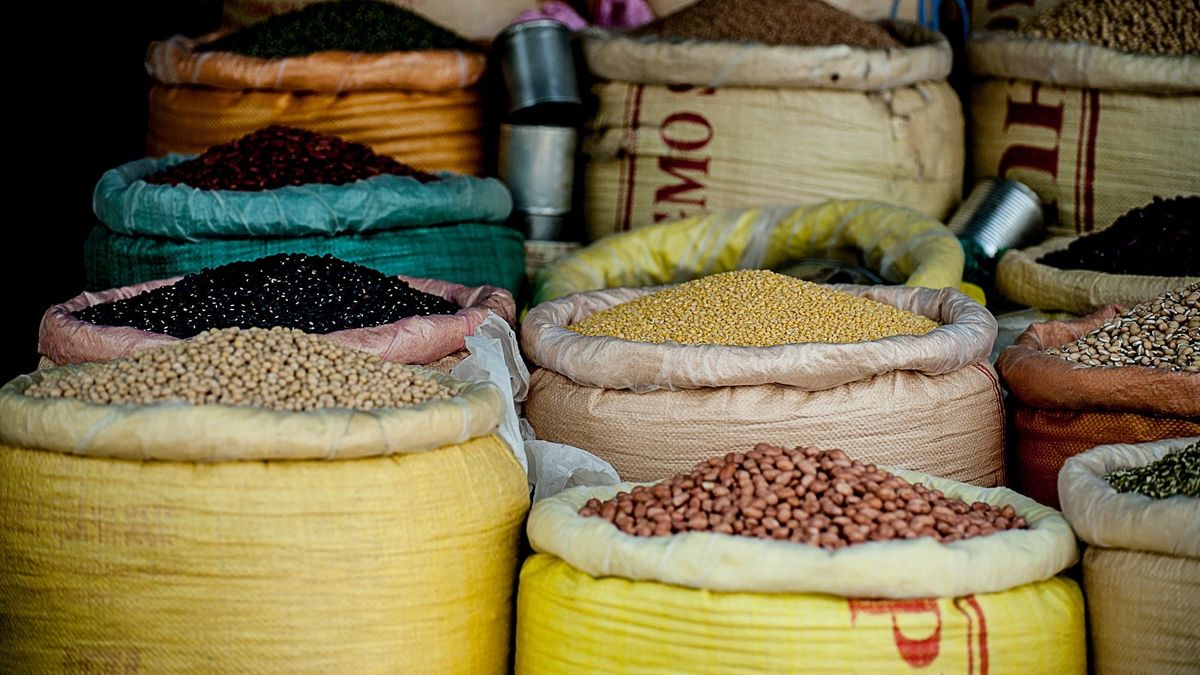
- Most plants lack at least one essential amino acid. Legumes lack methionine. Grains and seeds lack lysine. You should combine them.
- Plant proteins are not as "bioavailable" as animal proteins. Vegans should probably have protein targets a bit higher (~25%) than recommended.
- Soy, tempeh, tofu, buckwheat, quinoa, and amaranth are the only common plant foods with near-complete amino acid profiles.
Plant-based protein sources are foods from plants (like legumes, grains, seeds, and vegetables), which supply the protein your body needs to build, repair, and thrive. In this article, we’ll explain why protein matters, what the issues are with the plant-based diet, and which everyday plant foods give you enough (high-quality) protein.
More people are shifting away from meat and dairy. Some people want better health. Some may want to economise and save money. Others may want to reduce their environmental impact or just don’t like eating animals.
But whatever the reason, a common question that consistently comes up is: Can you really get enough protein from plants? The short answer is yes. But it’s not as easy and requires some know-how. Plant proteins are different to animal proteins: they are generally harder to digest, contain less protein, and are missing some essential nutrients (one or more of the “essential amino acids”).
Why do you need protein?
Protein is made up of amino acids. It is these amino acids that go on to make things your body needs (like new muscle, skin, organ cells, hormones, enzymes and immune cells). Your body can make some amino acids itself (these are called “nonessential” amino acids) when you need them.
But there are some that your body can’t make (these are called “essential” amino acids), which some plants don’t have (but all animal proteins do). Getting enough protein is not just about muscle. Protein is needed for hundreds of other things that keep you healthy. Signs that you’re not getting enough protein include:[1]
- Fatigue that doesn't get better with rest
- Poor recovery from exercise and muscle weakness
- Poor recovery from illness or frequent illnesses
- Brittle nails and hair loss
- Difficulty concentrating
In children and teenagers, not eating enough protein can stunt growth and brain development. So, researchers generally recommend getting at least 0.8 grams per kg of body weight a day.
Why go on a plant-based diet?
“Plant-based diets” can range from flexitarian (mostly plants with the occasional animal foods, like the Mediterranean diet), to vegetarian (no meat but can eat dairy and eggs), to vegan (no animal products at all). Research consistently links intake of plant foods to reduced risks of several diseases, including all the big killers (cardiometabolic disease and cancer).[2]
Plant-based diets are also generally cheaper and have less impact on the environment. However, there’s no way to cut it; the fewer animal products that you eat, the more difficult it is to ensure you are getting enough high-quality protein. So flexitarians need to pay less attention to their diet than vegans do. But you can still meet all your protein needs, even on a strict vegan diet.
Plant-based diet protein problems
Problem #1. “Protein density”
Many plant foods are nutritious, but simply don’t contain a lot of protein. For example, spinach and broccoli contain protein, but in such a small amount that you’d need an enormous portion to meet your daily needs. You’d need to eat 4 large bags of spinach and four whole heads of broccoli to get 30 g of protein!
Generally, a food needs to have at least 12% of its calories from protein to be called a “source of protein”. We’ve got some listed in the table below.
Problem #2. Amino acid profile
Animal proteins contain all nine essential amino acids in the right amounts. However, most plants are missing at least one essential amino acid, usually either “methionine” or “lysine”. Legumes (like beans, peas, and lentils) are missing methionine, while grains, seeds and nuts are missing lysine.
It doesn’t matter if you eat enough of the other eight essential amino acids (or more than you need); even if you are deficient in one of them, your body cannot make the things it needs — it’s the so-called “weakest link effect”.[3]
Problem #3. Digestibility and bioavailability
Even if the plant foods you’re eating contain enough protein (and essential amino acids), your body may not be able to digest and absorb all of it. For most animal foods, you tend to absorb nearly all of the amino acids in their proteins.
Whereas with plants (in their natural state), your body doesn’t digest and absorb as much. Some of the proteins in the plants are difficult to get to, as they are protected by other things found in them. They don’t give up their amino acids as easily as animal foods do.[1]