6 Healthy Vegan Mediterranean Diet Recipes
Learn the background, nutrition and health benefits of 6 vegan, vegetarian, and plant-based Mediterranean dishes with recipes.

1. Hummus
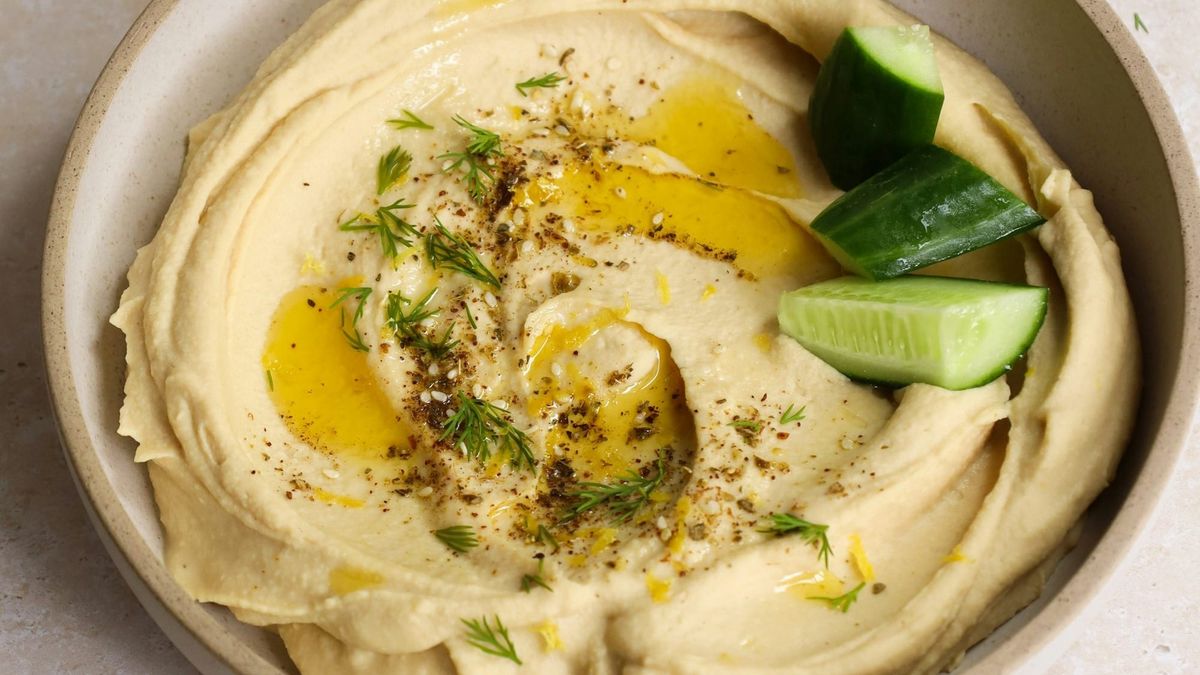
Hummus is the Levantine dip that has conquered the Mediterranean and beyond. At its best, it should be a silky purée of chickpeas, tahini, lemon, and garlic that's been sustaining populations for centuries.
While its exact origins spark debate across the Middle East, there's no dispute about its nutrition or taste. This protein-rich spread exemplifies the Mediterranean diet's reliance on legumes as a cornerstone of healthy eating.
Chickpeas provide plant protein, fibre, and folate, while tahini adds calcium, iron, and healthy fats. The garlic is thought to have immune-supporting compounds. Serve hummus as part of a meze spread with warm whole wheat flat bread, fresh veg, and olives. Or use it as a nutritious sandwich spread or dip.
- Serves: 6
- Time: 50 minutes
- Cost: ~$0.75 per serving
- Calories: 180 kcal per serving
- Source of: Fibre, Iron, Copper, Vitamin B9
Ingredients
- 400g (14 oz) tin chickpeas, or 200g (1 cup) dried chickpeas, cooked
- 80g (⅓ cup) tahini, well stirred
- 2 garlic cloves, crushed
- Juice of 1–2 lemons
- ½ teaspoon ground cumin (optional)
- 60–80ml (¼–⅓ cup) ice-cold water
- 60ml (¼ cup) extra-virgin olive oil
- Sweet paprika and fresh parsley, for garnish
Instructions
- Drain cooked chickpeas but reserve the nutritious liquid (called “aquafaba”). If you have time, and it's for a special occasion, you can remove the chickpea skins by putting the chickpeas into a bowl of water and rubbing them between your hands; the skins float to the surface. This step is optional but improves the texture of the hummus.
- In a food processor, blend the tahini, garlic, lemon juice, cumin, and a generous pinch of salt for 1 min until smooth and lightened in colour. This is the tahini base that is done first, which prevents the hummus from being grainy.
- Add the chickpeas and process for 2–3 minutes, scraping down the sides occasionally. The mixture will seem thick and paste-like at first—this is normal. With the motor running, slowly drizzle in the iced water (or fridge-cold aquafaba) and extra-virgin olive oil. The hummus should transform into a smooth, light consistency. Add more water if needed; you want it creamy but to hold its shape.
- Taste and adjust seasoning, adding more lemon juice or salt if needed. To serve, spread the hummus on a shallow plate using the back of a spoon to create swirls and valleys. These aren't just decorative—they hold pools of extra-virgin olive oil. Drizzle generously with extra-virgin olive oil, then dust with paprika and scatter with fresh parsley. You can add more herbs, spices or other flavours at this stage if you want something different.
- Hummus tastes best at room temperature and keeps refrigerated for 5 days. Let it sit out for 20 minutes before serving, and refresh with a splash of water if it's thickened.
2. Zucchini al pesto
Zucchini al pesto is a variation of a light, elegant dish from Liguria, the Italian region that gave the world pesto Genovese. This preparation transforms raw or lightly cooked zucchini ribbons into delicate “noodles” dressed with the region's famous basil sauce.
It represents the Mediterranean approach to vegetables as the centrepiece rather than an accompaniment.
The zucchini provides fibre, vitamins C and K, and beneficial antioxidants, including lutein for eye health. Fresh basil contributes vitamin K and anti-inflammatory compounds, while the pine nuts add protein, magnesium, and heart-healthy fats.
Parmesan (optional) delivers calcium and umami flavouring, and the generous olive oil provides monounsaturated fats that help absorb fat-soluble vitamins. Serve as a light main course or elegant side dish alongside grilled fish or chicken.
- Serves: 4
- Time: 20 minutes
- Cost: ~$1 per serving
- Calories: 320 kcal per serving
- Source of: Protein, Calcium, Magnesium, Vitamin A, C, K
Ingredients
- 80g (3 cups packed) fresh basil leaves
- 50g (⅓ cup) pine nuts, lightly toasted
- 2 garlic cloves, roughly chopped
- 60g (⅔ cup) freshly grated Parmesan cheese (optional)
- 150ml (⅔ cup) extra-virgin olive oil
- Juice of ½ lemon
- 6 medium zucchini (about 800g/1¾ lb)
- Extra Parmesan shavings for serving (optional)
- Toasted pine nuts for garnish
Instructions
- Make the pesto first. In a food processor or pestle and mortar, purée the pine nuts, garlic, and a pinch of salt. Add the basil leaves; they should be completely dry, or the pesto will be watery, and mix until broken down. Scrape down the sides and add the Parmesan until combined.
- With the motor or pestle slowly moving, drizzle in the extra-virgin olive oil until it reaches a smooth, thick consistency. It should be creamy and spreadable, not dry or separated. Stir in the lemon juice, salt, and pepper to taste. The pesto can be made up to 3 days ahead; store with a thin layer of EVOO on top to prevent oxidation.
- Using a spiralizer, julienne peeler, a knife or mandoline, cut the zucchini into long, thin noodles. Alternatively, use a vegetable peeler to create wide ribbons. Leave the skin on for the colour contrast and nutrients, just trim the ends.
- Place the zucchini noodles in a colander and toss with a generous pinch of salt. Let them sit for 10 minutes to draw out excess moisture. After 10 minutes, gently squeeze the noodles with your hands or press with paper towels to remove the released liquid.
- For a raw preparation, simply toss the salted and drained zucchini noodles with the pesto in a large bowl. For a warmer dish, heat extra-virgin olive oil in a large pan over medium-high heat and sauté the zucchini noodles for just 2–3 minutes, tossing constantly, until barely tender but still bright green and crisp. Don't overcook or brown them, just heat through before adding the pesto.
- Serve immediately on individual plates or a large platter, twirling the noodles into neat nests if desired. Garnish with fresh basil leaves and toasted pine nuts. Finish with a drizzle of extra-virgin olive oil and freshly cracked black pepper. This dish is best enjoyed immediately.
3. Vegetable Couscous
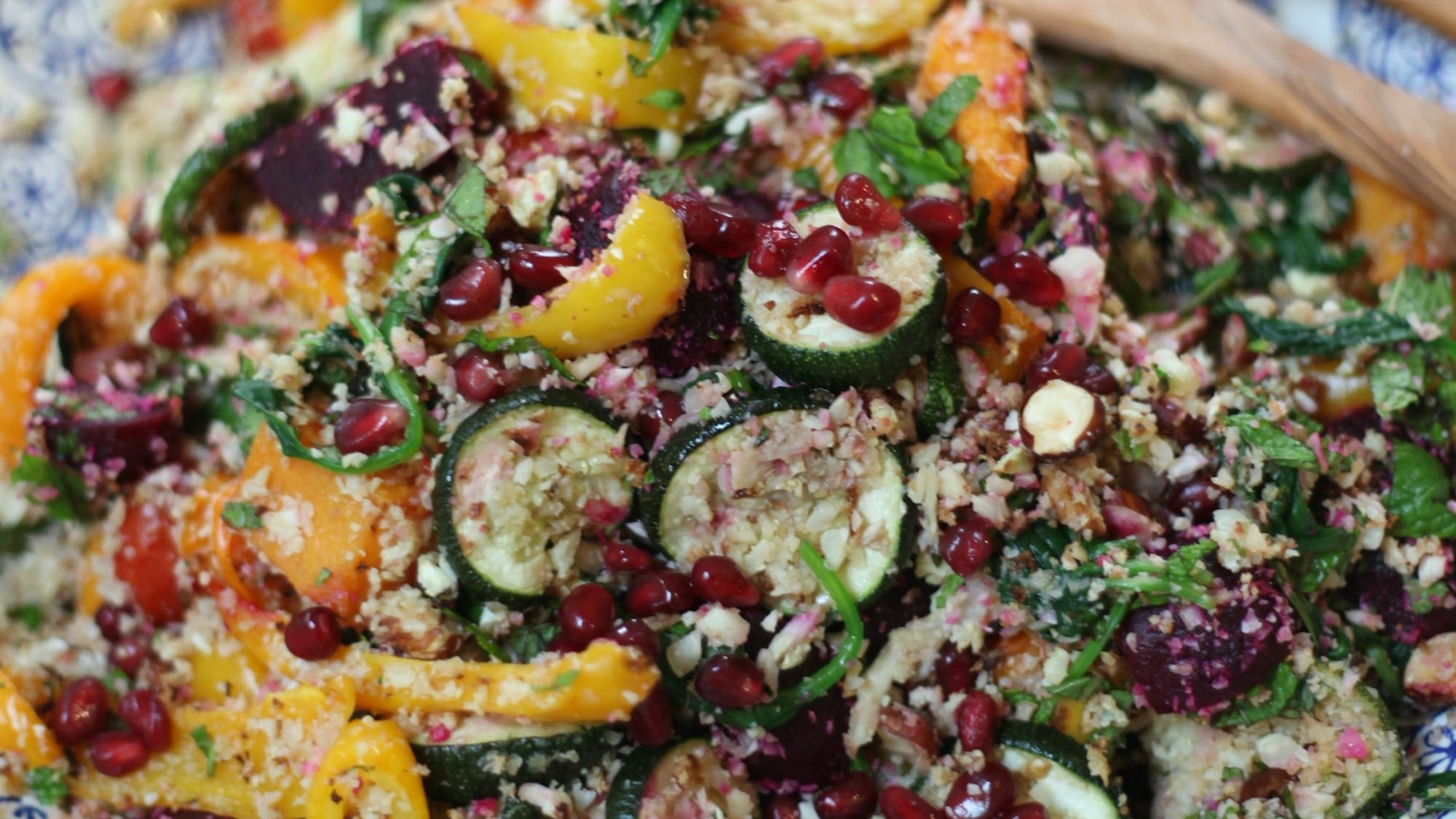
This dish celebrates the sun-drenched vegetables of the Mediterranean: peppers, courgettes, aubergines, and tomatoes roasted until caramelised and sweet, then tossed with fluffy couscous and fresh herbs.
This dish appears across North Africa and the Middle East, where couscous is a staple grain, particularly in Morocco, Tunisia, and Algeria.
The colourful vegetables provide vitamins A and C, fibre, and a spectrum of antioxidants, including lycopene and beta-carotene. The couscous also offers complex carbohydrates and some protein. Serve warm or at room temperature as a main course or a side dish alongside grilled fish or chicken.
- Serves: 4
- Time: 1 hour
- Cost: ~$0.75 per serving
- Calories: ~420 kcal per serving
- Source of: Protein, Fibre, Vitamin A, B6, B9, C, K
Ingredients
- 250g (1¼ cups) couscous
- 300ml (1¼ cups) hot vegetable stock
- 2 red bell peppers, cut into chunks
- 2 courgettes, cut into chunks
- 1 aubergine, cut into chunks
- 1 red onion, cut into wedges
- 250g (9 oz) cherry tomatoes
- 3 garlic cloves, unpeeled
- 120ml (½ cup) extra-virgin olive oil
- 1 pomegranate (optional)
- 1 teaspoon ground cumin
- 1 teaspoon smoked paprika
- Large handful of fresh parsley, chopped
- Large handful of fresh mint, chopped
- Juice of 1 lemon
- 50g (⅓ cup) toasted pine nuts or almonds
Instructions
- Preheat your oven to 220°C (425°F). In a large bowl, toss the vegetables with 80ml (⅓ cup) of the extra-virgin olive oil, the spices, salt, and plenty of black pepper. Spread the vegetables in a single layer across two large baking trays. Roast for 30–35 minutes, turning halfway through, until the vegetables are tender with charred edges and the tomatoes have burst.
- While the vegetables roast, place the couscous in a large bowl with a pinch of salt. Pour the hot stock over it, stir once, then cover tightly with a plate or cling film.
- Let it stand for 5 minutes, and the couscous will absorb all the liquid and become tender. Uncover the couscous and fluff it with a fork, breaking up any clumps. Drizzle with the remaining extra-virgin olive oil and half the lemon juice, and fluff again.
- Remove the vegetables from the oven. Squeeze the roasted garlic cloves from their skins and mash them roughly with a fork. Stir this roasted garlic paste through the warm couscous.
- Add the roasted vegetables to the couscous along with any pan juices. Then add most of the chopped herbs and the remaining lemon juice, tossing gently to combine. The vegetables should be distributed throughout, rather than sitting on top.
- Taste and adjust seasoning; roasted vegetables often need more salt than you expect. Transfer to a serving platter, scatter with the toasted nuts, pomegranate (optional) and remaining herbs, and finish with a final drizzle of extra-virgin olive oil.
- Serve warm or at room temperature—the flavours develop beautifully as it sits. This dish keeps well refrigerated for 3 days and can be enjoyed cold as a satisfying salad.
4. Fig Jam
Time for something sweet! Fig jam is a treasured preserve across the Mediterranean, where ancient fig trees have fed communities for millennia. From Provence to Andalusia to the Greek islands, this simple “jam” or “conserve” captures summer's abundance to brighten winter tables.
Unlike commercial jams loaded with refined sugar, the Mediterranean approach relies on the fruit's natural sweetness, perhaps enhanced with just a bit of honey. This method creates a darker, more complex preserve that tastes of the fruit itself rather than sugar.
Figs are remarkably nutritious, providing fibre, potassium, calcium, antioxidants, and iron, along with natural sugars that provide energy. The pectin in figs helps the jam set naturally without the need for any additives. Spread this jam on morning toast, pair it with aged cheese, or swirl it into yoghurt for an authentic taste of the Mediterranean.
- Serves: 20+
- Time: 50 minutes
- Cost: ~$0.15 per serving
- Calories: 45 kcal per serving
- Source of: Potassium
Ingredients
- 1 kg (2¼ lb) ripe fresh figs, stems removed and quartered
- 2–3 tbsp honey (optional)
- Juice of 1 lemon
- 1 cinnamon stick (optional)
- 2–3 tablespoons water
Instructions
- Choose ripe, soft figs that yield to gentle pressure. They should be fragrant and deeply coloured. Black Mission, Brown Turkey, or green Kadota varieties all work fine. Wash gently and quarter them, leaving the skin on for texture, colour, and nutrients.
- Place the figs in a wide, heavy-bottomed pot with the lemon juice, water, and cinnamon stick (optional). The lemon juice adds brightness and helps preserve the colour, shelf-life and provides more natural pectin (from the figs). Bring to a gentle simmer over medium heat, stirring occasionally.
- Let the mixture bubble gently for 30–40 min, stirring regularly to prevent sticking. The figs will break down naturally, releasing their juices and pectin. Use a wooden spoon to mash some of the figs against the side of the pot if you prefer a smoother texture, or leave it chunky for a more rustic texture.
- As it cooks, it will thicken and darken to a rich mahogany colour. Test for doneness by placing a spoonful on a cold plate—after a minute, it should wrinkle when pushed with your finger and hold its shape rather than running. If it's too liquid, continue cooking for another 5–10 min. Taste and stir in honey only if the figs aren't sweet enough, though most ripe figs need nothing added.
- Remove the cinnamon stick and pour the hot jam into clean, sterilised jars, leaving 1cm (½ inch) headspace. Wipe the rims clean and seal immediately. The jam will continue to thicken as it cools to a spreadable consistency.
- Store sealed jars in a cool, dark place for up to 6 months. Once opened, refrigerate and use within 3 weeks. The jam's flavour deepens after a few days as the flavours meld and mature.
5. Olive Tapenade
Tapenade is a classic Provençal olive spread. It’s a bold condiment from the rocky coast, where olive trees and capers thrive in the Mediterranean sun. Named after tapeno, the Provençal word for capers, this ancient paste has been feeding the region since antiquity.
What makes tapenade Mediterranean is its celebration of preserved ingredients: olives, capers, and anchovies, all staples in the Mediterranean pantry.
The olives provide heart-healthy monounsaturated fats, polyphenols, and vitamin E, while capers contribute quercetin, a powerful antioxidant with anti-inflammatory properties. Anchovies (optional) add omega-3 fatty acids and umami flavouring.
This intensely flavoured spread transforms simple meals: smear it on grilled fish, toss with pasta, spread on flatbread, or use as a dip for raw vegetables.
- Serves: 8
- Time: 10 minutes
- Cost: ~$0.25 per serving
- Calories: 100 kcal per serving
- Source of: Fibre, Vitamin E