7 Mediterranean Diet Pantry Staples (And How to Use Them)
Seven pantry essentials for the Mediterranean diet. Learn how they can support health and adherence.

- Canned tomatoes cooked in extra-virgin olive oil deliver more nutrients (like lycopene) than fresh tomatoes — don't fear using them.
- Anchovies, capers, and olives are often underutilised — they deliver omega-3s, quercetin, and monounsaturated fats and have long shelf lives.
- Refrigerate or freeze nuts — at room temperature, their oils go rancid quickly, degrading nutrition and flavour.
A Mediterranean pantry contains minimally processed, nutrient-rich staples. This article gives you seven essential ingredients that support health and are good for practical everyday cooking.
Why pantry staples are the foundation of the Mediterranean diet
If you've ever wondered how Mediterraneans make delicious, nutritious meals night after night without military planning or expensive ingredients, the answer lies in the pantry.
Unlike the processed convenience foods that fill Western kitchens, Mediterranean staples are simple, affordable, whole foods that have nourished them for centuries.
Whether you're new to the Mediterranean diet, looking to save time, or improve your cooking, these staples will transform your kitchen and make healthy eating simple.
#1. Extra virgin olive oil
What to buy
Extra virgin olive oil (EVOO) is non-negotiable. It's the primary cooking fat and flavouring in the Med, so invest in as high-quality a one as you can afford. Look for oils in dark glass bottles or tins, as sunlight degrades quality.
Also, look for harvest dates within the past year (should be on the back label of the bottle). You don't need the most expensive brand, but avoid the cheaper options.
Can you cook with olive oil?
High-quality EVOO can be used for cooking at moderate temperatures (up to 190°C/375°F), though some of the more delicate nutrients ("polyphenols") degrade with heat.
For this reason, many Mediterranean cooks use a moderately-priced EVOO for everyday cooking and reserve their finest, most peppery oils for "finishing" dishes like drizzling over salads, soups, grilled vegetables, and bread.
Storage: Keep olive oil in a cool, dark place away from heat and sunlight. A pantry cupboard works perfectly. Properly stored, EVOO maintains quality for 12-18 months, though fresher is generally better.
Nutrition
EVOO is rich in monounsaturated fats that lower the 'bad' LDL cholesterol while maintaining (or even raising) beneficial HDL cholesterol. This is the opposite of saturated fats, which raise both types of cholesterol, which makes EVOO particularly protective for cardiovascular health.
EVOO is also packed with polyphenols and vitamin E. These are powerful antioxidants that reduce oxidative stress and chronic inflammation, protect blood vessels, and prevent blood clots. This potentially reduces the risk of heart disease, age-related cognitive decline, and certain cancers.
How to use it
- Drizzle on salads, finish soups and stews with it, use it for sautéing vegetables, and roast potatoes and chicken in it.
- Don't be shy; Mediterranean cooking uses olive oil liberally. A proper Greek salad gets a generous glug, not a quick drizzle.
- Start by simply replacing butter or vegetable oil with EVOO when making scrambled eggs, sautéing vegetables, or dressing your morning avocado toast.
#2. Legumes (dried or tinned)
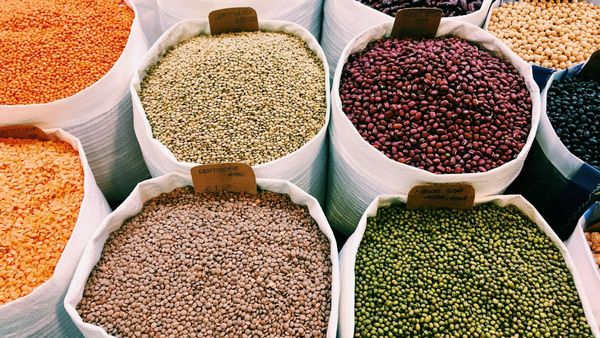
What to buy: Stock dried chickpeas, brown or green lentils, white beans (cannellini or navy), and black-eyed peas. Keep a few cans of each as well for quick meals; they're nutritionally equivalent to dried and immensely convenient.
Storage: Dried legumes keep for years in airtight containers in a cool, dry pantry. Older beans take longer to cook but remain safe and nutritious. Canned beans typically last 2-3 years; once opened, they should be refrigerated and used within 3-4 days.
Nutrition:
Legumes are nutritional powerhouses. They provide plant protein, dietary fibre (which supports digestive health, lower cholesterol, and blood sugar), folate, iron, magnesium, and potassium.
The fibre and protein combination promotes satiety, helping you feel full longer. Regular legume consumption is associated with reduced heart disease risk and healthier body weights.
How to use them
- Simmer lentils with tomatoes, carrots, and olive oil for Umbrian lentil stew.
- Blend chickpeas with tahini, garlic, and lemon for hummus.
- Toss white beans with tuna, celery, and olive oil for a quick protein-rich salad.
- Add any cooked legume to soups, salads, or grain dishes.
- Swap your usual lunchtime sandwich once a week with canned chickpeas or white beans tossed with olive oil, lemon juice, cherry tomatoes, and whatever vegetables you have around.
#3. Whole grains
What to buy: Whole wheat pasta, brown rice, bulgur wheat, and whole wheat flour for flatbreads. Couscous (technically pasta, but quick-cooking) is useful for weeknight meals. Quinoa, while not traditionally Mediterranean, fits the whole-grain vibe.
Storage: Store in airtight containers to prevent rancidity. Whole grains keep 3–6 months at room temperature, longer if refrigerated or frozen. If you smell an off, bitter odour, discard them.
Nutrition
Unlike their refined grains (which are stripped of nutrients), whole grains retain fibre, B vitamins (niacin and thiamine), iron, magnesium, and selenium. They provide energy without spiking blood sugar levels (as much), support digestive health, and help maintain a healthy body weight.
How to use them
- Cook whole wheat pasta for a quick dinner.
- Toss it with sautéed vegetables, bitter greens and olive oil.
- Make tabbouleh with bulgur (or quinoa for a gluten-free option), parsley, tomatoes, and lemon.
- Serve stews over brown rice or couscous.
- Bake whole wheat flatbreads, which go with nearly everything.
- Next time you make pasta, buy the whole wheat version instead.
The taste difference is minimal once you add a sauce or other flavours; however, the fibre and nutrient content is better.