5 High-Protein Mediterranean Recipes for Under $1
Get five high-protein Mediterranean dishes costing under $1. Budget-friendly, nutritious, simple, delicious, and healthy.

- All five dishes originate from traditional Mediterranean peasant cooking — some of the diet's most protein-rich foods are also its most affordable.
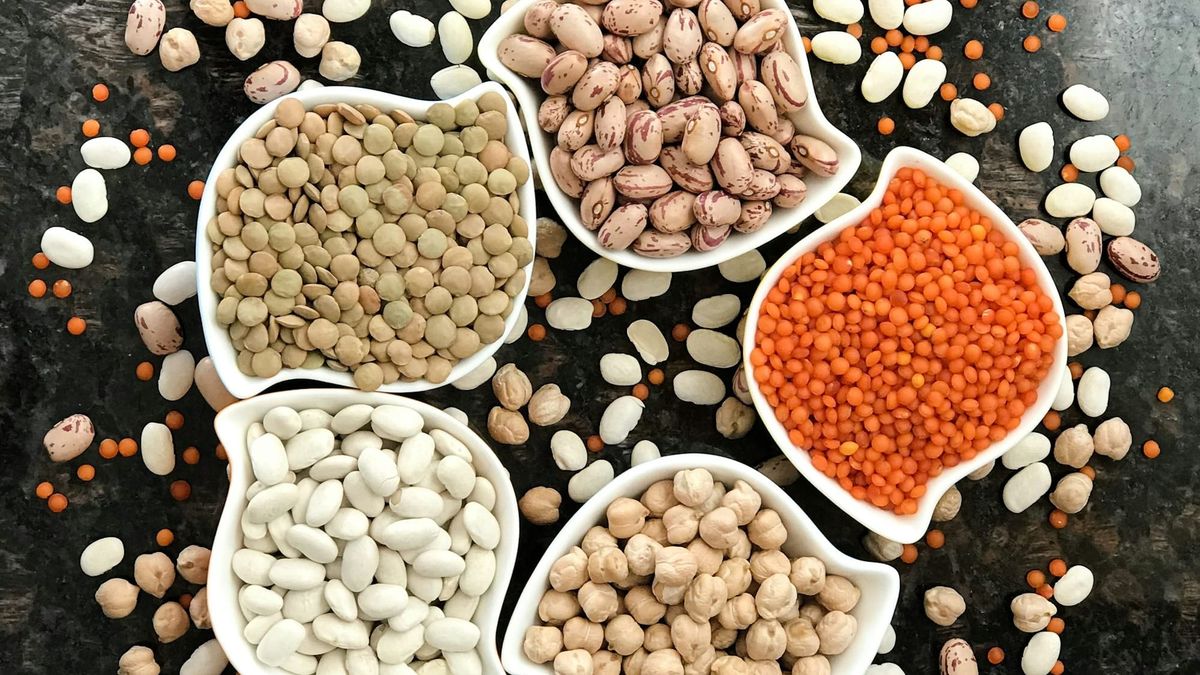
- Legumes (lentils, chickpeas, fava beans) deliver high protein, fibre, and iron at pennies per serving. Pair them with grains to optimise nutrition.
- Canned tuna and boiled eggs are the fastest and cheapest animal protein options. Adding them to salads for a nutritious meal in minutes.
All five recipes in this article contain at least 15g of protein per serving and cost under $1 to make — using traditional Mediterranean ingredients like lentils, chickpeas, fava beans, eggs, and canned tuna.
High-protein Mediterranean dishes regularly combine flavourful, nutrient-dense ingredients and have their own health benefits. However, some people assume it’s expensive, elitist, difficult to access or difficult to cook. In reality, this couldn't be further from the truth.
Most traditional Mediterranean dishes were born from “cucina povera” or “peasant cooking”. This means simple meals built from cheap ingredients and cheap proteins. These foods are nutritious, plant-based, high in protein, fibre, and affordable. Below are five high-protein Mediterranean dishes you can make for under $1 per serving.
#1. Greek fakes (lentil soup)
Greek Fakes (pronounced fah-KESS) is one of the best-loved “everyday” dishes in Greece. It's an earthy lentil soup enjoyed for generations. Lentils have been part of Mediterranean diets since antiquity. They are valued for their long shelf life, low-cost, and high protein content.
Along with lentils, Fakes relies on other humble ingredients like onion, tomato, and olive oil, simmered together. Its high protein content comes entirely from the lentils, making it an option for those seeking plant-based protein.
They're cheap, filling, and rich in fibre, iron, and antioxidants. It embodies how traditional Mediterranean diets achieve nutrition from simple foods.
Ingredients
- Brown or green lentils
- Onion
- Carrot
- Garlic
- Tomato paste or crushed tomato
- Dried Herbs: Thyme, Oregano, Bay leaf
- Olive oil
- Vegetable stock or bouillon
Directions
- Dice and sauté the onion, carrot, and garlic in a small amount of olive oil.
- Add lentils, tomatoes, and herbs.
- Crush the tomatoes in the pan with a wooden spoon.
- Cover with vegetable stock and simmer until the lentils are soft (~45 minutes).
- Season and finish with a splash of red wine vinegar, olive oil and crusty bread.
#2. "Pasta e Ceci" (Italian chickpea and pasta stew)
Pasta e Ceci (CHEH-chee) is a classic Italian dish from the central and southern regions, especially Rome and Campania. Historically, a poor man’s dish, it combines pantry staples — chickpeas, garlic, rosemary, and pasta.
This dish is high in quality plant-protein thanks to the combination of chickpeas and pasta, and offers "slow-release" carbohydrates and fibre. Its creamy texture comes from simmering the chickpeas until they break down naturally and thicken the sauce. Because every ingredient is cheap and shelf-stable, Pasta e Ceci is one of the best Mediterranean diet meals for anyone cooking on a budget.
Ingredients
- Canned or cooked chickpeas
- Small pasta (ditalini, elbows, penne)
- Garlic
- Olive oil
- Tomato or tomato paste
- Vegetable stock or bouillon
- Rosemary
Directions
- Slice the garlic and sauté it with the rosemary in olive oil.
- Add chickpeas and a little tomato purée or whole tomatoes.
- Pour in the vegetable stock and simmer for a few minutes.
- Add pasta and cook until tender (~10 minutes).
- Season and mash some chickpeas and mix them into the liquid to thicken the stew.
#3. "Ful Medames" (North African fava bean stew)
"Ful Medames" is one of the oldest documented dishes in the Med. It has been eaten in Egypt for thousands of years and is still a breakfast staple across the Eastern Mediterranean.
It is traditionally cooked in large clay pots, containing slow-simmered fava beans mixed with lemon, garlic, cumin, and olive oil.
Fava beans (or broad beans) are one of the highest-protein legumes. With beans costing pennies, and the remaining ingredients just basic flavourings, it is one of the most cost-effective high-protein meals around.