High Protein Diets: A Review
A well-supported dietary strategy for fat loss, muscle maintenance, and long-term appetite control.

- A high-protein diet is one where protein intake exceeds standard recommendations (over 1.2g per kg of bodyweight or 25% total calories).
- Higher protein diets generally help reduce body fat while preserving muscle during calorie restriction, it also improve satiety, making calorie deficits easier to sustain.
- Health outcomes depend heavily on the type of protein you're eating; diets high in red and processed meats carry extra health risks.
The ‘high-protein’ diet says what it means: increasing your dietary protein intake. Technically, it's defined as protein intakes that obviously exceed the recommended protein intakes by a clear margin. Current recommendations are around 0.8 grams per kg body weight a day, or around 15% total calories. So, in practice, ‘high’ protein intakes are over 1.2 grams per kg a day or 25% total calories. High-protein diets have become popular for maintaining healthy body weights, athletic performance and recovery, and for building muscle.
Protein has a higher ‘thermic effect’ than carbohydrate and fats, meaning your body has to use more energy just to digest protein; it has to work harder. Around 20-30% of the calories from protein (so around 1 calorie per gram of protein) is used to digest it.
Compare this to 5-10% for carbohydrates and basically nothing for fat. In addition to this, calorie-for-calorie protein makes you feel fuller than carbs and fat do. It is also essential for preserving (or possibly increasing) your muscle mass, which helps keep your body fat under control.
There is no single type of high-protein diet; it is really an umbrella term for a few different diets. Animal protein sources include lean meats, poultry, fish, eggs, and dairy products, while plant-based options are legumes, tofu, tempeh, nuts, seeds, and protein-rich grains like quinoa.
Some people also take protein supplements such as whey, casein, or plant protein powders. The diet usually requires reducing carbohydrate or fat intake to balance total calorie intake, while protein intake is increased.
Content of the diet varies widely, from moderate increases in protein-rich whole foods (e.g., paleo and zone diet) to more extreme approaches severely restricting other macronutrients (e.g., keto and carnivore diets).
Example foods and dishes
- Breakfast: Protein pancakes with Greek yoghurt or Egg white omelette with turkey sausage & cottage cheese
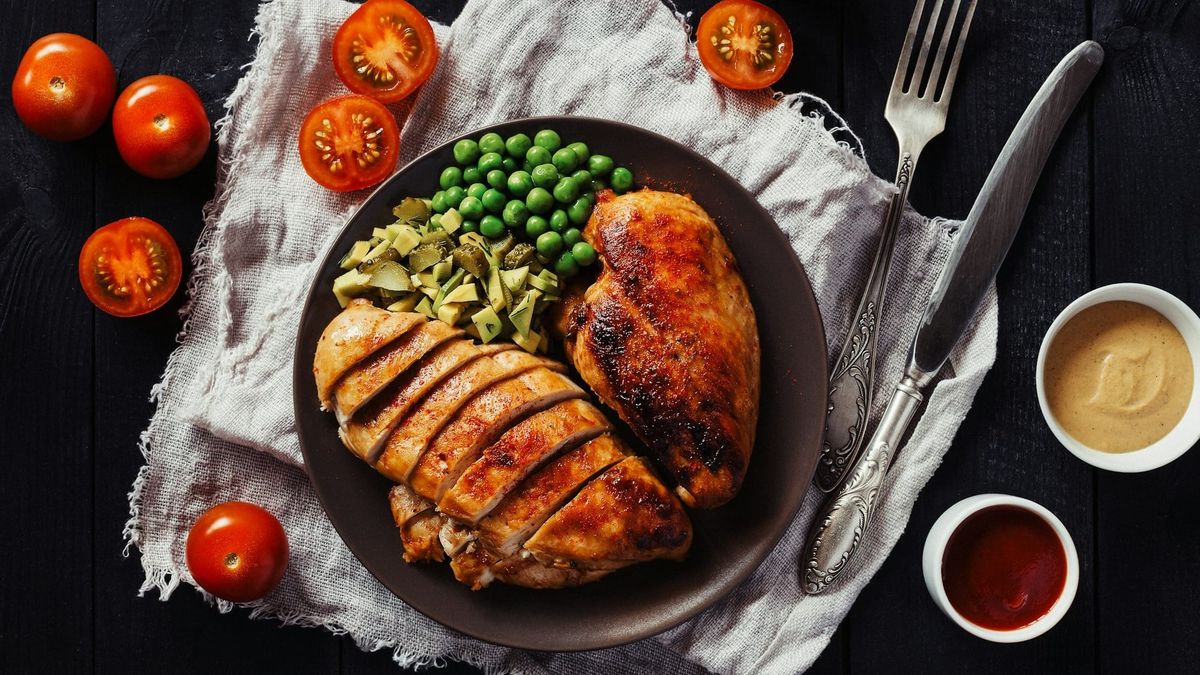
- Lunch: Large grilled chicken breast, quinoa & steamed broccoli or Large tuna salad on mixed greens & hard-boiled eggs
- Snack: Protein shake with added Greek yoghurt or Beef jerky with string cheese
- Dinner: Grilled salmon with lentils & asparagus or Lean beef stir-fry with edamame & brown rice
- Dessert: Frozen Greek protein yoghurt
- Drinks: Protein shake, skim milk
Pros
High-protein diets show consistent benefits for weight loss and improved body composition. Research shows these diets effectively reduce body fat while helping preserve muscle mass while you’re restricting your calorie intake (known in the trade as ‘body recomposition’). Upping the protein intake of calorie-restricted diets may make them a bit easier to follow and keep your hunger in check.
Evidence also indicates improvements in certain metabolic health markers, particularly for people who have type 2 diabetes and obesity. Studies show reductions in LDL cholesterol, total cholesterol, triglycerides, and insulin resistance.
The diet's ability to support muscle growth also makes it attractive for athletes and people who are engaging in regular exercise. The collective benefits of the diet make it a popular choice for managing your body weight.
Cons
Research shows that higher protein intake increases the amount of work your kidneys have to to, which may affect people with poor kidney function or who're risk of kidney disease. However, for healthy adults, with no kidney problems, higher protein intake is generally considered safe.
The impact of higher protein diets on heart health is less certain and largely depends on what foods you are getting your protein from and the other parts of your diet. Diets dominated by red meat and processed meats can raise cardiovascular disease risk due to high saturated fat and sodium intake. Whereas plant-based proteins are associated with better health outcomes.
Very high protein diets that rely on animal proteins can crowd out other nutrients (e.g., dietary fibre) and negatively impact your gut microbiome. Excessive protein may increase calcium loss, which can potentially go on to affect your bone health.
Because there is no single-standard ‘high-protein’ diet, the evidence support it positive effects is messy and inconsistent. There are also practical issues, such as cost, monotony, and cultural preferences, that can make it difficult to follow.
Bottom Line
High-protein diets offer short-term benefits for weight loss and metabolic health. However, there are notable safety concerns regarding kidney and cardiovascular health for some people.
This, combined with limited long-term data, warrants caution and any blanket recommendations for them. These types of diets may work for healthy, physically active people aiming for weight loss while maintaining muscle mass.
Overall Score: ★★★☆☆
- Health Benefits: ★★★☆☆
- Nutrition: ★★★☆☆
- Weight Control: ★★★★☆
- Ease to Follow: ★★★☆☆
- Safety Profile: ★★★☆☆
- Scoring System
Sources
Blachier F et al. High-protein diets for weight management: Interactions with the intestinal microbiota and consequences for gut health. A position paper by my new gut study group. Clin Nutr. 2019 Jun;38(3):1012-1022. PMID: 30274898
Clifton PM et al. Long-term effects of a high-protein weight-loss diet. Am J Clin Nutr. 2008 Jan;87(1):23-9. PMID: 18175733
Eisenstein J et al. High-protein weight-loss diets: are they safe and do they work? A review of the experimental and epidemiologic data. Nutr Rev. 2002 Jul;60(7 Pt 1):189-200. PMID: 12144197
Hu FB. Protein, body weight, and cardiovascular health. Am J Clin Nutr. 2005 Jul;82(1 Suppl):242S-247S. PMID: 16002829
Leidy HJ et al. The role of protein in weight loss and maintenance. Am J Clin Nutr. 2015 Jun;101(6):1320S-1329S. PMID: 25926512
Santesso N et al. Effects of higher- versus lower-protein diets on health outcomes: a systematic review and meta-analysis. Eur J Clin Nutr. 2012 Jul;66(7):780-8. PMID: 22510792