Plant-Based Diet
At its best, a plant-based diet is based on whole, minimally processed plant foods: vegetables, fruit, whole grains, legumes, nuts, seeds and healthy plant oils with no (or little) animal products. It’s an adaptable, cheap, evidence-based way of eating that supports your health and has a lower environmental impact.
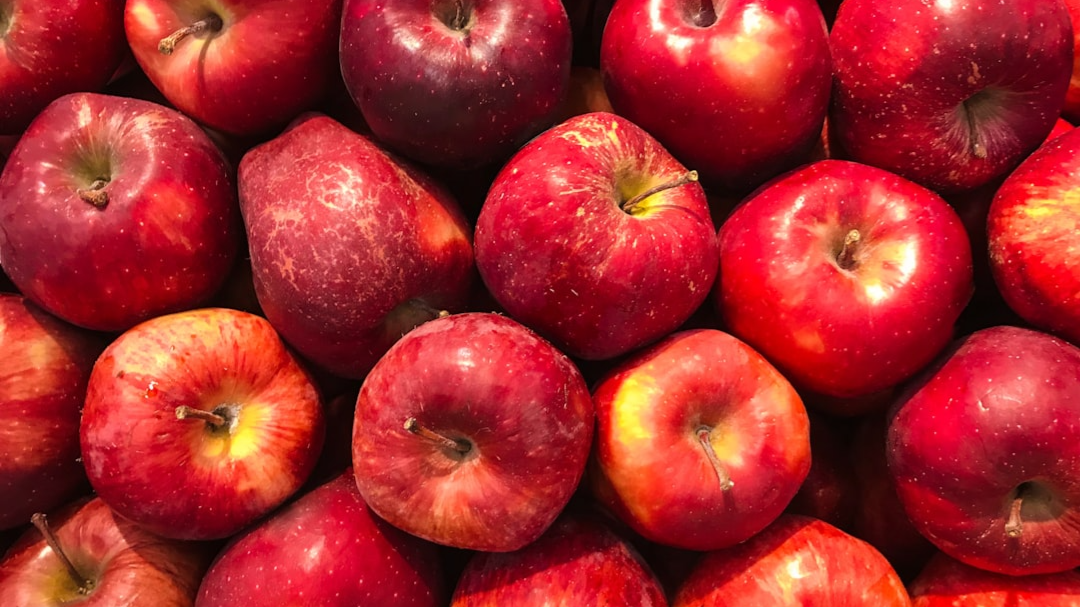
Does an Apple a Day Keep the Doctor Away?
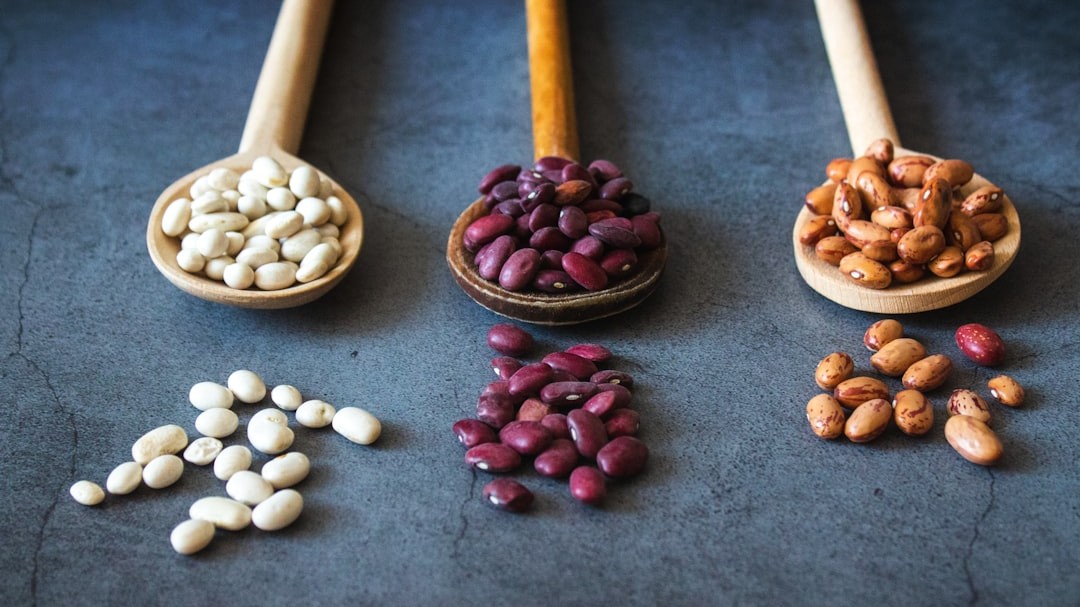
Plant-Based Protein: What Everyday Foods Deliver
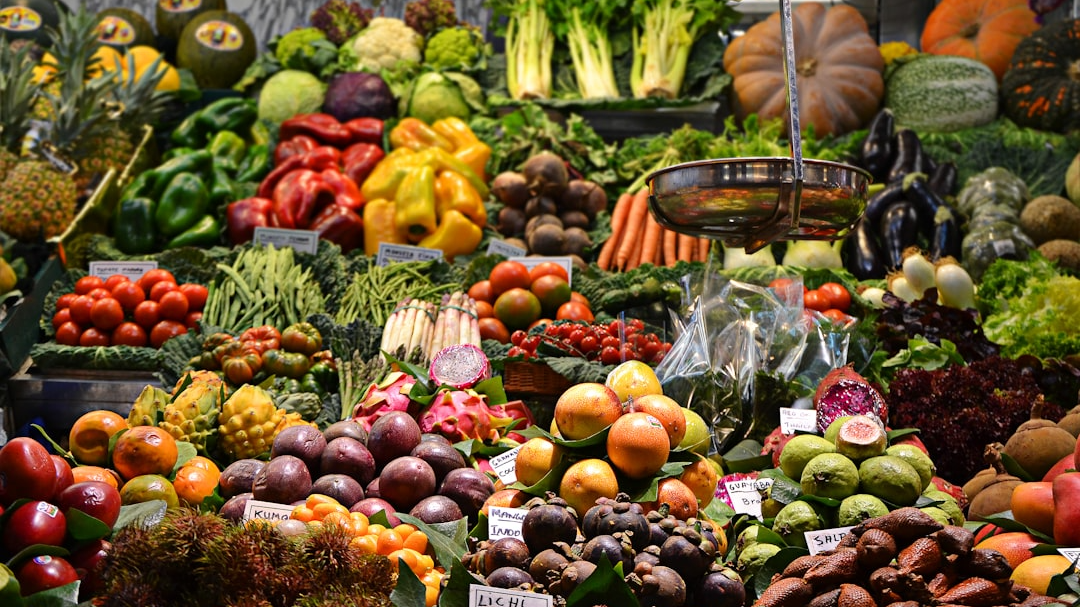
The 3 Healthiest Vegetables Around
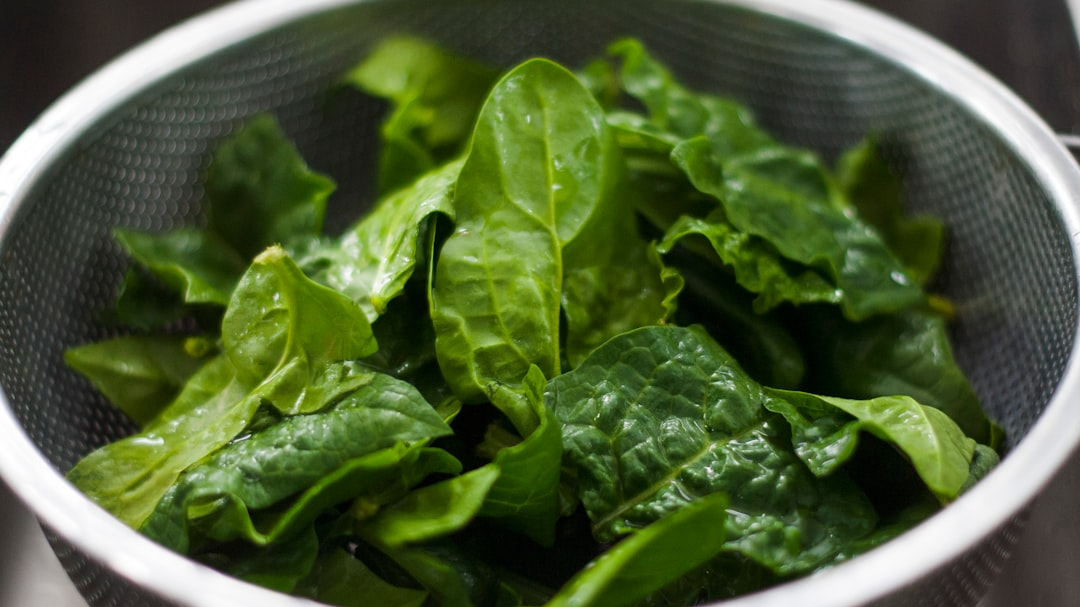
Health Benefits of Leafy Greens
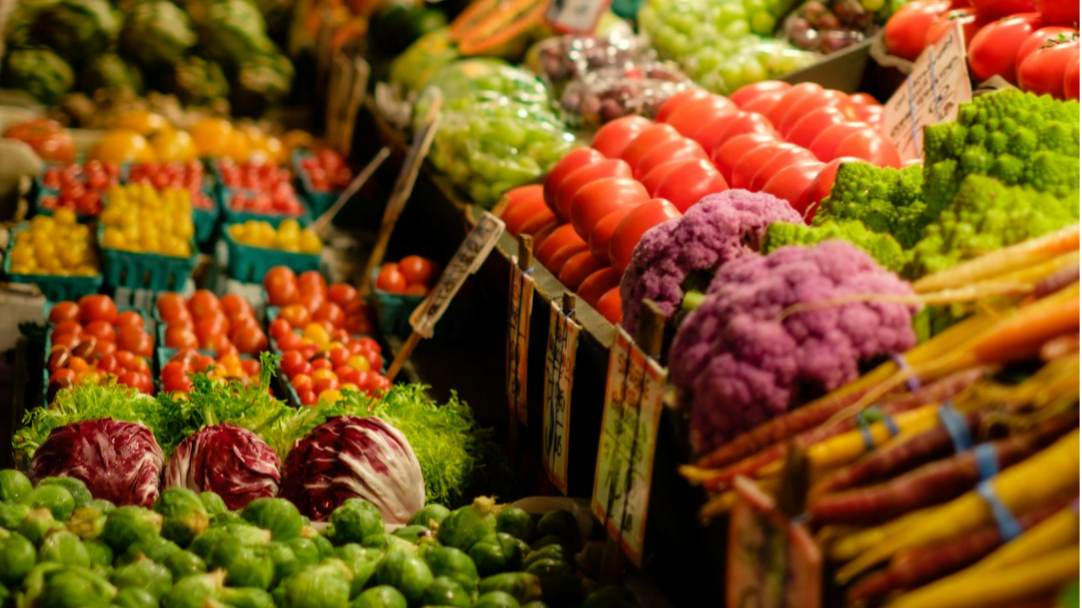
Which Colour Vegetables are Healthiest?
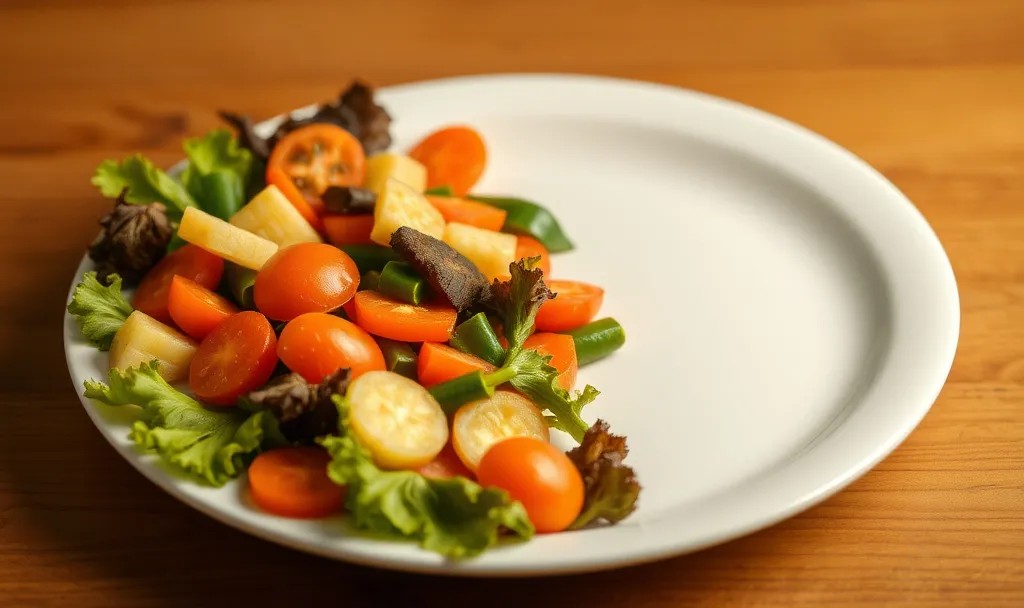
The Half-Plate Rule: The Simplest Way to Eat More Vegetables

High-Protein Plant-Based Meal Plan: 7 Days of Recipes
Why Seasonal Vegetables May be Healthier
Mostly vegetables, fruits, whole grains, legumes (beans, lentils, peas), nuts, seeds and plant oils; many people also use fortified plant milks, tofu/tempeh and whole-food meat alternatives for variety and protein.
Minimise or avoid highly processed foods (refined grains, sugary snacks, ultra-processed meat substitutes) and reduce intake of foods that contain few nutrients ("empty calories"); if you're vegan, you'll be avoiding animal products like meat, dairy and eggs.
Plant-based eating are linked with lower risk of heart disease, hypertension and type 2 diabetes. They often cost less per meal when based on staples (grains, legumes) and typically have a smaller environmental footprint than diets high in animal products.
Pay attention to protein quality, vitamin B12, iron, calcium, iodine, vitamin D and omega-3s; include fortified foods or supplements where needed and combine different plant species (i.e., grains, cereals and legumes) to meet protein requirements.
Potential pitfalls include nutrient shortfalls (notably B12 and iodine) if unplanned, risk of over-reliance on processed substitutes, and practical/social inconveniences; these are manageable with planning, fortified foods and supplementation.
OTHER PLANT-SLANT DIETS
Blue Zone Diet: A Review ★★★★☆
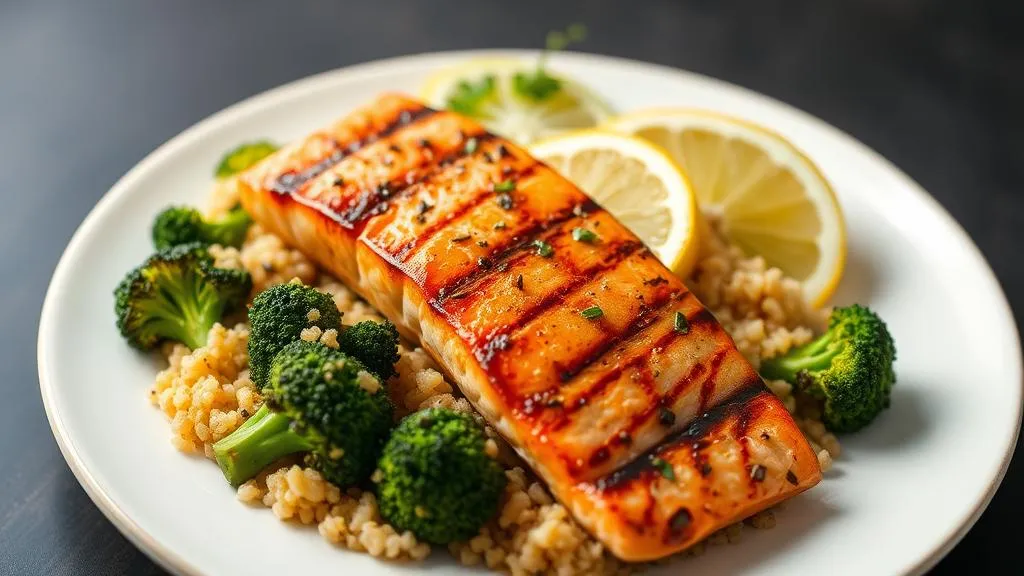
DASH Diet: A Review ★★★★★
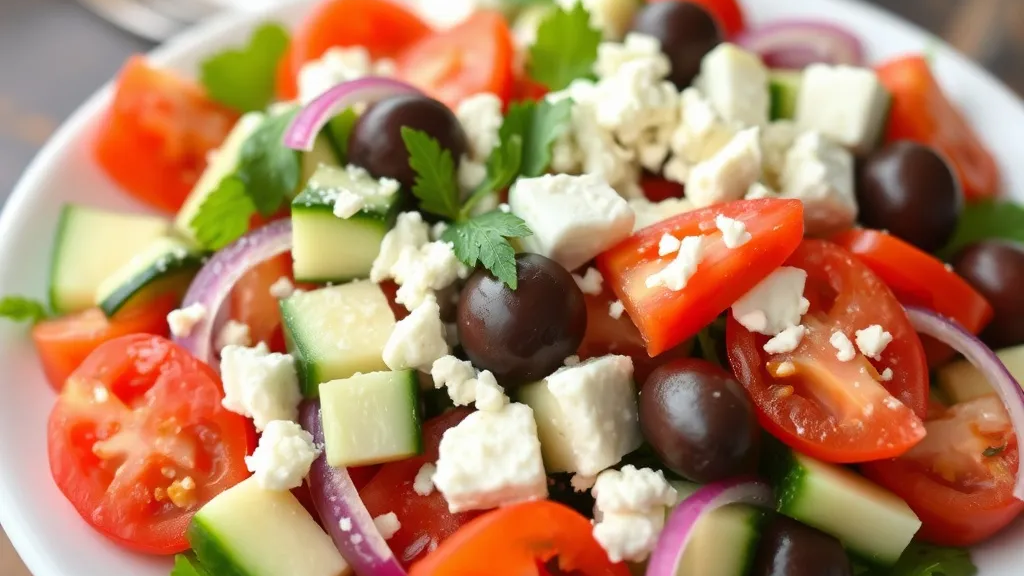
Mediterranean Diet: A Review ★★★★★
The Mediterranean Diet
It's not just a diet, it's a philosophy. It's the most researched lifestyle on the planet: there's a reason why they're healthier, happier, and live longer.
Based on whole foods, olive oil, legumes, fish, and plant-based eating. Explore our guides, courses, and articles explaining how it supports your health.
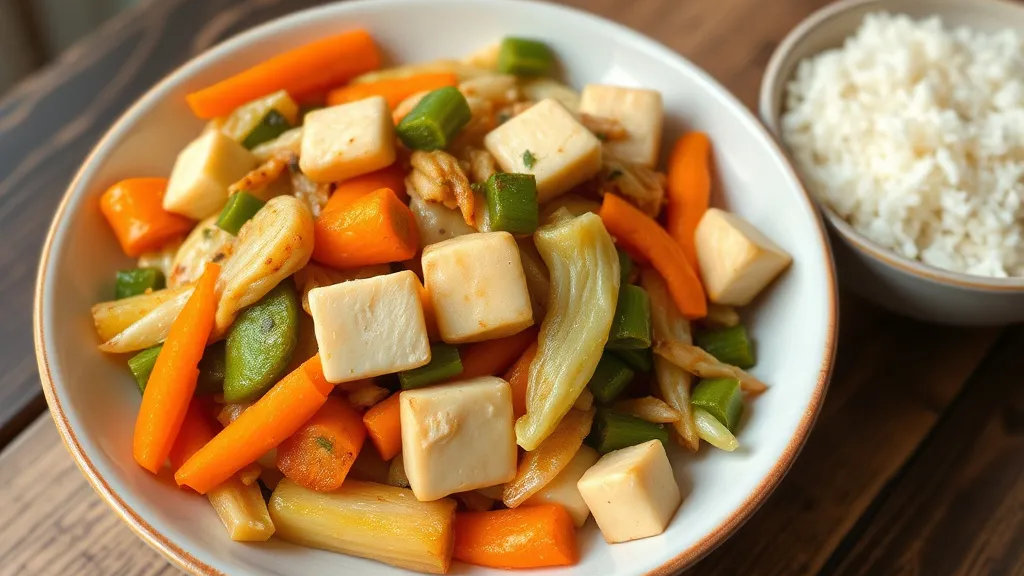
Okinawa Diet: A Review ★★★★☆

Ornish Diet: A Review ★★★☆☆

Juice Diet: A Review ★★☆☆☆
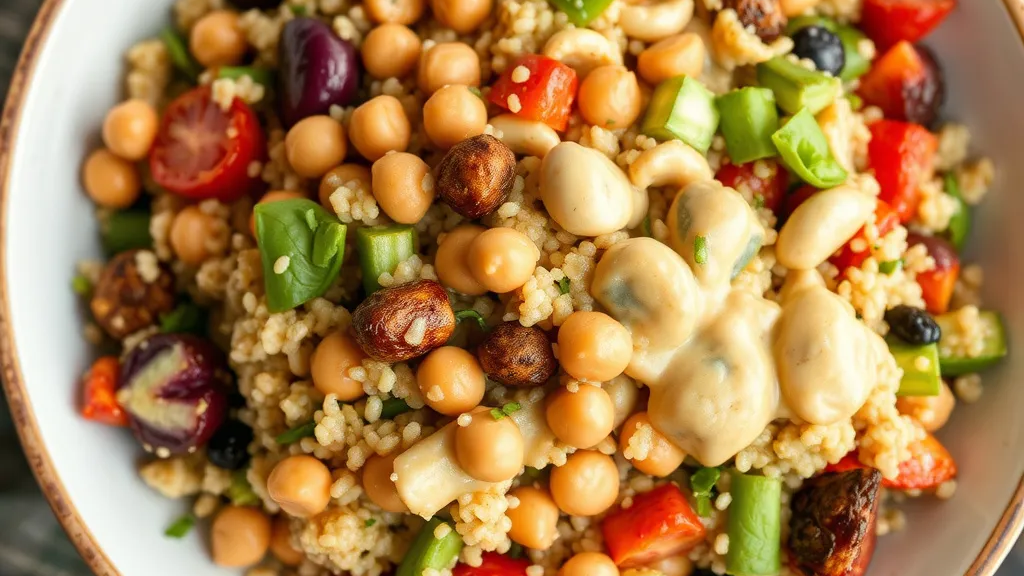
Vegan Diet: A Review ★★★☆☆
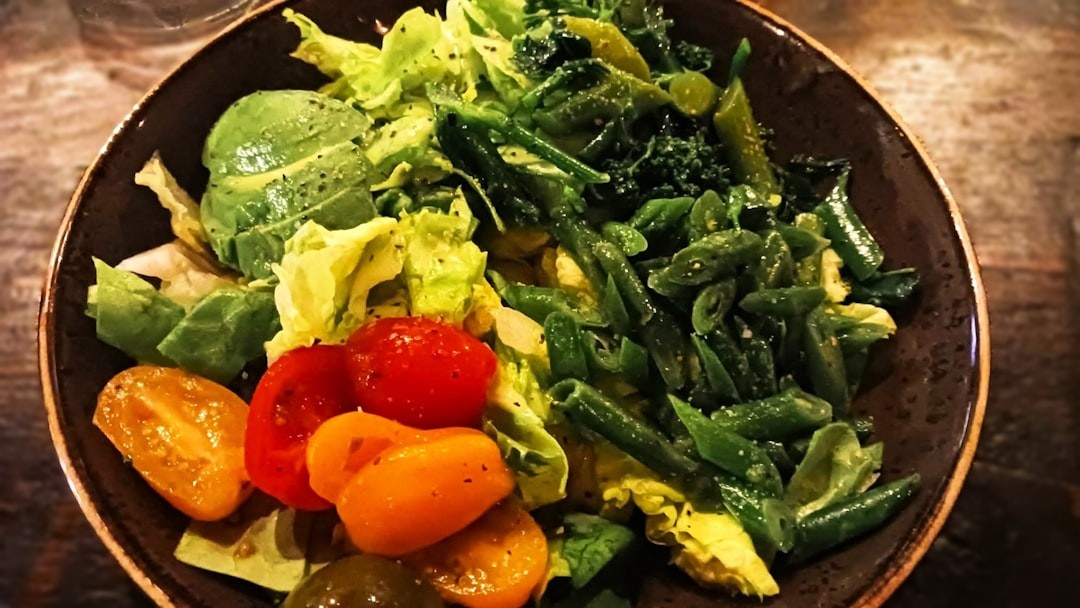
Fasting Mimicking Diet: A Review ★★★☆☆
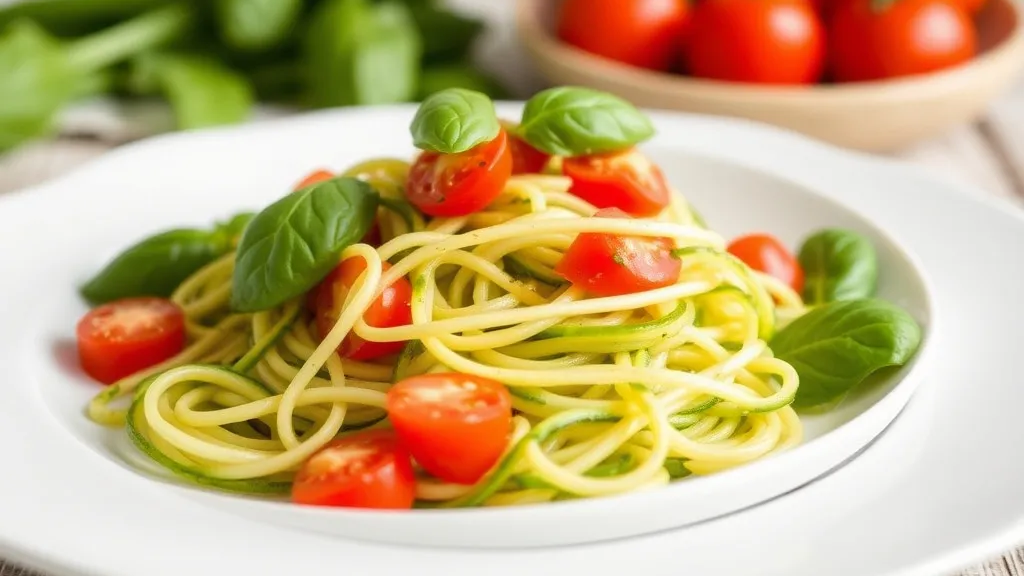
Raw Food Diet: A Review ★★☆☆☆
Our Editorial Approach
Alphabet Guides publishes practical evidence-based content using trustworthy, peer-reviewed research: information you can actually use. Learn more About Us and our Editorial Standards.