The 3 Healthiest Vegetables Around
Discover the 3 healthiest vegetable groups backed by research and recipes: cruciferous vegetables, leafy greens, and alliums.

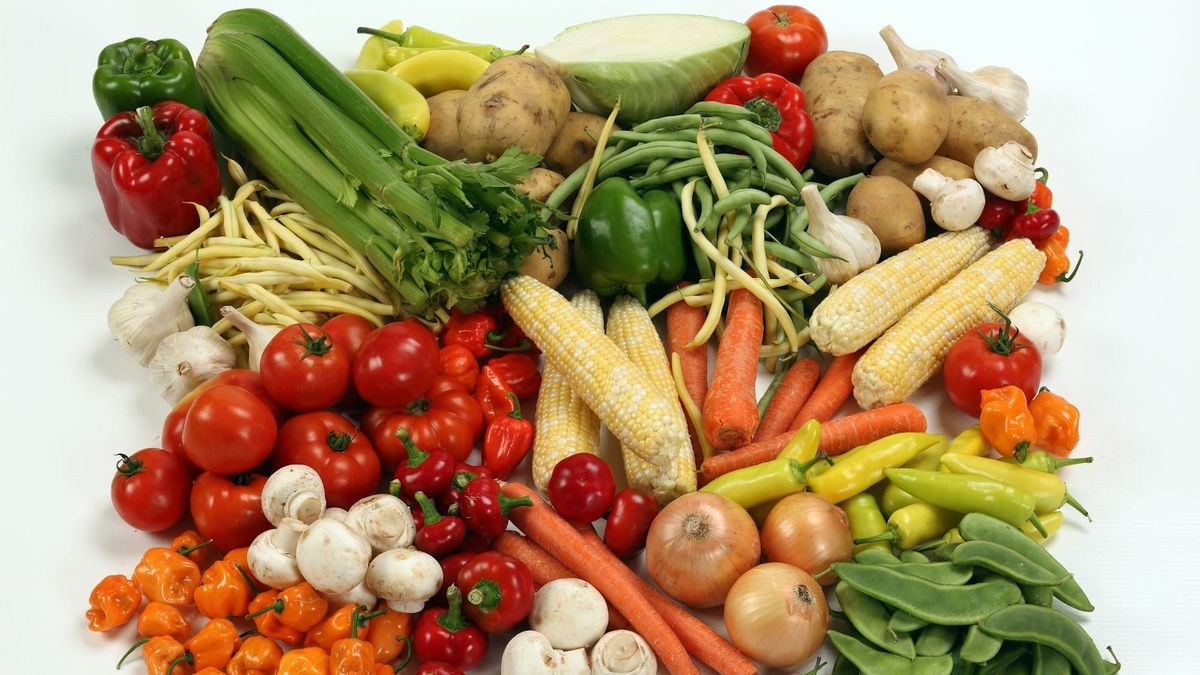
- Cruciferous vegetables contain "glucosinolates" that are linked to reduced cancer risk. Aim for at least 5 servings per week.
- Chopped or crushed alliums contain "organosulphurs" that are associated with lower cancer risk and reduced blood pressure and cholesterol.
- Leafy greens are rich in dietary nitrates, which the body converts to nitric oxide, which relaxes blood vessels and lowers blood pressure.
While all vegetables contribute to health, research highlights three groups — cruciferous vegetables, leafy greens, and alliums — that are nutrient-dense and associated with strong health benefits. This article explains why these groups stand out and gives examples for each.
There are definitely others, but including these three groups in your weekly rotation ensures you're getting a wide variety of health-protective plant nutrients. Each group contains unique “phytonutrients” (or “phytochemicals”) that work in different ways to support your health.
Rather than focusing on individual 'superfoods', think of these three groups as foundational — what you want to prioritise. It's really not that hard to get all three into your diet.
Group 1: Cruciferous vegetables
Cruciferous vegetables include broccoli, cauliflower, Brussels sprouts, cabbage, kale, rocket, and bok choy. What makes them special? They're uniquely rich in 'glucosinolates' — which are sulphur-containing compounds that may reduce cancer risk (particularly for colorectal and lung cancers)1.
Aim for at least five servings of cruciferous vegetables a week. One serving equals approximately half a cup when cooked or one cup raw. A simple strategy: include one cruciferous vegetable in your evening meal 3-4 times per week.
Cooking tip: Whilst raw cruciferous vegetables are nutritious, light cooking can make them easier to digest, taste better and actually improve nutritional content2.
Avoid heavy cooking methods like boiling, stewing, roasting or microwaving at high power, as this reduces the availability of beneficial compounds. Instead, steam lightly, roast, or sauté in olive oil.
Sautéed broccoli with garlic, chilli and lemon
A simple, classic preparation that highlights the natural sweetness of cruciferous vegetables whilst incorporating some alliums. Serve as a side dish or as a main course on top of a bowl of hummus with some flatbread.

Ingredients (serves 4-6)
- 2 large heads of broccoli (cut into florets)
- 4 garlic cloves (sliced)
- 3 tbsp extra virgin olive oil
- Zest & juice of 1 lemon
- Red chilli flakes (optional)
Directions
- Bring a pan of water to the boil and cook the broccoli just until it starts to become tender (2-4 minutes).
- Once cooked, allow the broccoli to drain for a few minutes to dry.
- Whilst the broccoli is drying, lightly cook the garlic in the olive oil for a couple of minutes, then add the chilli flakes and cook for another minute or so.
- Add the broccoli, lemon zest, salt, and pepper.
- Cook in the flavoured oil for 4–6 minutes until the broccoli is hot and mixed well with the other flavourings.
Group 2: Alliums
Garlic, onions, leeks, shallots, and chives make up the allium family. These vegetables have been valued for medicinal purposes for millennia. Research suggests allium vegetables may help reduce the risk of certain cancers, particularly stomach and colorectal cancers, whilst also supporting cardiovascular health3.
Their health benefits come primarily from 'organosulphur' compounds — the same ones that are responsible for their pungent smell. These compounds are activated when the vegetables are chopped, crushed, or chewed.
Garlic, in particular, has been studied for its potential to lower blood pressure and cholesterol in people with elevated levels4.
Unlike most other vegetable groups, alliums work well to improve the flavour of other ingredients rather than the main vegetables. Many dishes start with cooking onions and garlic in olive oil. You don't need large quantities — a few cloves of garlic or half an onion per person will add both flavour and health benefits to your meal.
Use alliums generously in your cooking. Don’t skip starting savoury stews or soups with gently cooked onions and garlic.
Add raw red onion to salads for a sharp bite — soak them in cold water after slicing to take the edge off, if you don’t like the raw flavour. Scatter fresh chives over soups or roasted vegetables.
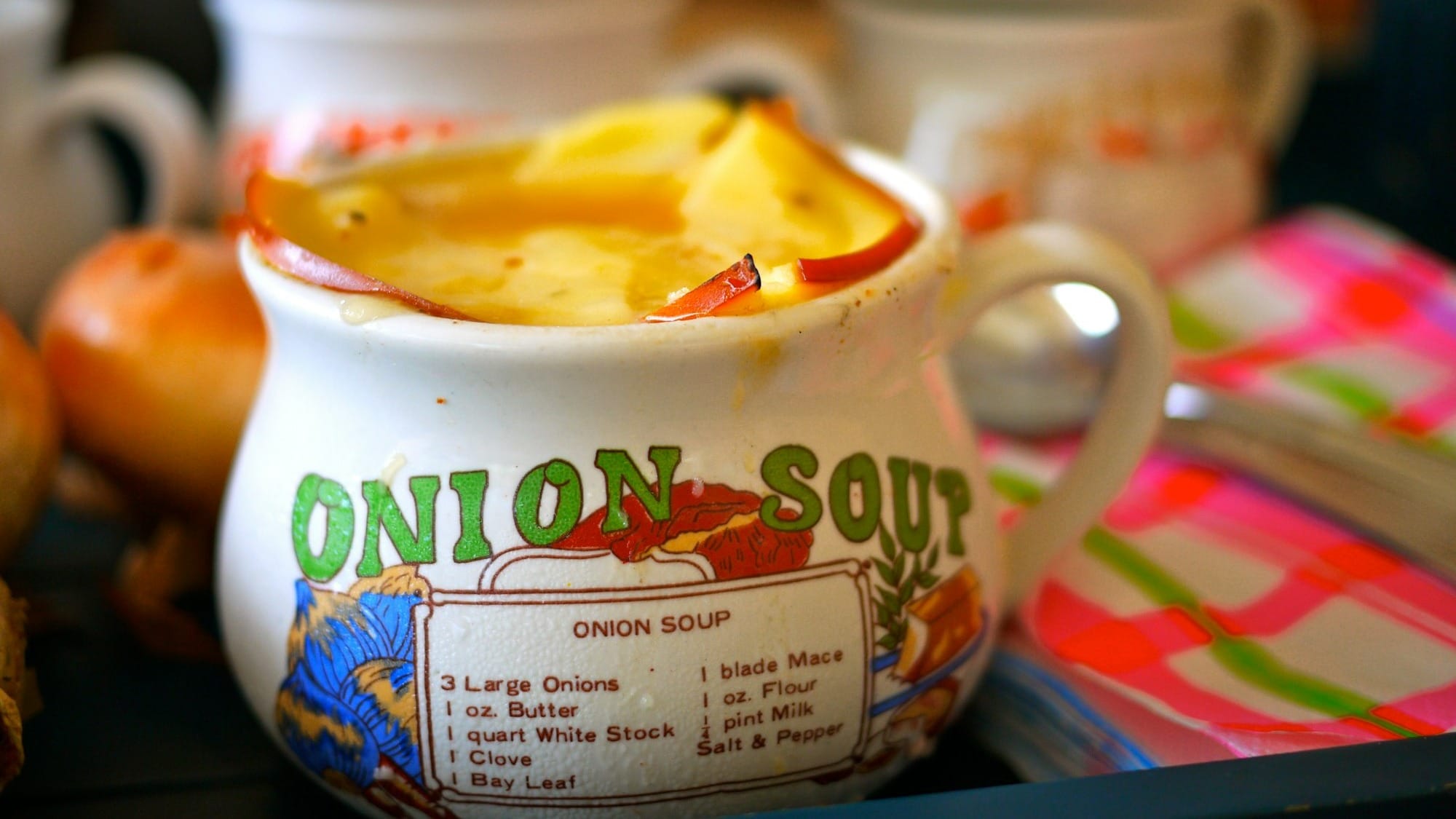
French onion soup
A classic French soup that uses the alliums as the main ingredient rather than an accompaniment or a flavouring.
Ingredients (serves 4-6)
- 6-8 medium to large onions (thinly sliced)
- 4 garlic cloves (minced)
- 3 tbsp extra virgin olive oil
- 1.5 litres vegetable stock
- 2 bay leaves
- 1 tsp thyme
- 2 tbsp red wine vinegar
- Wholegrain bread and cheese for topping (optional)
Directions
- Heat the olive oil in a large pot. Add onions and cook slowly over medium-low heat for 30–40 minutes, stirring occasionally, until deeply caramelised and golden brown.
- The long, slow cooking transforms onions from sharp to sweet, concentrating their beneficial compounds whilst developing incredible flavour.
- Add garlic, cook for another 2–3 minutes. Add stock, bay leaves, thyme, and vinegar.
- Simmer for 20 minutes until the vegetables are soft, and it's thickened.
- Season well. Serve in bowls topped with toasted wholegrain bread and a sprinkle of cheese if desired.
Group 3: Leafy greens
Spinach, kale, Swiss chard, lettuce, watercress, and rocket form this group of vegetables. Regular consumption of leafy greens is strongly associated with better cardiovascular health5.
Leafy greens are particularly rich in dietary nitrates, which your body converts to nitric oxide. This compound helps relax and widen blood vessels, potentially lowering blood pressure. They're also excellent sources of folate, vitamin K, lutein, and chlorophyll — nutrients that support everything from blood clotting to eye health.
The deep colour of dark leafy greens generally indicates a higher concentration of some beneficial compounds6. The darker the leaves, generally, the more nutrient-dense they are. Rocket and watercress add strong peppery flavours, whilst chard and spinach offer milder flavours that work well in lighter flavoured dishes.
Aim for one cup of leafy greens a day. This could be a side salad at lunch, spinach wilted into your eggs at breakfast, or rocket tossed through pasta at dinner. Use them as a seasoning or a base. Fresh, frozen, or even tinned (like spinach) all count — choose whatever makes regular consumption easiest
Garlic sautéed spinach
Ready in five minutes, this is a classic go-to leafy green side dish with alliums.
Ingredients
- 300g (10 cups) fresh spinach (washed)
- 2 garlic cloves (thinly sliced)
- 2 tbsp extra virgin olive oil
- A pinch of nutmeg
- A squeeze of lemon juice
Directions
- Heat olive oil in a large pan over medium heat. Add garlic and cook for 1 minute until fragrant but not browned.
- Add spinach in batches, stirring as it wilts.
- Once all spinach is wilted (about 3-4 minutes), season with nutmeg, salt, pepper, and lemon juice. Serve immediately.
- Frozen spinach works equally well for this recipe. Defrost, squeeze out excess water, then proceed with the garlic step.
Action plan
This week, shop for one vegetable from each group. Try one of the recipes, maybe as a starter, light lunch or as a side dish for dinner. These three groups aren't meant to replace other vegetables — tomatoes, peppers, courgettes, and aubergines all have their place.
Think of cruciferous vegetables, leafy greens, and alliums as your core rotation, with other vegetables adding variety and colour. Most of the vegetables found in these groups are versatile. You can prepare them simply (steamed, sautéed, raw) or incorporate them into more complex dishes (soups, stews, gratins).
Find dishes you genuinely enjoy eating (and enjoy making), so eating these vegetables becomes effortless rather than a chore.
Sources
- Higdon JV et al. Cruciferous vegetables and human cancer risk: epidemiologic evidence and mechanistic basis. Pharmacol Res. 2007 Mar;55(3):224-36. PMID: 17317210
- Wang Z et al. Effects of cooking methods on total isothiocyanate yield from cruciferous vegetables. Food Sci Nutr. 2020 Sep 9;8(10):5673-5682. PMID: 33133569
- Nicastro HL et al. Garlic and onions: their cancer prevention properties. Cancer Prev Res (Phila). 2015 Mar;8(3):181-9. PMID: 25586902
- Ried K. Garlic lowers blood pressure in hypertensive subjects, improves arterial stiffness and gut microbiota: A review and meta-analysis. Exp Ther Med. 2020 Feb;19(2):1472-1478. PMID: 32010325
- Pollock RL. The effect of green leafy and cruciferous vegetable intake on the incidence of cardiovascular disease: A meta-analysis. JRSM Cardiovasc Dis. 2016 Aug 1;5:2048004016661435. PMID: 27540481
- Shi M et al. Phytochemicals, Nutrition, Metabolism, Bioavailability, and Health Benefits in Lettuce-A Comprehensive Review. Antioxidants (Basel). 2022 Jun 13;11(6):1158. PMID: 35740055