DASH Diet: A Review
A clinically developed eating plan with some of the strongest evidence for blood pressure and heart health.

- The diet was developed to combat hypertension through specific nutrient goals and restricting sodium to under 2.3g a day.
- People who follow the diet can meaningfully and safely reduce their blood pressure, cardiovascular disease and diabetes risk.
- Real-world adherence is a challenge as cost, cooking requirements, and food culture limit sustained uptake of the diet.
The ‘DASH’ diet (short for ‘Dietary Approaches to Stop Hypertension’) was developed by the National Institutes of Health in the 1990s to prevent and treat hypertension (i.e., high blood pressure). Following positive results from high-quality studies, the diet has been used to improve cardiovascular health and for weight loss.
The diet is based on eating fruits, vegetables, whole grains, low-fat dairy products, nuts, and legumes, while limiting saturated fat, cholesterol, sodium, red meat, and added sugar. The DASH diet recommends 4–5 servings of fruits and vegetables daily, 6–8 servings of whole grains, 2–3 servings of low-fat dairy, and moderate amounts of lean meat, fish, nuts, and seeds. The restriction of sodium to 1.5-2.3 grams a day is a key part of the diet.
The diet's macronutrient content is moderate protein, relatively low fat (particularly saturated fat), and higher intake of ‘complex’ carbohydrates from whole foods. The diet aims to provide high levels of key micronutrients, which work together to support healthy blood pressure and reduce inflammation (e.g., potassium, magnesium, calcium, and fibre).
Example foods and dishes
- Breakfast: Low-fat yoghurt with granola, blueberries, & banana or Whole wheat toast with peanut butter & an orange
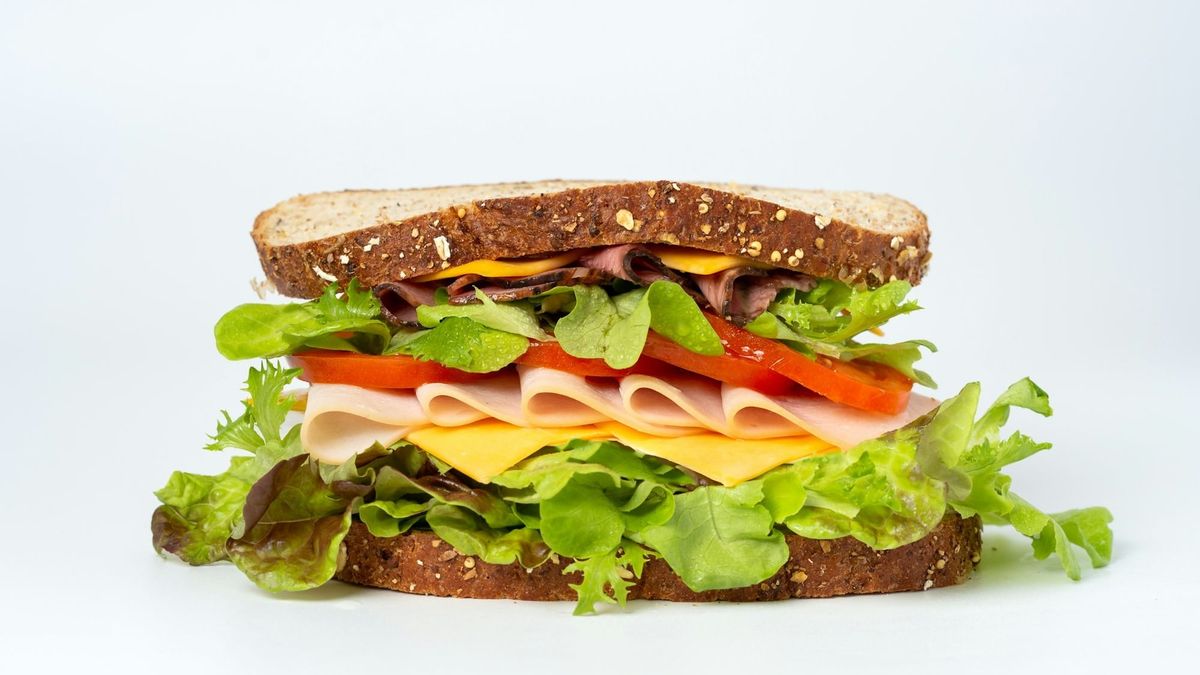
- Lunch: Turkey sandwich on whole-grain bread with lettuce, tomato, and mustard or Quinoa bowl with grilled chicken, mixed veg, & low-sodium dressing
- Snack: Apple slices with almond butter or Low-fat cottage cheese with cucumber slices
- Dinner: Baked chicken breast, brown rice, steamed broccoli, & salad leaves or Baked cod with roasted sweet potato & green beans
- Dessert: Fresh berries with low-fat Greek yoghurt
- Drinks: Herbal tea, skim milk
Pros
Several high-quality studies have shown that the DASH diet improves cardiovascular and metabolic health. It reduces the risk of heart failure and type 2 diabetes. It lowers blood pressure, blood sugar levels, and improves blood lipid profiles. Emerging studies also suggest other health benefits, like improved liver health for those with liver disease and potential improvements in migraines and mental health.
The diet is nutrient-rich, high in fibre, potassium, calcium, magnesium, and antioxidants (from plants and low-fat dairy). Studies have shown that people who follow the diet meaningfully increase their intake of the key nutrients with a low risk of any deficiencies. The diet has been shown to help with sustainable weight loss and fat loss, alongside other health benefits.
Cons
Although the diet has proven health benefits, how well and how long people are able to follow the diet is a concern. Food costs, personal preferences, and social eating are problems for some people. Translating recommendations into sustainable real-world (‘tried and tested’) dietary practice proves difficult for many diets, including the DASH diet.
Recommended foods, particularly fresh produce, lean proteins, and low-fat dairy products, can be expensive, and the diet may also require planning, preparation skills, and cooking time, which can be a problem for some people.
Some groups of people have cultural traditions or preferences for high-sodium (salty) foods. The emphasis on low-fat dairy and whole grains may not suit everyone. This also means the diet may not be suitable for people with lactose intolerance or some kidney issues.
Bottom Line
The DASH diet represents one of the best-supported diets available, with strong evidence for improving cardiovascular health, metabolic health, and lowering overall disease risk. The primary issues with the diet are the lack of long-term real-world adherence rates, but this doesn’t mean that it isn’t viable either.
Real-world adherence to the diet depends heavily on education, outside support, affordability, and cultural fit. But for those able to maintain it, the DASH diet offers a comprehensive guide to good nutrition and long-term health. The DASH diet is suitable for nearly all types of people, especially people with cardiometabolic health issues, and it poses minimal health risks.
Overall Score: ★★★★★
- Health Benefits: ★★★★★
- Nutrition: ★★★★★
- Weight Control: ★★★★☆
- Ease to Follow: ★★★☆☆
- Safety Profile: ★★★★★
- Scoring System
Sources
Chiavaroli L et al. DASH Dietary Pattern and Cardiometabolic Outcomes: An Umbrella Review of Systematic Reviews and Meta-Analyses. Nutrients. 2019 Feb 5;11(2):338. PMID: 30764511
Daley SF, Vadakekut ES. The DASH Diet: A Guide to Managing Hypertension Through Nutrition. [Updated 2025 Dec 1]. In: StatPearls [Internet]. Treasure Island (FL): StatPearls Publishing; 2026 Jan-. Available from: https://www.ncbi.nlm.nih.gov/books/NBK482514/
Mellen PB et al. Deteriorating dietary habits among adults with hypertension: DASH dietary accordance, NHANES 1988-1994 and 1999-2004. Arch Intern Med. 2008 Feb 11;168(3):308-14. PMID: 18268173
Razavi Zade M et al. The effects of DASH diet on weight loss and metabolic status in adults with non-alcoholic fatty liver disease: a randomized clinical trial. Liver Int. 2016 Apr;36(4):563-71. PMID: 26503843
Salehi-Abargouei A et al. Effects of Dietary Approaches to Stop Hypertension (DASH)-style diet on fatal or nonfatal cardiovascular diseases--incidence: a systematic review and meta-analysis on observational prospective studies. Nutrition. 2013 Apr;29(4):611-8. PMID: 23466047
Steinberg D et al. The DASH Diet, 20 Years Later. JAMA. 2017 Apr 18;317(15):1529-1530. PMID: 28278326