How Sleep Affects Your Brain & Mental Health

Is Exercise Good for Depression?

Does Exercise Help Anxiety?

How Fasting Affects Your Brain, Cognition & Mental Health
It's your emotional, psychological, and social well-being. It shapes how you process experiences, manage stress, maintain relationships, and make decisions. Good mental health is not a luxury; it is foundational to overall health.
While both have similar physical symptoms (like a racing heart or disrupted sleep), stress is usually caused by an "external" cause (e.g., a deadline, a difficult conversation, or financial pressure) and tends to go away when that stressor is removed. Whereas anxiety is characterised by persistent worry or fear that may continue even when there is no immediate threat.
Yes — there is good evidence that lifestyle factors meaningfully affect mental health. Regular physical activity, adequate sleep, a nutritious diet, reduced alcohol consumption, time in nature, social connection, and practices such as mindfulness have all been shown to support psychological well-being.
If you are experiencing persistent low mood, anxiety, or distress lasting more than a couple of weeks, if your symptoms are affecting your work, relationships, or daily functioning, or if you are having thoughts of harming yourself. You do not need to be in a crisis to see a doctor. Seeking help early generally leads to better outcomes.
Poor physical health, such as pain, cardiovascular disease, and hormonal imbalances, can significantly affect mental health. Equally, poor mental health is associated with worse physical health outcomes. Treating them in isolation is rarely the most effective approach.
RELATED TOPICS
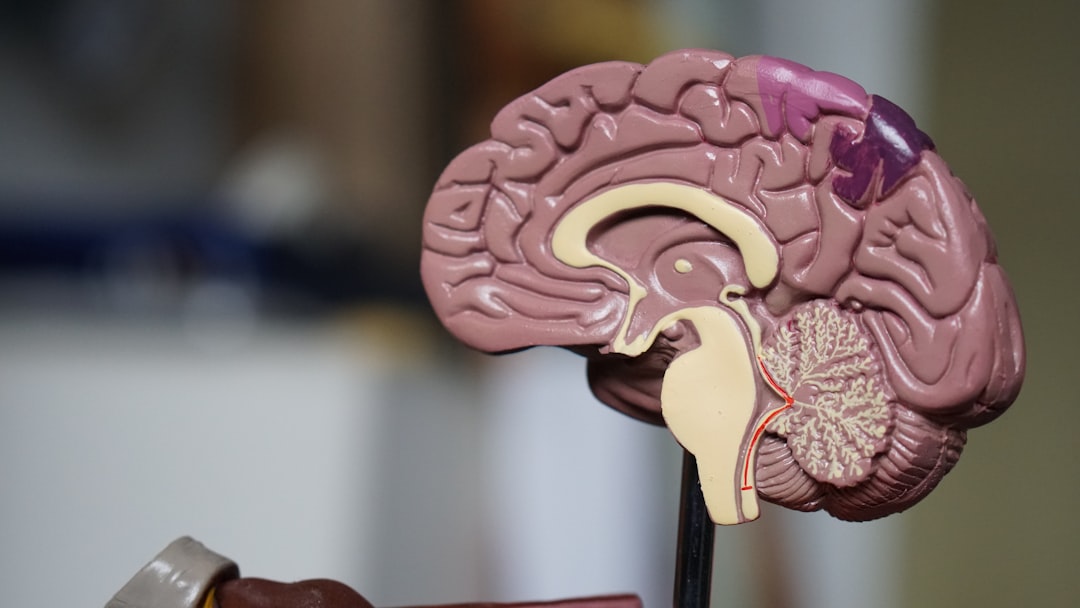
Brain Health
Your brain is behind everything — how you think, remember, focus, and feel. It's also more responsive to lifestyle than most people realise.
Explore our evidence-based guides, articles, and resources on protecting and improving your brain health.

Sleep Better
You can't out-train, out-eat, or out-supplement poor sleep. It's the foundation on which everything else is built — your heart, brain, hormones, immunity, and metabolism all depend on it.
Explore our evidence-based guides, articles, and resources on why sleep matters and how to get more of it.
Our Editorial Approach
Alphabet Guides publishes practical evidence-based content using trustworthy, peer-reviewed research: information you can actually use. Learn more About Us and our Editorial Standards.