Heart Health
Heart disease remains one of the leading causes of death, yet many of the risks can be reduced through lifestyle changes. Get evidence-based content on cardiovascular health — covering nutrition, exercise, bodyweight, blood pressure, cholesterol, and the lifestyle habits that support a healthy heart and cardiovascular system.
Does Intermittent Fasting Lower Blood Pressure & Cholesterol

How Sleep Affects Your Cardiovascular Health

What is VO2max & How to Improve It
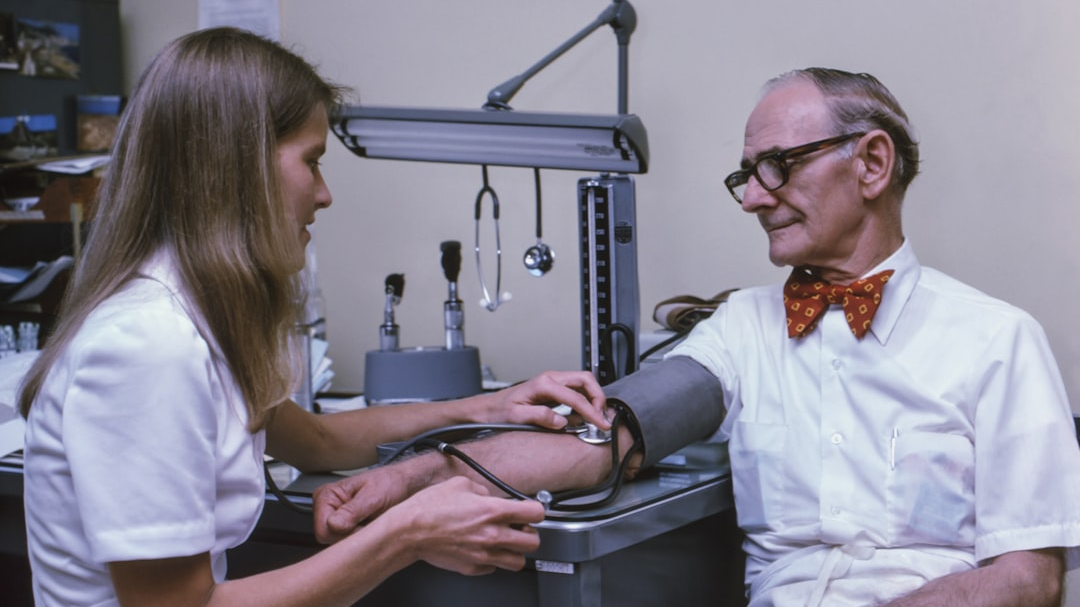
Does Exercise Lower Blood Pressure?
HEART HEALTH DIETS

Mediterranean Diet: A Review ★★★★★
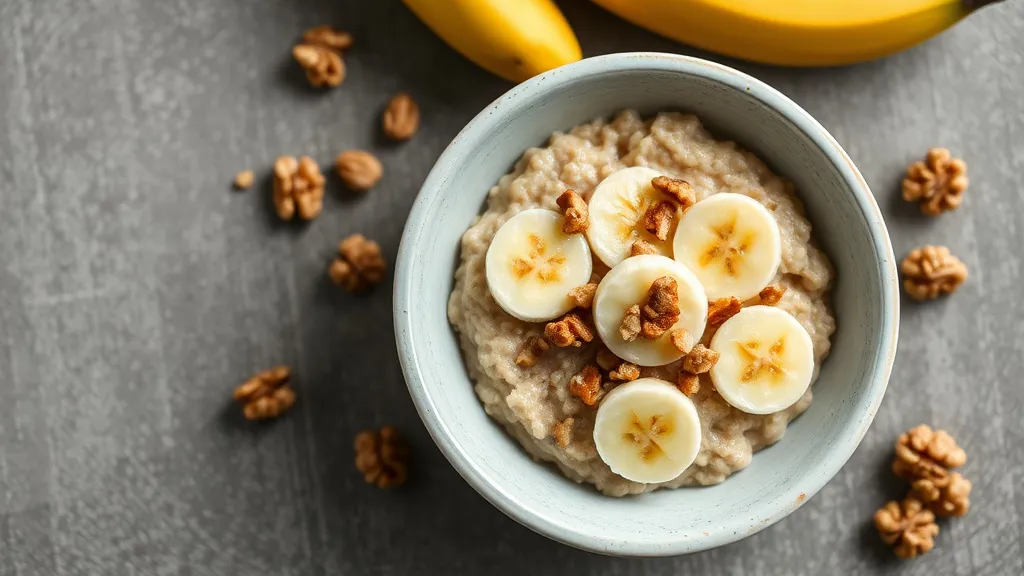
TLC Diet: A Review ★★★★☆

Low-Fat Diets: A Review ★★★☆☆
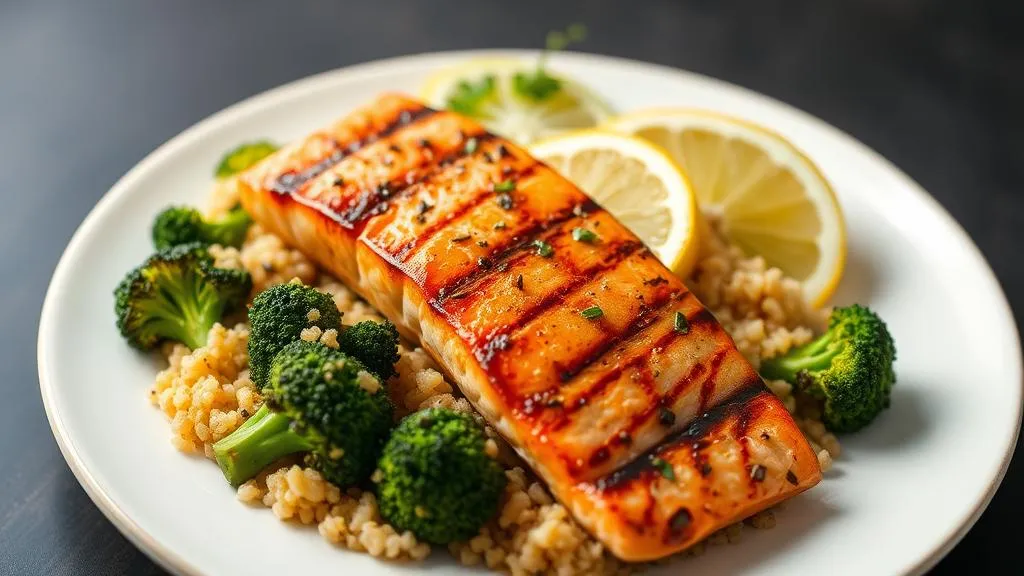
DASH Diet: A Review ★★★★★
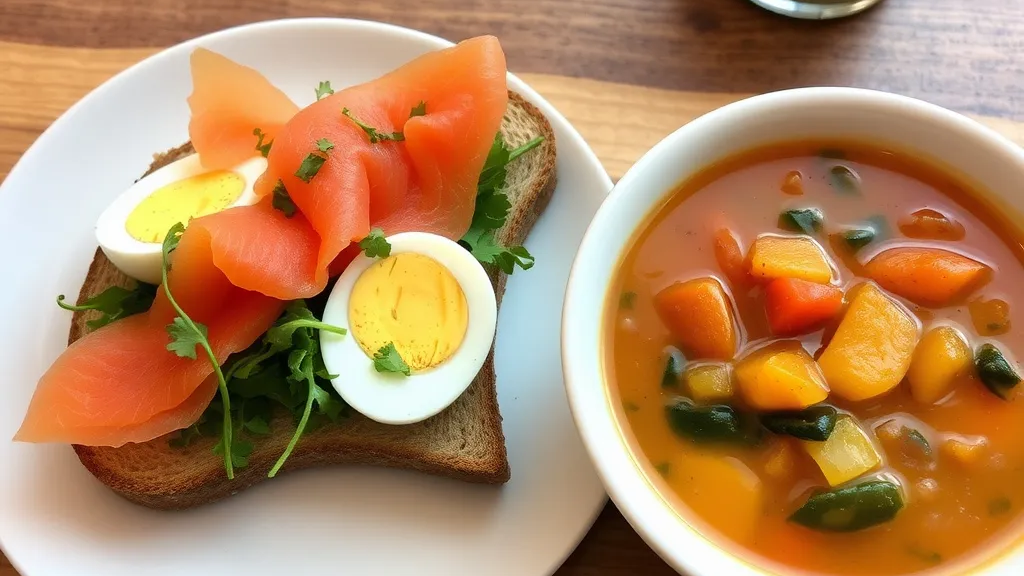
Nordic Diet: A Review ★★★★☆
Not smoking, maintaining a healthy weight, engaging in regular exercise, eating a diet rich in vegetables, wholegrains, and healthy fats, limiting saturated fat and excess salt, moderating alcohol intake, managing stress, and getting good sleep. They all matter.
Get plenty of vegetables, fruit, legumes, wholegrains, oily fish, nuts, and olive oil. These foods support healthy blood pressure, help control inflammation, and improve lipid profiles. Ultra-processed foods, foods high in saturated fat, and those with high sodium content should be kept to a minimum.
Having large amounts of "bad" LDL (low-density lipoprotein) cholesterol is associated with a greater risk of plaque build-up in the arteries. Whereas, "good" HDL (high-density lipoprotein) helps carry cholesterol away from the arteries. However, triglycerides, the LDL-to-HDL ratio, and other markers are more informative than any single marker.
Guidelines recommend 2-3 hours of moderate intensity aerobic exercise a week (like brisk walking, cycling, or swimming). Strength training on two or more days per week also supports cardiovascular health. Stay active, break up periods of sitting with light movement work, as does vigorous intensity exercise. However, consistency is more important than intensity.
Persistent chest discomfort or tightness, unexplained breathlessness, palpitations, dizziness, swelling in the legs or ankles, and fatigue. You're best seeking professional medical advice, as these symptoms may be caused by something else. Periodically checking in on your blood pressure, cholesterol, lipids and blood sugar can be valuable even if you feel well.
RELATED TOPICS

Fitness
Exercise is planned, structured physical activity performed to improve your health, fitness, and the way you move.
Read our resources on weightlifting, endurance training, how to move properly, how to get lean, build muscle and how your physiology responds to exercise.
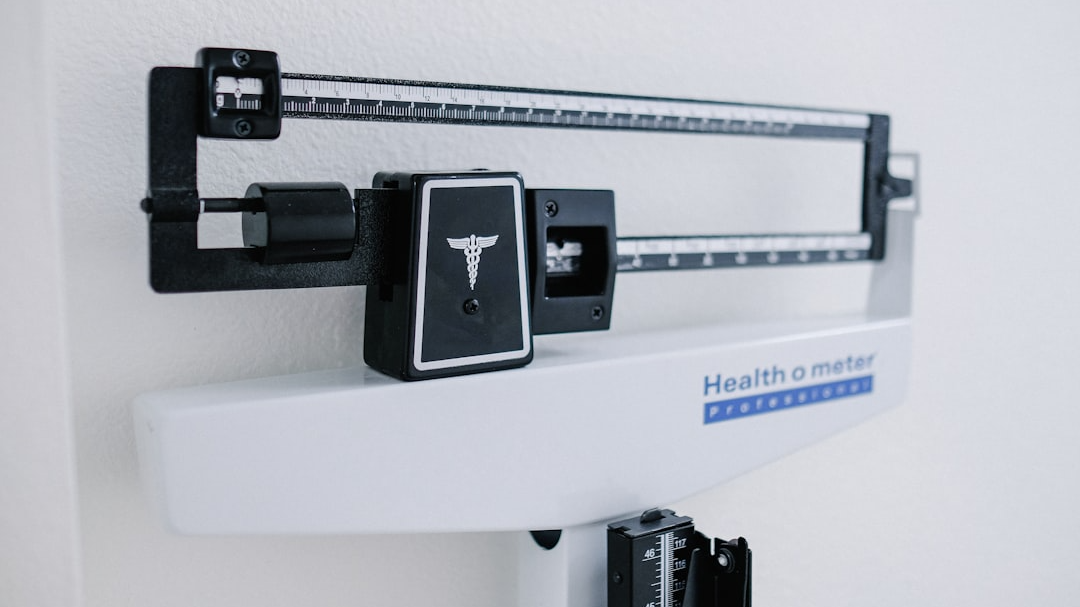
Weight Loss
Read about sustainable evidence-based ways to lose weight, lose fat and improve your body composition.
Look at the science and drivers behind weight loss, and the individual responses to different approaches, with a focus on sustainable, long-lasting results.
Our Editorial Approach
Alphabet Guides publishes practical evidence-based content using trustworthy, peer-reviewed research: information you can actually use. Learn more About Us and our Editorial Standards.