Exercise
Exercise is planned, structured physical activity that's done to improve your health, fitness, and the way you move. Topics include weightlifting, endurance training, how to get lean, and build muscle. We aim to explain not just what to do, but also why it works. So, whether you're just starting exercise, returning after time off, or looking to improve your health, we have content for you.
HOW TO GET STRONG
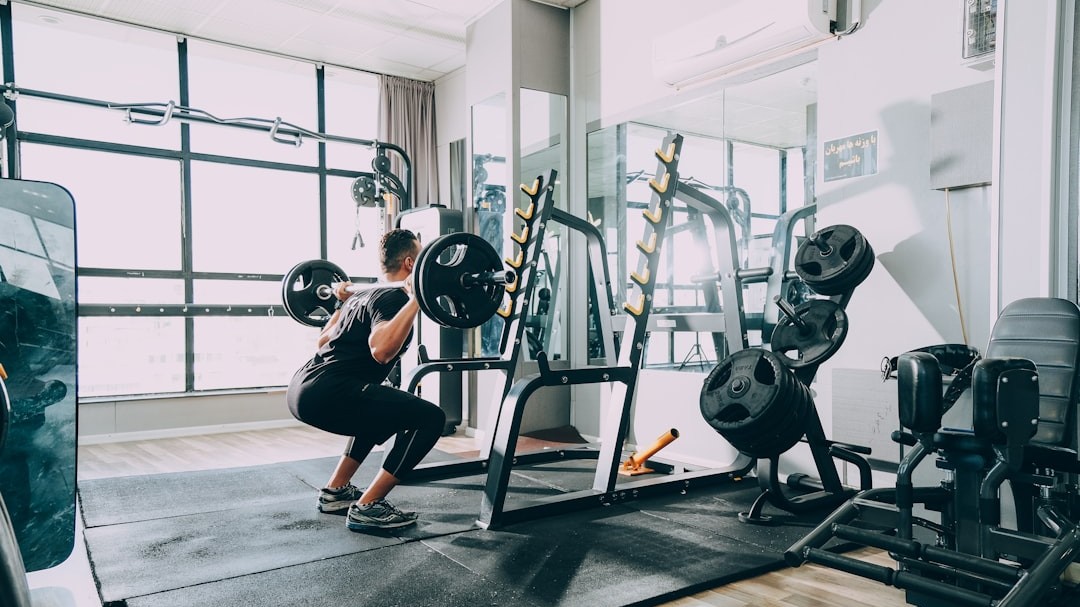
Resistance Training for Beginners
A no-nonsense introduction to how resistance training works, backed by decades of exercise science research.
Programming, recovery, nutrition, sleep, physiology: all the fundamentals covered. Get one email a day for the next 5-days for FREE. Straight to your inbox.
What Is a Deload — And Do You Need One?
How to Deload: 10 Things You Should & Shouldn’t Do

Building Muscle: The Basics for Beginners
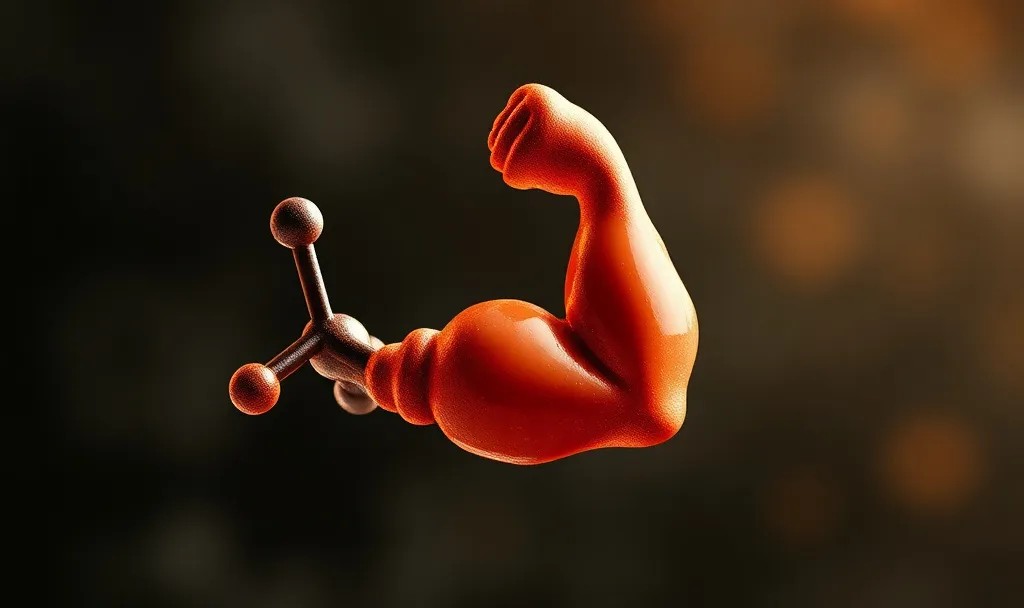
Does Testosterone Build Muscle?
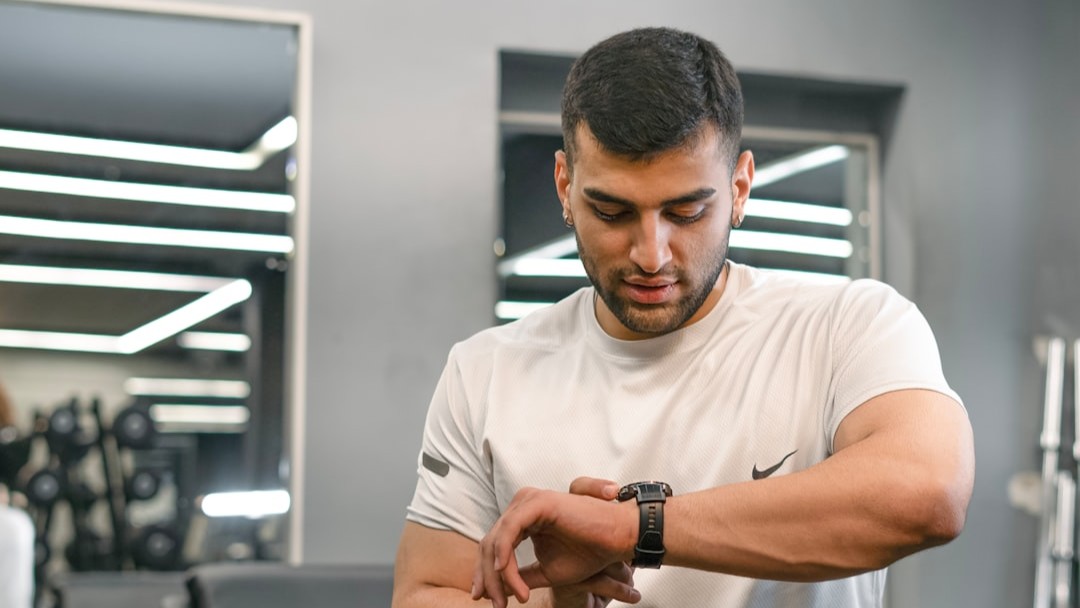
Cut Your Workout Time Without Sacrificing Gains
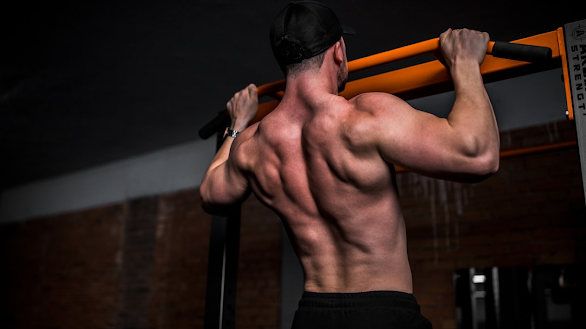
The 3 Key Principles of Muscle Growth
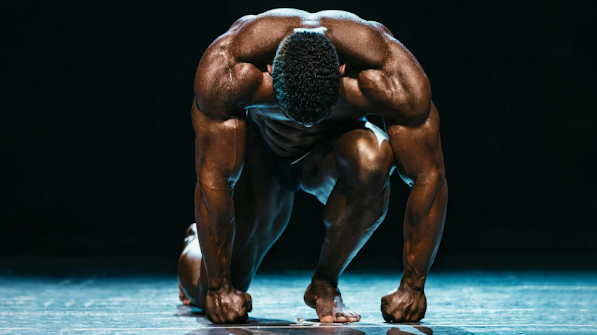
Minimalist Training for Muscle Growth
The best exercises are those you'll do consistently — there's no single "best" exercise for everyone. Research supports combining resistance training (for muscle and bone health), cardiovascular exercise (for heart and metabolic health), with the amount depending on your fitness levels, personal preferences, and training goals.
No exercise specifically targets belly fat — although there's some evidence abdominal exercises may be effective. A combination of regular cardiovascular exercise, resistance training, and maintaining a caloric deficit through diet is the most effective way to lose body fat.
Include 2-3 resistance training sessions per week targeting all major muscle groups, plus 75-150 minutes of moderate to vigorous cardio a week. Define your goals (e.g., strength, endurance, fat loss), assess your current fitness level, schedule sessions you can realistically maintain, and progressively increase intensity or volume over time.
Walking is often considered the best everyday exercise because it's low-impact, accessible to most people, requires no equipment, and provides cardiovascular benefits when done briskly for 20-40 minutes.
Seniors benefit most from a combination of resistance training (to preserve muscle mass and bone density), balance exercises (to prevent falls), and low-impact cardiovascular activities like walking or swimming.
HOW TO GET FIT
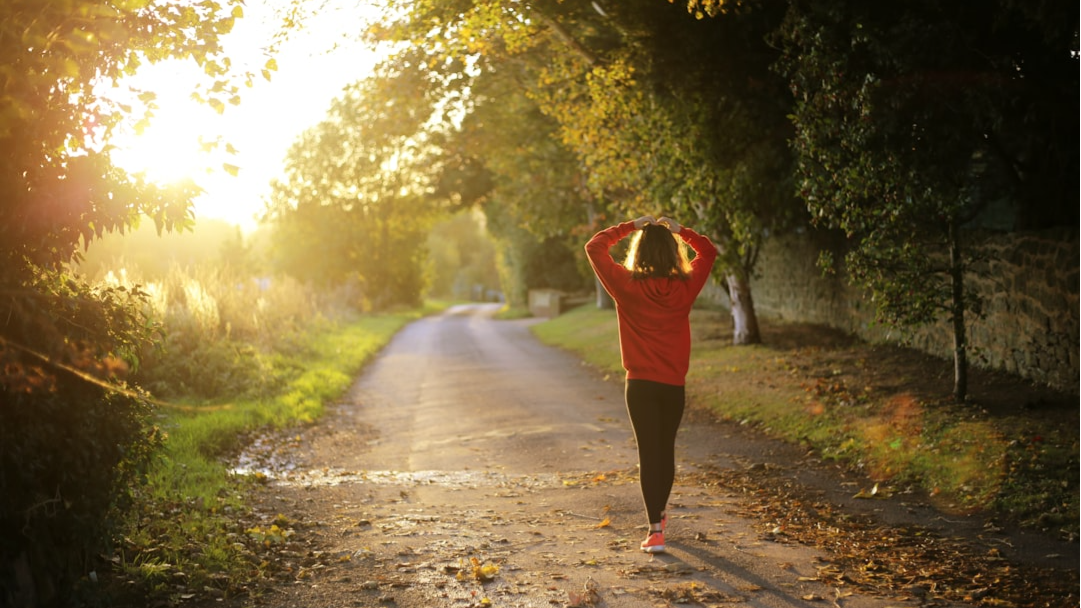
Why Walking is Better Than Running
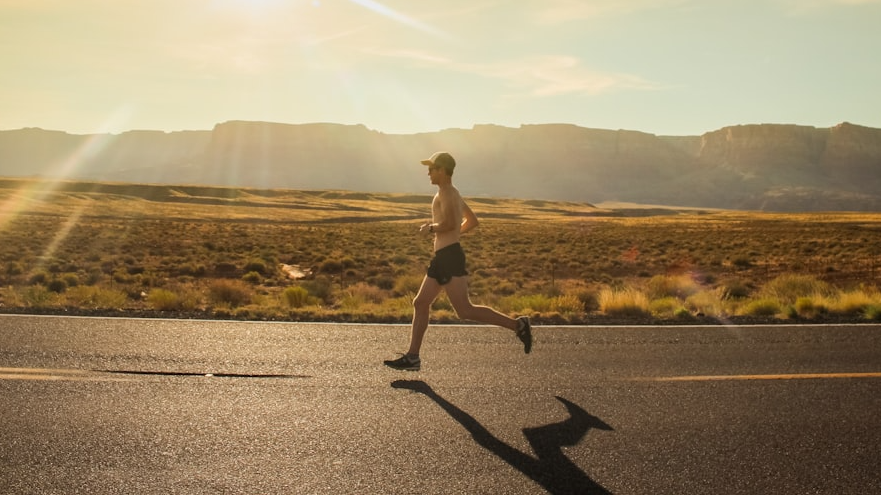
Why Running is Better Than Walking
What Are Training Zones? How to Calculate & Use Them
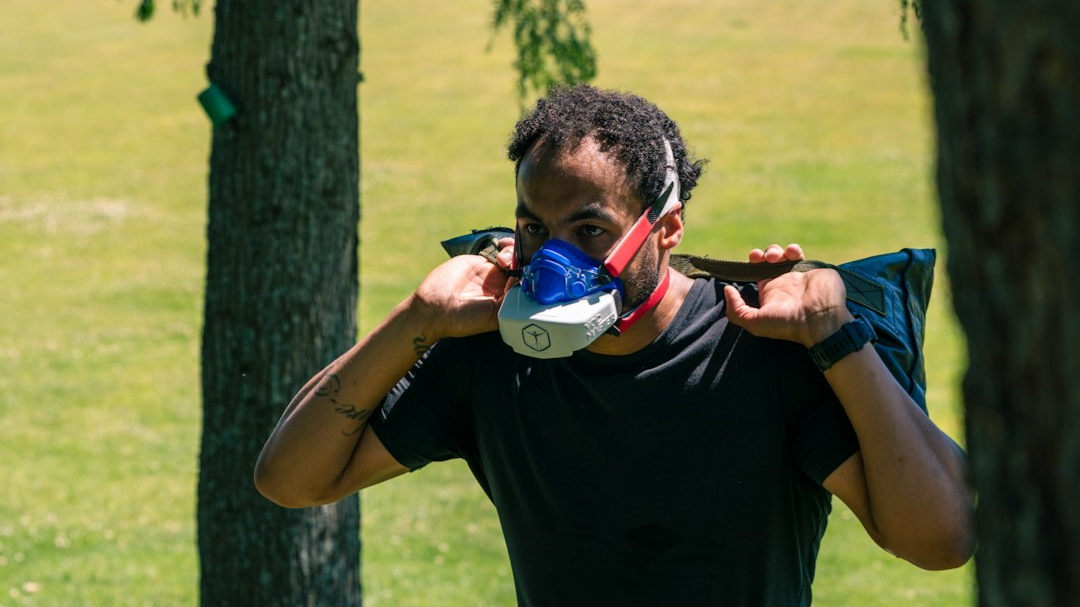
What is VO2max & How to Improve It
HOW TO GET LEAN
3 Underrated Ways to Lose Fat
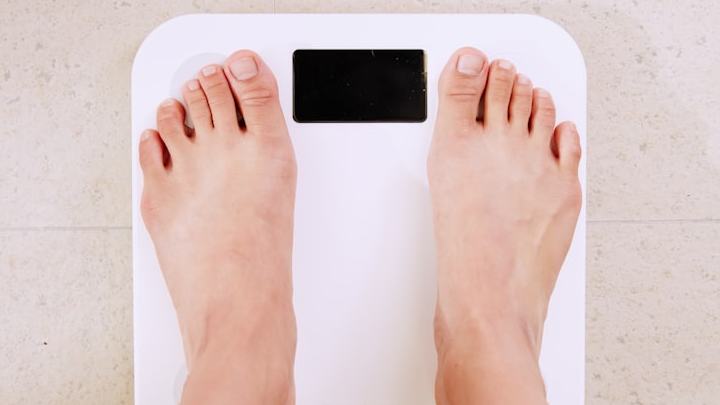
Other Ways to Measure Weight Loss Besides the Scales

How to Rest for Body Recomposition
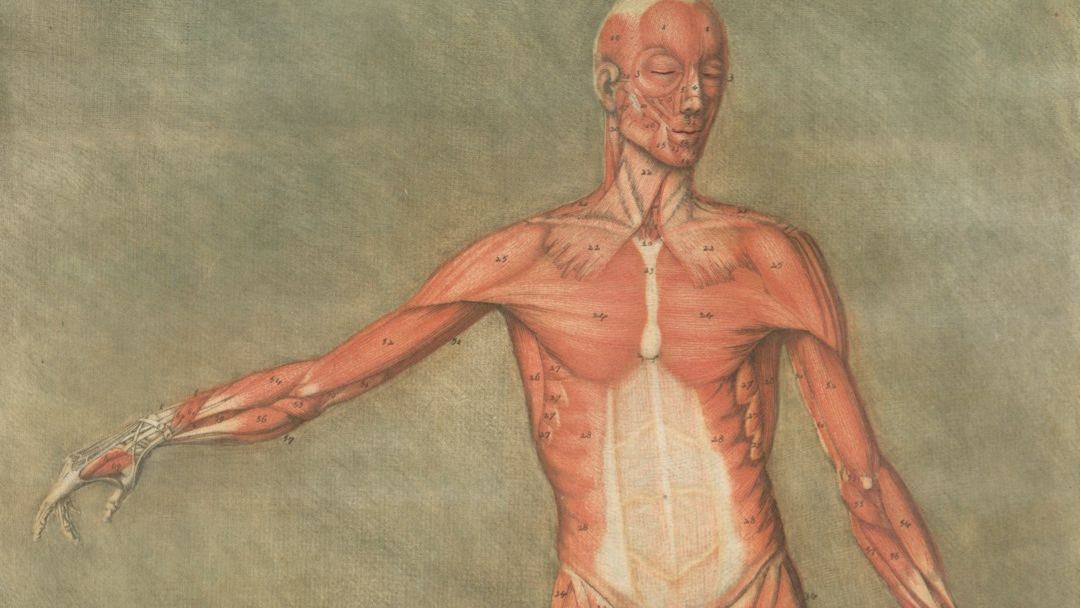
How to Lose Fat and Gain Muscle at the Same Time
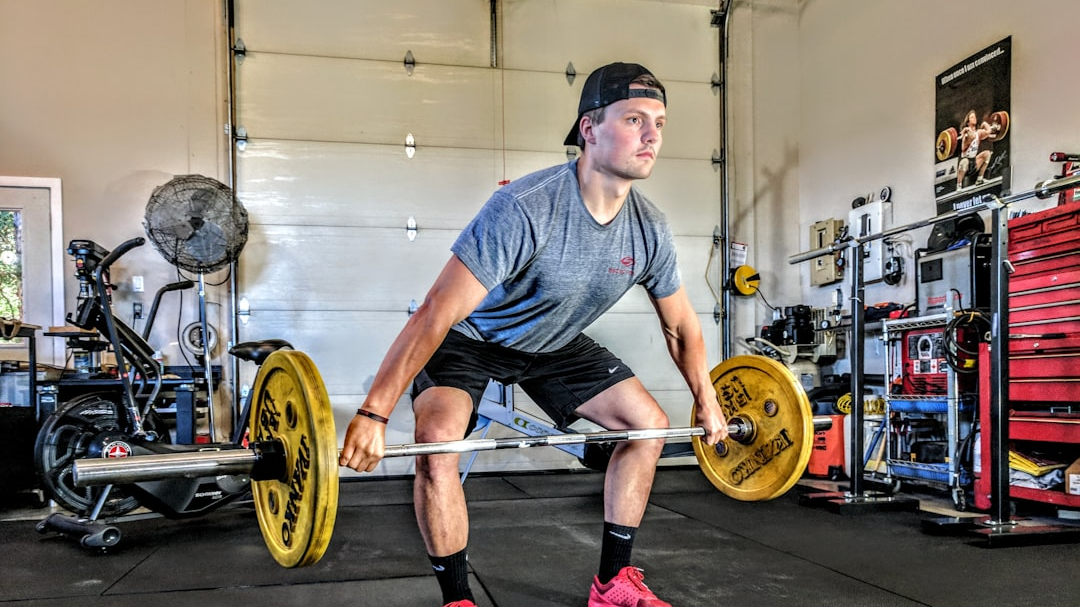
Body Recomposition Workout Guide
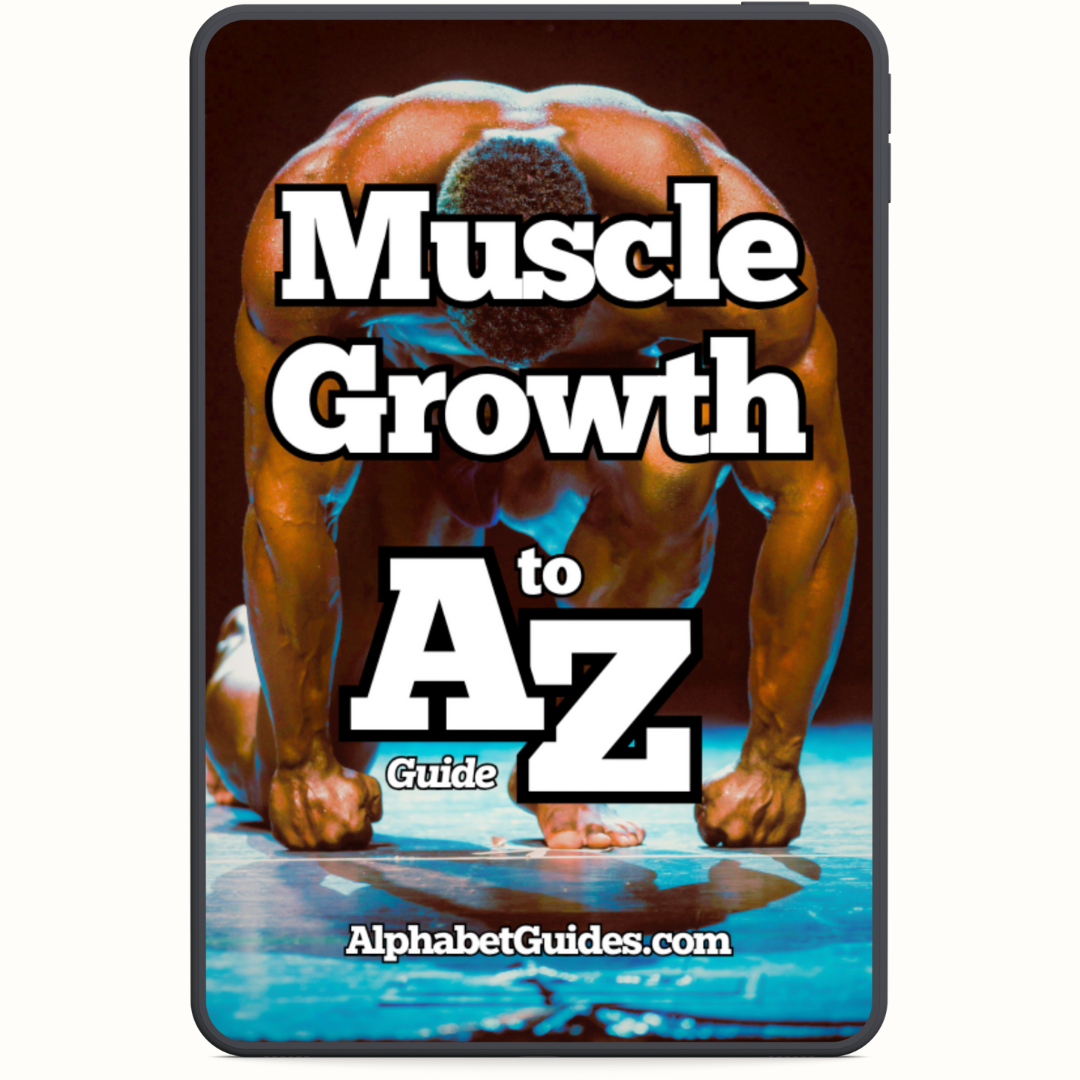
Muscle Growth Guide
The Muscle Growth Guide translates the science into actionable advice for building muscle: training, recovery, and nutrition.
$6.99
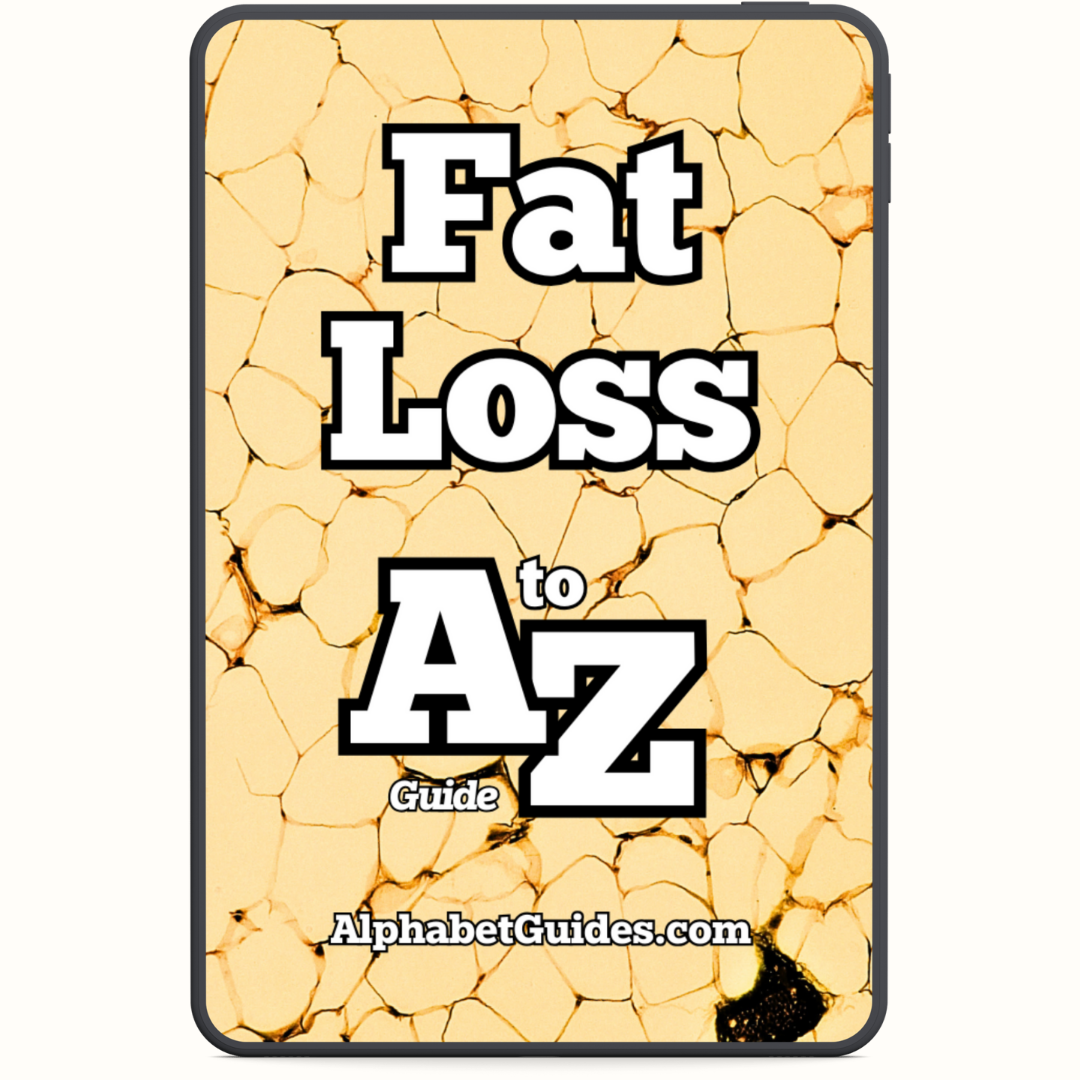
Fat Loss Guide
The Fat Loss A to Z Guide contains 26 concise chapters with clear, actionable advice for sustainable fat loss. It covers nutrition, training, metabolism, lifestyle, and mindset.
$6.99
HOW TO GET HEALTHY

Does Exercise Help Anxiety?
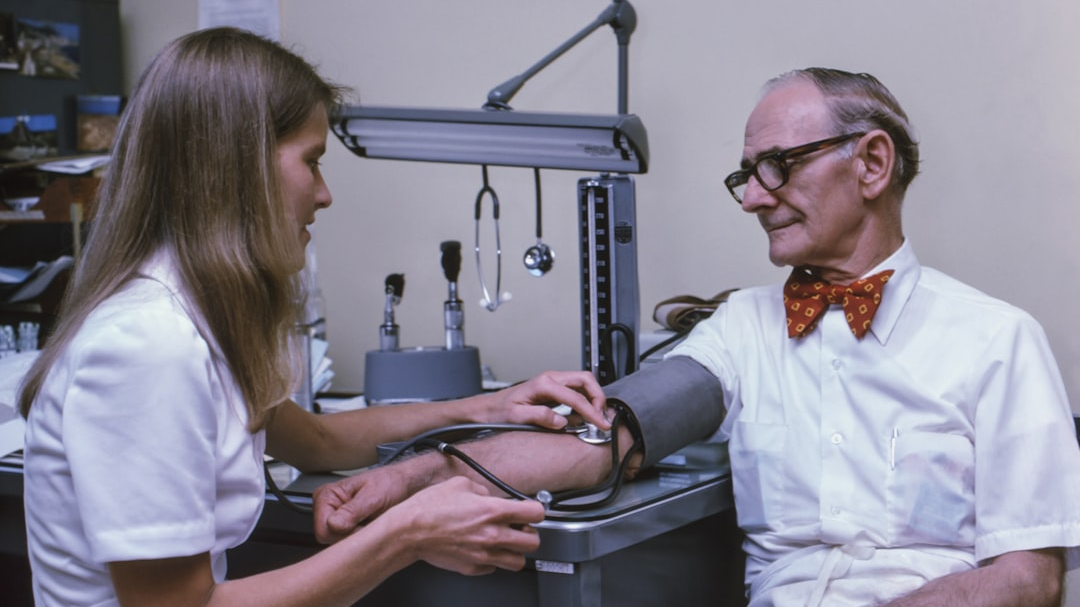
Does Exercise Lower Blood Pressure?
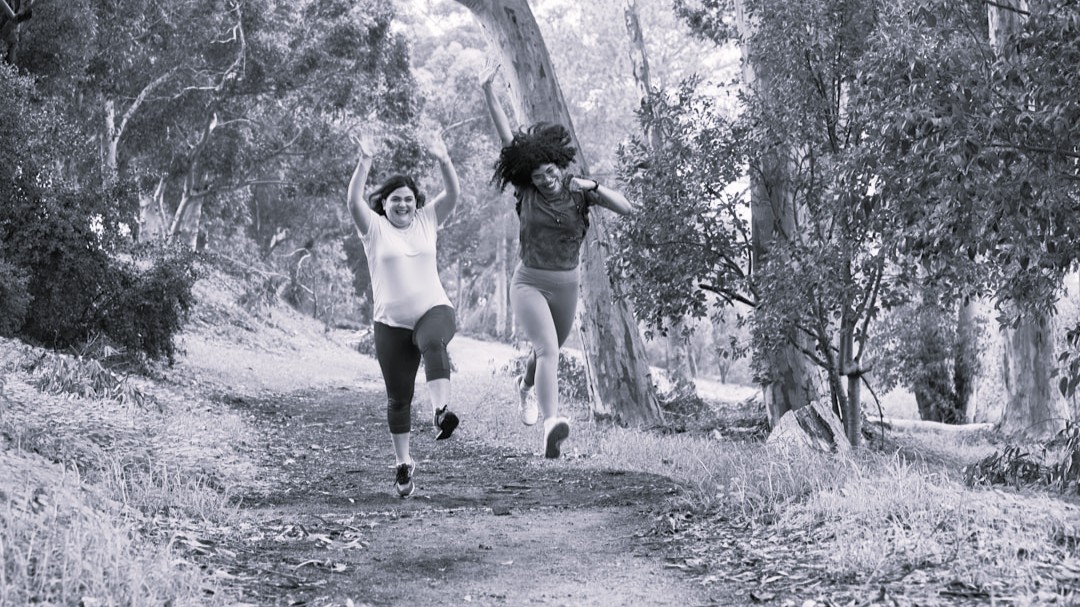
Is Exercise Good for Depression?
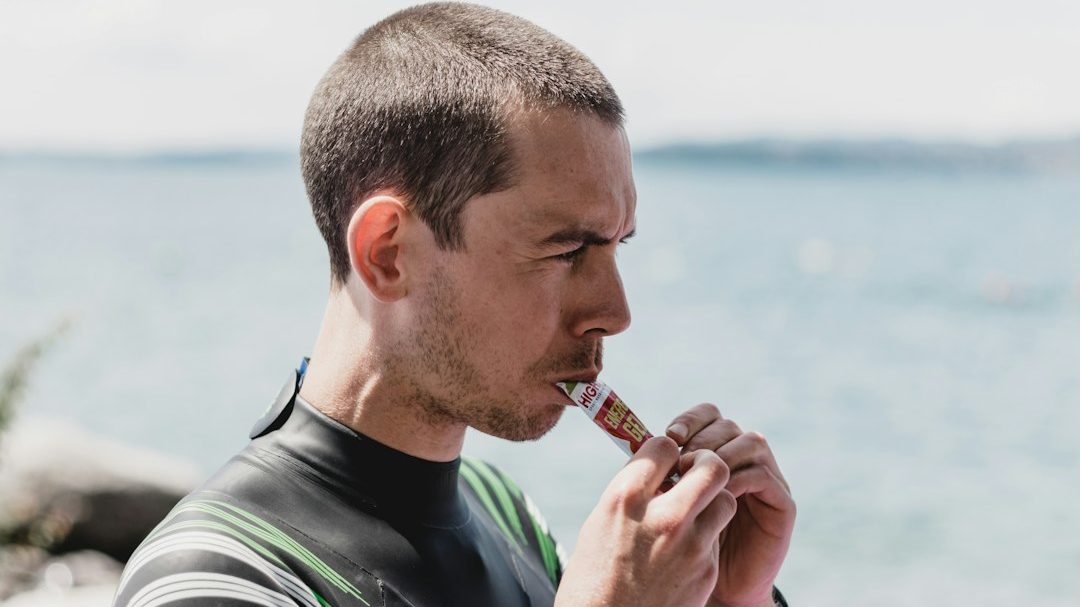
Should You Exercise While Fasting?
Our Editorial Approach
Alphabet Guides publishes practical evidence-based content using trustworthy, peer-reviewed research: information you can actually use. Learn more About Us and our Editorial Standards.