Bodyweight
Body weight and body composition are shaped by your biology, behaviour, environment, and lifestyle. This page focuses on sustainable evidence-based ways to lose weight, lose fat and improve your body composition. We really look at the science and the drivers behind it. One that considers individual responses and focuses on long-term health rather than short-term gains.
BODY COMPOSITION
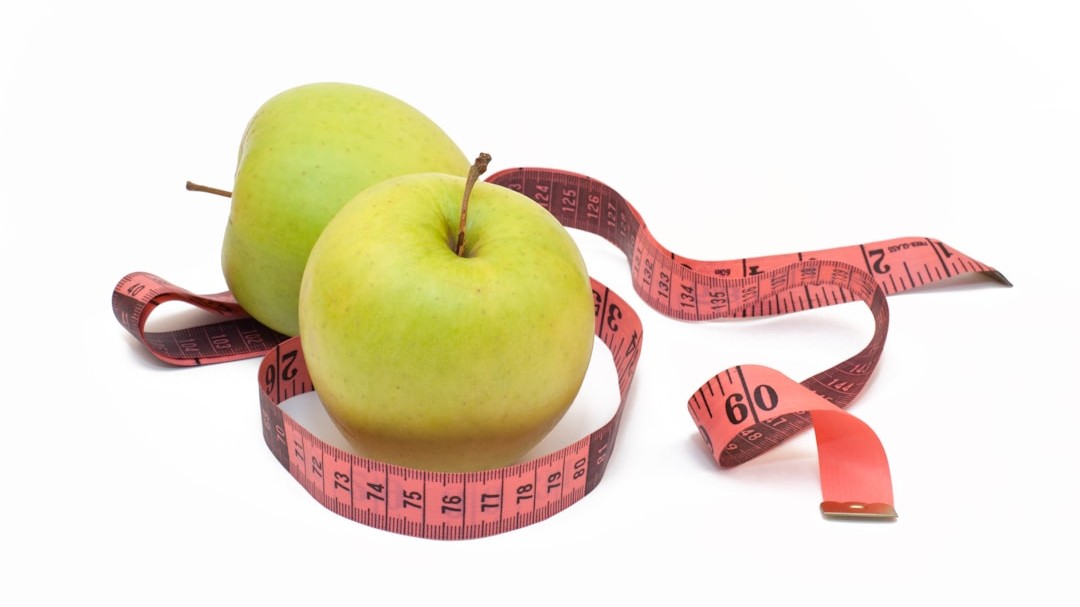
Lose Fat & Gain Muscle
An evidence-based approach to body recomposition: training, nutrition, recovery, rest and measuring it.
Sign up for this FREE course and learn how to lose fat and gain muscle at the same time. You'll get 1 email every day for 5 days.

Body Recomposition Workout Guide
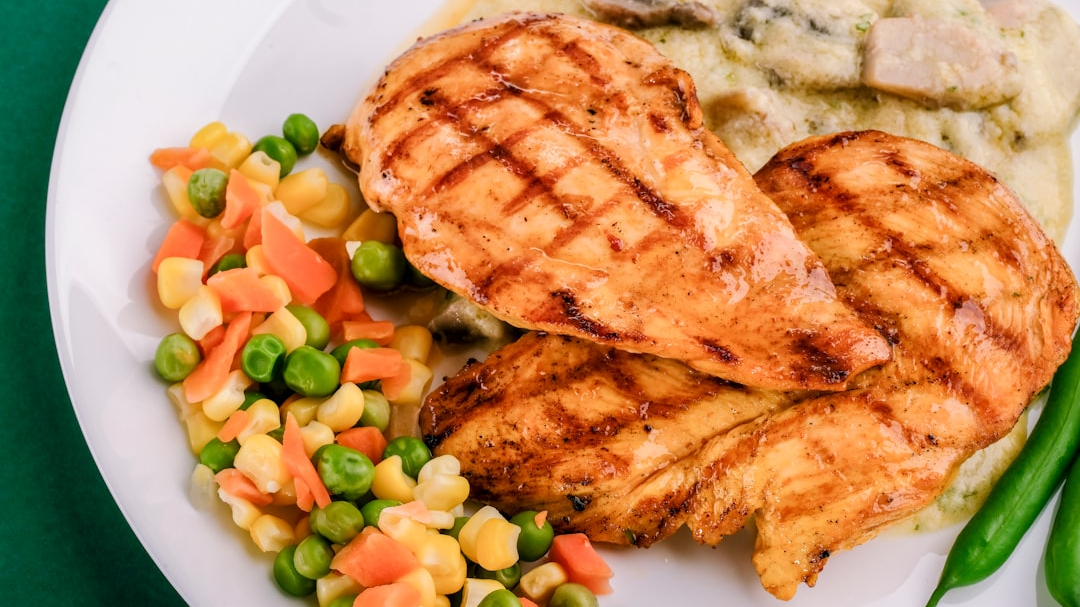
Body Recomposition Diet: What to Eat
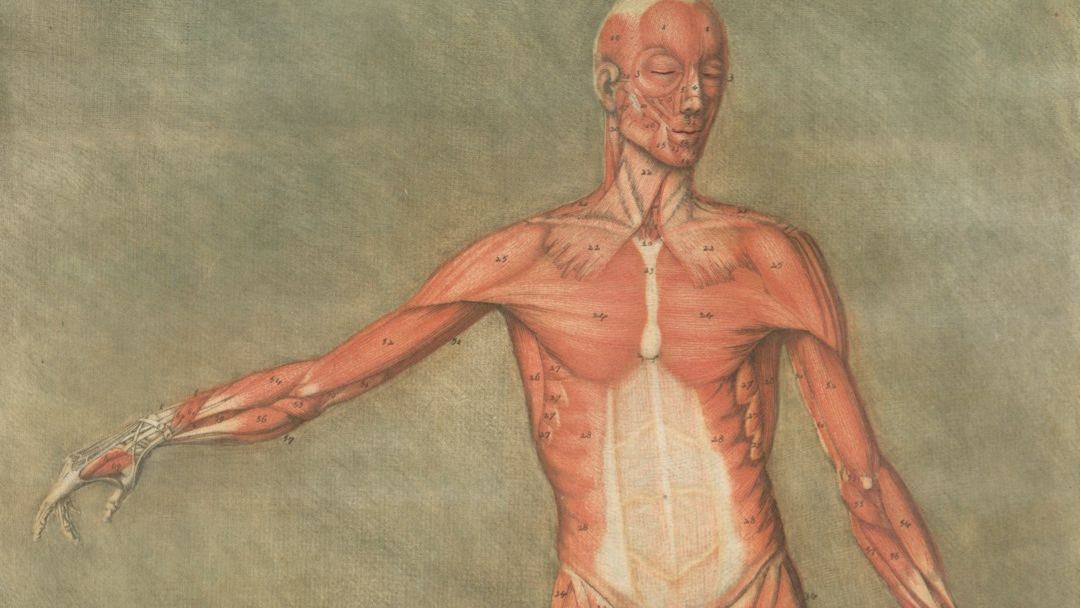
How to Lose Fat and Gain Muscle at the Same Time

How to Rest for Body Recomposition
Avoid ultra-processed junk foods high in added sugars and refined carbohydrates (candy, pastries, sugary drinks, chips), which provide excess calories with minimal satiety or nutrition.
There's no healthy way to lose belly fat "quickly" — sustainable fat loss (which includes belly fat) occurs at 0.5-1 lb per week through a moderate caloric deficit, exercise and healthy lifestyle habits. There's no really effective way to target belly fat.
A healthy bodyweight is one that minimises your disease risk, supports physical function, and is sustainable through balanced eating and activity. BMI, body composition, waist circumference, metabolic health markers, and functional fitness are often better indicators of health than the number on the scale.
Healthy weight loss indicators include losing 0.5-1% of body weight per week, maintaining energy levels and workout performance, experiencing improved sleep and mood, and losing inches while preserving or building muscle mass.
No beverage specifically burns belly fat, but water is the best choice for supporting fat loss. Green tea and black coffee do have some fat burning properties, but the primary drinking strategy for fat loss is avoiding liquid calories from sugary beverages, excessive alcohol, and calorie-dense drinks.
WEIGHT LOSS & FAT LOSS
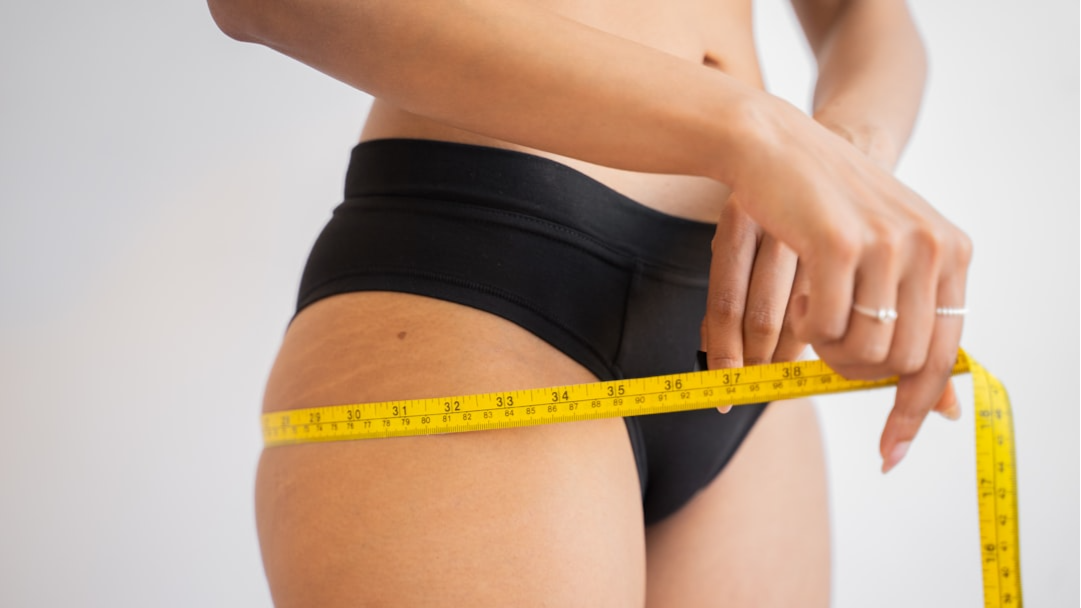
Most Asked Questions About Weight Loss and Fat Loss
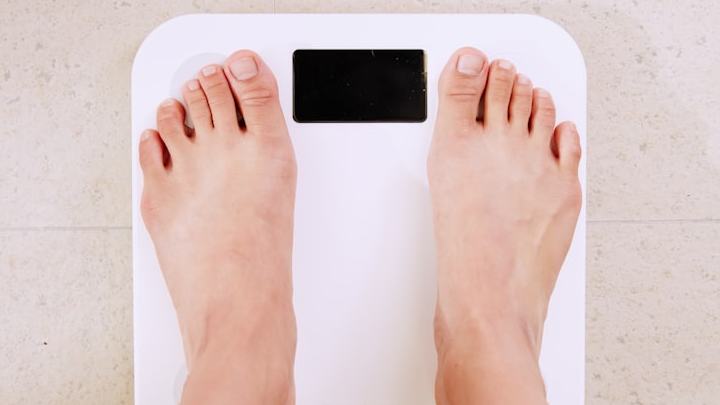
Other Ways to Measure Weight Loss Besides the Scales

3 Underrated Ways to Lose Fat
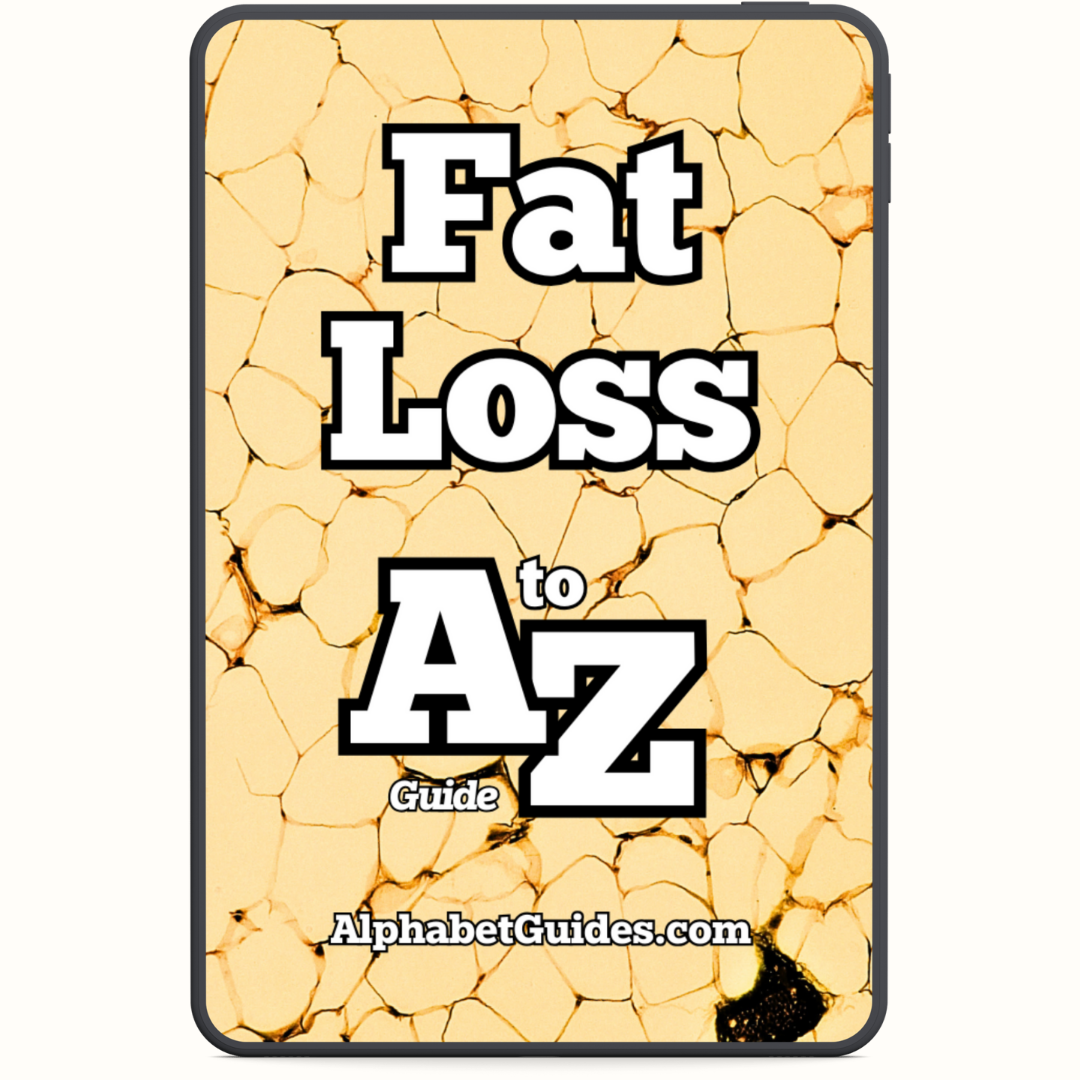
Fat Loss Guide
The Fat Loss A to Z Guide contains 26 concise chapters with clear, actionable advice for sustainable fat loss. It covers nutrition, training, metabolism, lifestyle, and mindset.
$6.99
WEIGHT LOSS DIETS

Nordic Diet: A Review ★★★★☆
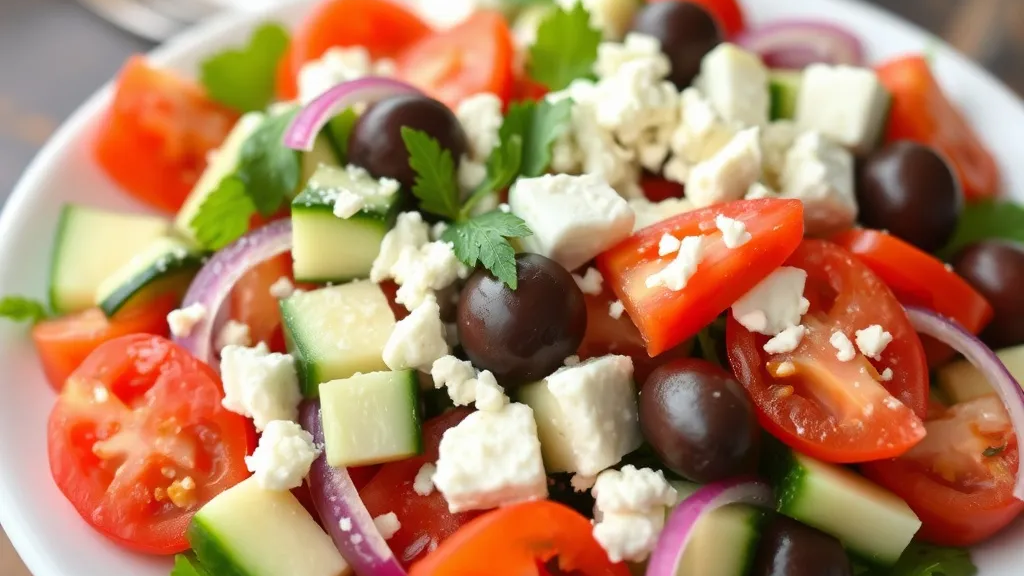
Mediterranean Diet: A Review ★★★★★
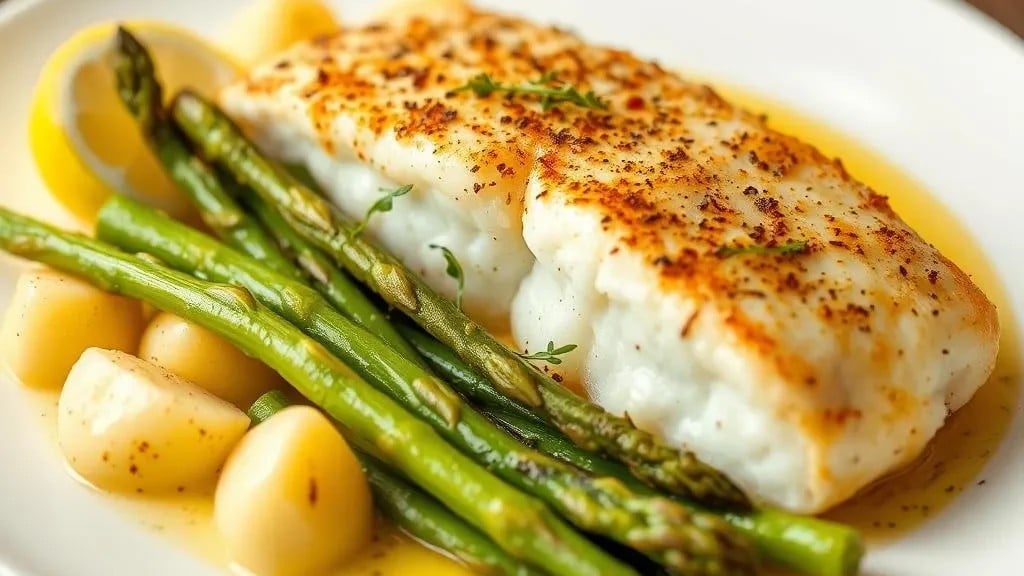
Low-Fat Diets: A Review ★★★☆☆

The Mediterranean Diet
It's not just a diet, it's a philosophy. It's the most researched lifestyle on the planet: there's a reason why they're healthier, happier, and live longer.
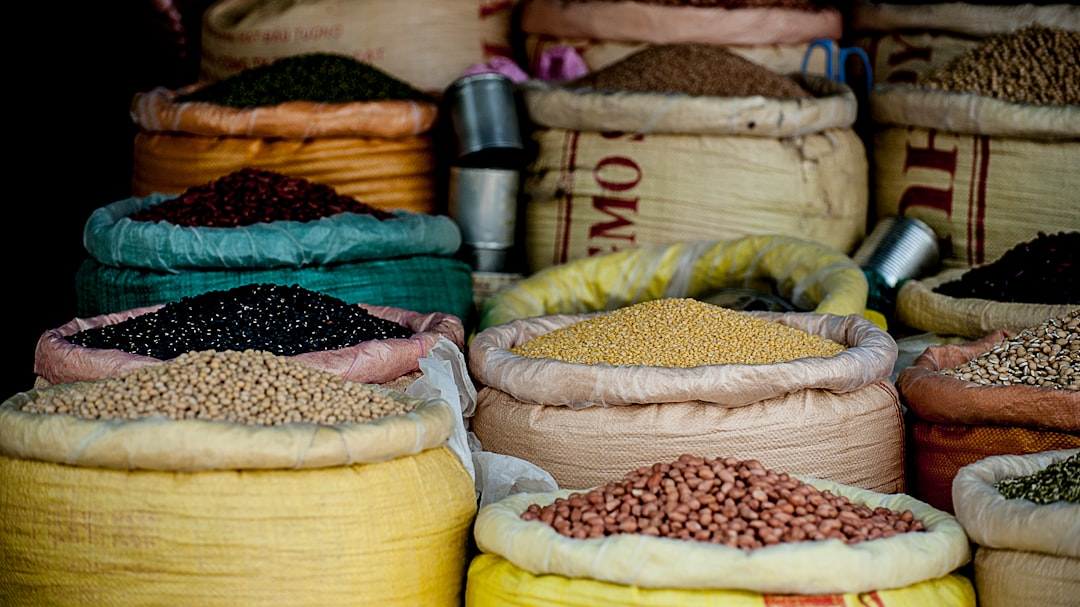
Based on whole foods, olive oil, legumes, fish, and plant-based eating. Explore our guides, courses, and articles explaining how it supports your health.
Plant-Based Diets
Plant-based, plant-first eating scales from flexitarian to full vegan. Plant-based diets are good for your heart, your metabolism, your health, your pocket and the planet.
Explore practical meal plans, recipes, and how to optimise plant-based nutrition — sustainably and affordably. Not all plant-based diets are equal.

Ketogenic Diet: A Review ★★★★☆
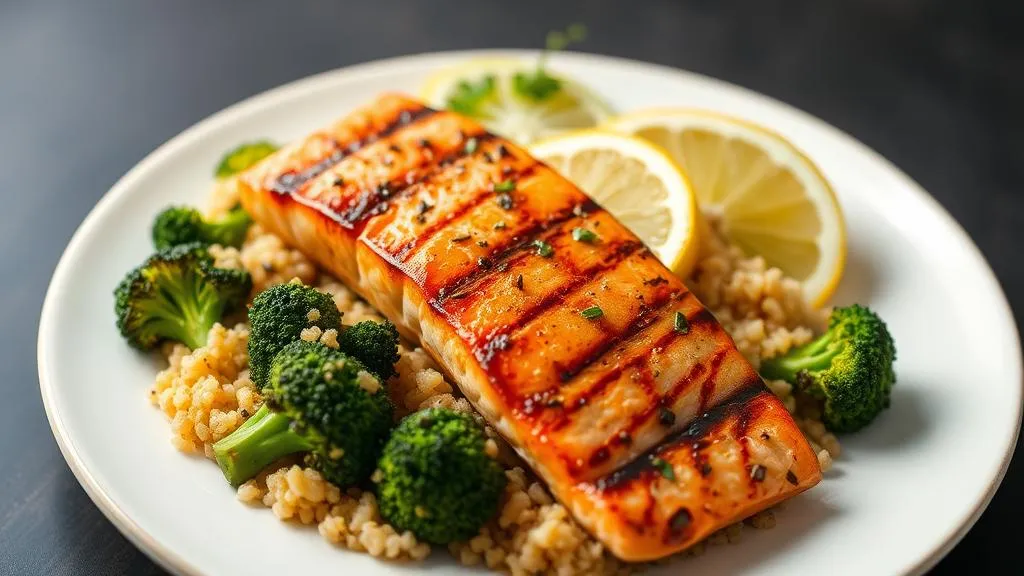
DASH Diet: A Review ★★★★★
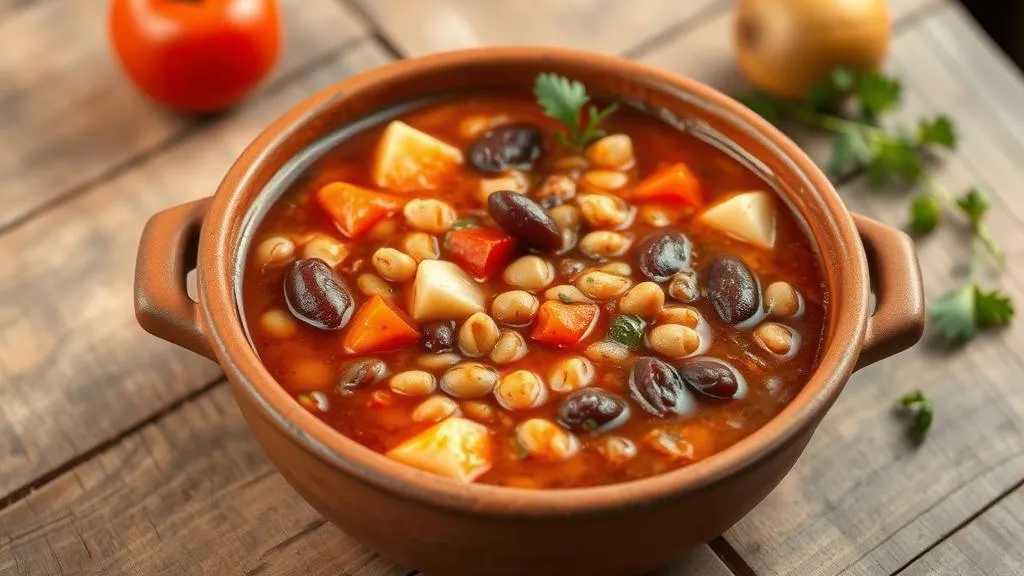
Blue Zone Diet: A Review ★★★★☆

Atkins Diet: A Review ★★★☆☆

High Protein Diets: A Review ★★★☆☆
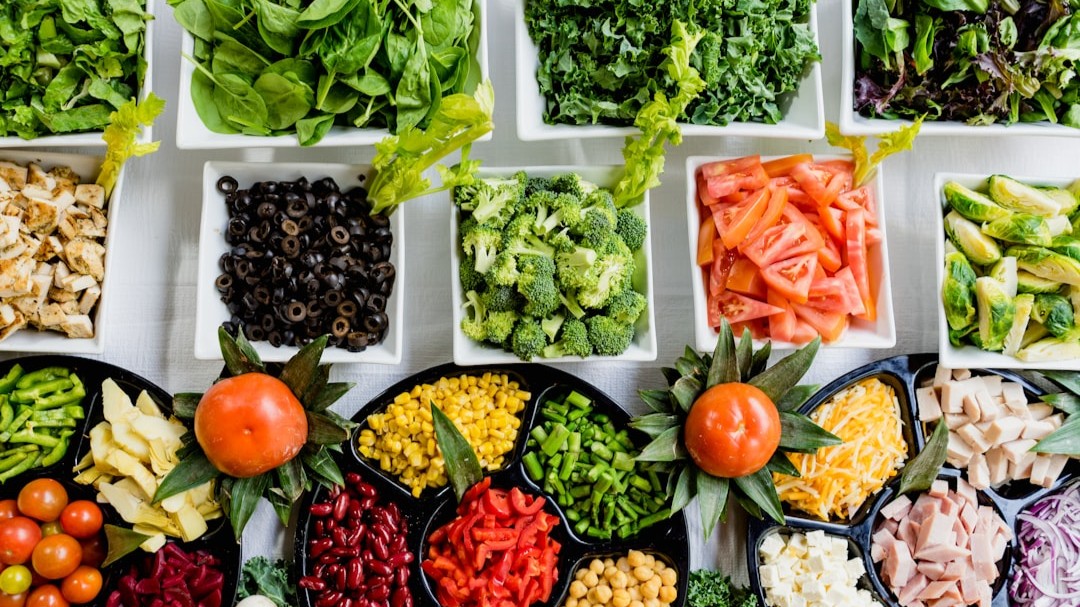
The Diet Atlas
Not all diets are created equal, so get evidence-based info on the most popular diets and eating patterns out there — see what works for you.
We've reviewed the health benefits, nutrition, safety and viability of dozens of diets so you don't have to. Read about each diet, its pros, cons, and what mealtimes look like, so you can choose the one that suits you.

Intermittent Fasting: A Review ★★★★☆
Intermittent Fasting for Weight Loss & Fat Loss: Does It Work?

Intermittent Fasting
Fasting isn't a trend — it's a well-researched approach to enhancing metabolic health, managing weight, and promoting long-term well-being. But how you fast matters.
Explore our evidence-based guides, articles, and resources on the science of fasting and how to do it properly.
Our Editorial Approach
Alphabet Guides publishes practical evidence-based content using trustworthy, peer-reviewed research: information you can actually use. Learn more About Us and our Editorial Standards.