This article is from the Bodyweight section of our Library.
Subscribe to GuideNotes™ to get free and exclusive health tips from our guides — direct to your inbox every week.
Thank you for subscribing!
Have a great day!
A safe rate of fat loss is 0.5-1 kg (or 1–2 lbs) a week. Research shows that gradual weight loss results in more fat being lost, preserves more muscle mass and your metabolic rate compared to rapid weight loss.
Faster rates may lead to greater muscle loss, nutritional deficiencies, and metabolic adaptations that make weight regain more likely. The exception is for people with significant obesity or related illnesses who may (or need to) safely lose weight faster under medical supervision.
Calorie counting is not strictly required, but creating a calorie deficit is probably needed to lose fat. Tracking intake may help some people achieve consistent results, as it provides awareness and accountability.
However, you can create a calorie deficit (and lose fat) through other strategies like portion control, eliminating processed foods, increasing protein and fibre intake, or eating mindfully.
The method matters less than the outcome: consuming fewer calories than you burn. Some people succeed with intuitive approaches, while others benefit from precise tracking. Choose the method you can sustain long-term.
No, you probably can’t selectively burn ‘subcutaneous’ body fat from specific areas of the body through targeted exercise. Where fat loss occurs throughout the body is largely determined by genetics and hormones, not the muscles you work.
While some research suggests some localised fat loss may occur (abdomen), other studies have not. However, you can certainly change the proportion of fat (i.e., % fat) of any region of the body by increasing the amount of muscle you have there.
Exercising a certain region of the body may not burn fat, but it can strengthen and add muscle to that area, giving the appearance that you have lost fat or “toned” the area.
Creating a calorie deficit through diet and exercise causes fat loss, and your body determines where fat is lost first and last based on individual patterns.
Both have important but different roles. Aerobic exercise burns more calories during the activity itself, making it more efficient at creating a calorie deficit and improving cardiovascular fitness.
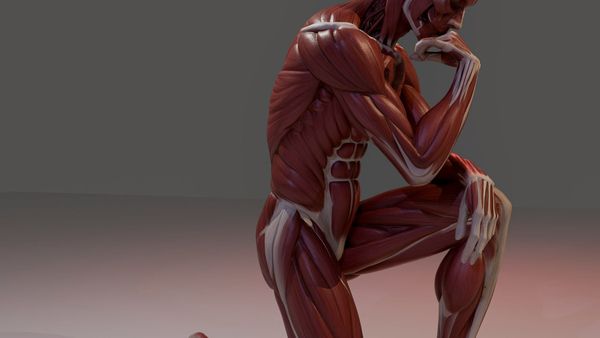
Strength training preserves or builds muscle mass, which maintains metabolic rate during weight loss and improves body composition (i.e., % body fat).
Studies comparing the two show that aerobic exercise typically produces greater immediate fat loss, while resistance training better preserves lean mass.
The optimal approach combines both aerobic exercise for energy expenditure and strength training for muscle preservation. This combination provides additive benefits that neither achieves alone, particularly for reducing “bad” visceral fat.
Yes, fat loss is possible through diet alone, since weight loss fundamentally requires a calorie deficit. You can achieve this deficit entirely through reduced food intake.
However, adding exercise provides significant advantages: it increases total energy expenditure, preserves muscle mass, improves cardiometabolic health, enhances insulin sensitivity, and supports long-term weight maintenance.
Diet-only approaches often result in greater muscle loss alongside fat loss. For optimal body composition and health outcomes, combining moderate calorie restriction with regular physical activity produces superior and more sustainable results than diet alone.
Healthy body fat ranges vary by sex, age, and how it is measured. For men, healthy ranges are approximately 12-20%, while for women, they typically range from 20-30%.
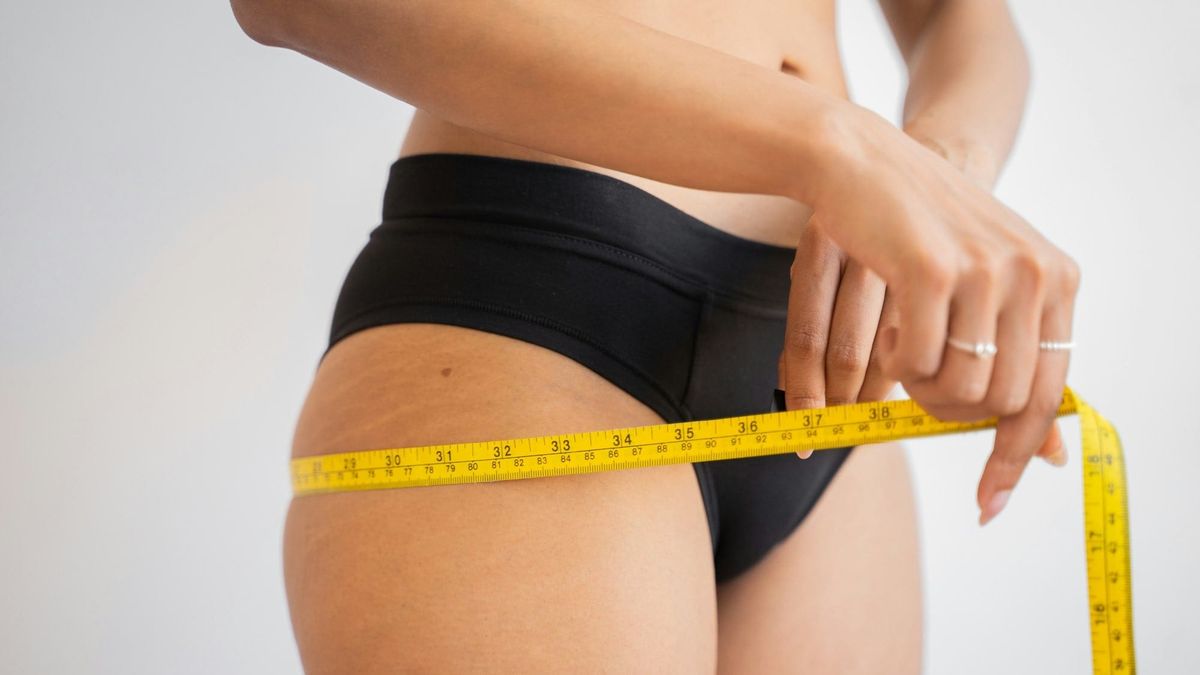
Essential body fat (necessary to maintain vital functions) is about 3-5% for men and 10-13% for women. At home, you can measure your waist circumference to assess your body fat (and whether you’re losing fat or not).
Keep your waist under half your height, or under 94 cm (37 inches) for men and 80 cm (31.5 inches) for women. If your waist circumference is 8 cm (3 inches) more than these values, or more than half your height, it’s advised that you lose weight.
Protein is crucial during fat loss. Higher protein intake helps preserve lean muscle mass when in a calorie deficit, increases satiety, and has a higher ‘thermic effect’ than other macronutrients.
Research shows that consuming 1.6 to 2.4 grams of protein per kilogram of body weight daily during weight loss significantly reduces muscle loss compared to lower protein intakes.
This preservation of muscle mass helps maintain metabolic rate and improves body composition. Protein also increases fullness after meals, making calorie restriction more sustainable and reducing the likelihood of overeating.
Most fat-burning supplements provide minimal benefit and are not necessary for fat loss. While some ingredients like caffeine may modestly increase metabolism (and thus energy expenditure), the effects are small and do not replace good nutrition and exercise.
Many supplements lack high-quality, reproducible, rigorous scientific support, and some carry health risks. No supplement can override a calorie surplus or compensate for poor diet and physical activity habits.
Even proven ‘fat loss’ supplements still only provide relatively small benefits (under 150 kcal/day). Compare this to dietary or physical activity interventions that can be over 1000 kcal/day.
So the most effective approach remains creating a calorie deficit through controlled eating and regular physical activity. Save your money and focus on what actually works.
Weight loss plateaus occur due to metabolic adaptation, where your body adjusts to lower calorie intake by reducing its own energy expenditure. As you lose weight, you burn fewer calories at rest and during activity because there is less body mass to maintain.
To overcome plateaus, you can further reduce calorie intake, increase physical activity, or do both. Sometimes, a brief diet break (‘re-feeding’) at maintenance calories can help restore metabolic function.
Reassessing portion sizes, tracking food intake accurately, and increasing exercise intensity or duration typically break through plateaus. Patience is essential as weight loss naturally slows over time.
Building muscle while losing fat, called ‘body recomposition’, is possible but challenging and depends on several factors.
Beginners, individuals returning after a break, and those with significant body fat have the best chance of achieving both simultaneously. However, this requires adequate protein intake, resistance training, and a moderate calorie deficit.
More experienced lifters typically need to choose between prioritising muscle gain or fat loss, as these goals have competing nutritional requirements. Progress is slower than focusing on one goal exclusively.
For most people, alternating focused phases of muscle building and fat loss can produce better (or more efficient) long-term results.
The relationship between fat loss and cellulite is complex. Weight loss can improve cellulite in some people, particularly those with higher initial body fat and lots of cellulite. But the results are not consistent for everyone.
Cellulite involves structural changes in connective tissue beneath the skin; it's not just about fat. Research shows that while losing may help, the fibrous bands that create the dimpled appearance don't necessarily improve with weight loss alone.
Some people experience cellulite improvement, while others see no change or even worsening due to skin laxity after losing fat. Cellulite affects 80-90% of women regardless of their body weight, and no treatment has strong evidence for consistently eliminating it.
Sustainable fat loss requires consistent, manageable behaviours rather than extreme measures.
Key habits include: creating a moderate calorie deficit you can maintain, eating adequate protein at each meal, being physically active and strength training regularly to preserve muscle; getting sufficient sleep, managing stress, tracking progress through multiple metrics (not just scale weight), and building support systems.
Focus on behaviours you can maintain indefinitely rather than temporary restrictions. Small, consistent changes compound over time. The most successful approach balances effectiveness with sustainability, allowing you to reach your goals without sacrificing quality of life or health.
Disclaimer: No content on this site, regardless of date, should ever be used as a substitute for direct medical advice from your doctor or other qualified clinician.