How to Avoid Ultra-Processed Food
A practical guide to reducing ultra-processed foods, offering strategies and flexible meal swaps that support healthier eating habits.


- Reducing UPF intake doesn't require elimination. Even a 10% reduction in them represents a meaningful, clinically relevant health improvement.
- Flexible diets outperform rigid rules for long-term adherence; small, sustainable swaps matter more than dramatic overhauls.
- Batch-cook whole-food staples, keep fruit and cut veg visible and ready, and build a default shopping list of minimally processed foods.
Avoiding ultra-processed foods means prioritising whole foods, cooking from scratch, and choosing products with just a few natural ingredients. This article covers practical approaches to reducing exposure to UPFs.
As UPF consumption increased globally, researchers began investigating potential health concerns associated with it. Over the past decade, evidence has accumulated from around the world, and the findings aren't good.
Reducing UPF intake doesn't require perfection or complete elimination. Small, sustainable changes often matter more than dramatic overhauls that prove impossible to maintain.
The goal shouldn’t be about creating a new source of stress or guilt around eating, but rather finding realistic ways to shift toward eating less UPFs where practical and sustainable.
Time, budget, cooking skills, access to certain stores or markets, and the type of household you’re in all influence what's achievable. What works for one person may not work for another. What this article aims to do is give you options, not diktats. Choose what fits your life and personal circumstances.
Before changing anything, audit your current eating habits. What UPFs appear regularly in your diet? When do you reach for them? Why do you eat them — convenience, comfort, time, or affordability?
Understanding your habits helps identify the most effective changes. You may not be looking for an overhaul at first; rather, look for quick, easy, sustainable fixes first. Pick the low-hanging fruit.
Healthier alternatives to common ultra-processed foods
Breakfast
Most modern breakfast staples are UPFs: sugar-sweetened cereals, breakfast bars, instant oatmeal, and packaged processed breads and pastries.
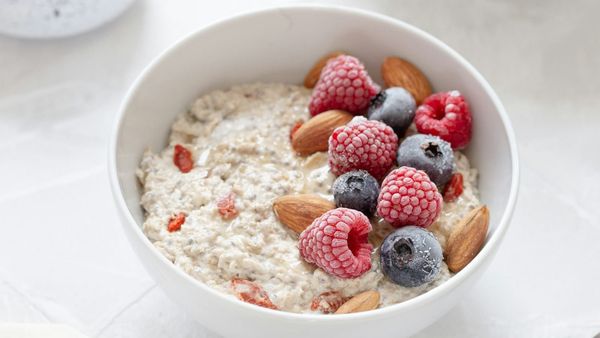
Simple swaps include eating plain steel-cut oats with fruit and nuts, eggs or nut butters on whole-grain toast, and plain yoghurt with fresh or frozen fruits. Think about quick, healthy options for busy weekday mornings.
Batch-preparing breakfasts on weekends can help mornings during the week. Make a large batch of plain oatmeal, portion it, and reheat as needed. Make overnight oats the night before and eat them cold the next day. Hard-boil a pack of eggs. Prep fruit and keep it in the fridge so it's grab-and-go ready.
Lunch and Dinner
Ready meals, frozen pizza, instant noodles, and heavily processed meat products are the mainstays of lunches and dinners. Replacing all of these may be too difficult, so start with one or two meals a week. A few simple meals, cooked regularly, can reduce decision fatigue (and cooking time as you get better at making them).
A basic template might be: protein + vegetable + starch. Grilled chicken, roast vegetables, and rice. Baked fish, steamed broccoli, and potatoes. Beans, greens, and bread. None of these requires advanced cooking skills. Most take 20-30 minutes from start to finish.
Research suggests that even modest improvements in your cooking skills are linked to better diets1.
Batch cooking is a great tip. Make large portions and freeze half. Cook double the rice, and refrigerate the leftover for later in the week. Roast a whole chicken; use leftovers for subsequent meals. Re-create the convenience UPFs. They became popular for a reason.
Snacks
Packaged snacks represent a major UPF category: chips, cookies, crackers, chocolate, candy, and cakes. They’re probably the number one source of excess calories for most people. So prioritise alternatives for these.
Minimally processed snack options include fresh fruit, nuts, plain yoghurt, hard cheese, boiled eggs, vegetables with hummus, or popcorn you pop yourself. They only require a bit more effort to prepare.
Preparation makes the difference. Wash and cut vegetables when you get home from shopping. Portion nuts into small containers. Keep fruit visible and accessible. When minimally processed options are convenient and visible, you'll probably be more likely to choose them more often.
Beverages
Soft drinks, energy drinks, flavoured coffees with multiple additives, and sweetened fruit drinks all contribute to people’s UPF intake. They also add sugar and “empty calories” without providing satiety or any nutrient value to your diet.
Water remains the simplest (and cheapest) alternative. If plain water feels boring, try infusing it with fruits or herbs. Unsweetened tea and coffee are also fine. Sparkling water offers the fizz without additives.
For occasional sweet drinks, studies indicate that even partially replacing sugary beverages with water improves various health markers. You don't have to eliminate soda to start seeing the benefits. Reducing the overall amount that you drink is what matters at first2.
How to avoid ultra-processed foods
Build a default shopping list
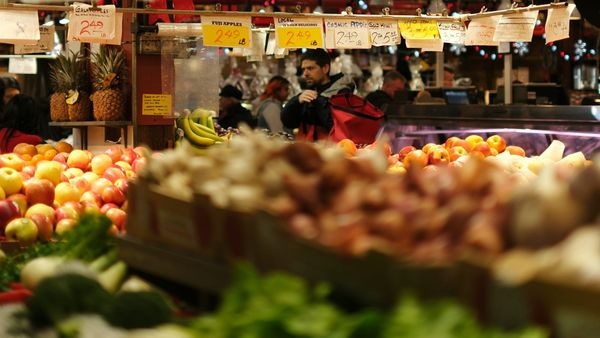
Create a standard grocery list prioritising minimally processed basics first: vegetables, fruits, proteins, whole grains, dairy, eggs, legumes, nuts, and simple cooking ingredients. Shop primarily from this list, adding extras intentionally rather than impulsively.
Eat healthy convenience foods
Not all 'convenient foods' are UPFs. Buying pre-washed salad greens, frozen vegetables, canned beans, canned tomatoes, canned fish, rotisserie chicken, pre-cut vegetables, and frozen fruit offers convenience without the industrial processing.
These items cost more than raw ingredients, but less than ready meals (when you correct for nutrient content and the downstream healthcare costs). However, they reduce preparation time. Using them strategically makes cooking from basic ingredients more manageable on busy days.
Master a few simple recipes
You don't need extensive cooking skills. Five to ten simple recipes you can make confidently cover most situations. Focus on flexible formulas rather than precise recipes: stir-fries with varying vegetables and proteins, simple pasta dishes with different vegetables, basic grain bowls, sheet pan meals.
Plan flexibly
Rigid meal plans often fail when life inevitably disrupts them. Instead, keep your plan flexible. Shop for ingredients that allow multiple quick meal options. Keep backup ingredients for when plans change.
Accept that some days require more convenience than others. Research on dietary adherence consistently finds that flexible approaches outperform rigid rules over time. Don’t let perfect be the enemy of good3.
Prep in small batches
Full-day meal prep marathons work for some people, but aren’t suitable for others. Consider smaller, more frequent prep sessions instead.
Spend 15 minutes washing and cutting vegetables while cooking a large batch of rice, quinoa or other whole grains. These (relatively) small investments create convenience throughout the week.
Read labels selectively
You don't need to scrutinise every food label, but checking packaged items occasionally builds awareness. Long ingredient lists with unfamiliar terms are usually a sign of UPFs. Simple ingredient lists with recognisable foods suggest less processing.
Over time, you will get quicker with practice at recognising UPFs. So be patient to start with. You'll come to learn which brands or products to avoid and which offer minimally processed alternatives.
Use moderation
Occasional consumption of UPFs can fit within a healthy diet. The concern around UPFs centres on their dominating your intake. Some situations naturally involve UPFs: social occasions, travel, celebrations, or times of unusual stress. These occasions don't negate other efforts. Consistency beats perfection.
If UPFs currently provide 60% of your calories, reducing that to 40% represents a meaningful improvement. Dropping further to 20% offers additional benefits. But zero isn't the necessary goal. The pursuit of trying to reach it might create unnecessary stress and derail efforts.
Bottom Line
We’ve looked at UPFs from multiple angles: how they're defined and identified, the forces driving their consumption, their health effects, and practical approaches to reducing intake. Several themes have emerged across these articles.
First, UPFs became popular through the genuine advantages they offer, not just through poor choices or corporate manipulation. They solved real problems around convenience, financial cost, and availability.
Second, they have led to other ‘costs’, specifically to people's health. The consistency of the outcomes across different people and links to different health conditions warrants taking their impact on your health seriously.
Third, reducing UPF intake requires more than willpower or knowledge. It requires addressing practical barriers, building sustainable habits, and recognising that perfect adherence isn't necessary or realistic for most people, not in our current food environment anyway.
UPFs will likely remain part of the food system for some time to come. The question isn't whether they exist, but how much space they occupy in your diet.
By understanding what they are, and some practical strategies to reduce them, we hope people can shift the balance in directions that support their wellbeing while realising the real-world constraints.
Sources
- Lavelle F et al. Diet quality is more strongly related to food skills rather than cooking skills confidence: Results from a national cross-sectional survey. Nutr Diet. 2020 Feb;77(1):112-120. PMID: 31602753
- Lane MM et al. Sugar-Sweetened Beverages and Adverse Human Health Outcomes: An Umbrella Review of Meta-Analyses of Observational Studies. Annu Rev Nutr. 2024 Aug;44(1):383-404. PMID: 39207876
- Smith CF et al. Flexible vs. Rigid dieting strategies: relationship with adverse behavioral outcomes. Appetite. 1999 Jun;32(3):295-305. PMID: 10336790