Mediterranean Diet for Weight Loss & Health


Mediterranean Diet for Weight Loss & Health

By R.Davies, PhD・Exercise
Published on November 13, 2025


The Mediterranean diet is a dietary pattern based on eating plants, olive oil, and minimally processed foods. This article examines its effectiveness for weight loss and long-term health.

Few dietary approaches have received as much sustained attention from researchers, clinicians, and the public as the Mediterranean diet.

But unlike short-term restrictive diets, it offers a proven dietary option that supports healthy body weight and weight loss, without excessive hunger.

It's not about counting calories or eliminating entire food groups. Instead, it's a whole systems approach, it's a lifestyle. People have followed it successfully for centuries


Where did the Mediterranean diet come from?

The Mediterranean diet didn't emerge from a laboratory or diet book; it evolved naturally from the traditional eating patterns of countries bordering the Mediterranean Sea (Greece, Italy, Spain, and southern France). 

This region's approach to food has been shaped by its geography, climate, and centuries of culinary tradition, which prioritised fresh, local ingredients and communal dining.

The modern understanding of the Mediterranean diet began in the 1950s with the "Seven Countries Study" led by researcher Ancel Keys [1]

Keys saw that compared to Westerners, Mediterraneans had significantly lower rates of heart disease and lived longer, healthier lives despite eating (relatively) high amounts of fat. 

This challenged the prevailing thought (at the time) that all dietary fat was bad for your health.

What Keys and subsequent researchers discovered was that Mediterraneans weren't just eating differently, they were living differently. 

Meals were social events. Physical activity was naturally integrated into daily life. Food was viewed as nourishment and pleasure rather than fuel or restrictions. 

This "holistic" approach forms the foundation of why the Mediterranean diet is particularly effective for both fat loss and improving overall health.

The cultural emphasis on fresh, seasonal produce, minimal processing, and cooking methods that preserve nutrients has created a dietary pattern that naturally supports good health.

Unlike modern diets that are high in processed foods and added sugars, Mediterranean diet foods provide satiety with high nutrient-density and low-calorie density.

Although the “traditional Mediterranean diet” is strongly associated with lower rates of chronic disease, researchers have noted that this type of diet is gradually disappearing in the very regions where it was first started.

Mediterranean regions adopting Western-style diets have increased consumption of ultra-processed foods, sugar, and junk food, which has contributed to increasing rates of obesity and metabolic disease across the Med. 

Some researchers now argue that the term “Mediterranean diet” increasingly refers to a historical ideal rather than the current average diet of populations in the region. 

Perhaps the “Roman Diet” is a more accurate name for it now?


What can and cannot you eat on a Mediterranean diet?

At its core, the Mediterranean diet emphasises plant-based foods, healthy fats, lean proteins, and whole grains while limiting highly processed foods and excessive amounts of red meat and junk food.

Foods to Emphasise Daily

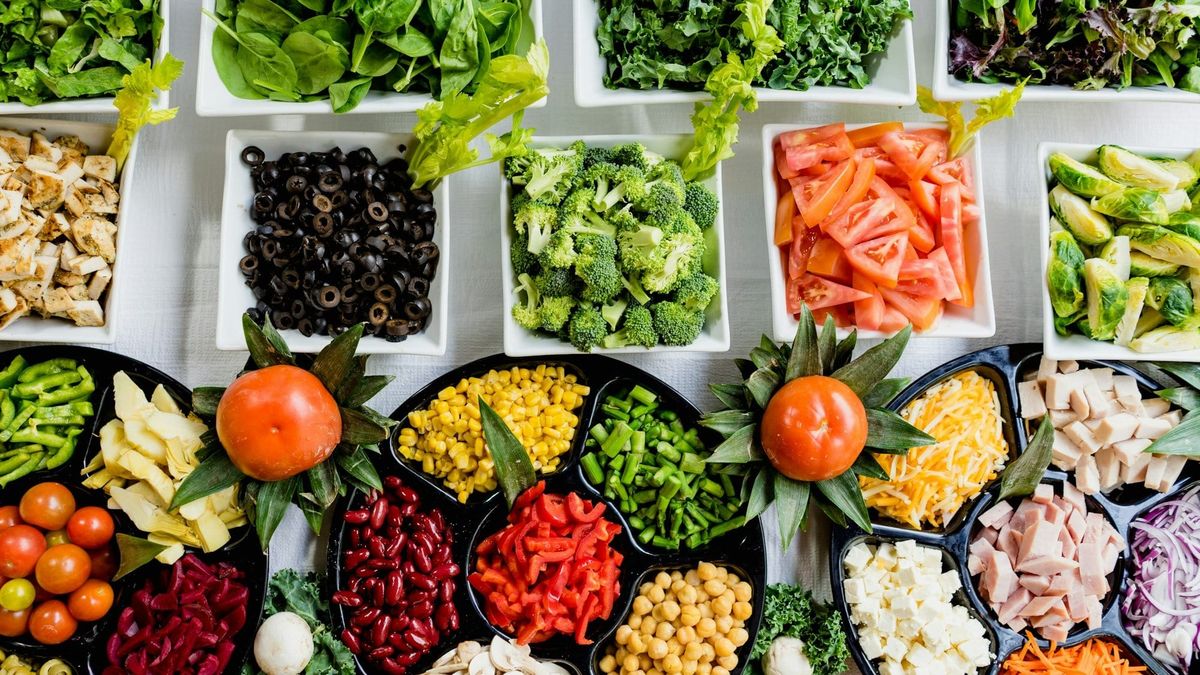
Plants (fruits and vegetables): These form the foundation of every meal, to fill half your plate with colourful produce

Traditional Mediterranean-style diets are rich in fruits and vegetables, often exceeding the five servings per day. Plants give you fibre, antioxidants, and natural compounds that support your health.

Extra Virgin Olive Oil (EVOO)

EVOO is the primary source of fat. It is used for cooking, dressing salads, and flavouring dishes. It is rich in monounsaturated fats and antioxidants. It provides satiety while also supporting heart health and metabolic function.

Whole Grains

Unlike refined carbohydrates, Mediterranean whole grains like farro, bulgur wheat, and steel-cut oats provide energy and fibre that promote feelings of fullness and support your digestive health.

Legumes

Beans, lentils, and chickpeas combine protein and fibre in a low-calorie package (particularly important for weight loss). This versatile food group provide plant-based protein while keeping you satisfied between meals.

Fish & Seafood 

Consumed at least twice-weekly, fatty fish like salmon, sardines, and mackerel provide omega-3 fatty acids that support cardiovascular and metabolic health, and fat loss. 

Poultry

Lean protein sources like chicken and turkey provide essential amino acids for maintaining your muscle mass while you're losing fat, typically consumed in palm-sized portions.

Eggs & Dairy

Used in moderation, these provide complete proteins and essential nutrients. Mediterraneans often favour fermented dairy like Greek yoghurt and aged cheeses.

Foods Used Sparingly

Red meat, processed foods, sweets, and other junk foods aren't eliminated but are treated as occasional rather than daily choices. 

This approach allows for flexibility while maintaining the diet's health benefits.

The Mediterranean diet naturally creates an environment that is conducive to fat loss: high-fibre foods are satiating, healthy fats can stabilise blood sugar, and nutrient-dense foods reduce cravings for processed foods.


Is the Mediterranean diet scientifically proven?

There are hundreds of independent studies demonstrating that the Mediterranean diet is effective for maintaining healthy body weight and preventing diseases [2].

Weight Loss & Metabolic Health

Clinical trials have reported average weight losses of approximately 4–10 kg over 12 months among people that following Mediterranean diets. 

There were also particularly notable improvements in waist circumference, a key marker of the dangerous visceral fat.

One of the largest randomised trials on the Mediterranean diet followed thousands of people who followed it for nearly five years. 

Results showed that those who followed it had healthier body weights and lower chances of having a heart attack or stroke. 

The researchers also found that the diet improved diabetes risk factors, which also contribute to weight gain and fat storage. 

The high fibre and healthy fat content of the diet are cited as two key reasons for the diet's health benefits. 

Cardiovascular Health

Studies have also shown that the Mediterranean diet significantly reduces heart disease risk factors. 

The diet's content of "anti-inflammatory" foods appears to fight chronic low-grade inflammation, which is commonly seen in overweight people. 

Inflammation appears to increase your appetite, particularly for calorie-dense junk foods. So, by reducing inflammation, the Mediterranean diet is thought to help restore your normal (healthy) appetite.

Longevity & Cognitive Health

Perhaps most remarkably, the Mediterranean diet also improves longevity (or life expectancy) and brain health. 

A study which combined Mediterranean and “DASH” diets showed the chances of developing Alzheimer’s disease were halved [3].

Another large study showed that people who followed a Mediterranean-style diet had a lower chance of dying and lived (on average) 2 years longer than those who didn't [4].


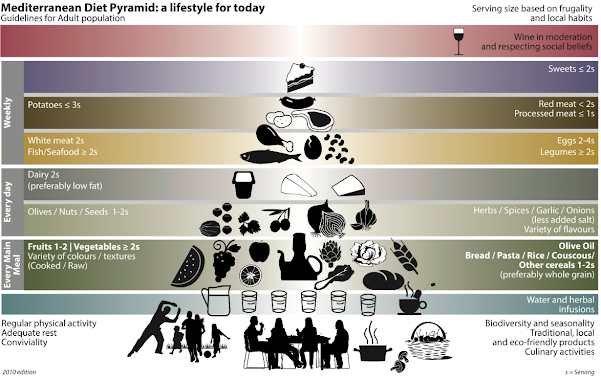
Med Diet Pyramid

Mediterranean diet: common mistakes

Several misconceptions persist about the Mediterranean diet that can prevent people from experiencing its full benefits.

“It's Just Olive Oil and Wine”

While EVOO and moderate wine intake are components of the diet, they represent just a small part of its overall diversity. 

The real foundation of the diet is plants, whole grains, legumes, and lean proteins.

“You Can Eat Unlimited Amounts of Food”

Although the Mediterranean diet doesn't require calorie counting, portion control still matters. Mediterranean people practise natural portion control by eating mindfully, socially, and being physically active. 

If you're specifically looking at losing weight, keep an eye on the calorie-dense foods like nuts, seeds, EVOO, wine and cheese.

“It's Too Expensive”

While EVOO and fresh fish can be costly, the diet's emphasis on seasonal produce, legumes, and whole grains can actually reduce costs. 

Limiting your intake of processed foods, red meat, and restaurant meals often offsets higher costs for ingredients like EVOO or fresh fish. 

“It's Only for People of Mediterranean Heritage”

The Mediterranean diet's principles can be adapted to any culture and food preferences. In fact, some countries (Nordic countries) have adapted it for their own people. 

The key lies in emphasising whole foods, healthy fats, and plant-based ingredients rather than following specific recipes or traditional dishes.

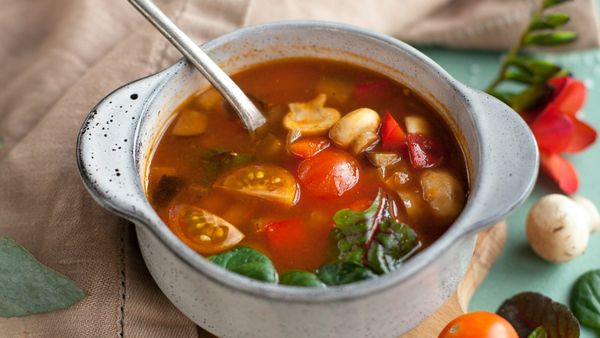
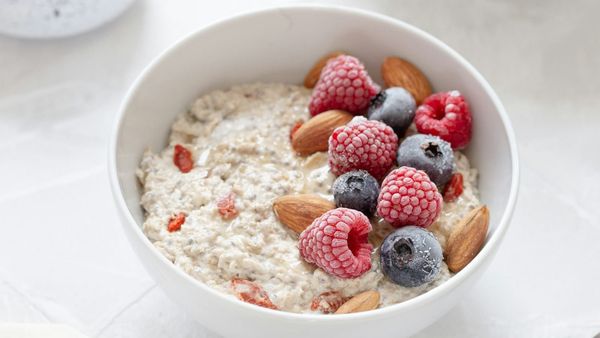

An example of a Mediterranean diet meal plan

Read our full 7-day Mediterranean meal plan for more ideas and guidance. 

Daily Meal Structure

Breakfast: Start with fibre and protein to maintain stable blood sugar throughout the morning. Greek yoghurt with berries and nuts, vegetable omelettes with whole grain toast, or overnight oats with chia seeds.

Lunch: Build meals around vegetables as the primary ingredient, then add lean protein and healthy fats. Mediterranean salads with grilled chicken and EVOO dressing, lentil soups with vegetables, or grain bowls with roasted veg are good basic lunches. 

Dinner: Fill half your plate with vegetables, one-quarter lean protein, and one-quarter whole grains. Grilled fish with roasted vegetables, chicken with bulgur pilaf, or bean-based dishes with seasonal veg.

Snacks: Choose options that combine protein or healthy fats with fibre. A handful of nuts, vegetables with hummus, or Greek yoghurt with fruit support satiety between meals without derailing your fat loss goals.

Strategic Shopping List

Produce: Prioritise seasonal vegetables and fruits, focusing on variety and colour. Leafy greens, tomatoes, peppers, onions, citrus fruits, and berries should be weekly staples.

Proteins: Stock up on canned fish (salmon, sardines, tuna), frozen fish fillets, chicken breast, eggs, and dried legumes for convenient meal preparation.

Read our articles on "5 High-Protein Mediterranean Dishes for Under $1" for some more ideas.

Pantry Essentials: EVOO, whole grains like quinoa and farro, nuts and seeds, canned tomatoes, and herbs and spices form the foundation of Mediterranean eating.

Dairy: Choose plain Greek yoghurt and small amounts of aged cheeses for calcium and protein without the added sugars.

Meal Preparation Strategies

Batch cooking grains, roasting vegetables in large quantities, and preparing simple vinaigrettes can make Mediterranean meal prep easier. Focus on simple cooking methods like grilling, roasting, and sautéing that preserve nutrients while improving flavours and nutrition.

The traditional Mediterranean practice of starting meals with a small salad dressed in EVOO and vinegar naturally reduces calorie intake by promoting satiety signalling.


The Mediterranean lifestyle

The Mediterranean approach to eating extends beyond food choices. It also covers how and when meals are eaten, factors that significantly impact fat loss success.

Meal Timing for Optimal Fat Loss

Research suggests that consuming most of your food earlier in the day can support better health and weight control

For fat loss, aim to include protein and fibre at each meal and snack. This combination supports stable blood sugar levels, reduces cravings, and maintains muscle mass while you lose weight. 

Hydration Beyond Water

While hydration is important, traditional Mediterranean cultures typically consumed water, herbal teas, and, in some cases, moderate amounts of wine with meals. 

Herbal teas provide antioxidants and flavour without calories, while the moderate consumption of red wine with meals may offer metabolic benefits by itself. 

Eating lots of salads and vegetables also contains water as well, helping hydration more than most other foods do.

Mindful Eating Traditions

Long before “mindful eating” fads, Mediterraneans practised it naturally. 

Sitting down for meals, eating slowly, and enjoying food without distractions were standard practices that enhanced satiety and reduced how much you eat. 

Social eating, another cornerstone of Mediterranean culture, naturally slows eating pace and increases meal satisfaction. 

Sharing meals with family and friends creates an environment where food is savoured rather than consumed quickly. This supports both mental and physical health.

These practices are forgotten today, where rushed eating and distracted consumption override natural satiety signals, leading to overeating despite making good food choices.


The do's and don'ts of the Mediterranean diet

Seasonal Eating Principles

Traditional Mediterranean cultures varied their diets naturally with the seasons, a practice that prevents boredom while ensuring you eat a diverse array of nutrients. 

Spring greens provide healthy nutrients after winter's heavier foods. Summer's tomatoes and peppers offer lycopene and vitamin C during peak sun exposure. Fall squashes provide warming, grounding nutrients. And winter's citrus fruits deliver immune-supporting vitamin C to fight colds.

This seasonal approach to eating keeps it interesting while supporting the body's changing needs throughout the year. It also reduces costs by emphasising locally available, in-season produce.

Building Sustainable Habits

Success with Mediterranean eating comes from focusing on addition rather than subtraction. 

Instead of eliminating foods straightaway, focus on adding more vegetables to your meals, eat fish twice a week, and use olive oil as your main cooking fat. 

These positive changes will naturally crowd out less healthy options without creating feelings of deprivation and cravings.

Start with small changes like adding a salad to lunch, switching to whole-grain bread, or cooking with olive oil instead of butter. 

Adapting to Modern Lifestyles

The Mediterranean diet principles can be adapted to busy schedules through meal preparation and making smart convenience choices. 

Pre-cut vegetables, frozen fish, canned beans, and quality jarred sauces can reduce preparation time while not affecting the nutritional quality of the food. 

Restaurant eating can align with Mediterranean principles by choosing grilled fish or chicken, requesting olive oil-based dressings, and emphasising vegetable-based dishes. 


Is the Mediterranean diet expensive or difficult?

While concerns about cost can be barriers to starting the Mediterranean diet. There are a few things you can do to reduce costs. 

Savings Tips

Seasonal shopping reduces costs while ensuring peak nutrition. Frozen vegetables and fruits provide year-round access to Mediterranean staples at lower prices than the out-of-season fresh options. 

Canned fish is an affordable source of omega-3 fatty acids, and dried legumes provide protein at a fraction of the cost of meat.

Check out our article on the Mediterranean pantry essentials for more tips on how to save money and stock your Mediterranean pantry.

Buying olive oil in larger quantities, purchasing whole grains in bulk, and growing herbs can further reduce expenses. 

The Mediterranean diet's emphasis on home cooking and reduced reliance on processed foods often results in overall savings, despite higher costs for some specific (high-quality) ingredients.

Returns on Health Investment

When evaluating the Mediterranean diet's "costs", you also have to weigh up the long-term "cost benefits" of having better health. 

Reduced risks of cardiovascular disease, diabetes, and other chronic diseases translate into lower healthcare costs, fewer missed work days, and improved quality of life.

Framing the "cost" of your diet in terms of long-term health, as well as the upfront (cash) cost, can help change your dietary choices as investments rather than expenses. There is no such thing as a free lunch. 


Key Takeaways

The Mediterranean diet for fat loss offers something rare in the weight loss world: a scientifically proven approach that feels more like a lifestyle upgrade than a restrictive diet. 

By focusing on whole foods, healthy fats, and mindful eating practices, this time-tested way of eating naturally supports healthy body weights and health benefits. 

The evidence base is strong: the Mediterranean diet has been consistently linked with reduced cardiovascular disease, improved metabolic health, lower inflammation, better cognitive health, and longer life expectancy. 

These outcomes are not just a function of what you eat, but also how you eat (and how you live). 

Success comes from understanding that the diet is not about perfection but about progress. 

Start by incorporating more vegetables into meals, choosing olive oil as your primary cooking fat, and adding fish to your weekly intake. 

These foundational changes create momentum toward broader improvements while allowing your taste preferences and cooking skills to develop naturally over time.

The Mediterranean diet shows us that fat loss, weight loss, and maintaining healthy body weights isn't about deprivation, strict rules or constant willpower. 

Instead, it's about choosing better foods, preparing and eating food in ways that keep you fuller for longer, and re-framing eating as a joyful occasion rather than a chore or source of stress.

Whether your goal is fat loss, improving your health, or simply developing a better relationship with food, the Mediterranean diet provides a proven framework for success. 


Sources

1. Keys A et al. The diet and 15-year death rate in the seven countries study. Am J Epidemiol. 1986 Dec;124(6):903-15. PMID: 3776973

2. Sofi F et al. Adherence to Mediterranean diet and health status: meta-analysis. BMJ. 2008 Sep 11;337:a1344. PMID: 18786971

3. Morris MC et al. MIND diet associated with reduced incidence of Alzheimer's disease. Alzheimers Dement. 2015 Sep;11(9):1007-14. PMID: 25681666

4. Bellavia A et al. Quantifying the benefits of Mediterranean diet in terms of survival. Eur J Epidemiol. 2016 May;31(5):527-30. PMID: 26848763


Published: November 13, 2025

Last Updated: April 06, 2026

Lead Author: R.Davies, PhD | Author Bio

Alphabet Guides provides independent, evidence-based information you can trust. Learn more about our Editorial Standards.

Disclaimer: The information on this website is for educational purposes only. It should not be used as a substitute for medical advice from a qualified healthcare professional.