7 Mediterranean Diet Breakfasts that are Simple, Healthy and Filling
7-simple Mediterranean diet breakfasts: hot, cold, sweet and savoury, balanced, and nutritious recipes.

- Mediterranean breakfasts replace refined carbohydrates and sugar with whole grains, quality protein, healthy fats, and fresh plant foods.
- Combining protein, healthy fat, and fibre at breakfast supports stable blood sugar levels and reduces appetite for the rest of the day.
- Cooking tomatoes and vegetables in extra-virgin olive oil increases absorption of fat-soluble vitamins and antioxidants like lycopene.
1. Shakshuka
This egg dish is a staple in North Africa. It is a one-pan meal that is easy and packed with flavour. Prepare the tomato sauce ahead of time, and keep a batch stored in your fridge (up to 5 days) to simply reheat and crack your eggs into it. The combination of North African spices with the peppers and tomatoes gives instant depth of flavour with minimal effort.
If you want a higher protein, healthier and heartier version, add some crumbled feta, a spoonful of Greek yoghurt, chickpeas or cooked chicken, or add some leafy greens just before adding the eggs. Serve with crusty whole-grain bread or toast to dip into the egg yolks and tomato sauce.

Ingredients (serves 2)
- 2 tbsp extra-virgin olive oil (EVOO)
- 1 small diced onion
- 1 diced red pepper
- 3 minced garlic cloves
- 1 tsp ground cumin
- 1 tsp paprika
- ¼ tsp cayenne pepper
- 1 can diced tomatoes
- 4 large eggs
- Fresh parsley or coriander for garnish.
Directions
- Heat the EVOO in a large pan over medium heat, then add the onion and bell pepper, cooking for about 5 minutes until softened and sweet.
- Stir in the garlic and spices and cook for another minute.
- Pour in the diced tomatoes with their juices, season with salt and pepper, and let the mixture simmer for about 10 minutes until it thickens slightly and the flavours meld together.
- Using the back of a spoon, create four small wells in the sauce, then carefully crack an egg into each well.
- Cover the pan and cook for 5 minutes, or until the egg whites are set but the yolks are still runny (or as you prefer your eggs cooked).
- Remove from heat, garnish with fresh herbs, and serve immediately with warm bread for dipping.
2. Greek yoghurt, honey, walnuts and fresh figs
A simple breakfast that lets the high-quality ingredients speak for themselves. Greek yoghurt provides protein and fat that keep hunger at bay. The figs and honey provide natural sweetness in place of refined, added sugars.
You can use dried figs when fresh ones aren’t available; rehydrate them in warm water for at least 10 minutes before cooking. You can also use pomegranate, red berries, stone fruit like peaches and apricots instead of figs.
You can toast the walnuts in a dry pan (2-3 minutes) to intensify their flavour and texture. If you don’t want to add sugar from the honey, try drizzling with tahini instead, with a pinch of cinnamon.
Ingredients (serves 2)
- 1 cup full-fat Greek yoghurt
- 3-4 fresh figs (quartered)
- 2 tbsp chopped walnuts
- 1-2 tbsp honey
- Optional garnishes include a pinch of cinnamon, fresh mint leaves, and orange or lemon zest for added colour and flavour.
Directions
- Spoon the yoghurt into your serving bowl.
- Add the figs on top, along with the walnuts, then drizzle the honey over everything (with any other extras), allowing the honey to pool in places for flavour contrast.
- Serve and eat immediately (or as soon as possible).
3. Whole-grain toast with avocado and tomato
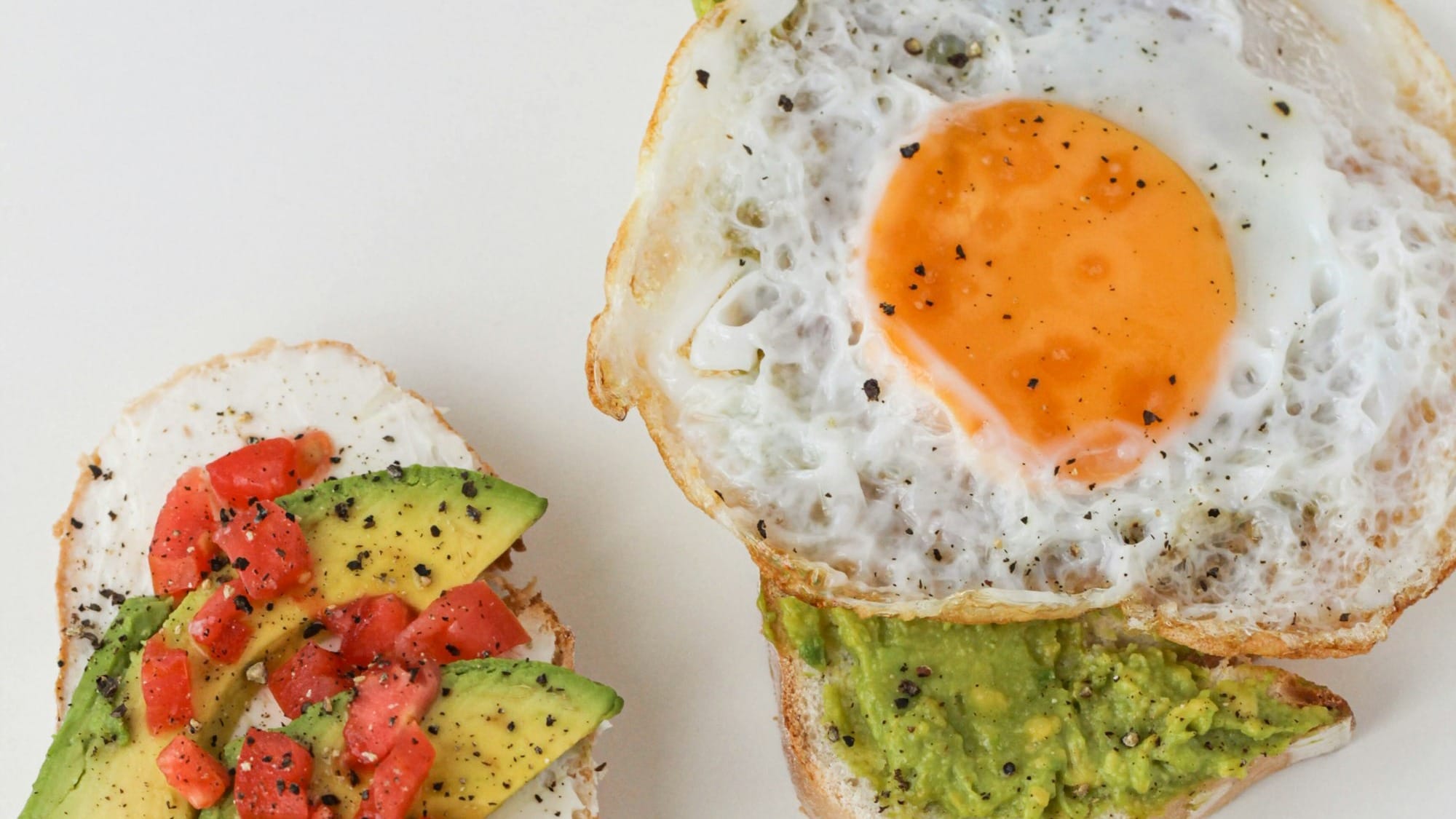
Classic avocado toast with the addition of fresh tomatoes and peppery EVOO — fresh, simple, and delicious. Using good bread makes or breaks the dish, so use a thick-cut whole-grain sourdough or country loaf.
If you want to increase protein content, add an EVOO fried egg, crumbled feta, or beans (mashed with garlic and lemon). The healthy fats from the avocado and EVOO help you absorb the fat-soluble vitamins and nutrients in the tomatoes1.
Ingredients (serves 2)
- 2 slices of thick-cut whole-grain or sourdough bread
- 1 ripe avocado (halved and pitted)
- 1 medium ripe tomato (sliced)
- 2 tbsp EVOO
- Optional: fresh basil or coriander leaves, microgreens, red chilli flakes, hemp seeds, or a squeeze of lemon juice.
Directions
- Toast the bread slices until golden and crispy.
- While the bread toasts, scoop the avocado flesh into a small bowl and mash it roughly with a fork, leaving some chunks for texture rather than making it completely smooth.
- Season the mashed avocado with a pinch of salt and pepper, then spread it generously over each slice of warm toast.
- Layer the tomato slices over the avocado, and season with another pinch of sea salt and drizzle with EVOO.
- Eat immediately while the toast is still warm and crispy.
4. Frittata with spinach, tomatoes and feta
Unlike omelettes that require some cooking skills, frittatas are a bit more forgiving; simply whisk the eggs with your filling, put it into a pan, and then into the oven. Frittatas can be stored and eaten later in the week, warmed or at room temperature.
Serve with a salad and whole-grain bread to turn this breakfast dish into a light lunch. The eggs, spinach, tomatoes and feta in this recipe create a high-protein, nutritionally balanced breakfast.
You can use different vegetable combinations like cooked courgettes, peppers, mushrooms, asparagus or artichokes. You’ll need a cast-iron or oven-proof pan.