Does an Apple a Day Keep the Doctor Away?
A review of the health benefits of apples. Learn whether an apple a day does keep the doctor away.

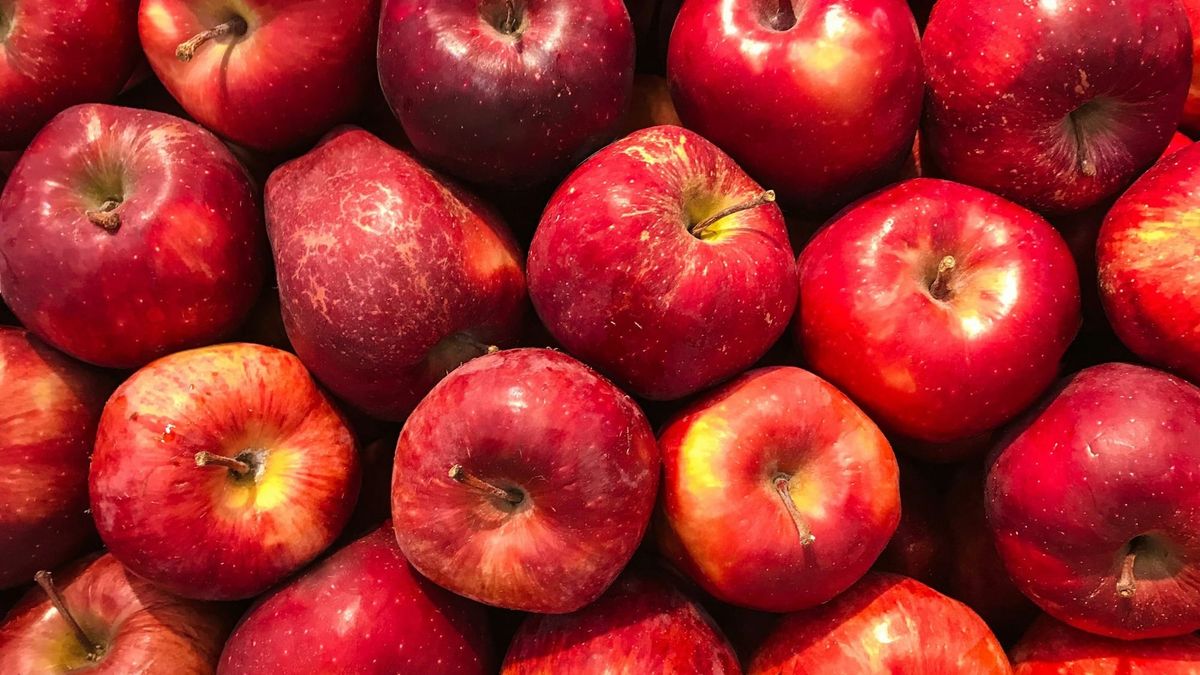
- Apples contain a unique combination of fibre, polyphenols, and vitamins that support heart health, blood sugar control, appetite and gut health.
- The evidence is solid. But eat them whole with the peel on. Juice loses the fibre and most of the beneficial compounds.
- An apple a day won't keep every doctor away, but it earns its place in a healthy diet. Cheap, available, and nutritious — the proverb largely holds.
The proverb “an apple a day keeps the doctor away” suggests that regular consumption of apples supports health and prevents diseases. This article examines the evidence for how apples contribute to nutrition and well-being.
While they may not have had access to modern scientific instruments, today we do. So does this cheap, humble fruit live up to its reputation? Believe it or not, researchers have investigated whether this proverb is true1. They analysed data from nearly 8,400 American adults to test whether apple eaters actually avoided doctor visits.
While daily apple eaters did show a tendency toward fewer doctor’s visits (39% of apple eaters avoided visits vs 34% of non–apple eaters), it wasn’t conclusive and likely to be due to something else (alongside eating an apple a day).
But before you abandon your daily apple, the researchers did report that apple eaters were less likely to be on prescription medication. So maybe “an apple a day keeps the medication at bay” is a more accurate reflection of the data.
Are apples good for you?
The magic of apples lies in their impressive nutritional profile, which can help contribute to your overall health. A medium apple contains essential vitamins, minerals, and lots of antioxidant plant compounds called polyphenols.
Several key polyphenols have been identified in apples, like catechins, hydroxycinnamic acids, and quercetin antioxidants2. The compound 'phloridzin' is particularly noteworthy, as it's almost exclusively found in apples (and related species). The apple peels contain the highest concentration of these beneficial compounds, particularly the red-skinned apples.
Recent studies show that red-fleshed apple varieties can contain up to six times more anthocyanins than white-fleshed varieties, which may explain their superior antioxidant values.
Beyond polyphenols, apples provide dietary fibre, with about 2-3% total fibre content. Approximately 70% of this is insoluble fibre, while the remaining 30% consists mainly of pectin, a soluble fibre linked to digestive health and potentially lowering blood cholesterol levels.
The fruit also delivers modest amounts of vitamin C, potassium, and trace minerals like zinc and iron, contributing to daily nutrient intake.
Health benefits of apples
A study found that eating antioxidant-rich apples improved blood vessel health in people at risk for cardiovascular disease3. The soluble fibre in apples has been shown to help prevent cholesterol buildup in artery walls, while the potassium content also helps support healthy blood pressure levels.
Despite containing natural sugars, apples have a low glycemic index. High consumption of apples (and pears) was associated with a lower risk of type 2 diabetes4. The polyphenols in the apple are thought to help manage blood glucose levels and improve insulin sensitivity.
Apple intake can also help weight loss, with the high fibre and water content (apples are about 85% water) helping promote fullness, without the calories5.
While no single food prevents cancer, apples’ polyphenol content shows promise, being associated with a lower risk of several cancers (like colorectal, breast and digestive tract).
Perhaps the most consistent finding across studies is apples' ability to combat oxidative stress and inflammation. These two processes fuel many chronic diseases. Research shows that consuming apples can reduce inflammation in overweight and obese adults6.
Apples can also positively impact your gut bacteria. The pectin fibre and polyphenols interact with gut microbiota, promoting beneficial bacteria species7.
This may explain some of apples' metabolic benefits, as a healthy gut microbiome has been shown to influence everything from immune function to mental health.
Eat the whole apple!
One critical finding needs highlighting: whole apples appear far superior to the apple juice. Juice lacks the fibre found in whole fruit, and many beneficial nutrients concentrate in the peel. So, apple juice is no substitute for the whole thing8.
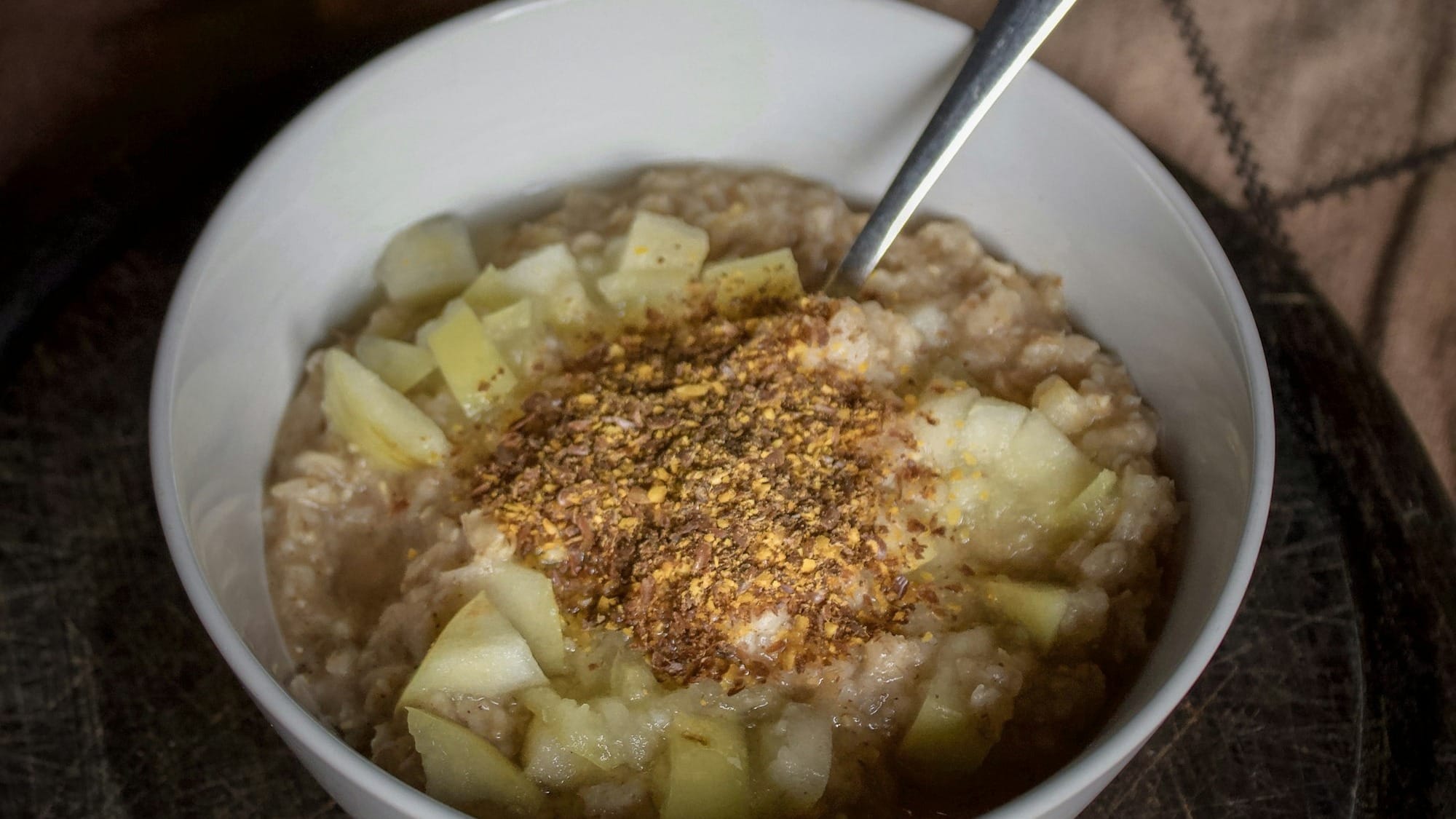
Apple and cinnamon overnight oats
Ingredients (serves 2)
- 1/2 cup (90 g) rolled oats
- 3/4 cup (180 mL) water, milk, plant milk or mix
- 1 medium apple, diced (keep the peel on)
- Optional: 1 tsp chia seeds, ½ tsp cinnamon, 1 tbsp walnuts, 1 tsp honey
Directions
- Combine all ingredients in a jar or container.
- Stir well, cover, and refrigerate overnight.
- In the morning, stir again and enjoy cold, or warm in the microwave for a minute or two.
- The oats absorb the moisture, while the apple pieces provide texture and natural sweetness.
Spinach and apple salad with tahini dressing
Ingredients (serves 2)
- 4 cups fresh spinach
- 2 medium apples, thinly sliced
- 2 tbsp tahini
- Juice of 1 lemon
- 1 tbsp extra virgin olive oil
- Optional: ½ cup (30 g) pumpkin seeds and dried cranberries
Directions
- Mix spinach with sliced apples, pumpkin seeds, and cranberries.
- Whisk together tahini, lemon juice, and olive oil
- Add water gradually until you reach the desired consistency.
- Season the dressing and drizzle it over the salad, and toss gently.
Baked apple “doughnut”
Ingredients (serves 2)
- 2 large apples, cored and sliced into rings
- 2 tbsp almond or peanut butter
- Optional: 1 tbsp ground flaxseed, a pinch of cinnamon
Directions
- Preheat oven to 350°F (175°C).
- Bake the apple rings for 10–12 minutes until slightly softened but not mushy.
- Remove from oven and let cool slightly.
- Spread nut butter on each apple ring and sprinkle with healthy toppings (e.g., flaxseed and cinnamon).
Bottom Line
So, does an apple a day truly keep the doctor away? Probably, but not by itself. There is good evidence suggesting that eating whole apples (and whole fruit in general) is beneficial for your health.
Apples contain a unique combination of fibre, vitamins, minerals, and phytonutrients, which cannot be replicated by a supplement, or possibly even a mixture of other healthy foods. But for best practice, eat them whole with the peel on.
While an apple a day, alone, will not guarantee you stay out of the hospital, it certainly has its place in a healthy diet. Looks like the proverb pretty much holds. Apples are cheap, readily available, tasty and come in their own natural, healthy edible packaging that keeps them edible for weeks.
Sources
- Davis MA et al. Association between apple consumption and physician visits: appealing the conventional wisdom that an apple a day keeps the doctor away. JAMA Intern Med. 2015 May;175(5):777-83. PMID: 25822137
- Boyer J & Liu RH. Apple phytochemicals and their health benefits. Nutr J. 2004 May 12;3:5. PMID: 15140261
- Bondonno NP et al. Flavonoid-Rich Apple Improves Endothelial Function in Individuals at Risk for Cardiovascular Disease: A Randomized Controlled Clinical Trial. Mol Nutr Food Res. 2018 Feb;62(3). PMID: 29086478
- Guo XF et al. Apple and pear consumption and type 2 diabetes mellitus risk: a meta-analysis of prospective cohort studies. Food Funct. 2017 Mar 22;8(3):927-934. PMID: 28186516
- Conceição de Oliveira M et al. Weight loss associated with a daily intake of three apples or three pears among overweight women. Nutrition. 2003 Mar;19(3):253-6. PMID: 12620529
- Liddle DM et al . Apple consumption reduces markers of postprandial inflammation following a high fat meal in overweight and obese adults: A randomized, crossover trial. Food Funct. 2021 Jul 21;12(14):6348-6362. PMID: 34105575
- Koutsos A et al. Apples and cardiovascular health--is the gut microbiota a core consideration? Nutrients. 2015 May 26;7(6):3959-98. PMID: 26016654
- Minissian MB. An Apple a Day Keeps the Doctor Away, but It May Not Be Worth the Squeeze. J Am Heart Assoc. 2023 Dec 5;12(23):e031970. PMID: 38052651