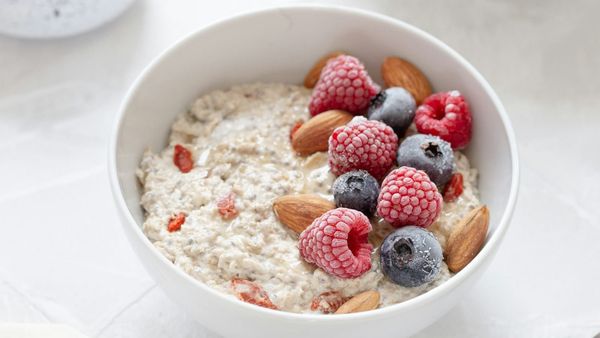
Hara Hachi Bu: The Japanese Practice of Eating to 80% Full
An overview of hara hachi bu, the Japanese practice of eating to 80% fullness, and its role in weight control, health and longevity.

- Hara hachi bu (eating until 80% full) is a traditional Okinawan practice linked to longer life and better health.
- Satiety signals take around 20 minutes to reach your brain. Hara hachi bu prevents overeating that leads to bloating, fatigue and obesity.
- Hara hachi bu is not a diet — it's a mindset shift. Slow down, use smaller plates, remove distractions, and let your body catch up.
“Hara Hachi Bu” is a Japanese principle that advises eating until you're 80% full to maintain good health. This article explores its benefits and how it can support healthy eating habits and body weight.
If you feel sluggish, bloated, or uncomfortable after meals, you may be eating past the point your body actually needs. This centuries-old Japanese principle offers a simple solution: “Eat until you are no longer hungry, not until you are full”.
The practice, known as hara hachi bu, has been part of Japanese "Okinawan" culture for generations. It is as far from a modern diet trend as can be. It is a deliberate "mindful" approach to eating that supports healthy ageing, long-term weight control, and general health.
What is hara hachi bu? (and where does it come from?)
Hara hachi bu (腹八分目) translates directly to “belly 80% full". It encourages you to stop eating a meal before reaching fullness; it treats food as nourishment rather than entertainment, a reward, or emotional clutch.
The principle is deeply embedded in Okinawan daily life. Older generations traditionally recite the phrase before meals as a reminder to eat mindfully and moderately.
Historically, the practice evolved during periods of food scarcity, when careful rationing was needed. Like most good innovations, it comes from necessity. Over time, practitioners have developed strategies such as chewing thoroughly, using smaller plates, and pausing mid-meal became normal.
These habits are now thought to contribute to some of the best health outcomes in the world.
Hara hachi bu and the Okinawan blue zone
Okinawa is one of the world's recognised “Blue Zones” — regions where people live the longest, healthiest lives. Okinawa Island has roughly 60 centenarians per 100,000 residents (three times more than the US), and Okinawan elders also maintain exceptional health well into their 80s and 90s.
Rates of heart disease, diabetes, cancer, and dementia are much lower than in the West. Lifestyle factors such as strong community ties and daily movement matter as well, but diet is consistently cited as a primary driver of their health. Hara hachi bu, combined with a nutrient-dense, plant-based eating pattern, appears central to traditional Okinawan health and longevity.
What does the science say about eating until 80% full?
Hara hachi bu functions as a natural form of moderate calorie restriction, a practice that has been well studied. Okinawans traditionally consumed about 1,900 kcal per day, which is roughly 10-25% less than most recommendations, and over half of what Americans actually eat (~3,800 kcal a day).
Importantly, they achieved this without strict dieting or hunger — they simply stopped eating a bit earlier than they'd like.
Scientific evidence supports the health benefits of this approach. Calorie restriction without malnutrition has been shown to improve cardiometabolic health, reduce oxidative stress, and promote healthy ageing1.
Research on traditional Okinawan diets shows that mild, long-term calorie restriction combined with nutrient-dense foods is linked to longer life-expectancy and lower age-related death rates compared with the (already relatively healthy) mainland Japanese people2.
These findings suggest that consistent, moderate reduction in your energy intake — achieved through mindful eating practices (such as hara hachi bu) — may support healthy ageing.
How to know when you're 80% full
When your stomach starts filling with food, it starts to expand (and stretch). There are "stretch receptors" in your stomach that sense this and send an "I'm getting full" signal to your brain, which stops you from eating.
"Satiety hormones" from your gut (e.g., CCK, PYY, GLP-1, GIP) are released when there's food in it, telling you "I'm full." Release of hunger hormones like ghrelin is also decreased at the same time, making you less hungry. These changes take about 20 minutes3.
If you eat soft, processed foods quickly until you feel "full", you have probably already overshot your body's needs — bypassing these satiety signals. By the time your appetite hormone signals reach your brain, you've overeaten, and discomfort or drowsiness often sets in.
Stopping at 80% full aligns more closely with your true physiological needs. Ten to twenty minutes after the meal ends, most people feel comfortably satisfied rather than "stuffed". Hara hatchi bu can prevent this overshoot.
Can hara hachi bu improve longevity?
Although a healthy body weight is a natural outcome of hara hachi bu, there are other benefits besides the number on the scale.
- Reduced oxidative stress: Overeating accelerates oxidative stress, a process in which "free radicals" damage cells and tissues. People who practice moderate calorie restriction exhibit lower oxidative stress markers, which are associated with a lower risk of cardiovascular disease and certain cancers4.
- Improved metabolic health: Moderate calorie reduction improves your insulin sensitivity, fat metabolism and reduces inflammation. These changes significantly lower your risk of type 2 diabetes and getting fat5.
- Better digestive health: Smaller meals reduce the work the digestive system has to do. It minimises bloating and may improve nutrient absorption. Many people report greater afternoon alertness and fewer post-meal crashes in energy levels.
- Cognitive function: Emerging evidence links lower calories to improved cognitive function in ageing, potentially lowering dementia risk.
- Meal satisfaction: Paradoxically, eating less can increase the enjoyment of food. When eating becomes mindful rather than automatic, flavours and textures are more noticeable, and satiety arrives sooner.
How to practise hara hachi bu in everyday life: practical strategies
The principle is simple, but applying it consistently takes practice. The following tips hopefully make it easier in a modern environment that encourages overeating.
- Eat slowly: Chew thoroughly and pause between bites. Slowing down gives satiety signals time to catch up, reducing the likelihood of overeating.
- Use smaller plates: Visual cues matter. Smaller dishes create a sense that there is enough food on your plate, and it naturally reduces portion size without triggering a sense of restriction.
- Remove distractions: Avoid eating while working, watching screens, or scrolling on your phone. Distractions disconnect you from internal hunger cues and lead to passive overeating.
- Pause mid-meal: Halfway through your meal, set your utensils down and evaluate your hunger. This small interruption improves awareness and helps you identify when 80% full is approaching.
- Start with smaller portions: Serve yourself a bit less than you would normally. If you really need more, you can return for a small second portion. The "clean your plate" rule practised around the world may be counterproductive.
- Focus on nutrient-dense foods: Foods high in fibre, protein, and micronutrients — such as vegetables, legumes, fish, and whole grains — promote satiety more effectively than refined carbohydrates or ultra-processed food.
- Eat with others: Sharing meals naturally slows eating pace and increases mindfulness.
- One-bite rule: If you're new to the practice, start by leaving one bite behind. Over time, work toward stopping with a noticeable but comfortable sense of when you're not hungry anymore.
- Listen to your body: Estimate what 80% full means for you. Over time, you will develop a reliable intuition for when to stop eating.
Challenges and considerations
Modern food environments are engineered for overconsumption — large portions, soft, processed, calorie-dense foods, and social expectations to “clean your plate” can make hara hachi bu challenging.
Additionally, this approach is not appropriate for everyone. It is not suitable for children, pregnant or breastfeeding women, competitive athletes, or people recovering from illness or eating disorders. Perfection is not the goal. The practice works best when used as a general guideline rather than a rigid rule.
Frequently Asked Questions
What does hara hachi bu mean?
Hara hachi bu (腹八分目) is a Japanese phrase that translates to "belly 80% full." It is a Confucian-derived principle practised in Okinawa, Japan, that encourages stopping eating before reaching fullness — roughly when you feel satisfied but not stuffed. It naturally restricts calorie intake without any tracking or counting.
Does hara hachi bu help with weight loss?
Yes — by stopping eating at 80% fullness rather than 100%, most people naturally consume 10–20% fewer calories per meal without tracking or restricting specific foods. It's associated with lower body weight over time.
Why does it take 20 minutes to feel full?
Satiety signals travel from your stomach and gut to your brain via hormones (including CCK, PYY, and GLP-1) and stretch receptors in the stomach wall. This signalling process takes approximately 15–20 minutes from the time food enters your stomach. Eating too quickly until you feel full means you've probably already overshot your body's actual needs by the time the signal arrives.
How many calories does hara hachi bu save per day?
Traditional Okinawans consuming roughly 1,900 kcal/day, which is approximately 300–500 fewer calories than your typical Western diet. It is also about 10–25% less than standard dietary recommendations.
How do you practise hara hachi bu?
Key practices include: eating slowly and chewing thoroughly (at least 20 chews per mouthful); pausing midway through a meal to assess your hunger level; using smaller plates and bowls to reduce portion sizes; avoiding screens and distractions during meals, and not eating to a fixed "clean plate" but stopping when satisfied rather than stuffed.
Is hara hachi bu a type of intermittent fasting?
No — hara hachi bu is a mindful eating practice focused on meal portion size and moderation. Hara hachi bu addresses how much you eat at each meal, while intermittent fasting controls when you eat. Both produce calorie reduction, but in different ways.
Does hara hachi bu work for people who tend to overeat?
Yes, its particularly useful for people who overeat out of habit rather than for genuine hunger. Try starting with one meal per day is as first step before progressing.
Is hara hachi bu a diet or a lifestyle philosophy?
Hara hachi bu is part of a broader Okinawan philosophy that values balance, restraint, and mindfulness. It aligns with cultural concepts such as “wabi-sabi” (appreciating imperfection) and “ichi-go ichi-e” (valuing each moment). These principles emphasise intentionality and moderation in daily life.
These traditional practices contrast sharply with modern norms of abundance and excess. Hara hachi bu offers a model for sustainable, enjoyable eating that supports both physical and mental health. But it is not a restrictive diet or a short-term crash diet. It is a sustainable eating pattern supported by both cultural history and scientific research.
By stopping at 80% fullness, you align your eating with your body's natural satiety mechanisms, reduce physiological stress, and support healthier ageing. The practice is simple: slow down, pay attention, and stop before you are fully full.
Over time, this small shift can deliver meaningful results — better digestion, improved metabolic health, healthier body weight, and possibly even longer life expectancy.
Sources
- Most J et al. Calorie restriction in humans: An update. Ageing Res Rev. 2017 Oct;39:36-45. PMID: 27544442
- Willcox DC et al. The Okinawan diet: health implications of a low-calorie, nutrient-dense, antioxidant-rich dietary pattern low in glycemic load. J Am Coll Nutr. 2009 Aug;28 Suppl:500S-516S. PMID: 20234038
- Blundell J et al. Appetite control: methodological aspects of the evaluation of foods. Obes Rev. 2010 Mar;11(3):251-70. PMID: 20122136
- Sohal RS & Weindruch R. Oxidative stress, caloric restriction, and aging. Science. 1996 Jul 5;273(5271):59-63. PMID: 8658196
- Kraus WE et al. 2 years of calorie restriction and cardiometabolic risk (CALERIE): exploratory outcomes of a multicentre, phase 2, randomised controlled trial. Lancet Diabetes Endocrinol. 2019 Sep;7(9):673-683. PMID: 31303390