Mediterranean Diet
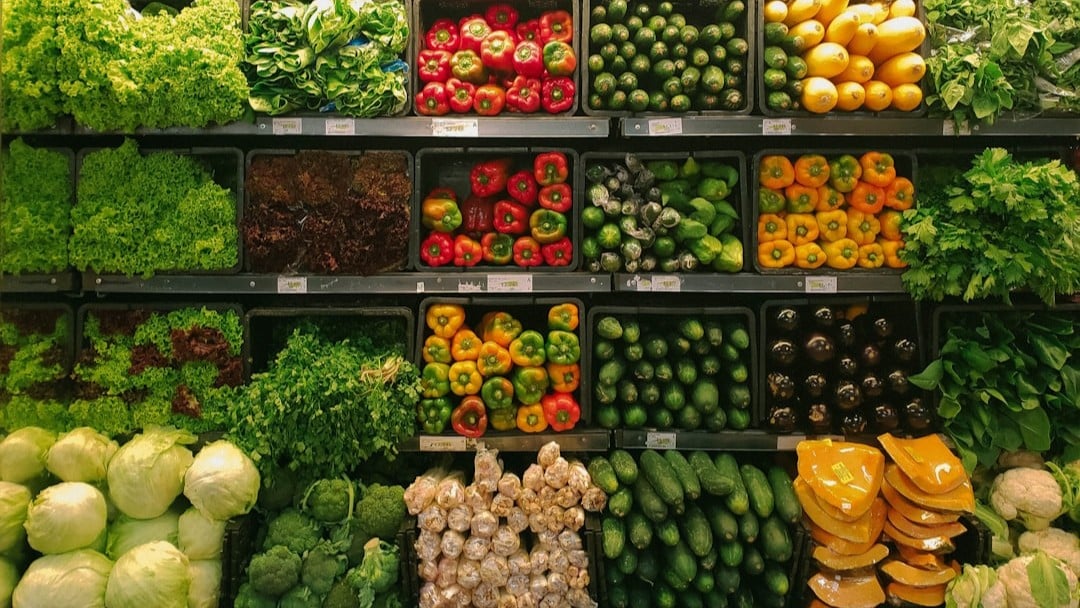
The Mediterranean diet is based around eating vegetables, fruits, whole grains, legumes, nuts, olive oil as the main fat, eating fish with some meat, and drinking wine with meals. It’s not a prescriptive diet with hard rules and forbidden foods; it's culture, and the most researched one in the world! This page gives you evidence-based resources, meal plans, and recipes on it.
Mediterranean Lifestyle Course
It's not just a diet, it's a philosophy. It's the most researched lifestyle on the planet: there's a reason why they're healthier, happier, and live longer.
Sign up for this FREE introductory course and learn how they cook, eat, move, and live. You'll get 1 email every 3 days for 28 days.
RECIPES & MEAL PLANS
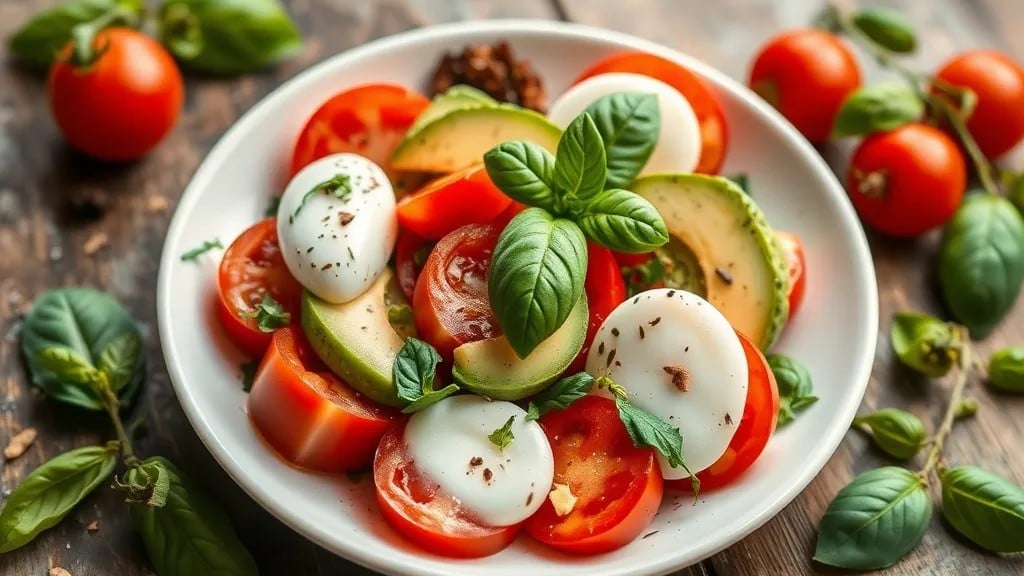
Mediterranean Diet 7-Day Meal Plan & Recipe Ideas

7 Pantry Essentials for the Mediterranean Diet

7 Simple Mediterranean Diet Breakfast Ideas
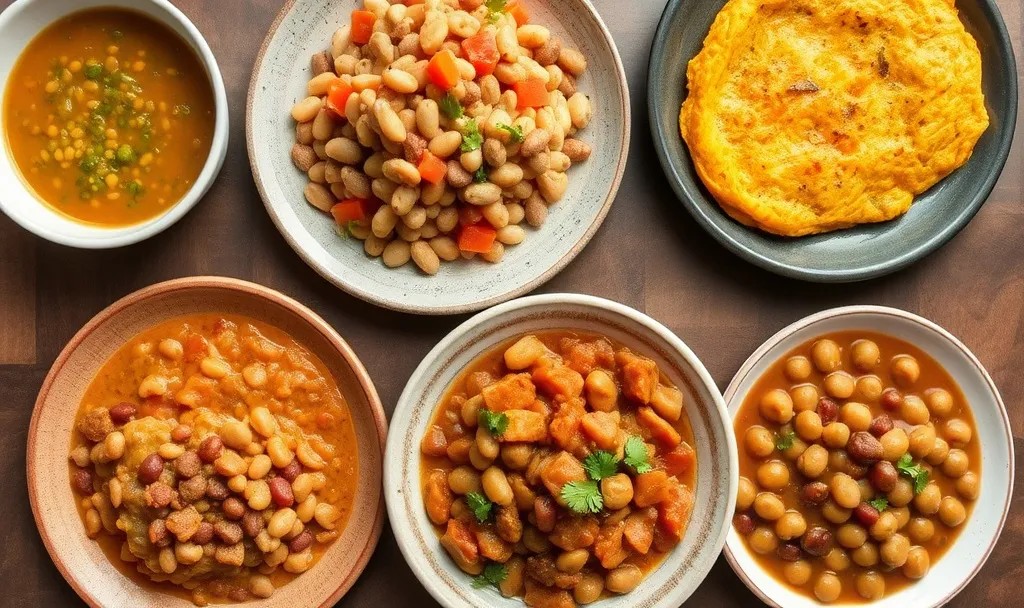
5 High-Protein Mediterranean Recipes for Under $1 a Serving
Vegetables, fruits, whole grains, legumes, nuts, olive oil, and regular fish, with smaller amounts of poultry, dairy, and eggs. Meals are based on minimally processed foods, plant-based cooking, and, moderate, balanced portions rather than strict rules.
Staples include olive oil, leafy vegetables, tomatoes, legumes, whole grains, nuts, seeds, fish, fruit, herbs and spices. These form the foundation of most meals providing fibre, healthy fats, and micronutrients linked to long-term health.
Nothing is really "forbidden", but highly processed foods, refined sugars, processed meats, and red meat are limited. The diet prioritises whole, minimally processed foods over rigid rules and regs.
Water is the primary drink, with coffee and teas also allowed. Moderate wine with meals is traditional but optional, and not recommended if you don’t already drink alcohol.
Yogurt with fruit and nuts, whole-grain bread with olive oil, eggs with tomato sauce, or leftovers from dinner. The emphasis is on nutrient-dense foods rather than sugary, processed foods.
HEALTH BENEFITS

Mediterranean Diet for Weight Loss and Health
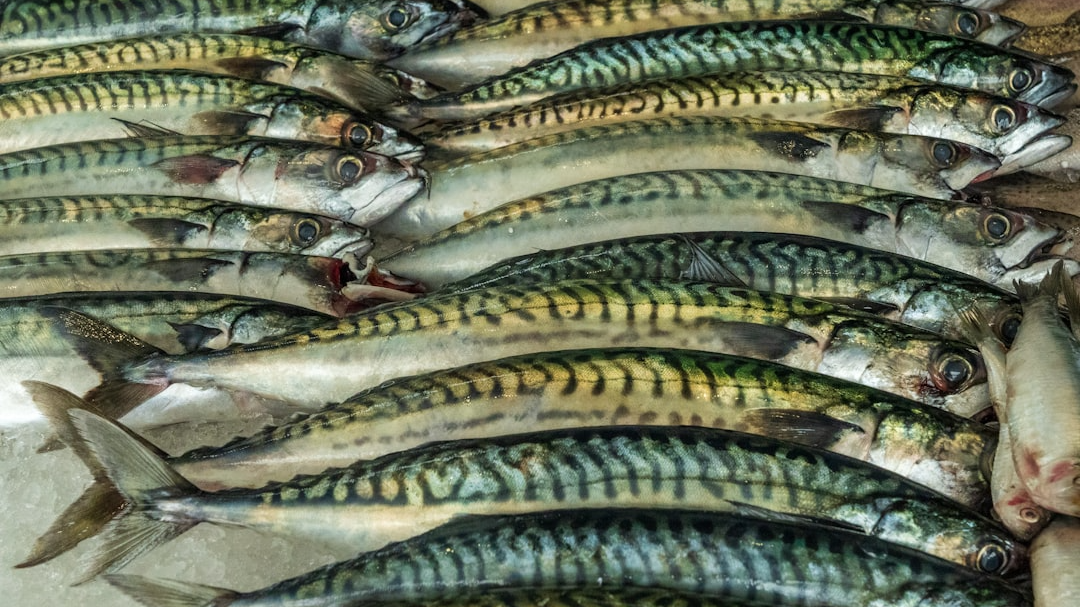
Health Benefits of Oily Fish
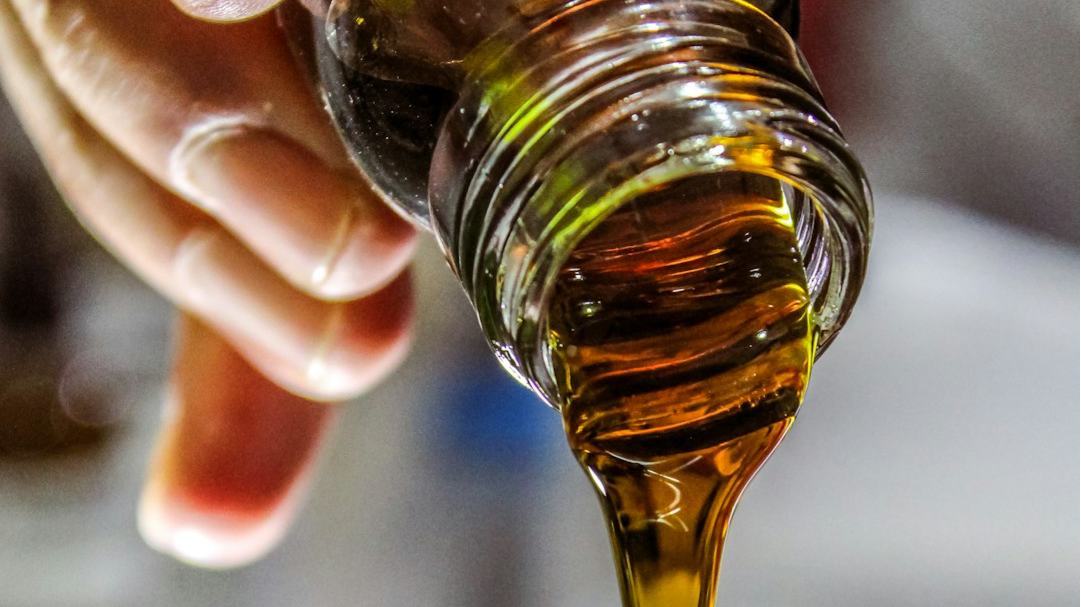
Health Benefits of Olive Oil
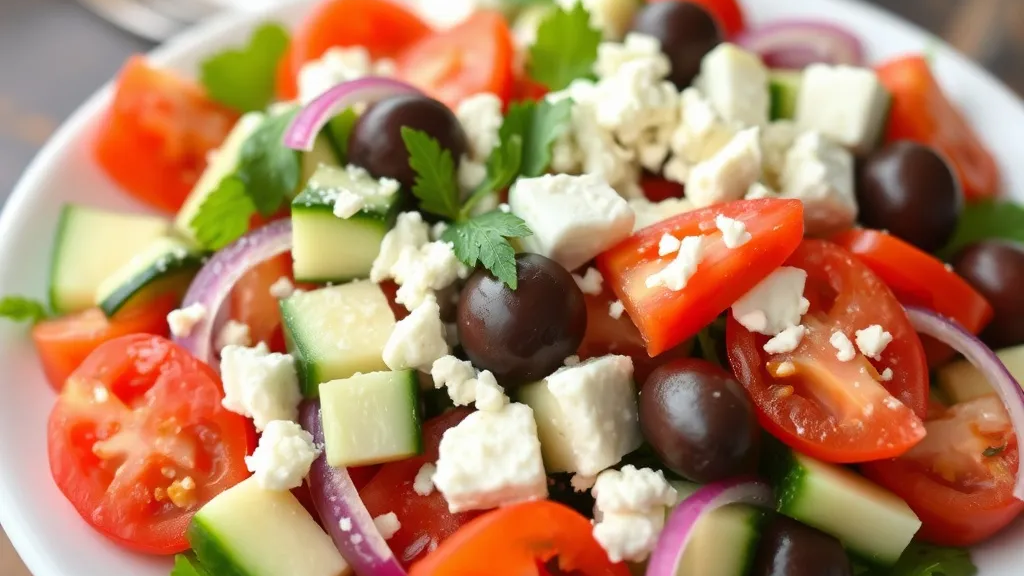
Mediterranean Diet: A Review ★★★★★
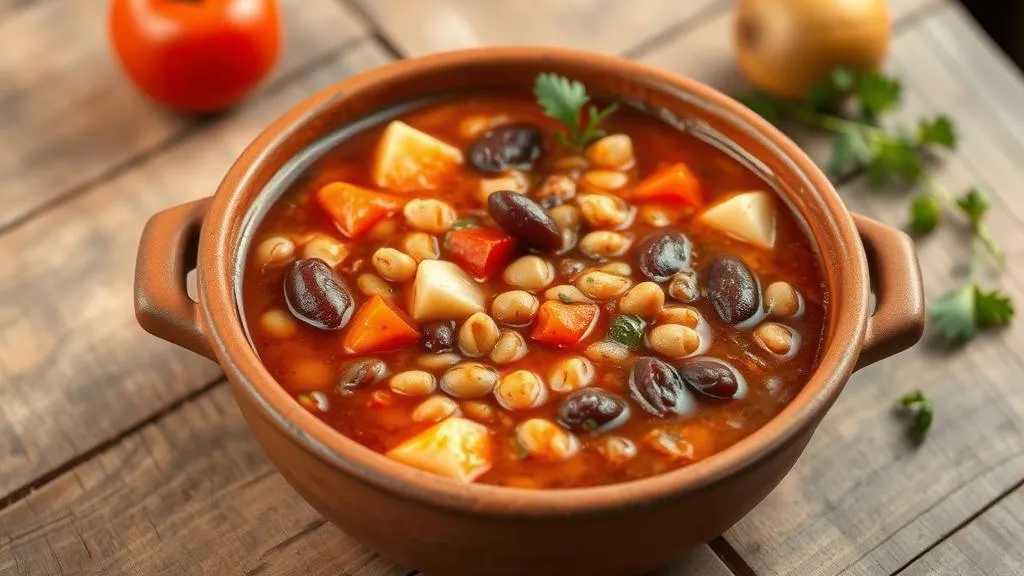
Blue Zone Diet: A Review ★★★★☆
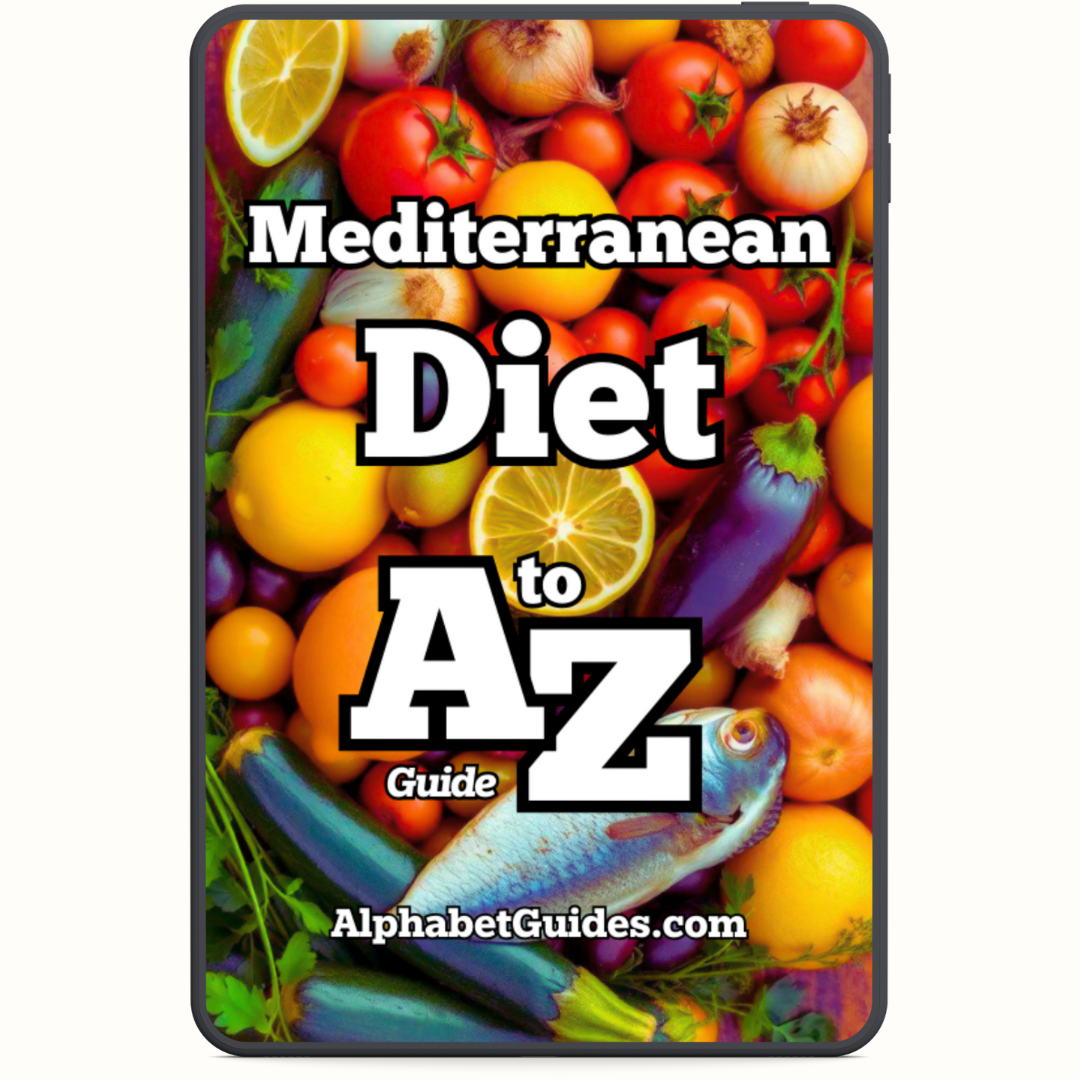
Mediterranean Diet Guide
An evidence-based guide to the Mediterranean diet, exploring 26 topics and authentic recipes. From healthy ageing and hummus to weight loss and shakshuka: practical guidance for health, vitality and delicious everyday eating.
$6.99
PLANT-BASED EATING
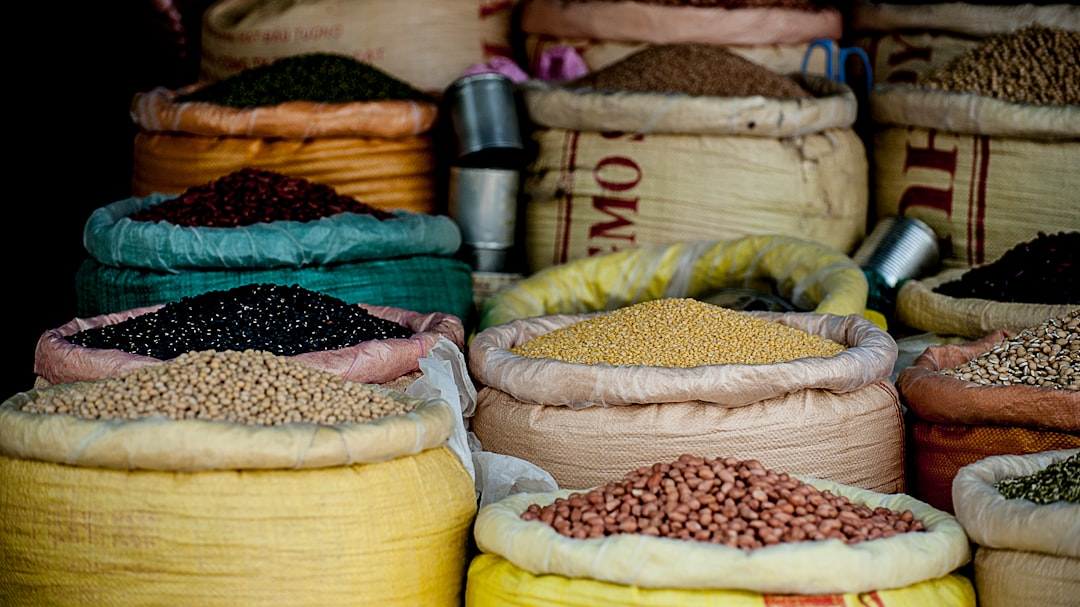
Plant-Based Diets
Plant-based, plant-first eating scales from flexitarian to full vegan. Plant-based diets are good for your heart, your metabolism, your health, your pocket and the planet.
Explore practical meal plans, recipes, and how to optimise plant-based nutrition — sustainably and affordably. Not all plant-based diets are equal.
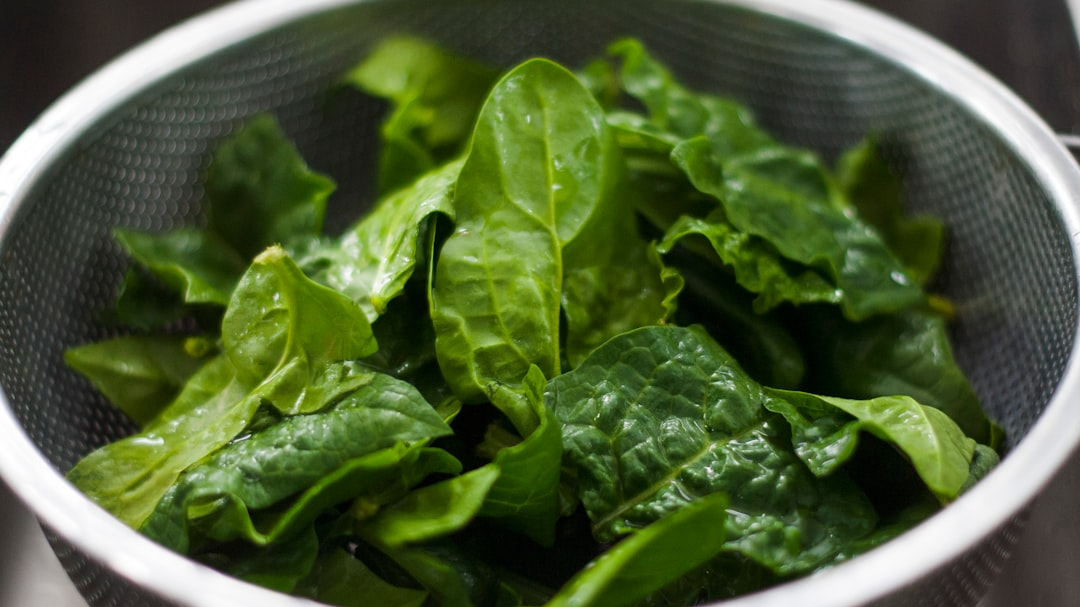
Health Benefits of Leafy Greens
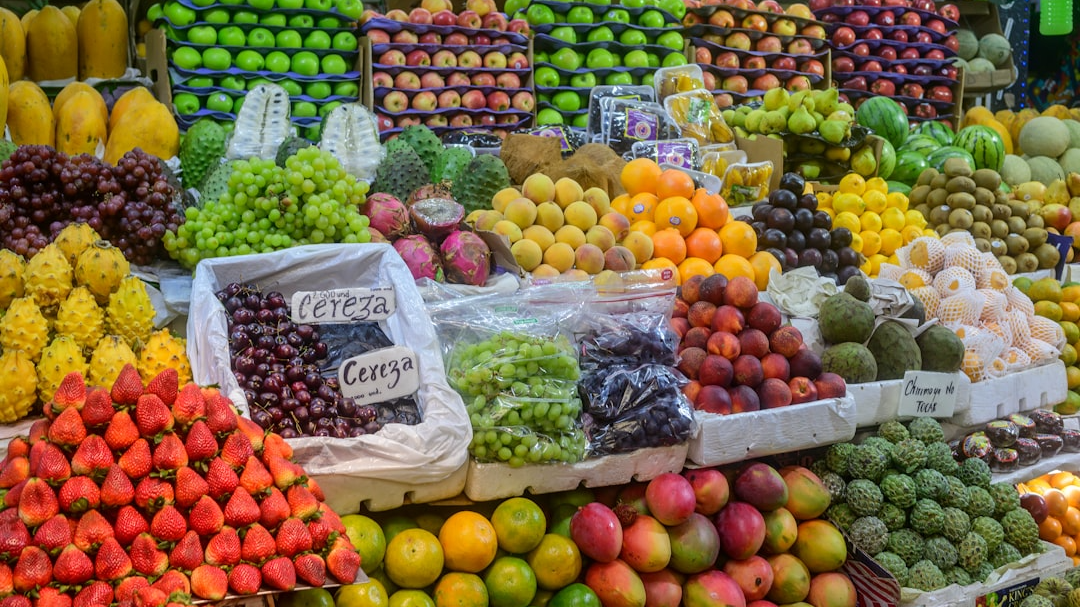
Which Colour Vegetables are Healthiest?
Our Editorial Approach
Alphabet Guides publishes practical evidence-based content using trustworthy, peer-reviewed research: information you can actually use. Learn more About Us and our Editorial Standards.