5 High-Protein Mediterranean Recipes for Under $1 a Serving


5 High-Protein Mediterranean Recipes for Under $1 a Serving

By R.Davies, PhD・Mediterranean Diet
Updated on April 06, 2026


High-protein Mediterranean dishes combine nutrient-dense ingredients and have health benefits. This article presents five recipes that are easy to prepare and budget-friendly.

The Mediterranean diet has long been celebrated for balancing flavour and health benefits

However, some people assume it’s expensive, elitist, difficult to access or difficult to cook. In reality, this couldn't be further from the truth. 

Most traditional Mediterranean dishes were born from “cucina povera” or peasant cooking”. This means simple meals built from legumes, grains, vegetables, herbs, and cheap proteins.

These foods are nutritious, plant-based, high in protein, fibre, and affordable. Below are five high-protein Mediterranean dishes you can make for under $1 per serving. 


1. Greek "Fakes"

Greek Fakes (pronounced fah-KESS) is one of the best-loved “everyday” dishes in Greece. It's an earthy lentil soup enjoyed for generations. 

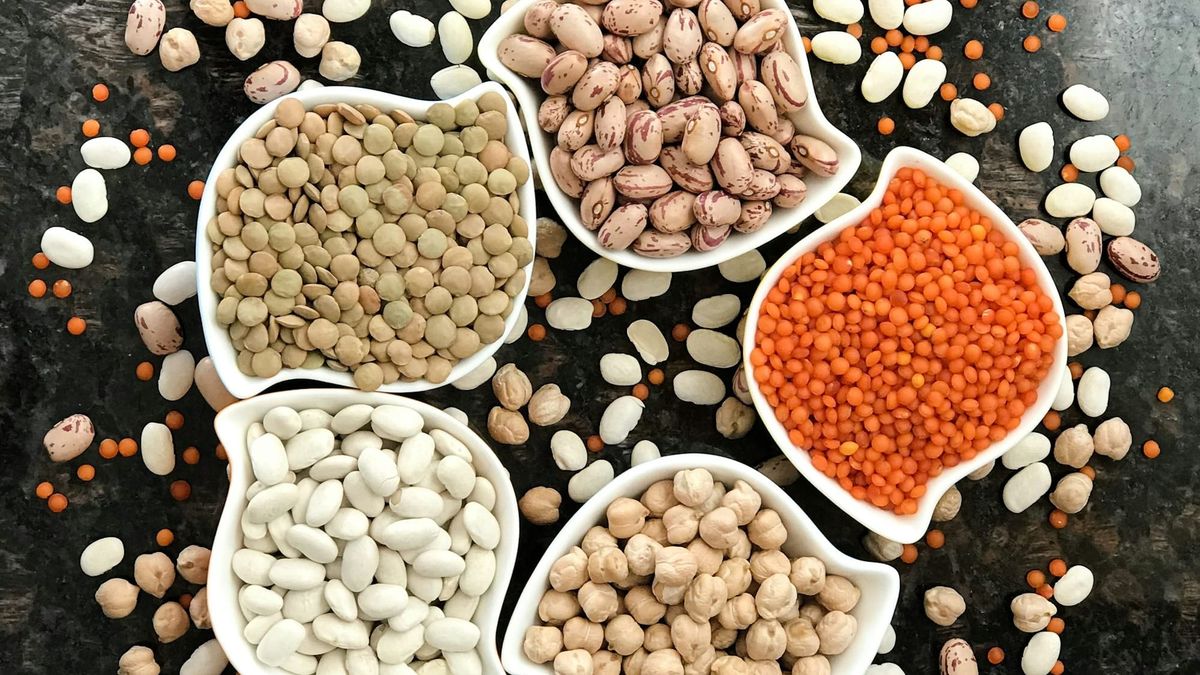
Lentils have been part of Mediterranean diets since antiquity. They are valued for their long shelf life, low-cost, and high protein content. 

Along with lentils, Fakes relies on other humble ingredients like onion, tomato, and olive oil, simmered together. Its high protein content comes entirely from the lentils, making it an option for those seeking plant-based protein. 

It's cheap, filling, and rich in fibre, iron, and antioxidants. It embodies how traditional Mediterranean diets achieve nutrition from simple foods.

Ingredients

  • Brown or green lentils
  • Onion
  • Carrot
  • Garlic
  • Tomato paste or crushed tomato, 
  • Dried Herbs: Thyme, Oregano, Bay leaf
  • Olive oil
  • Vegetable stock or bouillon

Nutrition (approx. per serving)

Kcal: 280; Protein: 14 g; Carbs: 40 g; Fat: 7 g
Source of: Iron and folate.

Instructions

  1. Dice and sauté the onion, carrot, and garlic in a small amount of olive oil. 
  2. Add lentils, tomatoes, and herbs. Crush the tomatoes in the pan with a wooden spoon.
  3. Cover with vegetable stock and simmer until the lentils are soft (~45 minutes). 
  4. Season and finish with a splash of red wine vinegar, olive oil and crusty bread.

    2. "Pasta e Ceci" (Chickpea & Pasta Stew)

    Pasta e Ceci (CHEH-chee) is a classic Italian dish from the central and southern regions, especially Rome and Campania. 

    Historically, a poor man’s dish, it combines pantry staples — chickpeas, garlic, rosemary, and pasta. 

    This dish is high in quality plant-protein thanks to the combination of chickpeas and pasta, and offers "slow-release" carbohydrates and fibre. 

    Its creamy texture comes from simmering the chickpeas until they break down naturally and thicken the sauce. 

    Because every ingredient is cheap and shelf-stable, Pasta e Ceci is one of the best Mediterranean diet meals for anyone cooking on a budget.

    Ingredients

    • Canned or cooked chickpeas
    • Small pasta (ditalini, elbows, penne)
    • Garlic
    • Olive oil
    • Tomato or tomato paste
    • Vegetable stock or bouillon
    • Rosemary
    • Salt & pepper

    Nutrition (approx. per serving)

    Kcal: 350; Protein: 13 g; Carbs: 55 g; Fat: 8 g
    Source of: Manganese and iron

    Instructions

    1. Slice the garlic and sauté it with the rosemary in olive oil. 
    2. Add chickpeas and a little tomato purée or whole tomatoes. 
    3. Pour in the vegetable stock and simmer for a few minutes. 
    4. Add pasta and cook until tender (~10 minutes). 
    5. Season and mash some chickpeas and mix them into the liquid to thicken the stew.

    3. "Ful Medames" (Fava Bean Stew)

    Ful Medames is one of the oldest documented dishes in the Med. It has been eaten in Egypt for thousands of years and is still a breakfast staple across the Eastern Mediterranean. 

    It is traditionally cooked in large clay pots, containing slow-simmered fava beans mixed with lemon, garlic, cumin, and olive oil. 

    Fava beans (or broad beans) are one of the highest-protein legumes. With beans costing pennies, and the remaining ingredients just basic flavourings, it is one of the most cost-effective high-protein meals around. 

    Ingredients

    • Cooked or canned fava beans
    • Garlic
    • Lemon juice
    • Cumin
    • Olive oil
    • Salt & pepper
    • Vegetable stock or bouillon
    • Optional: chopped parsley, fresh tomato

    Nutrition (approx. per serving)

    Kcal: 300; Protein: 13 g; Carbs: 45 g; Fat: 7 g
    Source of: Folate and magnesium.

    Instructions

    1. Warm the fava beans with a splash of water, fava bean liquid or some vegetable stock. 
    2. Once warmed and softened, lightly mash the fava beans for a thicker texture. 
    3. Add the crushed garlic, cumin, lemon juice and stir in olive oil and season. 
    4. Cook for a few more minutes to let the flavours meld and take the raw edge off the garlic. 
    5. Garnish with parsley and/or tomato if available. Serve with crusty bread.

    4. "Tortilla" (Potato–Egg Omelette)

    The Spanish tortilla is a national culinary symbol, yet so simple. It’s eaten hot, cold, sliced, in sandwiches, or as tapas. 

    Eggs and potatoes have long been staple ingredients in Spanish households, providing protein and carbohydrates at minimal cost. 

    This dish offers high-quality protein from the eggs along with slow-burning carbohydrates from potatoes. A traditional tortilla uses a generous amount of olive oil, but you can create a lighter version that remains authentic, flavourful, and protein-rich.

    Ingredients

    • Eggs
    • Potatoes
    • Onion
    • Olive oil
    • Salt
    • Optional: black pepper

    Nutrition (approx. per slice)

    Kcal: 250; Protein: 11 g; Carbs: 22 g; Fat: 12 g
    Source of: vitamin B12 and potassium

    Instructions

    1. Gently cook sliced potatoes and onions in olive oil until tender. 
    2. Beat eggs well in a bowl and season. 
    3. Combine potatoes and onions with eggs. 
    4. Pour the mixture back into a pan and cook until set. 
    5. Flip or finish under the broiler/grill until firm and golden brown on both sides.

    5. Tuna & White Bean Salad 

    Across Italy and Spain, tuna and bean salads are beloved pantry meals. They're quick, protein-rich, and built entirely from inexpensive ingredients. 

    Traditionally, they are made with canned tuna and white beans (such as cannellini or navy beans). This dish provides protein with no cooking. 

    Herbs, lemon, and olive oil transform basic pantry items into a meal rich in omega-3s, fibre, and minerals. 

    Ingredients

    • Canned tuna
    • Cooked or canned white beans
    • Lemon juice
    • Olive oil
    • Parsley or dried herbs
    • Salt & pepper
    • Optional: red onion

    Nutrition (approx. per serving)

    Kcal: 320; Protein: 24 g; Carbs: 22 g; Fat: 12 g
    Source of: omega-3 fatty acids and iron

    Instructions

    1. Drain the tuna and the beans. 
    2. If you're using tuna in olive oil, use this oil instead. 
    3. Combine both ingredients in a bowl and break up the tuna into chunks. 
    4. Add lemon juice, thinly sliced red onion (optional), olive oil, herbs, and seasoning. 
    5. Stir gently to avoid breaking beans. 
    6. Serve chilled or at room temperature with crusty bread.

    Key Takeaways

    Despite its reputation for olive oil, seafood, and fresh produce, the Mediterranean diet is actually built on inexpensive, highly nutritious staples that have nourished people for centuries. 

    Lentils, chickpeas, fava beans, eggs, and canned fish remain some of the most accessible, affordable, high-quality protein sources in the world.

    All while enjoying the health benefits of fibre-rich legumes, healthy fats, and some essential micronutrients.


    Published: November 30, 2025

    Updated: April 06, 2026

    Lead Author: R.Davies, PhD | Author Bio

    Alphabet Guides provides independent, evidence-based information you can trust. Learn more about our Editorial Standards.

    Disclaimer: The information on this website is for educational purposes only. It should not be used as a substitute for medical advice from a qualified healthcare professional.