Which Colour Vegetables are Healthiest?
Learn why eating rainbow-coloured vegetables matters for health. Get phytonutrient-rich recipes for each colour.


- Eating a variety of coloured vegetables provides extra health benefits beyond simply eating more vegetables.
- Red vegetables contain lycopene; orange and yellow provide carotenoids; purple and blue supply anthocyanins, each having different health benefits
- Aim for at least two different colours of vegetables per meal and cover each colour group once a week.
Vegetable colour reflects different 'phytonutrients' and 'antioxidants' that have specific health effects. This article summarises how colour relates to nutrition and which coloured vegetables are healthiest.
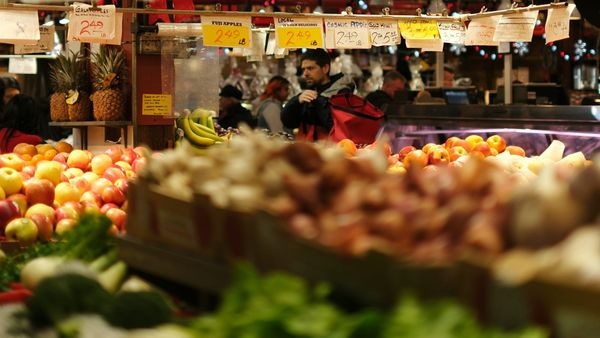
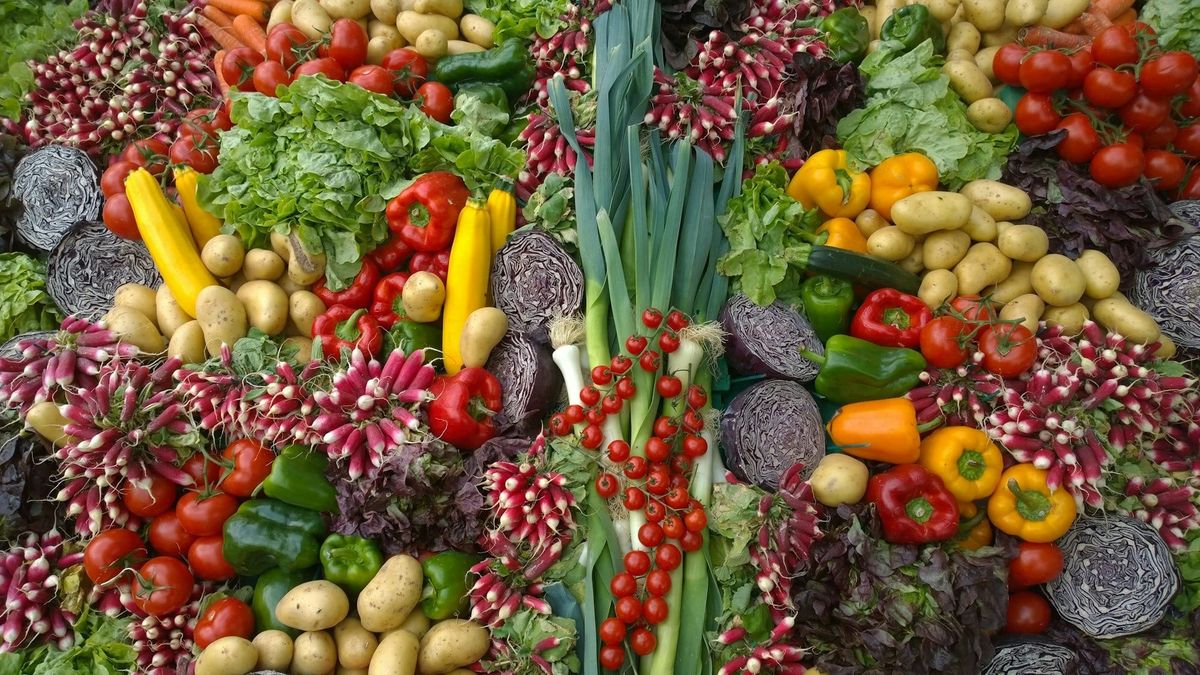
Walk through any produce market, and you'll notice vegetables come in a wide variety of different colours — deep purples, reds, yellows, greens, even pristine whites.
These colours aren't just visually appealing; they're nature's way of signalling different nutrients and health benefits. They are coloured and vibrant because they want to be eaten. They want to spread their seed, wide and far. The pigments that give vegetables their colours are also 'phytonutrients'.
Research involving over 37 million people found that consuming a variety of different coloured vegetables provides unique health benefits beyond simply eating more vegetables overall1. Different colours correspond to different types of phytonutrients, each working in different ways in your body.
The “eat the rainbow” rule offers simple, practical advice for ensuring nutrient diversity in the diet. Rather than obsessing over measuring and counting individual nutrients, simply include multiple colours in your weekly meals.
Red and pink vegetables
Tomatoes, red peppers, red cabbage, radicchio, and radishes owe their colour to compounds like lycopene and anthocyanins. Lycopene, particularly rich in tomatoes, has been studied for its potential role in reducing the risk of prostate cancer2. These compounds also support cardiovascular health, having antioxidant and anti-inflammatory properties.
Cooking tomatoes in olive oil actually increases lycopene 'bioavailability' — meaning your body absorbs more of it (up to five times) than when it is cooked in other fats. This makes tomato-based sauces, roasted red peppers, and braised red cabbage in olive oil not just delicious but a nutritionally strategic choice.
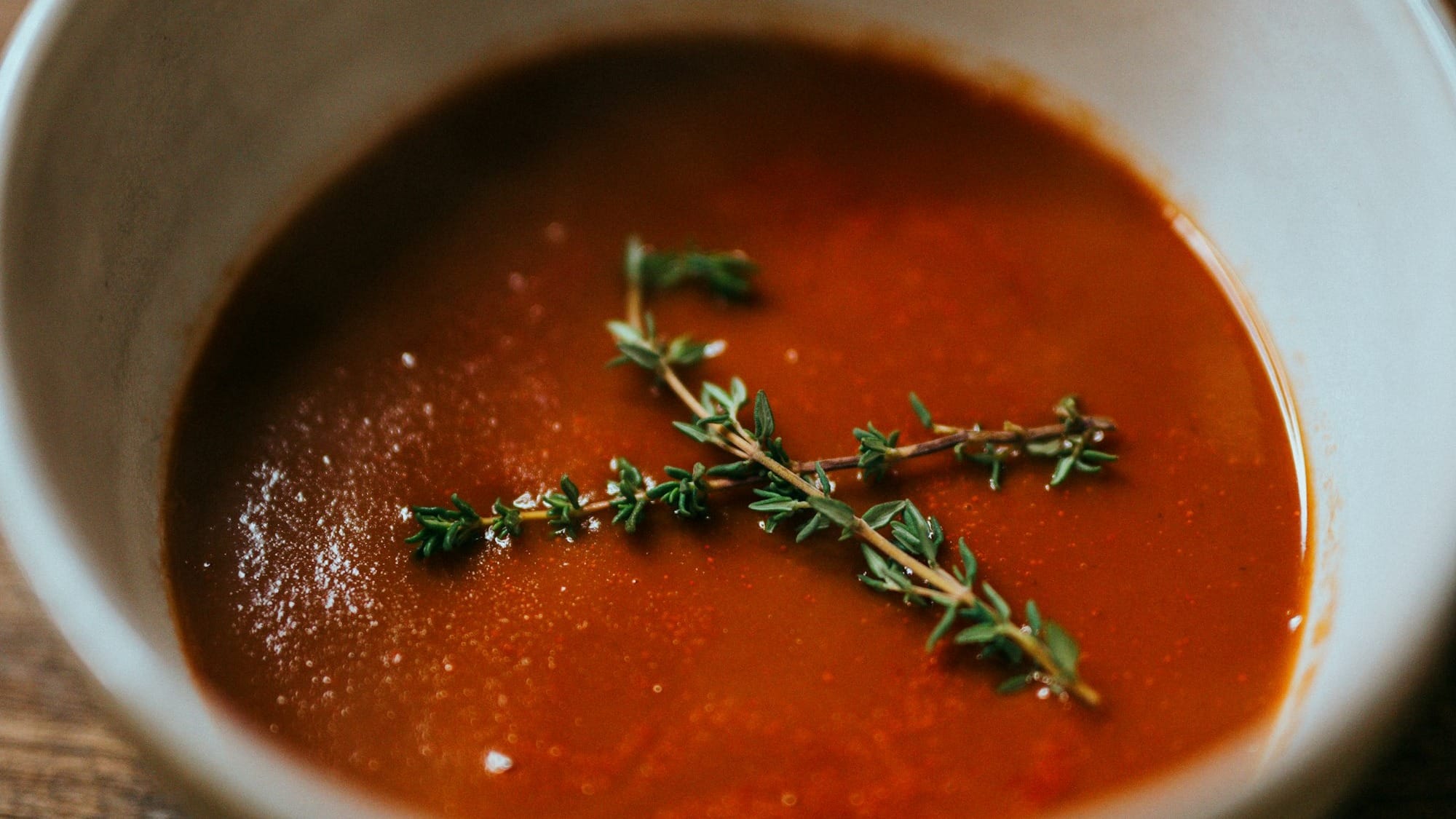
Roasted tomato and red pepper soup
A vibrant, lycopene-rich soup that contains two red vegetables at their best.
Ingredients (serves 4-6)
- 1kg ripe tomatoes
- 3 red peppers
- 1 red onion
- 4 garlic cloves
- 3 tbsp EVOO
- 500ml vegetable stock
- 1 tsp smoked paprika
- Fresh basil
Directions
- Heat oven to 200°C (390°F).
- Halve the tomatoes, quarter and deseed the peppers, quarter the onion, and peel the garlic.
- Place tomatoes, peppers, onion, and garlic on a large roasting tray. Drizzle with olive oil, season well, and roast for 35–40 minutes until soft and slightly charred.
- Transfer to a blender with stock and paprika. Blend until smooth.
- Reheat gently, adjust seasoning, and serve topped with fresh basil and a swirl of olive oil.
Orange and yellow vegetables
Carrots, sweet potatoes, butternut squash, yellow peppers, and corn contain high levels of alpha-carotene, beta-carotene, and beta-cryptoxanthin. Your body converts these 'carotenoids' into vitamin A, which is essential for skin, eye, reproductive health and your immune system.
These orange and yellow vegetables also contain 'lutein' and 'zeaxanthin', compounds that accumulate in your retina and help protect against macular degeneration as you age. The naturally sweet flavour of these vegetables makes them particularly tasty when roasted, which concentrates their sugars and intensifies their flavour.
Honey-roasted carrots and sweet potato
Simple preparation that brings out their natural sweetness whilst preserving carotenoids.
Ingredients (serves 4-6)
- 500g (1.1 lb) carrots (peeled and halved lengthways)
- 1 large sweet potato (peeled and cut into wedges)
- 2 tbsp extra virgin olive oil
- 1 tsp honey
- 1 tsp ground cumin
- fresh coriander
Directions
- Heat oven to 200°C (390°F).
- Toss carrots and sweet potato with olive oil, honey, cumin, salt, and pepper.
- Spread on a baking tray. Roast for 30–35 minutes, turning halfway, until tender and caramelised.
- Scatter with fresh coriander before serving.
Purple and blue vegetables
Aubergines, purple cabbage, purple carrots, and purple potatoes contain anthocyanins — the same phytonutrient compound found in blueberries. These purple and blue pigments have strong anti-inflammatory and 'neuroprotective' properties, potentially supporting brain health and reducing cell damage from oxidative stress3.
Research suggests anthocyanins may help maintain cognitive function as we age. Purple vegetables are unfortunately among the least consumed colour groups, with 88% of people failing to eat adequate amounts of them. Adding even one purple vegetable to your weekly meals can help address this gap.
Warm red cabbage with apples
A traditional flavour pairing that highlights anthocyanin-rich purple vegetables.
Ingredients (serves 4-6)
- 1 small red cabbage (finely shredded)
- 2 apples (cored and sliced)
- 1 red onion (sliced)
- 2 tbsp extra virgin olive oil
- 2 tbsp red wine vinegar
- 1 tbsp honey
- 2 cloves of garlic
- 1 bay leaf
Directions
- Heat olive oil in a large pan.
- Add the onion and cook for 5 minutes, until it is soft.
- Add cabbage, apples, vinegar, honey, cloves, bay leaf, salt, and pepper.
- Cover and cook gently for 40–50 minutes, stirring occasionally, until cabbage is tender. Add a splash of water if it becomes too dry.
- Remove cloves and bay leaf before serving.
- This dish keeps well in the fridge for up to 5 days and actually gets better over time.
Green vegetables
A fresh dish packed with green vegetables that works as a side or a light lunch. You can read more about the health benefits of green vegetables in another article we've written.

Courgette and pea fritters
Ingredients
- 2 medium courgettes
- 150g (1 cup) frozen peas (defrosted)
- 2 spring onions
- 100g feta cheese
- 2 eggs (beaten)
- 75g (2.5 oz) plain flour
- A handful of fresh mint and dill
- EVOO for frying.
Directions
- Grate the courgettes, slice the spring onions, crumble the feta and chop the mint and dill.
- Place grated courgette in a clean tea towel and squeeze out excess moisture.
- Mix courgette, peas, spring onions, feta, eggs, flour, herbs, salt, and pepper in a bowl.
- Heat 2 tablespoons of olive oil in a large frying pan. Drop spoonfuls of the mixture into the pan and flatten slightly.
- Cook for 3–4 minutes each side until golden.
- Drain on kitchen paper. Serve warm or room temperature. They go well with an arugula or spinach salad.
White and pale vegetables
White and pale vegetables — cauliflower, onions, garlic, turnips, parsnips, and mushrooms might seem less exciting than their colourful peers, but they're still nutritious. Cauliflower contains sulforaphane, a compound with potential anti-cancer properties.
Onions and garlic ("alliums") provide organosulphur compounds and quercetin, supporting cardiovascular and immune health. Mushrooms, whilst technically fungi, not a vegetable, deserve mention here for their unique nutritional profile, including vitamin D (when exposed to sunlight) and immune-supporting compounds4. Don't overlook white vegetables — they're still part of the rainbow.
Roasted cauliflower steaks with garlic
A great way to serve cauliflower that maximises flavour and presentation.
Ingredients (serves 4-6)
- 1 large cauliflower (cut into 4 thick “steaks”)
- 4 tbsp extra virgin olive oil
- 4 garlic cloves (thinly sliced)
- 1 tsp smoked paprika
- Zest of 1 lemon
- Fresh parsley (chopped)
Directions
- Heat oven to 220°C (400°F).
- Brush the cauliflower steaks with half of the olive oil, then season them well with salt, pepper, and paprika.
- Place on a baking tray and roast for 20 minutes. Flip, roast another 15–20 minutes until golden and tender.
- Meanwhile, gently heat the remaining olive oil with garlic until fragrant.
- Drizzle garlic oil over cauliflower steaks, scatter with lemon zest and parsley. Serve with crusty bread as a main course.
Practical strategies for eating the rainbow
Aim for at least two different colours at each main meal. A simple pasta dish might include red tomato sauce, green courgette or arugula. A slaw could include orange carrots with purple and/or white cabbage. Breakfast could include a red tomato sauce and green spinach with eggs.
Track your colour diversity weekly rather than daily. Try to tick off each colour at least once a week: red, orange/yellow, purple or blue, and white vegetables. There is no need to eat every colour every day.
Use frozen vegetables strategically. Not all colours are available all year round everywhere. Frozen options like peas, spinach, and mixed vegetables make it easy to add colour quickly to your diet. They're frozen at peak ripeness, making them nutritionally comparable to fresh, whilst being more convenient.
Action plan
For a week, photograph what you eat and notice what colours you are eating (and more importantly) what colours you're not eating. Even people who eat lots of vegetables may find they favour green vegetables whilst neglecting purple, orange, or white ones.
Use this knowledge to deliberately add missing colours in your next shop and meal. Create a visual reminder: draw or print a simple rainbow and tick off colours as you consume them throughout the week. It shouldn’t be a chore; it’s a challenge.

Sources
- Blumfield M et al. Should We 'Eat a Rainbow'? An Umbrella Review of the Health Effects of Colorful Bioactive Pigments in Fruits and Vegetables. Molecules. 2022 Jun 24;27(13):4061. PMID: 35807307
- Mirahmadi M, Azimi-Hashemi S, Saburi E, Kamali H, Pishbin M, Hadizadeh F. Potential inhibitory effect of lycopene on prostate cancer. Biomed Pharmacother. 2020 Sep;129:110459. PMID: 32768949
- Mattioli R et al Anthocyanins: A Comprehensive Review of Their Chemical Properties and Health Effects on Cardiovascular and Neurodegenerative Diseases. Molecules. 2020 Aug 21;25(17):3809. PMID: 32825684
- Cardwell G et al. A Review of Mushrooms as a Potential Source of Dietary Vitamin D. Nutrients. 2018 Oct 13;10(10):1498. PMID: 30322118