Plant-Based Protein: What Everyday Foods Deliver


Plant-Based Protein: What Everyday Foods Deliver

By R.Davies, PhD・Plant-Based
Published on April 29, 2026


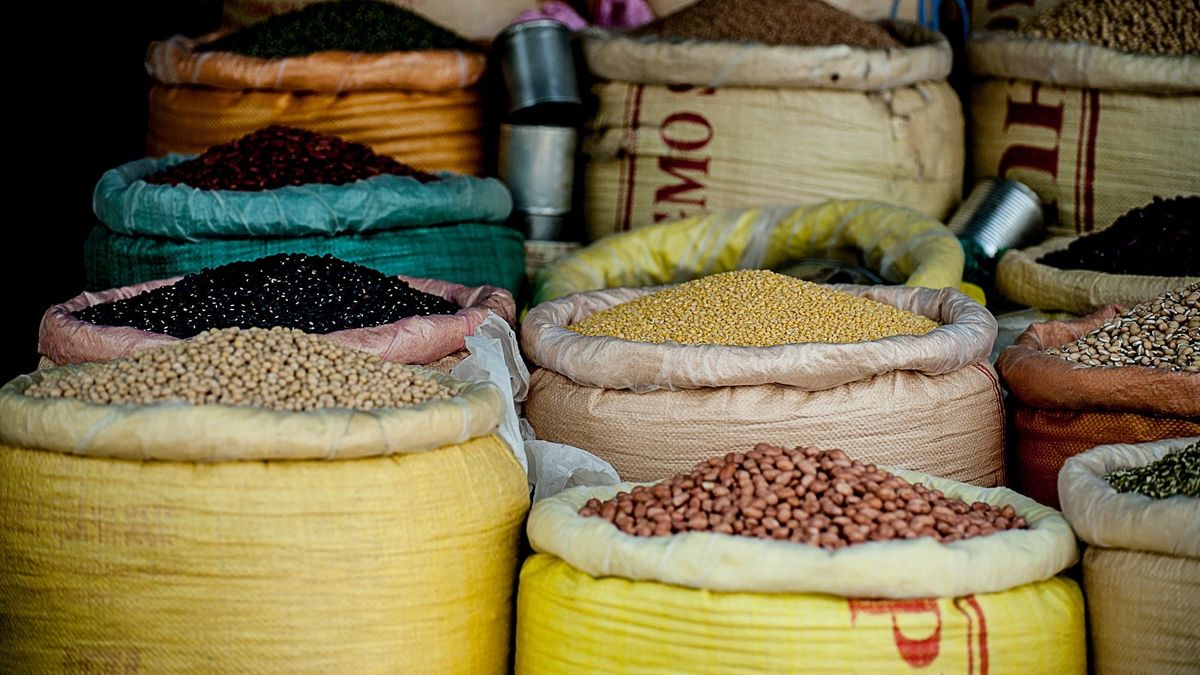
Plant-based protein sources are foods from plants (like legumes, grains, seeds, and vegetables), which supply the protein your body needs to build, repair, and thrive. In this article, we’ll explain why protein matters, what the issues are with the plant-based diet, and which everyday plant foods give you enough (high-quality) protein.

More people are shifting away from meat and dairy. Some people want better health. Some may want to economise and save money. Others may want to reduce their environmental impact or just don’t like eating animals.

But whatever the reason, a common question that consistently comes up is: Can you really get enough protein from plants? The short answer is yes. But it’s not as easy and requires some know-how. Plant proteins are different to animal proteins: they are generally harder to digest, contain less protein, and are missing some essential nutrients (one or more of the “essential amino acids”).


Why Do You Need Protein?

Protein is made up of amino acids. It is these amino acids that go on to make things your body needs (like new muscle, skin, organ cells, hormones, enzymes and immune cells). Your body can make some amino acids itself (these are called “nonessential” amino acids) when you need them. 

But there are some that your body can’t make (these are called “essential” amino acids), which some plants don’t have (but all animal proteins do) [1]. Getting enough protein is not just about muscle. Protein is needed for hundreds of other things that keep you healthy. Signs that you’re not getting enough protein include: 

  • Fatigue that doesn't get better with rest
  • Poor recovery from exercise and muscle weakness
  • Poor recovery from illness or frequent illnesses
  • Brittle nails and hair loss
  • Difficulty concentrating 

In children and teenagers, not eating enough protein can stunt growth and brain development. So, researchers generally recommend getting at least 0.8 grams per kg of body weight a day.

Why Go Plant-Based Diet?

“Plant-based diets” can range from flexitarian (mostly plants with the occasional animal foods, like the Mediterranean diet), to vegetarian (no meat but can eat dairy and eggs), to vegan (no animal products at all). Research consistently links intake of plant foods to reduced risks of several diseases, including all the big killers (cardiometabolic disease and cancer) [2].

Plant-based diets are also generally cheaper and have less impact on the environment. However, there’s no way to cut it; the fewer animal products that you eat, the more difficult it is to ensure you are getting enough high-quality protein. So flexitarians need to pay less attention to their diet than vegans do. But you can still meet all your protein needs, even on a strict vegan diet.

Plant-Based Diet Protein Problems

Problem #1. “Protein Density”

Many plant foods are nutritious, but simply don’t contain a lot of protein. For example, spinach and broccoli contain protein, but in such a small amount that you’d need an enormous portion to meet your daily needs. You’d need to eat 4 large bags of spinach and four whole heads of broccoli to get 30 g of protein! Generally, a food needs to have at least 12% of its calories from protein to be called a “source of protein”. We’ve got some listed in the table below.

Problem #2. Amino Acid Profile

Animal proteins contain all nine essential amino acids in the right amounts. However, most plants are missing at least one essential amino acid, usually either “methionine” or “lysine”. Legumes (like beans, peas, and lentils) are missing methionine, while grains, seeds and nuts are missing lysine.

It doesn’t matter if you eat enough of the other eight essential amino acids (or more than you need), even if you are deficient in one of them, your body cannot make the things it needs — it’s the so-called “weakest link effect” [3].

Problem #3. Digestibility and Bioavailability

Even if the plant foods you’re eating contain enough protein (and essential amino acids), your body may not be able to digest and absorb all of it. For most animal foods, you tend to absorb nearly all of the amino acids in their proteins. 

Whereas, with plants (in their natural state), your body doesn’t digest and absorb as much. Some of the proteins in the plants are difficult to get to, as they are protected by other things found in them. They don’t give up their amino acids as easily as animal foods do [1].

Optimising Protein on a Plant-Based Diet

Method #1: Combine “Complementary” Plant Proteins

Eating different types of plant proteins throughout the day can cover all essential amino acids. Pair legumes + grains together. Think rice and peas, hummus and pita bread, beans on toast, lentil dal and naan bread. 

People tend to eat enough grains in everyday life, so for most people, it’s about increasing the amount of legumes they eat. You do not need to eat different types of plant proteins at the same time, in the same meal. You can spread different “complementary” plant-proteins across the day, which makes planning a bit easier.

Method #2: Cooking and Preparation to Unlock Protein

Simple “at-home” cooking and preparations can improve the 'bioavailability' of the amino acids in the protein. In fact, most of the time we do this automatically, as it also tends to improve the texture and flavour of the food. 

Soaking and boiling legumes deactivate some of the substances that prevent you from absorbing all their protein. Peeling, shelling, or hulling nuts, seeds and peas also allows you to get to the protein within them easier. Sprouting grains and fermenting some plants also improve the digestibility of their protein (and other nutrients as well) [1].

Method #3: Eat (a little) More Protein

Because plant proteins are less digestible, some researchers have suggested that vegans and strict vegetarians may need to increase their protein intake (by around 10-20%) to offset it [5]. This means aiming for at least 1 gram per kg a day (rather than 0.8). 

This is an easy, but crude way to get around the problem. However, it will still work. Spreading your protein intake across four meals, throughout the day, may make reaching your daily targets easier.

Method #4: Prioritise High-Quality Plant Proteins

Although a lot of plants (particularly the 'staples') are missing some key essential amino acids, there are some plants that are pretty close in quality to animal foods. So you can just prioritise these over other types of plant foods. 

Soy is probably the most obvious example, but quinoa and amaranth are also good. Nutritional yeast, hemp seeds, tofu, tempeh, buckwheat and peanuts have slightly better amino acid profiles than most plants, but they are not quite as good as animal proteins [4].

High Protein (over 20% calories)

Food

Type

Soybeans (cooked)

C

Tempeh

C

Tofu (firm)

C

Lentils

M

Kidney Beans

M

Hemp Seeds

C

Split Peas

M

Black Beans (cooked)

M

Chickpeas (cooked)

M

Seitan

L

Moderate Protein (over 12% calories)

Food

Type

Quinoa (cooked)

C

Buckwheat (cooked)

C

Peanuts

M

Pumpkin Seeds

L

Wheat (cooked)

L

Amaranth (cooked)

C

Low Protein (under 12% calories)

Food

Type

Potatoes (cooked)

C

Rice (cooked)

C

Sorghum (cooked)

M

Pumpkin Seeds

L

Corn (cooked)

L

Sunflower Seeds

L

Almonds

L

The table above is only an approximation, as serving sizes and the nutritional content vary. 

  • Type C are high-quality and has a near-complete essential amino acid profile
  • Type M is deficient in Methionine
  • Type L are deficient in Lysine. 

To optimise the protein content of your plant-based diet, try to combine Type M and Type L plant protein sources. "High protein" means over 20% of the calories are protein. "Low protein" means protein is under 12% calories. "Moderate protein" means 12-20% calories are protein. 

Key Takeaways

Getting enough protein on a plant-based diet is achievable. The key is choosing the right types of plant foods, eating the right combinations of them, and preparing them in the right way that releases their proteins (and other nutrients).

The foods in the table (above) provide a rough guide to getting started. You need to balance lower-protein staples with higher-protein sources, and different plant-proteins with complementary amino acid profiles (i.e., legume and grains).

If you’re completely vegan, you can aim to eat a little more protein than normal. You may need to eat even more if you’re exercising a lot or you're a senior. If you’re a flexitarian, you probably don’t need to worry too much about getting enough protein. The same goes for if you’re a “lacto-ovo” vegetarian; eggs and dairy are great sources of high-quality protein and make your diet planning a lot easier.


Sources

1. Davies RW & Jakeman PM. Separating the Wheat from the Chaff: Nutritional Value of Plant Proteins and Their Potential Contribution to Human Health. Nutrients. 2020;12(8):2410. PMID: 32806532

2. Springmann M et al. Health and Nutritional Aspects of Sustainable Diet Strategies and Their Association with Environmental Impacts. Lancet Planet Health. 2018;2(10):e451–e461. PMID: 30318102

3. Lim MT et al. High-Protein Plant-Based Diet Versus a Protein-Matched Omnivorous Diet to Support Resistance Training Adaptations. Sports Med. 2021;51(6):1317–1330. PMID: 33599941

4. Hertzler SR et al. Plant Proteins: Assessing Their Nutritional Quality and Effects on Health and Physical Function. Nutrients. 2020;12(12):3704. PMID: 33266120

5. Gorissen SHM & Witard OC. Characterising the Muscle Anabolic Potential of Dairy, Meat and Plant-Based Protein Sources in Older Adults. Proc Nutr Soc. 2018;77(1):20–31. PMID: 28847314


Published: April 29, 2026

Lead Author: R.Davies, PhD | Author Bio

Alphabet Guides provides independent, evidence-based information you can trust. Learn more about our Editorial Standards.

Disclaimer: The information on this website is for educational purposes only. It should not be used as a substitute for medical advice from a qualified healthcare professional.