TLC Diet: A Review
A clinically designed diet built specifically to lower cholesterol and reduce the risk of heart disease.

- The TLC diet was designed to reduce cholesterol by limiting saturated fat, soluble fibre, and a balanced whole-food macronutrients approach.
- Safe and meaningful LDL and total cholesterol reductions are reported for those who follow the diet.
- Weight loss outcomes are modest compared to specific weight loss diets. Some education and support are required to optimise adherence.
The Therapeutic Lifestyle Changes (TLC) diet is a “heart-health” first diet programme. It’s specifically designed to lower cholesterol and reduce cardiovascular disease risk. It was created as a ‘holistic’ lifestyle programme, which also gives recommendations on diet, physical activity, and managing body weight.
The diet is based on balanced macronutrients with specific targets:
- Less than 7% of daily calories from saturated fat
- Less than 200 mg of dietary cholesterol a day
- Less than 2.3 grams of sodium a day
- Only enough calories to achieve or maintain a healthy body weight
- Total fat intake is capped at 25-35% of total calories
- Replacing saturated fats with healthier fats (e.g., monounsaturated and polyunsaturated fats).
- 10–25 grams of soluble fibre daily
- Two grams of plant stanols/sterols (optional to reduce cholesterol).
- Lean proteins (e.g., skinless poultry, fish, lean cuts of meat)
- Low-fat or fat-free dairy products (2 to 3 servings a day)
- Whole grains (at least 6 servings a day)
- Legumes (3 to 5 servings a day)
- Fruits (2 to 4 servings a day)
- Vegetables (3 to 5 servings a day)
- Nuts and healthy oils (in moderation).
- Fatty meats, full-fat dairy, egg yolks, tropical oils (e.g., coconut, palm), hydrogenated oils containing trans fats, and fried foods are to be avoided.
The TLC diet doesn't eliminate entire food groups; it instead focuses on portion control and healthier food choices.
Example foods and dishes
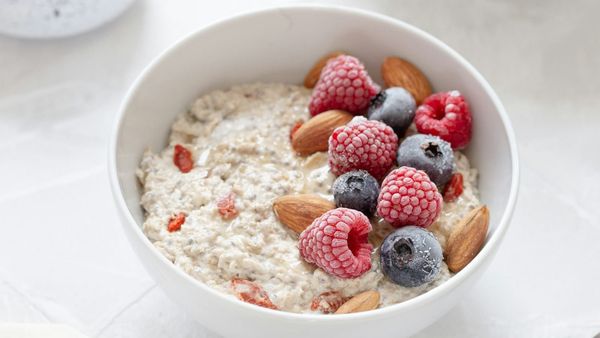
- Breakfast: Skimmed milk porridge with berries & ground flaxseed or Whole grain cereal with skim milk & banana
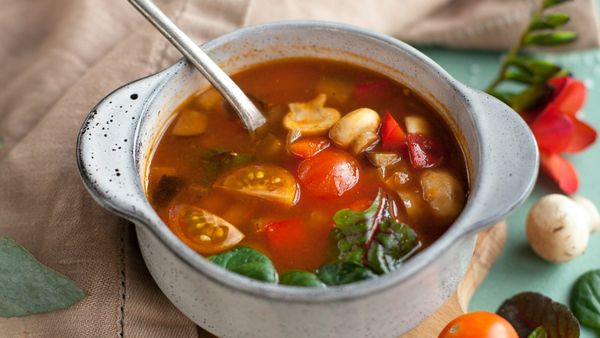
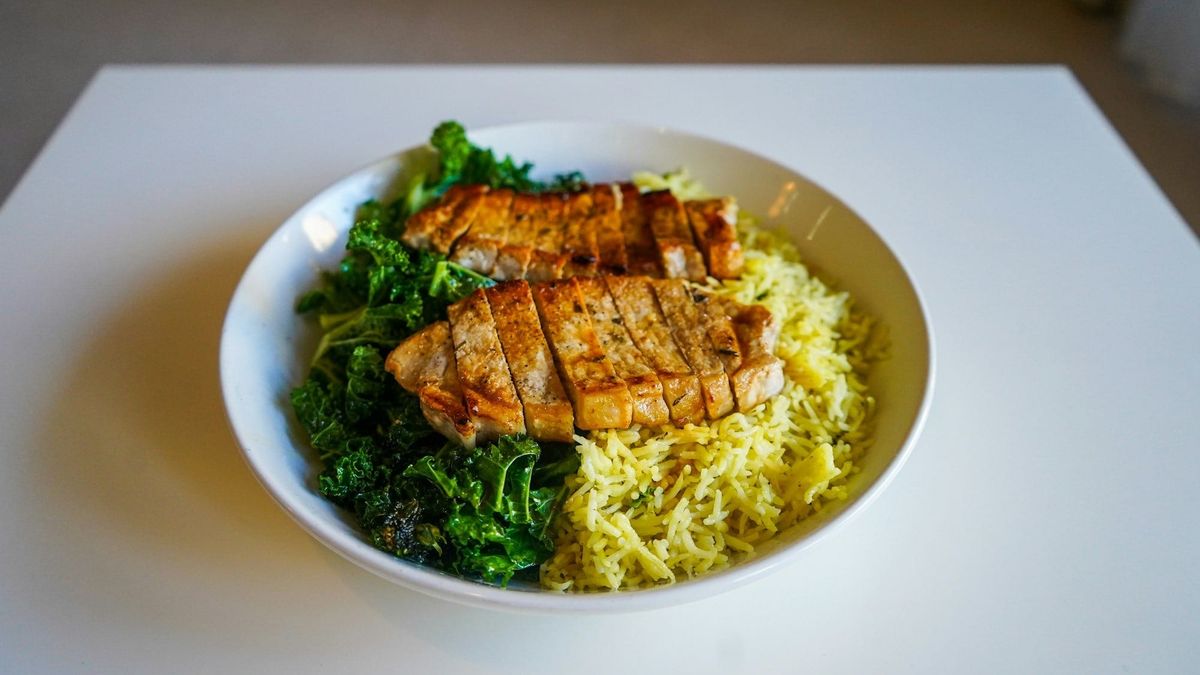
- Lunch: Whole-wheat Turkey breast sandwich, mustard, lettuce, tomato, & low-fat soup or Grilled chicken breast with brown rice & steamed veg
- Snack: Apple with a small handful of almonds or Low-fat yoghurt with berries
- Dinner: Baked salmon with quinoa pilaf & steamed broccoli or Lean beef with baked sweet potato & mixed green salad
- Dessert: Fresh fruit salad
- Drinks: Green tea, water, skim milk
Pros
The TLC diet has excellent cardiovascular health benefits. Several studies have shown that it decreases LDL cholesterol and total cholesterol in people with high cholesterol. Studies also report modest improvements in blood sugar, particularly for people with type 2 diabetes. Short-term reductions in inflammation have also been reported.
The TLC diet has high nutritional quality, balanced macronutrient intake, adequate fibre, and adequate micronutrients. The emphasis on whole grains, legumes, fruits and vegetables provides vitamins, minerals, antioxidants, and phytonutrients, with minimal risk of any nutritional deficiency.
Studies that have tested the effect of the diet have reported no safety concerns, and the diet’s flexibility and adaptability are good for real-world use for many people.
Cons
Weight loss outcomes for the diet are modest and probably insufficient for people wanting to lose a large amount of weight. There are more effective diets for those who are targeting weight loss and fat loss.
The cardiovascular health improvements for those following the diet are consistent but moderate. More restrictive, specialised diets can produce better health benefits in less time, although these are often at the cost of sustainability and safety. The TLC diet's conservative approach prioritises long-term gains and sustainability over quick results.
The diet is designed for practicality. Whilst it’s probably more sustainable than highly restrictive diets, real-world adherence rates remain uncertain. The diet requires sustained behaviour change, careful food selection, and ongoing attention to saturated fat and cholesterol intake.
This could be challenging for people accustomed to convenience foods and eating out. Success typically depends on nutrition education, meal planning skills, and a supportive environment that may not be available for everyone.
Bottom Line
The TLC diet is a safe, nutritionally sound, evidence-based approach for reducing cholesterol and cardiovascular disease risk. Its moderate, balanced approach supports long-term adherence and sustainability. Although the results remain modest, it is still well-suited for people who want to prioritise and improve their cardiovascular health and have access to professional guidance.
Overall Score: ★★★★☆
- Health Benefits: ★★★★☆
- Nutrition: ★★★★★
- Weight Control: ★★★★☆
- Ease to Follow: ★★★★☆
- Safety Profile: ★★★★★
- Scoring System
Sources
Hosseinpour-Niazi S et al. Non-soya legume-based therapeutic lifestyle change diet reduces inflammatory status in diabetic patients: a randomised cross-over clinical trial. Br J Nutr. 2015 Jul;114(2):213-9. PMID: 26077375
Keshani M et al. Effects of therapeutic lifestyle change diets on blood lipids, lipoproteins, glycemic parameters, and blood pressure: a systematic review and meta-analysis of clinical trials. Nutr Rev. 2024 Jan 10;82(2):176-192. doi: 10.1093/nutrit/nuad051. PMID: 37352395
Kazemi M et al. A Comparison of a Pulse-Based Diet and the Therapeutic Lifestyle Changes Diet in Combination with Exercise and Health Counselling on the Cardio-Metabolic Risk Profile in Women with Polycystic Ovary Syndrome: A Randomized Controlled Trial. Nutrients. 2018 Sep 30;10(10):1387. PMID: 30274344
Leung AWY et al. An Overview of Factors Associated with Adherence to Lifestyle Modification Programs for Weight Management in Adults. Int J Environ Res Public Health. 2017 Aug 16;14(8):922. PMID: 28813030
Lichtenstein AH et al. Efficacy of a Therapeutic Lifestyle Change/Step 2 diet in moderately hypercholesterolemic middle-aged and elderly female and male subjects. J Lipid Res. 2002 Feb;43(2):264-73. PMID: 11861668