Nordic Diet: A Review
A Scandinavian whole-food dietary pattern with strong evidence for heart health and sustainable eating.


- Based on traditional Scandinavian eating patterns, based on whole grains, fatty fish, wild berries, root vegetables, and rapeseed oil.
- Reduced cardiovascular disease risk and modest sustainable weight loss are reported.
- The diet is designed for Scandinavians; sourcing the diet's ingredients outside the region can be difficult, and it is difficult to follow.
The Nordic diet is based on the traditional eating habits of Scandinavian countries (i.e., Denmark, Sweden, Finland, Iceland, and Norway). It aims to promote health, support the environment and preserve Nordic food traditions with regional, seasonal and sustainably produced foods native to Scandinavia.
It is another plant-slant diet, which includes vegetables, fruits, berries (particularly wild berries such as lingonberries, blueberries, and cloudberries), root vegetables, legumes, and whole grains (especially rye, barley, and oats). Rapeseed (or ‘canola’) oil is the main source of fat as it’s rich in monounsaturated fats and omega-3 fats. Rapeseed oil offers a healthy option that is comparable to olive oil.
Fish and seafood, particularly fatty fish rich in omega-3 fatty acids like salmon, herring, and mackerel, feature heavily. While game and poultry appear in moderate amounts, it limits red meat, processed meats, added sugars, and alcohol.
The diet has a high fibre content from whole grains and vegetables, which is good for your gut health and cardiometabolic health. Omega-3 fatty acids from seafood support cardiovascular health and help keep inflammation under control, while unprocessed ‘complex’ carbohydrates help control blood sugar and body weight.
The diet’s colourful berries and vegetables provide antioxidants and micronutrients that protect your cells. And outside of the nutritional content of the diet, other ‘healthy’ behaviours are encouraged, like foraging, buying locally and preserving foods.
Example foods and dishes
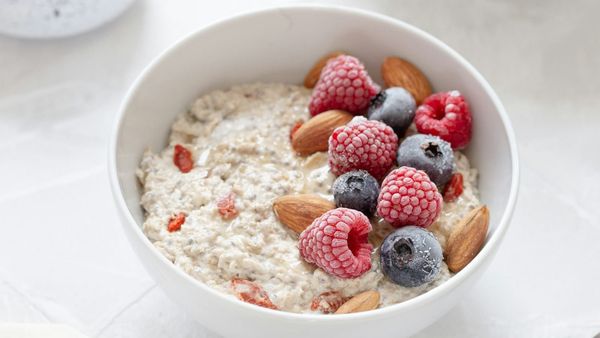
- Breakfast: Rye bread with smoked salmon, dill, & quark or Porridge with lingonberries & crushed almonds
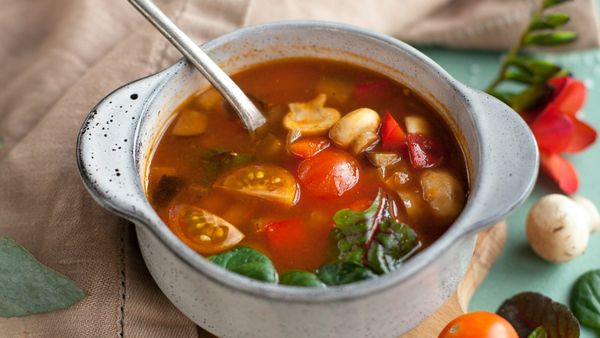
- Lunch: Dark rye, open-faced sandwich with herring & beetroot or Barley soup with root veg & whole grain crispbread
- Snack: Crispbread with cottage cheese & cucumber or Fresh berries & hazelnuts
- Dinner: Roast cod, boiled new potatoes, cabbage, & dill sauce or Game meat with roasted root veg & lingonberry sauce
- Dessert: Baked apple with oats
- Drinks: Black coffee, herbal tea
Pros
Several studies have shown that the diet reduces cardiovascular disease, stroke risk, and type 2 diabetes for those who follow it. Reduced blood pressure and LDL cholesterol are also reported, supporting cardiometabolic health. Studies have also shown modest but sustainable reductions in body weight and body fat in people who are overweight or obese.
The diet has a great nutritional profile, having balanced macronutrient intake whilst meeting or exceeding recommended intakes for all major vitamins and minerals. Detailed dietary analyses have confirmed minimal risk of nutrient deficiencies due to its emphasis on nutrient-dense whole foods.
Cons
While the diet seems to work in the Nordic countries, its generalisability to other regions presents challenges. Research on the diet predominantly involves Scandinavians, leaving real-world adherence and effectiveness in non-Nordic countries and people less certain. Familiarity with traditional Nordic foods and cooking methods makes the diet easier to follow, but it may not work as well outside these regions.
Practical barriers stopping people from following the diet include the availability or cost of some of the foods outside of Scandinavia (e.g., rapeseed oil, rye, wild game, Nordic berries). The emphasis on ‘seasonal eating’ makes it even more difficult to follow to the letter.
So, adapting the diet outside the Nordic regions requires thoughtful substitution of locally available equivalents for traditional Nordic ingredients; this, in turn, may alter the diet's nutritional profile or palatability for people unfamiliar with Nordic culinary traditions. In other words, by trying to adapt the diet, you may lose what makes it unique in the first place.
Bottom Line
The Nordic diet represents a nutritious, safe eating pattern with demonstrated health benefits. Its sustainability and high adherence in Nordic people are well-established, though its applicability and long-term effectiveness in other people are lacking.
Overall Score: ★★★★☆
- Health Benefits: ★★★★☆
- Nutrition: ★★★★★
- Weight Control: ★★★★☆
- Ease to Follow: ★★★☆☆
- Safety Profile: ★★★★★
- Scoring System
Sources
Adamsson V et al. What is a healthy Nordic diet? Foods and nutrients in the NORDIET study. Food Nutr Res. 2012;56. PMID: 22761599
Galbete C et al. Nordic diet, Mediterranean diet, and the risk of chronic diseases: the EPIC-Potsdam study. BMC Med. 2018 Jun 27;16(1):99. PMID: 29945632
Massara P et al. Nordic dietary patterns and cardiometabolic outcomes: a systematic review and meta-analysis of prospective cohort studies and randomised controlled trials. Diabetologia. 2022 Dec;65(12):2011-2031. PMID: 36008559
Micheelsen A et al. Consumer acceptance of the New Nordic Diet. An exploratory study. Appetite. 2013 Nov;70:14-21. PMID: 23792909
Mithril C et al. Dietary composition and nutrient content of the New Nordic Diet. Public Health Nutr. 2013 May;16(5):777-85. PMID: 23089239
Poulsen SK et al. Health effect of the New Nordic Diet in adults with increased waist circumference: a 6-mo randomized controlled trial. Am J Clin Nutr. 2014 Jan;99(1):35-45. PMID: 24257725
Ramezani-Jolfaie N et al. Effects of a healthy Nordic diet on weight loss in adults: a systematic review and meta-analysis of randomized controlled clinical trials. Eat Weight Disord. 2020 Oct;25(5):1141-1150. PMID: 31522379