Blue Zone Diet: A Review
Eating habits drawn from the world's longest-lived populations — plant-rich, moderate, and deeply sustainable.

- The Blue Zone diet is a flexible, plant-based eating pattern based on the shared dietary habits of the world's healthiest places.
- It's nutritionally complete, safe and associated with better health and healthier body weights.
- However, its health benefits are largely observational and anecdotal, and have not been replicated outside the "blue zones".
The “Blue Zone Diet” is the traditional dietary pattern taken from five “Blue Zone” regions around the world: Sardinia (Italy), Okinawa (Japan), Loma Linda (California), Nicoya Peninsula (Costa Rica), and Ikaria (Greece).
People in these ‘blue zones’ tend to live longer and are less likely to have long-term diseases. But despite the geographic and cultural differences between the different ‘blue zones’, researchers identified common dietary practices among them.
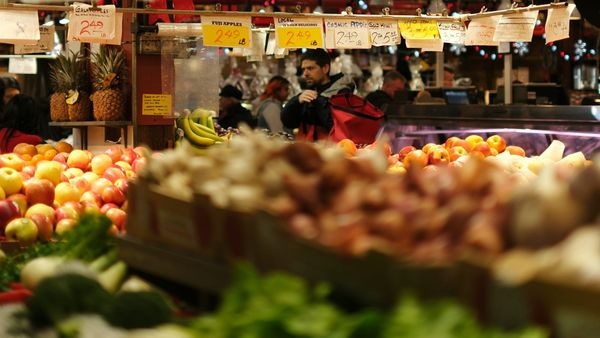
The diet isn’t a rigid or prescriptive one but rather a flexible eating pattern. It is a plant-based diet, with ~80-95% of calories coming from vegetables, legumes, whole grains, nuts, and fruits. This means high intake of beans and legumes (primary protein source), olive oil and other healthy fats, and moderate intake of fish and poultry.
Red meat intake is limited (reserved for special occasions), while dairy products are also consumed in moderation (usually from goat’s or sheep’s milk or fermented forms like yoghurt and cheese).
Processed food, sugars, and salt are generally kept low. The diet emphasises other eating practices as well (besides what you eat). This includes moderate portion sizes (e.g., eating until 80% full), socialising while you eat, and eating at the dinner table.
The positive effects seem to come from its balanced ‘macronutrient’ profile (enough protein, fat and carbohydrate), high ‘nutrient-density’, fibre content, antioxidant and anti-inflammatory foods, and low intake of processed foods.
Example foods and dishes
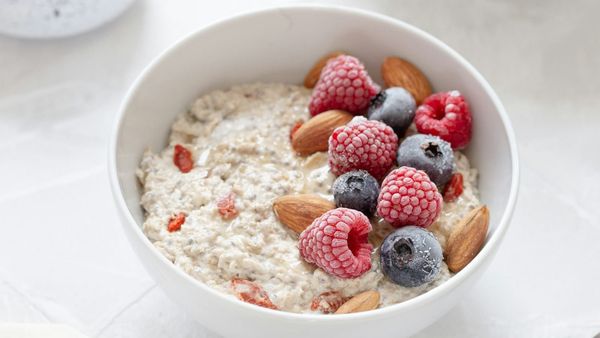
- Breakfast: Porridge with walnuts, figs, & honey or avocado whole-grain toast & tomatoes.
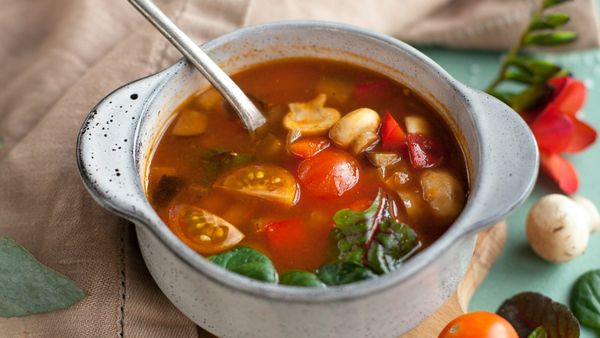
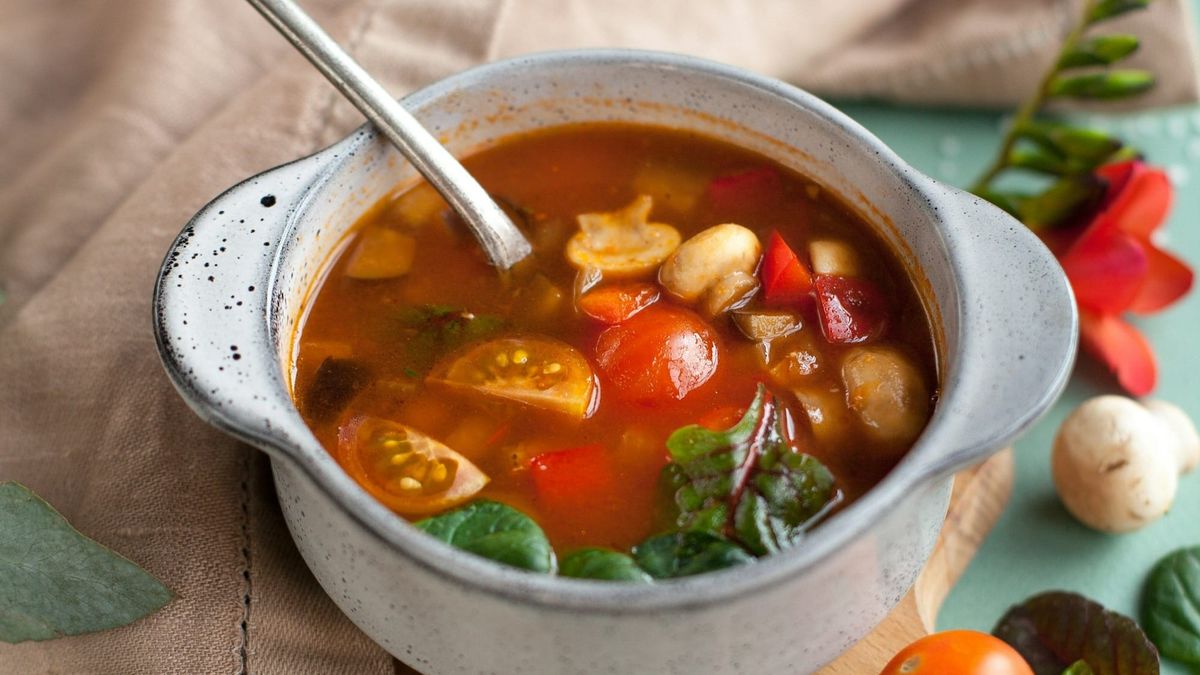
- Lunch: Minestrone with whole-grain bread or chickpea & vegetable stew with brown rice.
- Snack: Handful of almonds with an apple or hummus with crudites.
- Dinner: Grilled fish with roasted sweet potatoes & a mixed green salad or lentil & vegetable curry with quinoa.
- Dessert: Fresh fruit salad with a few squares of dark chocolate.
- Drinks: Green tea, water & lemon, herbal tea.
Pros
The diet is based on the associations between diet, life expectancy, disease risk, and quality of life (particularly in older adults). The diet is rich in foods that are known to reduce inflammation, cardiovascular disease risk and metabolic health. The diet provides an array of nutrients, and there is very little risk of any nutrient deficiency or of consuming too much food.
For weight loss, plant-based ‘Mediterranean-style’ diets (like the blue zone diet) are associated with healthy body weights and lower risk of obesity, particularly when they are combined with active lifestyles. For weight loss, the diet is probably more sustainable than diets that eliminate entire food groups, severely restrict food intake or calorie-counting ones.
Cons
While the story behind the blue zone diet is compelling, there’s little high-quality evidence that it works outside the regions where it’s practised. The people in the blue zones are also known to practice other healthy lifestyle habits that have little to do with their diet (e.g., social life, low work and general stress, being physically active and other cultural practices).
Following this diet can be challenging outside of the blue zone regions may be challenging. These regions have well-developed cultural, familial, economic, communal and agricultural systems in place, which may not be in place in other regions. The availability of food (year-round), the cost, cooking skills, free time, and social norms can create problems for some people.
Bottom Line
The Blue Zone diet is what some of the healthiest people in the world follow. It is a whole food, plant-based diet, which provides excellent nutrition and few safety concerns. However, in our opinion, it lacks high-quality evidence showing that it works (on mass) for people outside these regions.
In theory, the diet should be suitable for people who want a flexible, sustainable diet that’s good for their general health and healthy ageing. However, it does require some social support, cooking skills and other lifestyle changes to be successful.
Overall Score: ★★★★☆
- Health Benefits: ★★★★☆
- Nutrition: ★★★★☆
- Weight Control: ★★★★☆
- Ease to Follow: ★★★★☆
- Safety Profile: ★★★★★
- Scoring System
Sources
Aliberti, S et al. (2024). A narrative review exploring the similarities between Cilento and the already defined "Blue Zones." Nutrients, 16, 729. PMID: 3847485
Deslippe, A et al. (2023). Barriers and facilitators to diet, physical activity and lifestyle behavior intervention adherence: A qualitative systematic review. International Journal of Behavioral Nutrition and Physical Activity, 20, 14. PMID: 36782207
Pes, G et al. (2021). Evolution of the dietary patterns across nutrition transition in the Sardinian longevity Blue Zone and association with health indicators in the oldest old. Nutrients, 13, 1495. PMID: 33925037
Thom, G & Lean, M. (2017). Is there an optimal diet for weight management and metabolic health? Gastroenterology, 152(7), 1739-1751. PMID: 28214525
Tsoupras, A et al. (2018). Inflammation, not cholesterol, is a cause of chronic disease. Nutrients, 10, 604. PMID: 29757226