Vegan Diet: A Review
A plant-only dietary pattern with meaningful health benefits and some important nutritional considerations.

- As you're probably aware already, the vegan diet excludes all animal products; so no meat, fish, seafood, poultry, eggs or dairy products.
- Health outcomes for those who follow the diet vary wildly, as it really depends on how healthy and varied the diet is.
- Healthy, well-planned vegan diets can improve health and body weight. But you'll need high motivation and to get over a learning curve.
The vegan diet excludes all animal products, including meat, poultry, fish, seafood, eggs, and dairy products. It’s the most restrictive form of vegetarianism, and it’s followed for many reasons that aren’t health-related (e.g., ethical concerns, animal welfare, environmental impact, sustainability, religious beliefs).
Veganism has gained popularity in recent years, with the growing availability of plant-based alternatives (making it easier to follow) combined with growing mainstream appeal coming from a variety of sources.
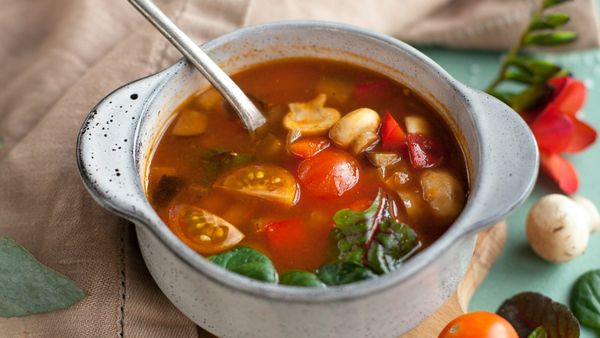
The diet relies entirely on plant foods: vegetables, fruits, legumes (e.g., beans, lentils, peas), whole grains, nuts, seeds, and plant-based oils.
Modern vegan diets tend to include processed foods like plant-based milks (e.g., soy, almond, oat), meat substitutes (e.g., tofu, tempeh, seitan), dairy-free cheeses, and egg substitutes. Nutritional yeast, fortified foods, and supplements are commonly used to fill nutritional gaps like vitamin B12.
The nutritional profile of the diet provides a large amount of fibre, phytonutrients and antioxidants. It is low in saturated fat (when whole food-based), zero cholesterol, and has a low calorie density. The diet's macronutrient distribution varies a lot, from high-carbohydrate whole-foods to high-fat (e.g., nuts, seeds, oils) vegan diets.
Example foods and dishes
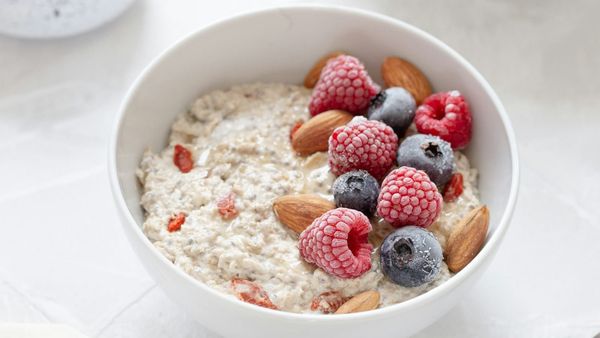
- Breakfast: Tofu scramble with mixed veg & whole grain toast with vegan butter or Porridge with almond milk, chia seeds, berries, & maple syrup
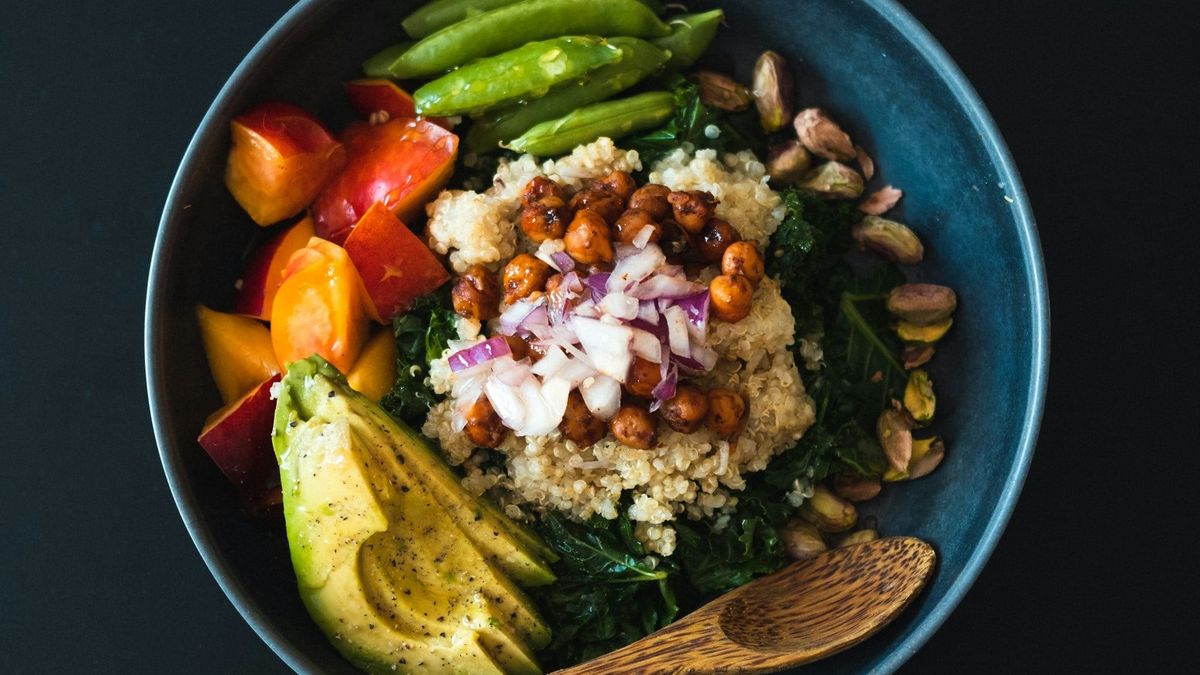
- Lunch: Chickpea salad sandwich with lettuce & tomato on whole grain bread or Buddha bowl with quinoa, roasted veg, tahini dressing, & tempeh
- Snack: Hummus with crudités & pita chips or Trail mix & dark chocolate
- Dinner: Lentil bolognese, whole wheat pasta with nutritional yeast or Black bean & sweet potato taco, guacamole & cashew “sour cream”
- Dessert: Vegan chocolate chip cookies
- Drinks: Black coffee, tea, sparkling water
Pros
Vegan diets have clear cardiovascular health benefits. Research shows lower heart disease and improved blood lipid profile (i.e., lower total and LDL cholesterol) for vegans. These benefits likely result from eliminating dietary cholesterol, reducing saturated fat intake, and increasing fibre and plant food intake.
Several studies have shown weight loss for those following vegan diets compared to omnivores, particularly in overweight or obese people and type 2 diabetics. The diet's high fibre content, low energy density, and its favourable effects on your gut microbiota probably contribute to its health benefits.
Vegans typically maintain lower body weights compared to omnivores, and the metabolic health improvements include better blood sugar control for type 2 diabetics and prediabetics. Studies show the diet reduces inflammation, and some evidence indicates lower rates of certain cancers.
Cons
The diet creates a risk of inadequate intake of vitamin B12, vitamin D, calcium, zinc, iodine, and selenium without careful planning. Vitamin B12 supplementation is essential. Bone health problems also arise from several nutrient inadequacies.
Some research suggests vegans may have lower bone density and potentially higher fracture risk (likely due to insufficient calcium, vitamin D, and high-quality protein intake). These risks require proactive planning through fortified foods and supplementation.
Protein quality and quantity may also be inadequate without careful planning. While total protein intake can meet recommendations, plant proteins generally have lower digestibility and sub-optimal amino acid profiles compared to animal proteins. So this may require eating a variety of different plant foods throughout the day.
Practical challenges include limited food options in many social settings, restaurants, and travel options, which make the diet difficult to follow. Long-term adherence rates are typically low, likely due to social eating limitations, increased meal planning demands, higher costs for speciality products, and the need for dietary supplements.
The increasing availability of highly processed vegan products (sometimes called 'vegan junk food'), while improving convenience, can also compromise nutritional quality. Replacing healthy foods with ‘vegan junk foods’ can potentially offset any health benefits.
Bottom Line
Eliminating animal products reduces intake of some things that can worsen your health (e.g., saturated fat, dietary cholesterol, and potential contaminants like hormones and antibiotics). Increasing your intake of plant foods also provides fibre, essential nutrients and protective ‘phytonutrients’.
So, well-planned vegan diets can offer cardiovascular and weight loss benefits, with some reduced risk of other diseases. However, supplementation, careful nutrient planning, and monitoring for deficiencies are also required, making the diet suitable for motivated people who are willing to invest in nutrition education and ongoing dietary attention — the health benefits may not be enough alone.
Overall Score: ★★★☆☆
- Health Benefits: ★★★★☆
- Nutrition: ★★★☆☆
- Weight Control: ★★★☆☆
- Ease to Follow: ★★★☆☆
- Safety Profile: ★★★★☆
- Scoring System
Sources
Bakaloudi DR et al. Intake and adequacy of the vegan diet. A systematic review of the evidence. Clin Nutr. 2021 May;40(5):3503-3521. PMID: 33341313
Dinu M et al. Vegetarian, vegan diets and multiple health outcomes: A systematic review with meta-analysis of observational studies. Crit Rev Food Sci Nutr. 2017 Nov 22;57(17):3640-3649. PMID: 26853923
Koch CA et al. Vegetarian or vegan diets and blood lipids: a meta-analysis of randomized trials. Eur Heart J. 2023 Jul 21;44(28):2609-2622. PMID: 37226630
Melina V et al. Position of the Academy of Nutrition and Dietetics: Vegetarian Diets. J Acad Nutr Diet. 2016 Dec;116(12):1970-1980. PMID: 27886704
Selinger E et al. Evidence of a vegan diet for health benefits and risks - an umbrella review of meta-analyses of observational and clinical studies. Crit Rev Food Sci Nutr. 2023;63(29):9926-9936. PMID: 37962057
Termannsen AD et al. Effects of vegan diets on cardiometabolic health: A systematic review and meta-analysis of randomized controlled trials. Obes Rev. 2022 Sep;23(9):e13462. PMID: 35672940
Wang T et al. Vegetarian and vegan diets: benefits and drawbacks. Eur Heart J. 2023 Sep 21;44(36):3423-3439. PMID: 37450568