High-Protein Plant-Based Meal Plan: 7 Days of Recipes
Here’s a complete 7-day high-protein plant-based meal plan with 7 detailed recipes, a shopping list and expert tips.

- Tempeh and seitan are the most protein-dense plant foods, and fermentation makes tempeh significantly more digestible than raw soy.
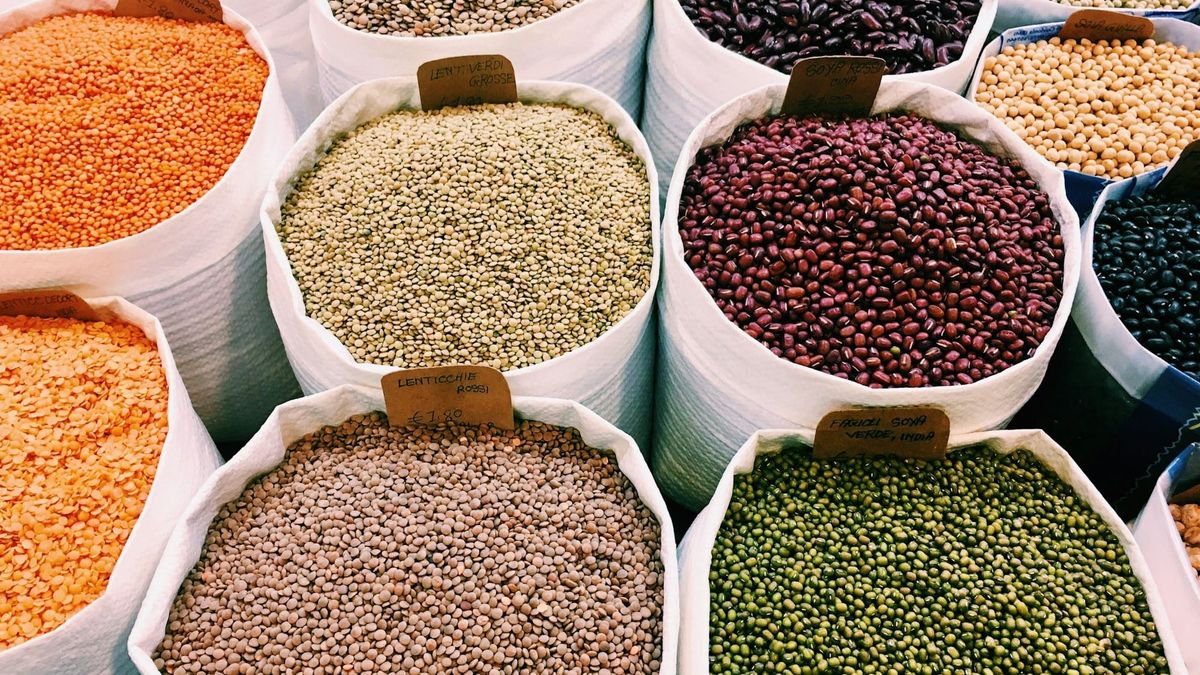
- Combining legumes and grains in a single dish covers all nine essential amino acids — each fills the other's amino acid gap.
- Pressing tofu for 30 minutes before cooking is the single most impactful technique for improving texture and flavour.
This 7-day high-protein plant-based meal plan is designed for anyone who wants to follow a plant-based diet without compromising on their protein (and their intake of other nutrients). We’ve got ideas for protein-rich breakfasts, quick and easy dinners, and convenient snacks.
How much protein do you need on a plant-based diet?
One of the most common concerns about switching to a plant-based diet is protein. It is a reasonable concern — protein is essential for building and repairing muscle and supports your health.
The daily target for most adults is around 0.8g per kilogram of body weight, though active individuals and older adults likely benefit from eating more protein (1-2g per kg per day).
A well-planned plant-based diet can meet your protein needs. Unlike animal proteins, most plant proteins are lower in digestibility, missing or low in at least one essential amino acid, and have a low amount of protein per calorie or gram of food ('protein density').
This means that choosing the right plant foods, eating a wide enough variety, and using simple preparation techniques to release the protein (more easily) from what you eat.
7-day high-protein plant-based meal plan
Day 1
Breakfast: Tofu scramble
Crumbled firm tofu cooked with turmeric, nutritional yeast, and black salt, loaded with bell peppers and spinach. The result looks and tastes similar to scrambled eggs. It is high in protein, iron, and B vitamins. Black salt (kala namak) is the secret ingredient (but optional if you can’t find it). Serve with toasted whole-grain bread or warmed tortillas.
Snack: Salted edamame
Steamed edamame pods sprinkled with flaky sea salt. This snack is a high-quality protein source delivering around 17g per cup, along with iron and folate. For convenience, keep a bag of frozen edamame in the freezer. It takes under three minutes to prepare and beats any packet of crisps or chips for nutrition and flavour.
Lunch: Lentil and quinoa bowl
Cooked green lentils and quinoa layered over leafy greens with roasted sweet potato, pickled red cabbage, and a lemon-tahini dressing. Because lentils supply lysine (where quinoa doesn’t) and quinoa covers methionine (where lentils don’t), this bowl provides a complete amino acid profile in a single dish.
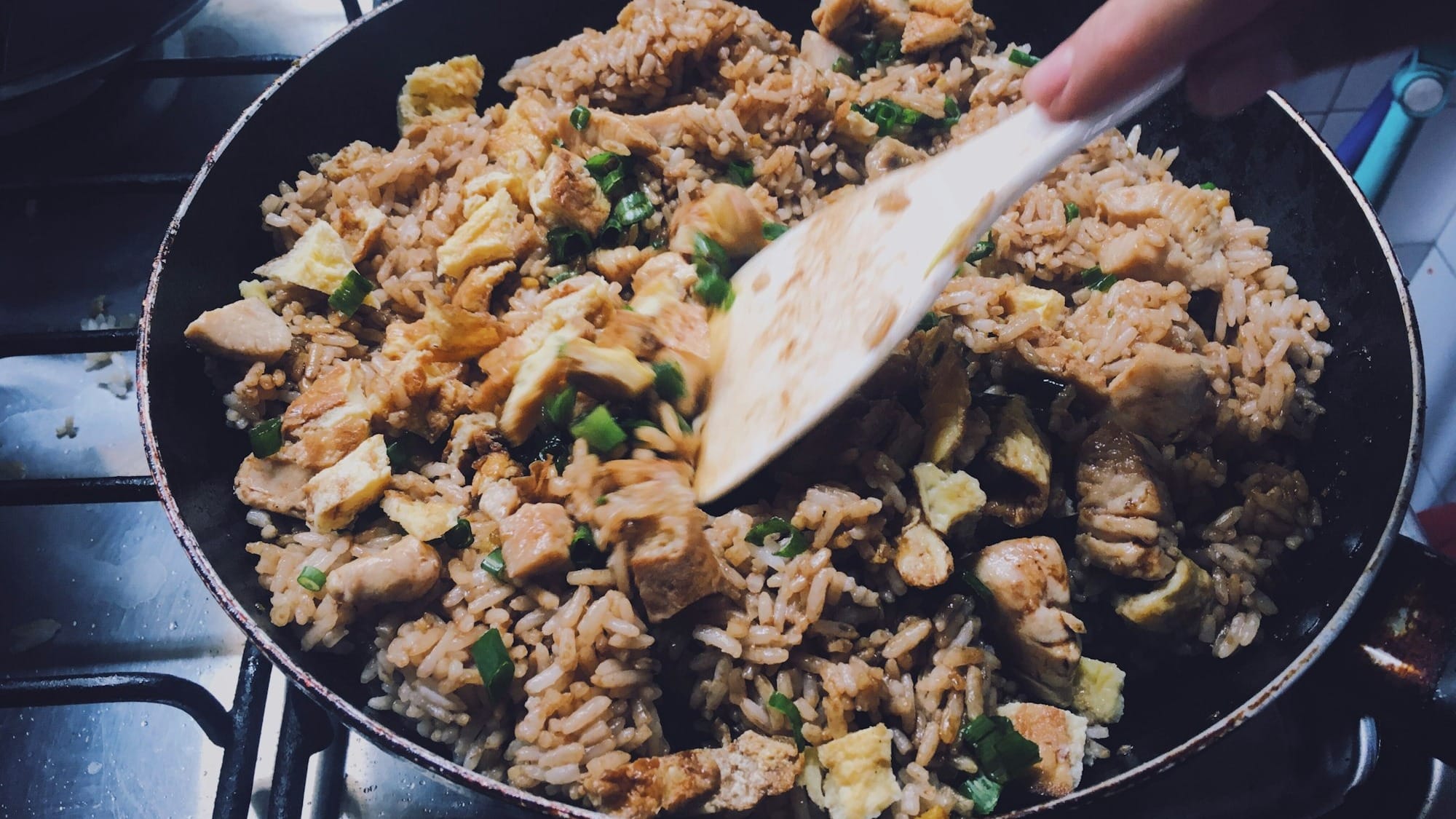
Dinner: Tempeh stir-fry with brown rice and sesame
Marinated tempeh cubes stir-fried with broccoli, snap peas, and red pepper in a ginger-tamari sauce, served over brown rice. Tempeh is a fermented soy product that delivers 19g of protein per 100g, is more digestible than most plant proteins (similar to animal proteins), and, unlike a lot of plant foods, it develops a golden crust when cooked in a hot pan.
Ingredients (serves 2)
- 200g firm tempeh, cut into 2 cm cubes
- 1½ cups (280g) cooked brown rice
- 1 tbsp neutral oil (sunflower)
- 1 tbsp sesame oil
- 2 garlic cloves (minced)
- 1 tsp fresh ginger (grated)
- 1 head broccoli (in small florets)
- 1 red bell pepper (thinly sliced)
- 100g snap peas
- 3 tbsp low-sodium soy sauce or tamari
- 1 tbsp rice vinegar
- 1 tsp sesame oil (to finish)
- 1 tsp maple syrup
- 1 tsp cornflour + 1 tbsp water
Directions
- Whisk together soy sauce, rice vinegar, maple syrup, and cornflour slurry in a small bowl. Set aside.
- Heat neutral oil in a wok or pan over high heat. Add tempeh and cook for 4–5 minutes, turning until it turns golden and crispy all over. Remove and set aside.
- In the same pan, heat sesame oil over medium-high heat. Add garlic and ginger; stir-fry for 30 seconds until it has softened slightly.
- Add broccoli and peppers. Stir-fry for 3–4 minutes until just tender but still crisp and colourful. Add the snap peas and cook 1 minute more.
- Return tempeh to the pan. Pour over the sauce and toss to coat. Cook 1–2 minutes until the sauce thickens and starts to cling to the other ingredients.
Day 2
Breakfast: Peanut butter overnight oats with hemp seeds
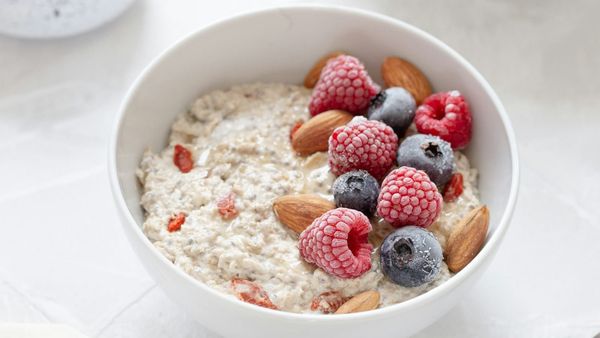
Rolled oats soaked overnight in soy milk with two tablespoons of peanut butter, a tablespoon of chia seeds, and a scattering of hemp seeds. Top with sliced banana and a drizzle of maple syrup in the morning. This dish requires zero morning effort and delivers over 20g of protein before you’ve started your day.
Snack: Roasted spiced chickpeas
Crispy oven-roasted chickpeas seasoned with smoked paprika, cumin, and garlic powder. This crunchy, high-fibre snack provides 15g of protein per serving. Make a double or triple batch: they keep in an airtight container for three days and are better than anything store-bought.
Lunch: Black bean and sweet potato burrito bowl
Seasoned black beans, roasted sweet potato, brown rice, quick-pickled jalapeños, guacamole, and fresh salsa in a bowl. Finished with lime juice and a handful of fresh coriander. Do not skip the lime — it brightens everything up and improves the absorption of iron1 from the beans.
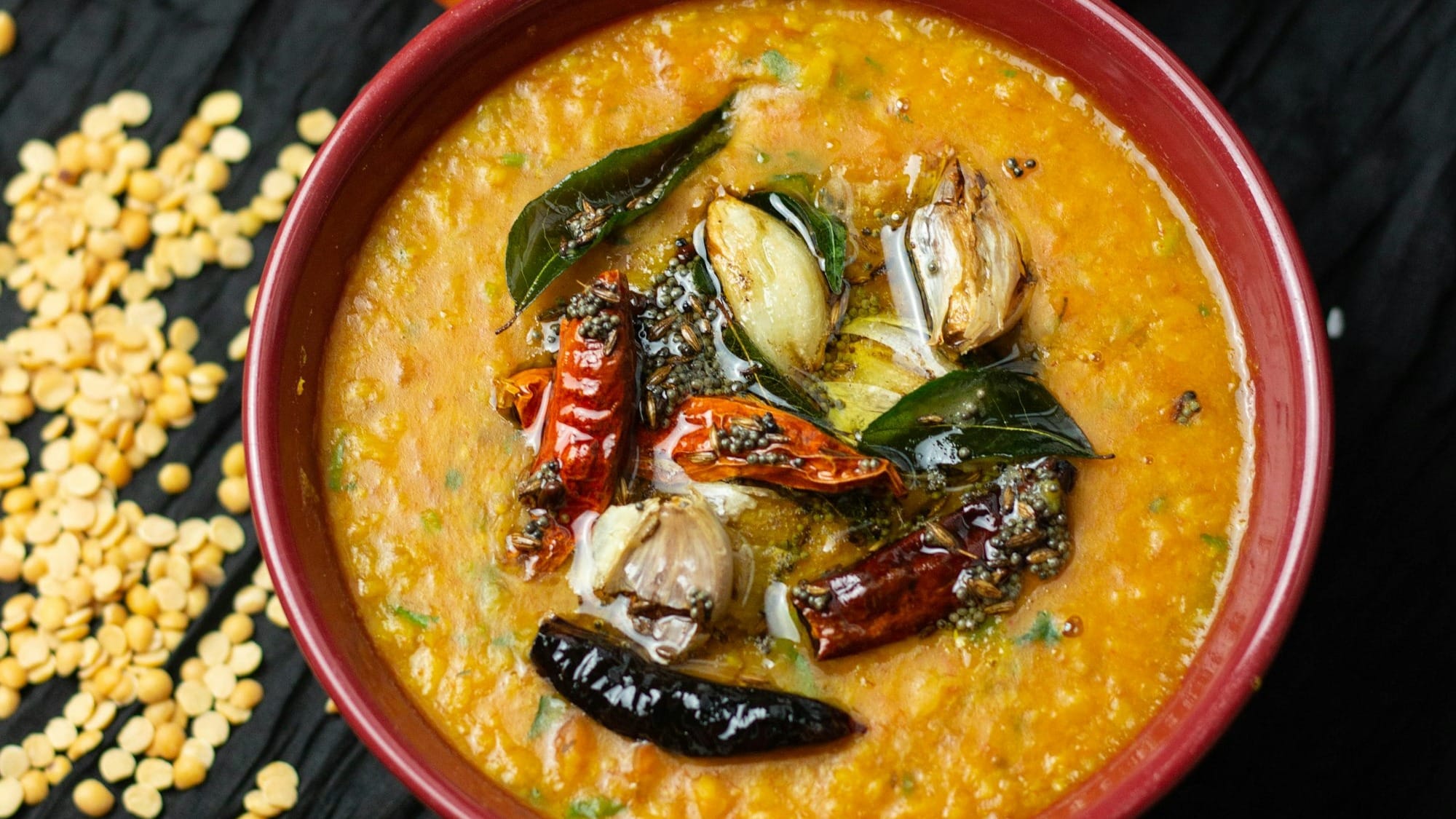
Dinner: Red lentil dal with wilted spinach
A warming, aromatic red lentil dal tempered with mustard seeds, cumin, garlic, and ginger, finished with fresh spinach and lemon. Red lentils deliver 18g of protein per cooked cup, require no soaking, and cook in under 20 minutes. This makes this dish one of the fastest and most nutritious dinners in the plan.
Ingredients (serves 2)
- 1 cup (200g) dried red lentils, rinsed
- 2½ cups (600ml) vegetable stock
- 1 tbsp coconut or neutral oil
- 1 medium onion (finely diced)
- 3 garlic cloves (minced)
- 1 tsp fresh ginger (grated)
- 1 tsp cumin seeds
- ½ tsp mustard seeds
- 1 tsp ground coriander
- 1 tsp ground turmeric
- ½ tsp chilli flakes (adjust to taste)
- 1 can (400g) chopped tomatoes
- 100g fresh spinach
- Juice of ½ lemon
- Fresh coriander and naan bread to serve
Directions
- Heat oil in a medium saucepan over medium heat. Add cumin and mustard seeds; cook 30–60 seconds until they pop.
- Add onion and cook 5–6 minutes until softened and lightly golden. Stir in garlic, ginger, ground coriander, turmeric, and chilli flakes. Cook 1 minute.
- Add chopped tomatoes. Cook 2–3 minutes, stirring. Add rinsed lentils and vegetable stock. Stir, bring to a boil, then reduce to a simmer.
- Simmer uncovered for 15–18 minutes, stirring occasionally, until lentils break down and the dal is thick. Add a splash of water if needed.
- Stir in spinach and let wilt for 1–2 minutes, then remove from heat, add lemon juice, and season with salt. Top with fresh coriander. Serve with naan.
Chef's tip
Make double the quantity — red lentil dal keeps in the fridge for 4 days and actually improves the flavour. It also freezes great for up to 3 months, making it a good candidate for meal-prep Sundays.
Day 3
Breakfast: Edamame and spinach smoothie bowl
A thick, bright green smoothie blended from frozen edamame, baby spinach, banana, soy milk, and hemp seeds, topped with granola, sliced kiwi, and a swirl of almond butter. Edamame in a smoothie sounds unusual, but it blends completely smooth, giving it a creamy texture, and adds protein without altering the flavour.
Snack: Almond butter and apple slices
Sharpe and crispy apple slices paired with two tablespoons of natural almond butter. Simple, portable, and provides around 7g of protein alongside healthy fats and fibre. Choose a natural almond butter with no added sugar or palm oil for the cleanest nutritional profile.
Lunch: Chickpea 'tuna' salad sandwich
Mashed chickpeas combined with nori flakes, finely diced celery, red onion, lemon juice, and vegan mayonnaise on toasted whole-grain bread. The nori is the key ingredient — it lends a subtle taste of the sea that makes this a novel lunchbox staple.
Dinner: Seitan with roasted root vegetables and herb sauce
Thick slices of pan-seared seitan with a herb-mustard crust, served over caramelised roasted carrots, parsnips, and beetroot, covered with a fresh parsley and caper salsa verde. At 25g of protein per 100g, seitan is the densest plant protein around.
Ingredients (serves 2)
- 300g store-bought seitan (sliced thickly)
- 2 tbsp olive oil
- 1 tbsp Dijon mustard
- 1 garlic clove (minced)
- 1 tsp dried thyme
- 1 tsp smoked paprika
- 2 medium carrots (cut into chunky pieces)
- 2 medium parsnips (quartered)
- 1 medium beetroot (cut into wedges)
Directions
- Preheat oven to 200°C / 180°C fan / Gas 6, then toss root vegetables in olive oil, rosemary, salt, and pepper. Spread on a large tray and roast 30–35 minutes until tender and caramelised, turning halfway.
- Mix olive oil, Dijon mustard, garlic, thyme, smoked paprika, salt, and pepper. Brush all over the seitan.
- Heat a dry pan over medium-high heat. Cook seitan 3–4 minutes per side until golden with charred edges (just like a slice of meat).
- Make the herb sauce: blitz parsley, capers, garlic, olive oil, and lemon juice in a small blender until roughly textured and season. You can also do it in a pestle and mortar if you don’t have a blender.
- Plate roasted vegetables, top with seitan, and spoon the herb sauce generously over everything. Serve immediately.
Chef's tip
Soak the cashews overnight in the fridge to save time. For a nut-free version, substitute the cashew crema with plain soy yoghurt thinned with lime juice and a pinch of garlic powder.
Day 4
Breakfast: Savoury chickpea flour pancakes (“besan chilla”)
Thin, crispy Indian-style pancakes made from chickpea flour batter with fresh ginger, green chilli, coriander, and cumin, served with soy yoghurt and a spoonful of mango chutney. These come together in under 15 minutes, deliver 12g of protein before the yoghurt, and keep you full until lunch.
Lunch: White bean, kale and lemon soup
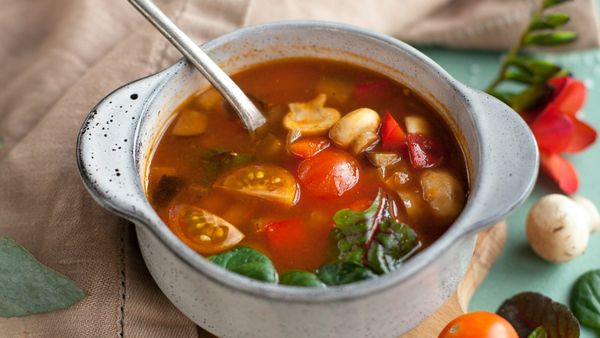
A Tuscan-inspired broth where creamy cannellini beans, cavolo nero, and garlic simmer together, finished with a squeeze of lemon and a swirl of good olive oil. Make a large pot as the beans release their starch overnight and transform the broth into something thick and savoury by the next day.
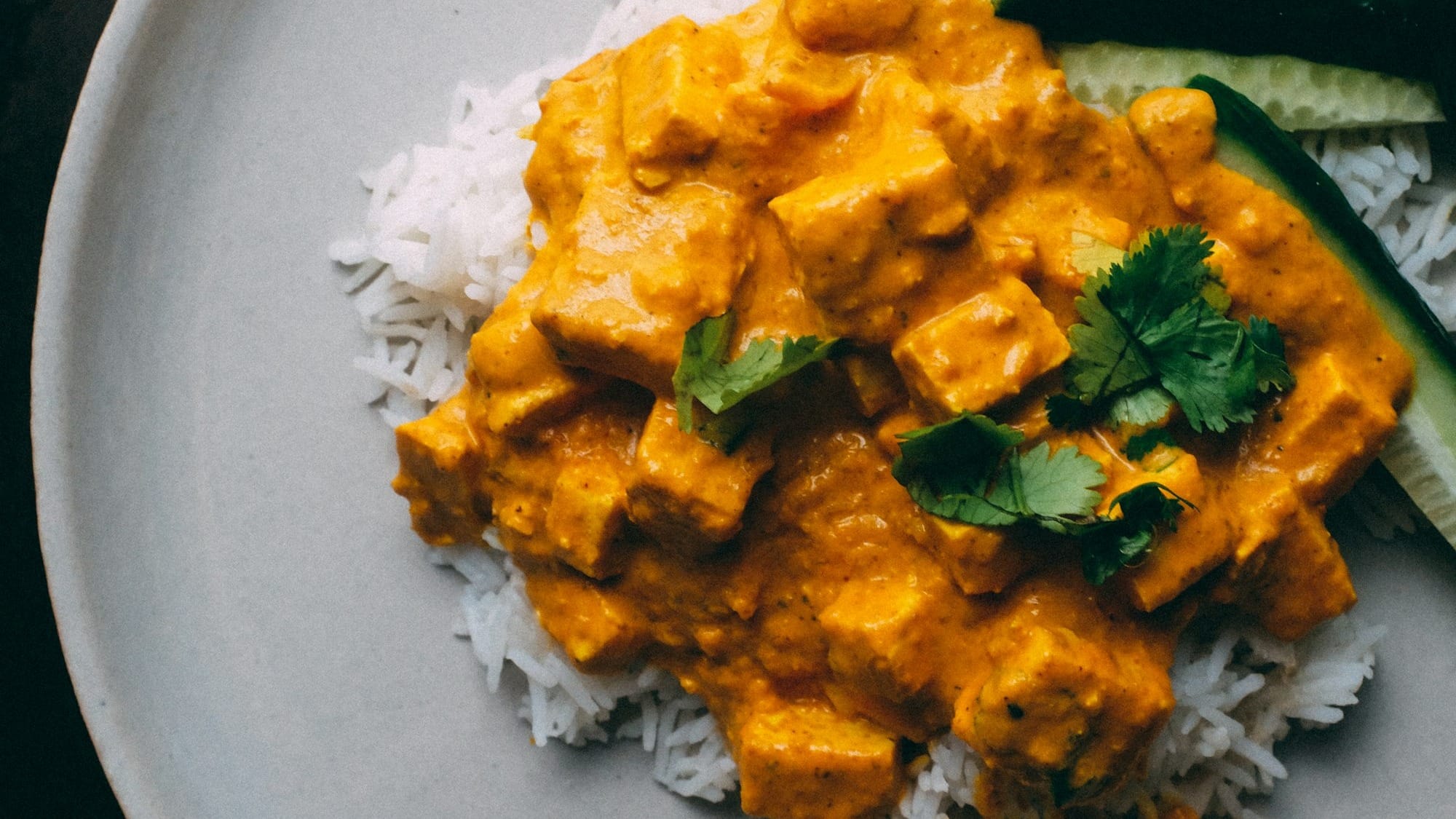
Dinner: Tofu tikka masala with basmati rice
Marinated extra-firm tofu, charred in a hot pan, simmered in a rich, smoky tomato-coconut tikka sauce and served over white or brown basmati rice. Press the tofu for at least 30 minutes before marinating; a drier surface absorbs more flavour, develops a better crust, and holds together in the sauce.
Ingredients (serves 2)
- 400g extra-firm tofu (pressed for 30 min)
- 3 tbsp plain soy yoghurt
- 1 tbsp lemon juice
- 1 tsp each: cumin, coriander, smoked paprika, garam masala
- ½ tsp each: turmeric, chilli powder
- 1 tbsp coconut or neutral oil
- 1 medium onion (finely diced)
- 3 garlic cloves (minced)
- 1 tsp grated ginger
- 1 can (400g) chopped tomatoes
- 150ml full-fat coconut milk
- 1 tsp maple syrup
- 1 cup (185g) uncooked white or brown basmati rice
Directions
- Cut pressed tofu into 2 cm cubes. Combine the marinade ingredients, coat the tofu thoroughly, and marinate for at least 30 minutes. Cook brown basmati rice per packet instructions.
- Heat a non-stick pan over high heat. Fry the marinated tofu 2–3 minutes per side until charred and golden. Set aside. In the same pan, heat oil over medium heat. Add onion and cook 6–7 minutes until softened.
- Add garlic, ginger, garam masala, cumin, smoked paprika, and chilli powder. Cook 30 seconds.
- Add tomatoes. Simmer 8 min, stirring, until the sauce deepens in colour.
- Stir in coconut milk and maple syrup. Simmer 3 minutes until silky and rich. Add the charred tofu. Stir gently and simmer 2 minutes. Serve over rice with fresh coriander.
Chef's tip
Press the tofu using a dedicated tofu press or place it between two plates with a heavy pan on top for 30 minutes. The drier the surface, the better the marinade will penetrate the tofy — and the better the crust when it hits the pan.
Dessert: No-bake dark chocolate and walnut energy balls
Medjool dates blended with rolled oats, cocoa powder, chopped walnuts, and peanut butter, rolled into balls and chilled until firm. A no-bake snack or dessert that doubles as a protein-rich energy source. Roll in desiccated coconut or crushed pistachios for a more polished finish. Make a full batch of 12 and store it in the fridge for the week.