
Muscle
Strength vs. Size: How Your Muscles Really Adapt to Training
Early strength gains come from your nervous system, not bigger muscles. Here's how hypertrophy and neural adaptation actually work.
Building and maintaining muscle depends on how you train, eat, and recover, and matters far beyond just aesthetics. This article covers muscle growth through exercise and nutrition, as well as muscle physiology and strategies for preserving strength and function as you age.
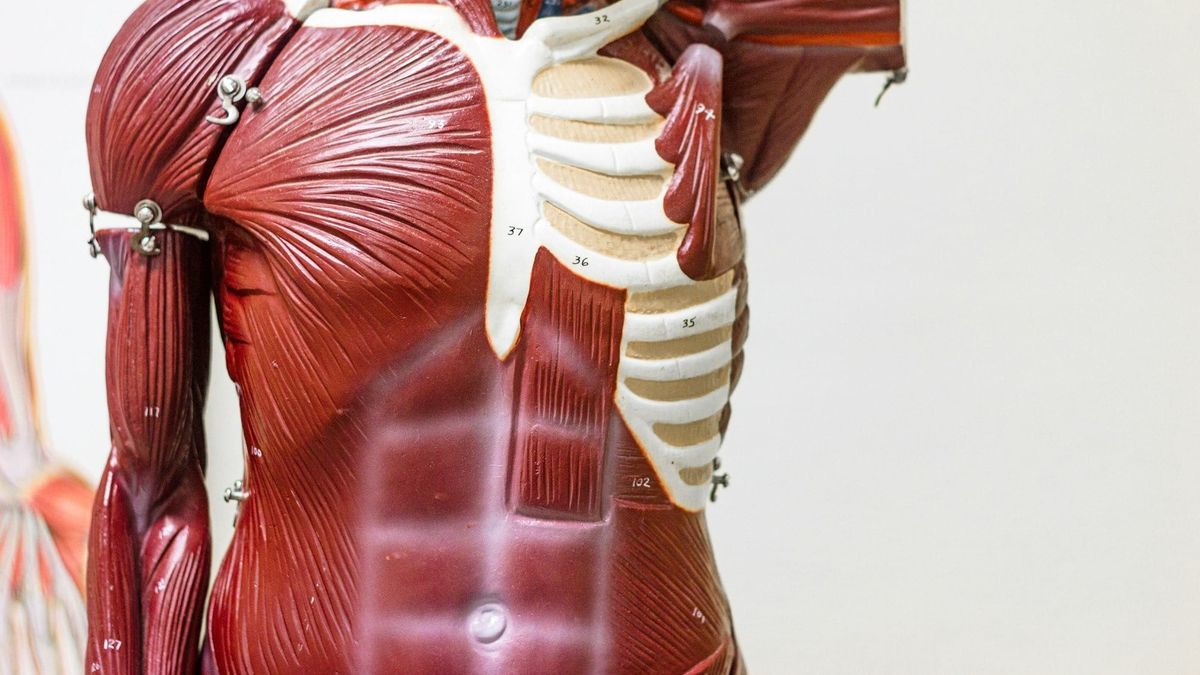
Muscle
Early strength gains come from your nervous system, not bigger muscles. Here's how hypertrophy and neural adaptation actually work.
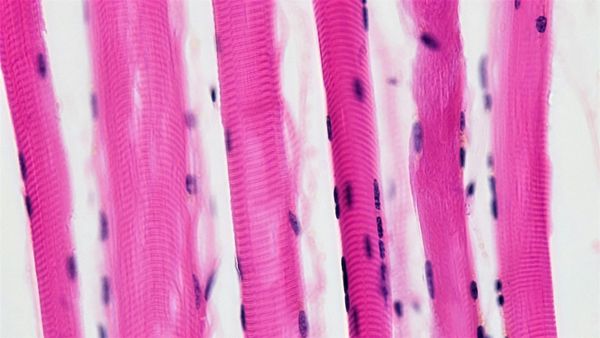
Muscle
Not all muscle is created equal, and neither are muscle fibres. Learn more about how they move, look, produce energy and behave.

Nutrition
Calories, protein, fat and carbohydrates: the right amounts, at the right time, are needed from the right sources to optimise muscle growth.
Muscle
DOMS is a muscle soreness that occurs 12–48 hours after intense or unfamiliar exercise, caused by microtears in your muscle fibres.
Sleep
Sleep is a performance enhancer that's required for optimising muscle growth. Both quality and quantity matter. You cannot out-train poor sleep.

Muscle
Creatine monohydrate supplementation can be used to increase exercise performance and muscle growth with minimal side effects.

Exercise
Eccentric training is where your muscle lengthens under force. The greater force produced under these contractions may mean more muscle growth.
Exercise
Restricting blood flow while training can stimulate adapations with ligher loads and can be used effectively to train certain groups of people.
Protein
Amino acids are the fundamental building blocks of muscle, especially leucine. Your body needs to get them for muscle repair and growth.

Exercise
A series of lessons on how to start resistance training for beginners. Learn how to get bigger, faster, stronger and healthier.
Fat Loss
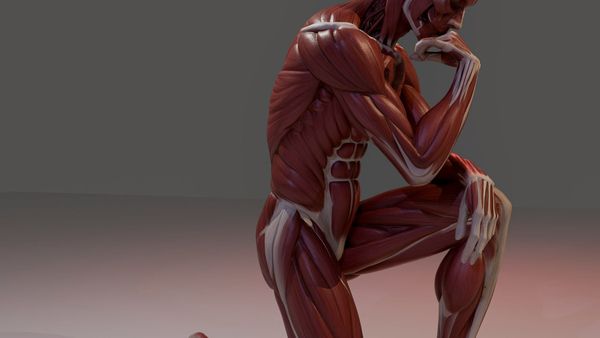
A series of lessons on body recomposition, explaining how you can lose fat and gain muscle at the same time.

Hormones
Low energy, mood, libido, training plateaus, or too much body fat? This series will introduce you to practices that are known to increase your T levels.