How to Increase Testosterone Naturally Through Diet
Your diet can affect your testosterone levels. Learn what to eat, and what to avoid to boost your testosterone levels naturally.

Key Takeaways
- Diets below 20% fat measurably reduce testosterone, so 25 to 35% of your calories should come from fat if you want to keep your testosterone levels high.
- Severe calorie restriction also suppresses testosterone within days; keep deficits under 20% of maintenance calories and avoid sustained dieting beyond a few months.
- Most commercial testosterone boosters lack credible evidence; zinc, magnesium, and vitamin D only support production if you are already deficient in them.
Testosterone is the primary male sex hormone responsible for your energy, muscle mass, libido, and mood (among many other things). What you eat plays a crucial role in keeping it 'optimised'. In this article, we'll take a look at “testosterone-boosting” foods, food groups, which supplements work, what to avoid, and what changes you can make.
The foods you eat every day can affect how well your body produces (and responds to) testosterone. Getting it wrong can quietly suppress it for weeks or months before you even notice anything.
Why Your Total Testosterone Level Isn't the Whole Story
First, let's define what 'optimising' your testosterone actually means. Most people assume this means having a high “total T” reading on a blood test. How many ng/dL do you have? 1000 ng/dL, everything is great, 300 ng/dL, not so good, right? But your total testosterone is only part of the picture.
A significant portion of testosterone in your blood is bound to a protein called “sex hormone-binding globulin” (SHBG), which makes it “biologically inactive” (meaning it doesn’t interact with your body). Only "free" testosterone (i.e., not bound to anything) is actually available for your body to use. You can have normal total testosterone levels while still experiencing the effects of low testosterone if your SHBG is too high or if your body's hormonal signalling is disrupted in some way.
Testosterone is produced in your testes, but the amount that you produce is controlled by your brain, which is sensitive to your nutritional state, stress levels, sleep and body composition. So if you want to optimise your testosterone, it is really a “whole systems” approach — not just manipulating a single marker on your lab results.
Signs Your Testosterone May Be Low
Low testosterone is also not clear or easy to diagnose from its symptoms, but some of the most common signs include [1]:
- Persistent low energy or fatigue, even with adequate sleep
- Reduced sex drive or difficulty with erections
- Poor sports performance, muscle loss or difficulty building muscle.
- Increased body fat, particularly around the abdomen
- Low mood, irritability, or difficulty concentrating
If several of these things sound familiar, your diet could be a contributing factor. And the good news is that some nutritional changes can improve your testosterone, often within weeks.
How Your Diet Directly Affects Testosterone Production
Testosterone is made from cholesterol. This means your body cannot produce testosterone without adequate amounts of dietary fat. Eating too little fat reduces the availability of this building block and will blunt the production of testosterone.
Beyond fat, your overall calorie intake acts as a signal to your testosterone production system. When your calorie intake drops too low, your body interprets this as a 'starvation' response and goes into "survival mode". Your body will go on to dial down your testosterone production; this can happen in just a few days of an aggressive energy deficit [2].
Several micronutrients (like zinc, magnesium and vitamin D) are required in certain amounts to produce testosterone. So, if you are deficient in any of these micros, your production of testosterone will slow or stop. Correcting these deficiencies can restore normal testosterone levels, but mega-dosing beyond adequate amounts doesn’t seem to speed up or increase testosterone production.
The Best Foods and Nutrients to Support Testosterone
1. Prioritise Dietary Fat
Aim for 25–35% of your total daily calories from fat. Evidence shows that very low-fat diets (below 20% of calories from fat) can reduce testosterone levels [3]. Just like some of the micronutrients, eating a high-fat diet (say, beyond 35%) does not further increase your testosterone levels.
The type of fat also matters. So you want to ensure you are eating enough saturated fats (e.g., eggs, red meat, full-fat dairy, and coconut oil), monounsaturated fats (e.g., olive oil, avocado, and nuts) and omega-3 fatty acids from oily fish.
2. Eat Enough Calories
If your goal is to optimise testosterone while maintaining a healthy bodyweight, keep any calorie deficit less than 20% below maintenance, and avoid sustained dieting for more than a few months at a time. Strategic "re-feed" periods every two to four weeks, or dieting, can help restore hormonal function [2].
3. Eat Enough Zinc, Magnesium & Vitamin D
Good dietary sources of zinc include oysters (the richest source by far), red meat, poultry, pumpkin seeds, beans, and whole grains. For vegetarians and men who train heavily, pay attention, because they are at higher risk of zinc deficiency, as it is lost through sweat [4].
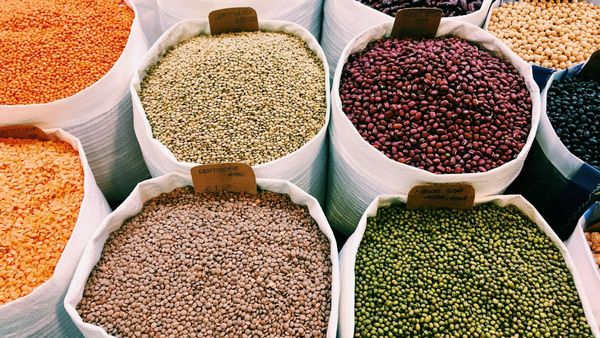
For magnesium, which is required for loads of things (including testosterone production), eat leafy greens, nuts and seeds, whole grains, legumes, and dark chocolate. Magnesium may also improve your sleep quality, which is important for testosterone production as well.
Vitamin D acts as a hormone, stimulating testosterone production in itself (up to a point). Eating fatty fish and eggs, but sunlight exposure is the most potent source of vitamin D. If you live in northern latitudes and spend limited time outdoors, you may have to look at taking vitamin D supplements [5].
4. High Quality Protein, Not Too Much or Too Little
Protein doesn’t directly drive testosterone production, but it is required to support and build muscle, recovery and a healthy body composition. Aim for 1.6–2.2 g per kilogram of bodyweight per day from whole food sources like meat, fish, eggs, and legumes. Note that very high protein intakes (above 3.4 g/kg/day) may actually reduce testosterone levels; so again, more isn’t always better [6].
What to Avoid: Things That Suppress Testosterone
1. Aggressive Calorie Restriction
An ultra-low-calorie diet, particularly one combined with heavy training, is one of the fastest ways to suppress testosterone [2]. Your endocrine system cannot distinguish between intentional dieting and genuine food scarcity. If you need to lose fat, do it slowly.
2. Very Low-Fat Diets
Diets providing less than 20% of calories from fat have been shown to reduce testosterone levels [3]. Fat-phobic eating patterns (that are common in some physique sports and fitness communities) can quietly undermine your testosterone levels.
3. Excess Alcohol
Regular heavy alcohol consumption suppresses testosterone production and disrupts your sleep, further compounding its disruptive effect. Occasional moderate drinking is unlikely to cause any major issues, but regular heavy use can [7].
4. Too Much Body Fat
Fat tissue, particularly the visceral (abdominal) fat, converts testosterone to oestrogen via an enzyme called aromatase. Carrying too much body fat suppresses testosterone. So if you’re overweight, losing fat is one of the most effective things you can do for your testosterone levels.
Which Testosterone-Boosting Supplements Actually Work?
Ashwagandha supplementation increases total and free testosterone, particularly for older men, stressed men, or men with low-testosterone symptoms [8]. Its effects are modest as it works (indirectly) by reducing cortisol (which suppresses testosterone) rather than directly stimulating testosterone production.
Fenugreek extract has been shown to increase testosterone by reducing the amount of enzymes in the body ('aromatase' and '5α reductase') that convert testosterone into estrogen [9]. Results for zinc, magnesium, vitamin D, and omega-3 supplements are mixed, and only likely to raise your testosterone levels if you’re deficient in them to start with.
Despite the aggressive marketing, there is little evidence that most (so-called) testosterone boosters actually boost your testosterone, or even contain testosterone-boosting ingredients. In fact, some of these products contain things that may disrupt testosterone production [10].
Testosterone Diet: 5-Step Plan
- Calculate your minimum calorie needs: Use an online calculator or just multiply your body mass (in kilograms) by 30 for the bare minimum. Make sure you’re eating enough but not too much.
- Calculate your fat intake: Ensure at least 20% of your total calories come from fat. Prioritise saturated and monounsaturated sources, plus at least two portions of oily fish per week.
- Audit your micronutrient intake: For three days (including one weekend day), track what you eat. Are you consistently short on zinc, magnesium, or vitamin D? If so, prioritise whole food sources first, before considering supplements.
- Audit your body composition: Read how you can measure your body composition properly first, then decide if you need to lose fat or not. You should aim for the 10–20% body fat range for long-term hormonal health and optimal testosterone production. We have plenty of resources if you want to read how to lose fat properly.
- Reassess after a month: Monitor your energy, libido, training performance, and body composition. If things are improving, keep at it. If you want a more wide-ranging plan, which covers lifestyle, sleep, exercise and environmental modifications, sign up to our free 28-day testosterone boost course — diet is only one piece of a larger puzzle.
7-Day Example Meal Plan
This plan is designed for an average active man eating approximately 2,500 kcals a day, with 25–35% of calories from fat, adequate protein, and micronutrient-rich whole foods.
Monday
- Breakfast: Scrambled egg, smoked salmon, wholegrain toast & avocado
- Lunch: Grilled chicken, olive oil-lemon dressing, mixed leaves, cherry tomatoes, pumpkin seeds & feta
- Snack: A handful of mixed nuts & a piece of fruit
- Dinner: Beef stir-fry + broccoli, peppers & brown rice
Tuesday
- Breakfast: Full-fat Greek yoghurt, mixed berries, walnuts, & honey
- Lunch: Mackerel on wholegrain toast, rocket, cucumber, & a boiled egg
- Snack: Cottage cheese + sliced apple
- Dinner: Lamb chops + roast sweet potato, spinach & hummus
Wednesday
- Breakfast: Omelette + mushrooms, onion, & cheese
- Lunch: Lentil soup + wholegrain bread & an orange
- Snack: 2-3 Brazil nuts & a small piece of dark chocolate
- Dinner: Salmon fillet + quinoa, roast asparagus, green salad & olive oil-lemon dressing
Thursday
- Breakfast: Porridge + full-fat milk, chia seeds, flaxseeds & banana
- Lunch: Grilled steak in wholegrain wrap + avocado, mixed leaves, red onion
- Snack: 2 Hard-boiled eggs + celery salt
- Dinner: Roast Chicken thighs in garlic, olive oil, & herbs + roast vegetables & new potatoes
Friday
- Breakfast: Scrambled egg, smoked salmon, wholegrain toast & spinach
- Lunch: Tuna niçoise + boiled eggs, green beans, olives, potatoes & olive oil-lemon dressing
- Snack: Full-fat Greek yoghurt + pumpkin seeds
- Dinner: Beef burgers (made from lean mince) + sweet potato fries, slaw, & a side salad
Saturday
- Breakfast: Fried eggs, bacon, mushrooms, tomatoes & wholegrain toast
- Lunch: Prawn stir-fry + pak choi, snap peas, soy sauce, & noodles
- Snack: Mixed nuts & cheese
- Dinner: Slow-cooked lamb shoulder & roast root vegetables
Sunday
- Breakfast: Poached eggs on wholgrain toast, chili & avocado
- Lunch: Roast chicken + roast vegetables, potatoes
- Snack: Hummus + vegetable sticks
- Dinner: Sardines on toast + a large salad, olive oil-lemon dressing
Frequently Asked Questions
Can diet actually increase testosterone levels?
Yes — but within limits. Diet can restore testosterone to normal levels if your intake of fat, zinc, magnesium, or vitamin D is low. Correcting nutritional deficiencies can produce meaningful improvements in testosterone within weeks. However, diet alone cannot push testosterone above your natural (genetic), healthy baseline.
What foods increase testosterone the most?
No single food dramatically boosts testosterone. The most effective dietary approach is ensuring adequate intake of healthy fats (olive oil, avocado, eggs, oily fish), zinc-rich foods (oysters, beef, pumpkin seeds), and magnesium-rich foods (dark leafy greens, nuts, legumes). Avoiding large calorie deficits and ultra-processed foods is equally important.
Do low-fat diets reduce testosterone?
Yes — very low-fat diets (below 20% of calories from fat) are associated with lower testosterone levels, because testosterone is synthesised from cholesterol. This doesn't mean a high-fat diet raises testosterone above normal, but ensuring at least 25–35% of calories from fat will prevent testosterone decrements.
Does alcohol lower testosterone?
Yes — alcohol interferes with testosterone production directly by impairing the liver and testicular function (and indirectly by disrupting sleep). Heavy drinking is particularly damaging, but even moderate regular alcohol consumption has been associated with meaningfully reduced testosterone levels in some studies.
Does being in a calorie deficit lower testosterone?
Yes — an aggressive calorie deficits signal a "starvation" response, which turns off your testosterone production as a survival response. This can happen within days. Moderate calorie deficits (around 300–500 calories a day) have a smaller effect, but prolonged dieting suppresses testosterone anyway. Adequate protein and fat intake help mitigate this.
Bottom Line
There is no single superfood that will incraease your testosterone levels overnight. What matters is the overall content of your diet: eating enough calories, getting adequate dietary fat from whole food sources, meeting your basic micronutrient needs, and maintaining a healthy body composition.
For most men, maintaining a lean physique year-round, eating at or slightly above maintenance calories with 25–35% of calories from fat, will produce better outcomes than repeatedly cycling between aggressive cutting and bulking phases. Start with the basics. Get your calories right. Eat good fats. Eat enough zinc and magnesium. Get sunlight when you can.
Sources
- Mohamed O et al. The quantitative ADAM questionnaire: a new tool in quantifying the severity of hypogonadism. Int J Impot Res. 2010 Jan-Feb;22(1):20-4. PMID: 19657348
- Hooper DR et al. Treating exercise-associated low testosterone and its related symptoms. Phys Sportsmed. 2018;46(4):427-434. PMID: 30063407
- Hamalainen EK et al. Decrease of serum total and free testosterone during a low-fat high-fibre diet. J Steroid Biochem. 1984;18(3):369-370. PMID: 6298507
- Prasad AS, Mantzoros CS, Beck FW, Hess JW, Brewer GJ. Zinc status and serum testosterone levels of healthy adults. Nutrition. 1996;12(5):344-348. PMID: 8875519
- Pilz S et al. Effect of vitamin D supplementation on testosterone levels in men. Horm Metab Res. 2011 Mar;43(3):223-5. PMID: 21154195
- Whittaker J. High-protein diets and testosterone. Nutr Health. 2023 Jun;29(2):185-191. PMID: 36266956
- Smith SJ et al. The effects of alcohol on testosterone synthesis in men: a review. Expert Rev Endocrinol Metab. 2023 Mar;18(2):155-166. PMID: 36880700
- Sprengel M et al. Withania somnifera (Ashwagandha) supplementation: a review of its mechanisms, health benefits, and role in sports performance. Nutr Metab (Lond). 2025 Feb 5;22(1):9. PMID: 39910586
- Mansoori A et al. Effect of fenugreek extract supplement on testosterone levels in male: A meta-analysis of clinical trials. Phytother Res. 2020;34(7):1550-1555. PMID: 32048383
- Clemesha CG et al. 'Testosterone Boosting' Supplements Composition and Claims Are not Supported by the Academic Literature. World J Mens Health. 2020 Jan;38(1):115-122. PMID: 31385468