Raw Food Diet: A Review
A whole-food dietary pattern based on uncooked, unprocessed foods with genuine benefits and real limitations.

- There are different types of raw food diets, but all are generally based on the premise of eating only uncooked and unprocessed foods.
- While some nutrients are indeed degraded by the cooking processes (e.g., vitamin C), other nutrients are actually enhanced by it (e.g., protein).
- There are several health risks associated with the diet (both long and short-term), which probably outweigh the potential benefits of the diet.
The raw food diet, also known as “raw foodism” or “rawism”, is based on eating uncooked, unprocessed plant-based foods. This means that most or all food intake is raw (uncooked) or has been minimally heated. Adherents to the diet believe that cooking destroys essential nutrients, natural enzymes, and ‘life force’ in foods, so raw foods are the answer to promoting health and preventing disease.
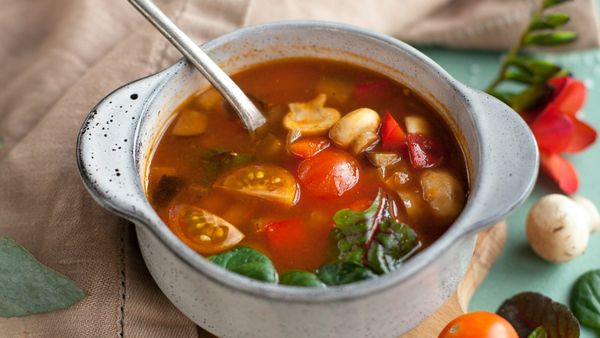
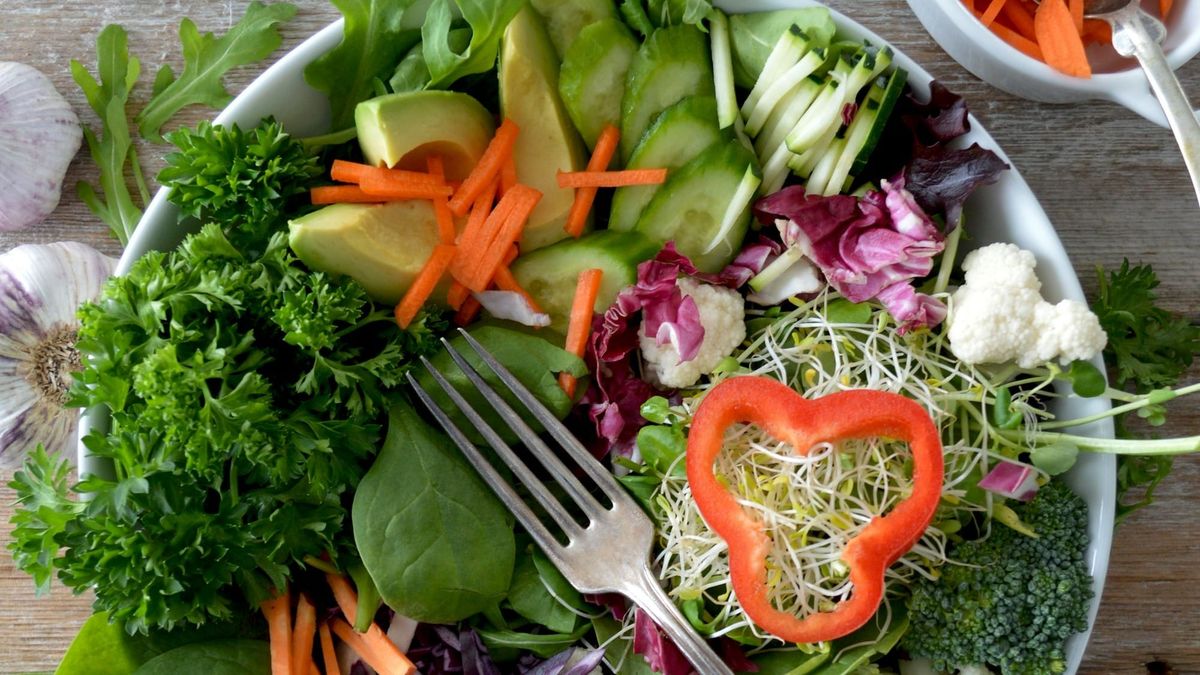
The diet is based on raw fruits, vegetables, nuts, seeds, sprouted grains, and legumes. Many followers also eat cold-pressed oils, fermented foods (like sauerkraut and kimchi), seaweed, fresh juices, and smoothies.
Some variations of the diet include ‘raw’ animal products (e.g., unpasteurised dairy, uncooked eggs, or raw fish). But many raw food diets are actually vegan or vegetarian.
Food preparation for the diet involves methods like blending, juicing, sprouting, soaking, dehydrating, and fermenting foods that are used to preserve the ‘raw state’ whilst creating a variety of textures and flavours.
Proponents of the diet argue that our digestive system is evolved for raw foods and that cooking is ‘unnatural’, disrupting the ‘nutrients’ within the food (like the live enzymes, vitamins, and antioxidants). The diet is often adopted for ‘detoxification’, weight loss, improving energy, digestion, heart health, and prevention of other common diseases.
Example foods and dishes
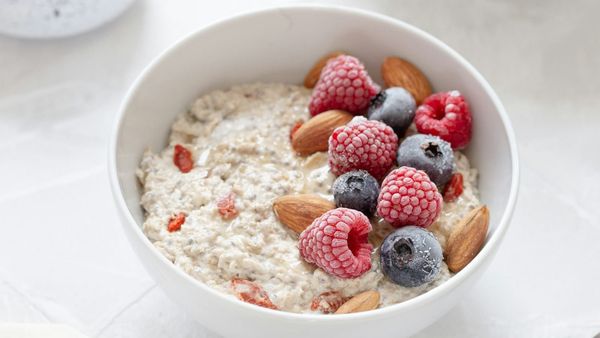
- Breakfast: Green smoothie with spinach, banana, mango, & almond milk or Raw buckwheat groats soaked overnight with fresh berries
- Lunch: Raw vegetable salad with sprouted lentils & tahini dressing or Zucchini noodles with raw marinara sauce & pine nuts
- Snack: Raw nuts & dried fruit or Fresh vegetable juice
- Dinner: Raw veggie wraps in cabbage with cashew "cheese" or Raw pad thai with kelp noodles, shredded veggies, & almond butter sauce
- Dessert: Raw cacao balls made with dates & nuts
- Drinks: Fresh-pressed juice, coconut water, herbal tea
Pros
Due to the high intake of fruits and vegetables, raw food diets usually provide a good amount of beneficial nutrients (e.g., vitamins B and C, antioxidants, and phytonutrients).
The nutrient density of the diet may be the reason why it is linked to lower cardiovascular disease rates and better mental health for some people. Sustained and substantial weight loss is also reported among those following raw food diets.
This likely results from the diet's inherently low calorie density (i.e., calories per gram or volume of food), high fibre content, and limited food variety, which reduces overall calorie intake.
The elimination of processed foods, added sugars, refined carbohydrates, and too much sodium represents a clear improvement over standard Western-style diets. The emphasis on whole plant foods also increases fibre intake, which supports digestive health and gut health.
Cons
Vitamin B12 deficiency is a major concern in the diet, along with increased risks of low calcium, vitamin D, iodine, iron, and zinc, which can go on to affect bone, brain, and cardiovascular health.
Many long-term followers of restrictive raw food diets are often underweight, ‘amenorrheic’ (loss of menstrual function), and low bone weight, which suggests there’s inadequate energy and intake of some key nutrients.
Whilst eating food ‘raw’ does preserve some heat-sensitive nutrients, cooking can also enhance the nutritional content of many foods, by increasing their digestibility and killing harmful bacteria and parasites. There are also safety concerns of food-borne illness, which increases when you consume large amounts of unpasteurised products and raw animal foods.
Despite the name, food preparation can still be time-consuming as (safely) eating raw foods needs some extra washing, chopping, sprouting, or dehydrating before eating. The limited restaurant options and difficulty sharing meals with others can also be a problem.
Some versions of the diet can also be expensive, needing fresh organic produce, some specialised equipment, and some imported or rare ingredients. The diet is pretty difficult to follow, and adherence rates are low; outside of those who are really motivated to do it.
Bottom Line
While the raw food diet provides healthy plant nutrients, it increases several health risks (e.g., nutrient deficiency, excessive weight loss, amenorrhoea, bone mass loss), which probably outweigh the potential benefits of the diet.
While some nutrients are indeed ‘degraded’ by cooking (e.g., vitamin C and folate), others become more ‘bioavailable’ (like protein, lycopene, beta-carotene, and some minerals), and heat also destroys harmful pathogens and ‘anti-nutritional’ factors in certain foods.
Overall Score: ★★☆☆☆
- Health Benefits: ★★★☆☆
- Nutrition: ★★☆☆☆
- Weight Control: ★★★☆☆
- Ease to Follow: ★★☆☆☆
- Safety Profile: ★★☆☆☆
- Scoring System
Sources
Brookie KL et al. Intake of Raw Fruits and Vegetables Is Associated With Better Mental Health Than Intake of Processed Fruits and Vegetables. Front Psychol. 2018 Apr 10;9:487. PMID: 29692750
Feng Q et al. Raw and Cooked Vegetable Consumption and Risk of Cardiovascular Disease: A Study of 400,000 Adults in UK Biobank. Front Nutr. 2022 Feb 21;9:831470. PMID: 35265657
Fontana L et al. Low bone mass in subjects on a long-term raw vegetarian diet. Arch Intern Med. 2005 Mar 28;165(6):684-9. PMID: 15795346
Garcia AL et al. Long-term strict raw food diet is associated with favourable plasma beta-carotene and low plasma lycopene concentrations in Germans. Br J Nutr. 2008 Jun;99(6):1293-300. PMID: 18028575
Koebnick C et al. Consequences of a long-term raw food diet on body weight and menstruation: results of a questionnaire survey. Ann Nutr Metab. 1999;43(2):69-79. PMID: 10436305
Koebnick C et al. Long-term consumption of a raw food diet is associated with favorable serum LDL cholesterol and triglycerides but also with elevated plasma homocysteine and low serum HDL cholesterol in humans. J Nutr. 2005 Oct;135(10):2372-8. PMID: 16177198
Platel K, Srinivasan K. Bioavailability of Micronutrients from Plant Foods: An Update. Crit Rev Food Sci Nutr. 2016 Jul 26;56(10):1608-19. PMID: 25748063