Okinawa Diet: A Review
The traditional eating pattern of one of the world's longest-lived populations is low-calorie, mostly plant-based.

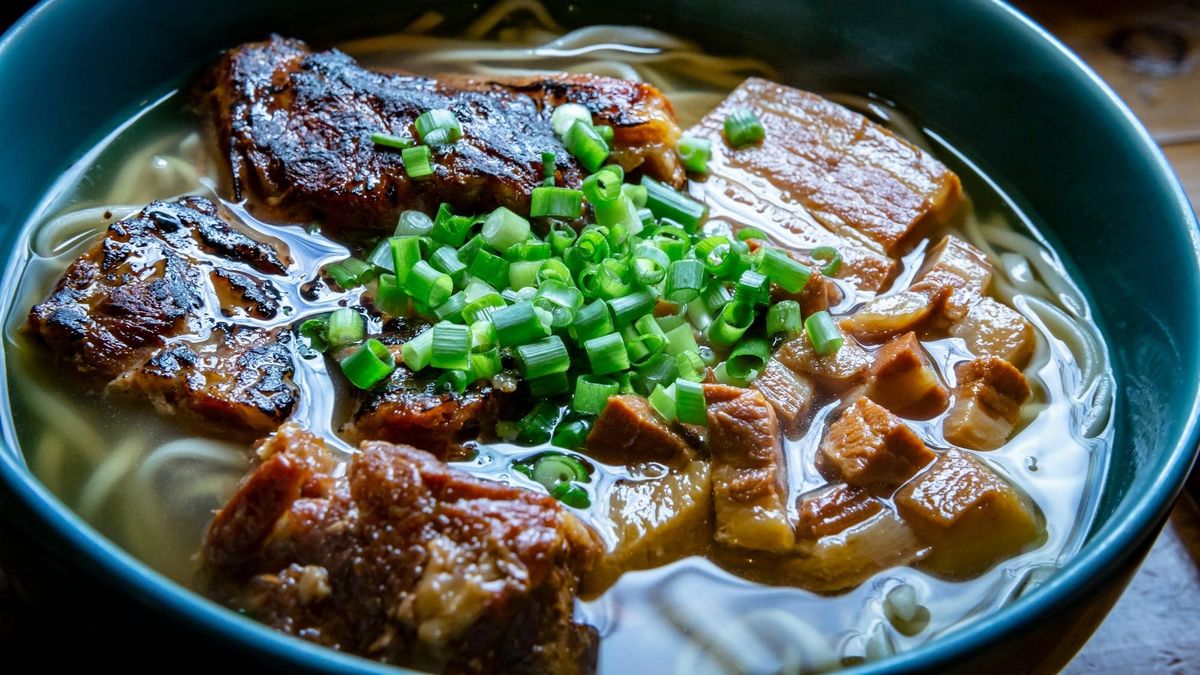
- The Okinawan diet is a traditional diet of the Okinawan Islands. The diet is built on several unique (and healthy) foods and cultural practices.
- Okinawans have among the lowest rates of cardiovascular disease and cancer in the world, with naturally low calorie intakes.
- The health benefits are limited to the older Okinawans who followed the diet lifelong, and many traditional ingredients are difficult to source.
The Okinawa diet originates from the Okinawa Islands in southern Japan. Historically, the Okinawan islanders had among the longest life expectancies and lowest disease rates in the world (it’s one of the ‘blue zones’). It’s basically the traditional diet practices of the older generation of Okinawans.
The diet is plant-based with a high intake of vegetables. Traditionally, Okinawans ate seven servings of vegetables a day, alongside two servings of sweet potato or whole grains and two servings of soy products.
The purple-fleshed Okinawan sweet potato (‘beni-imo’) historically served as the staple carbohydrate, which is rich in fibre, vitamins, and ‘anthocyanin’ antioxidants.
Other key parts of the diet include high intake of vegetables (e.g., seaweed, cabbage, radish), legumes (particularly soybeans in forms like tofu and miso), small amounts of fish (averaging 15-30 grams a day), and low meat, fat, saturated fat, sugar, and refined carbohydrate consumption.
The traditional pattern emphasises several ‘functional foods’, which include turmeric (used a lot in cooking), bitter melon (‘goya’), seaweeds, shiitake mushrooms, and jasmine tea.
Cooking methods typically involve stir-frying ingredients with a small amount of oil or steaming them. Okinawans follow a distinctive cultural practice called ‘hara hachi bu’, which means eating until 80% full and promotes natural caloric restriction without any formal dieting or calorie counting.
Example foods and dishes
- Breakfast: Black coffee or tea (during fasting window, no food) or Water with electrolytes (during fasting window, no food)
- Lunch: Large mixed salad with grilled chicken, avocado, nuts, olive oil (breaking fast) or Burrito bowl with rice, beans, meat, cheese, guacamole (first meal)
- Snack: Mixed nuts & an apple (during eating window) or Cheese & crackers (during eating window)
- Dinner: Salmon with roasted veg & sweet potato or Pasta with meat sauce, salad leaves, & garlic bread
- Dessert: Ice cream or cookies (during eating window)
- Drinks: Black coffee, tea, sparkling water
Pros
The diet has impressive health benefits, which are most obviously seen in the older Okinawans themselves. Long-term adherence to the diet is linked with low chances of age-related diseases, cardiovascular disease and some cancers, leading to longer and healthier lives.
The diet's cardiovascular health benefits are proven, with low rates of coronary heart disease and stroke among its followers. Emerging evidence also suggests the diet has ‘neuroprotective’ (brain health) effects, leading to lower rates of dementia and better cognitive function as you age.
Lifelong adherence to the diet is also linked with healthier body weights, little weight gain as you age, and low body fat. The diet naturally restricts calories, being around 20-40% than a typical Western diet. This is thought to occur without hunger due to the high volume of vegetables and dietary fibre in the diet.
Some studies using “Okinawa-inspired” diets show weight loss and improved metabolic health markers in type 2 diabetics.
Cons
Most research involves older Okinawans who maintain these traditional eating patterns throughout their lives. This makes it uncertain whether adopting the diet later in life, or in different people, will produce the same benefits.
Other lifestyle, genetic, social or environmental factors possibly contribute to the Okinawans' longevity (besides just the diet).
There are also significant practical challenges if you’re going to follow it and you don’t live in Okinawa. Many traditional Okinawan ingredients are difficult to source outside the region (e.g., goya, seaweed, beni-imo).
There is also cultural unfamiliarity with preparation methods, long preparation time for some of the dishes, and the acquired taste for certain foods may also make it difficult to follow.
There are also concerning trends inside the region, with the diet declining in popularity even among Okinawans themselves. Younger Okinawans have adopted Westernised diets featuring increased meat consumption, processed foods, and eating less vegetables.
This ‘modernisation’ has coincided with deteriorating health markers and reduced life expectancy in Okinawa, raising questions about the diet's sustainability or suitability in the modern world. It remains uncertain whether the diet can be successfully used to control healthy body weights and cardiometabolic health outside of older Okinawans.
Bottom Line
The traditional Okinawan diet is strongly linked with longevity and healthy ageing, though the observations may reflect a combination of dietary, genetic, and lifestyle factors of the older Okinawan generations.
There are also practical challenges, with limited high-quality evidence showing it works outside (or sometimes within) the region. The declining adherence even in Okinawa suggests it functions best within its original cultural and environmental context, rather than as a universally applicable diet.
Nevertheless, the diet in itself is difficult to fault and offers several (healthy) unique eating habits that are not found elsewhere.
Overall Score: ★★★★☆
- Health Benefits: ★★★★☆
- Nutrition: ★★★★☆
- Weight Control: ★★★☆☆
- Ease to Follow: ★★☆☆☆
- Safety Profile: ★★★★★
- Scoring System
Sources
Cox PA, Metcalf JS. Traditional Food Items in Ogimi, Okinawa: l-Serine Content and the Potential for Neuroprotection. Curr Nutr Rep. 2017;6(1):24-31. PMID: 28331770
Hu FB. Diet strategies for promoting healthy aging and longevity: An epidemiological perspective. J Intern Med. 2024 Apr;295(4):508-531. PMID: 37867396
Miyagi S et al. Longevity and diet in Okinawa, Japan: the past, present and future. Asia Pac J Public Health. 2003;15 Suppl:S3-9. PMID: 18924533
Willcox DC et al. Healthy aging diets other than the Mediterranean: a focus on the Okinawan diet. Mech Ageing Dev. 2014 Mar-Apr;136-137:148-62. doi: 10.1016/j.mad.2014.01.002. PMID: 2446278
Willcox BJ, Willcox DC. Caloric restriction, caloric restriction mimetics, and healthy aging in Okinawa: controversies and clinical implications. Curr Opin Clin Nutr Metab Care. 2014 Jan;17(1):51-8. PMID: 24316687
Willcox BJ et al. Caloric restriction, the traditional Okinawan diet, and healthy aging: the diet of the world's longest-lived people and its potential impact on morbidity and life span. Ann N Y Acad Sci. 2007 Oct;1114:434-55. PMID: 17986602