Mediterranean Diet: 7-Day Meal Plan
Get a 7-day Mediterranean diet meal plan of 28 simple, traditional dishes: breakfasts, lunches, dinners and snacks.

- The Mediterranean diet is the most extensively studied diet that's consistently linked to a lower risk of heart disease, stroke, and type 2 diabetes.
- This 7-day plan provides 28 dishes built around vegetables, legumes, whole grains, olive oil, and fish — the Mediterranean diet's core foods.
- The plan adapts easily for vegetarians, people with different budgets, and varying calorie targets without compromising its foundational principles.
This 7-day Mediterranean diet meal plan provides what you need to start eating the Mediterranean way. It contains 28 dishes covering breakfast, lunch, dinner, and snacks. Whether you're new to the Mediterranean diet or looking to refine your eating already, you'll get some ideas to enjoy healthy, flavorful dishes that can support weight loss, reduce inflammation, and increase your life expectancy.
What is the Mediterranean diet?
Just note that the Mediterranean diet is more than just a meal plan — it's a lifestyle inspired by the traditional diets and behaviours from the countries bordering the Mediterranean Sea, like Greece, Italy, and Spain.
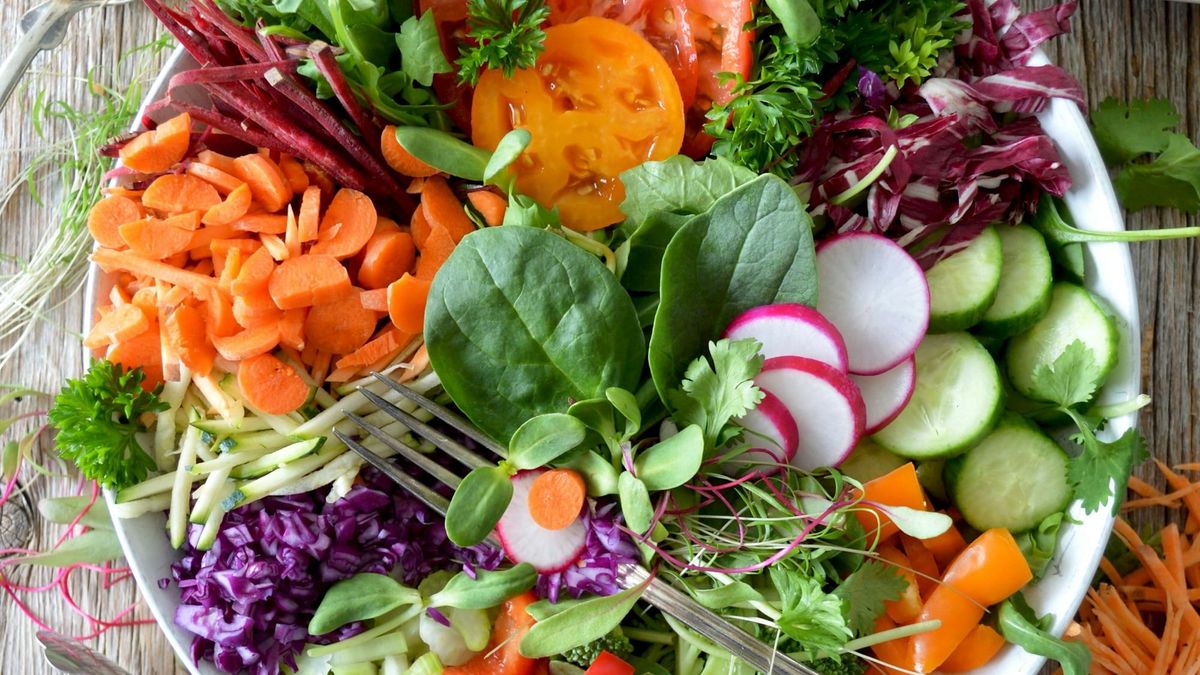
The Mediterranean diet is based on whole, minimally processed foods: lots of vegetables and fruits, whole grains, legumes, nuts, and seeds, with olive oil as the primary source of fat. They eat fish and seafood several times per week, some poultry, eggs, and dairy, and red meat and sweets are enjoyed sparingly. This makes it one of the most balanced and sustainable dietary approaches available.
The benefits of the Mediterranean diet are backed by decades of scientific research. It’s the most studied diet on the planet. Research consistently shows it reduces the risk of heart disease, stroke, type 2 diabetes, and certain cancers while supporting healthy weight management and cognitive function.[1]
The diet is rich in anti-inflammatory foods, rich in omega-3 fatty acids, antioxidants, and fiber helps protect against chronic disease and promote longevity.
Beyond physical health, the Mediterranean approach to eating also encourages “mindful meals” shared with family and friends, regular physical activity, and an overall appreciation for fresh, seasonal ingredients — making it as much about quality of life as it is about nutrition.
7-Day Mediterranean meal plan
Day 1
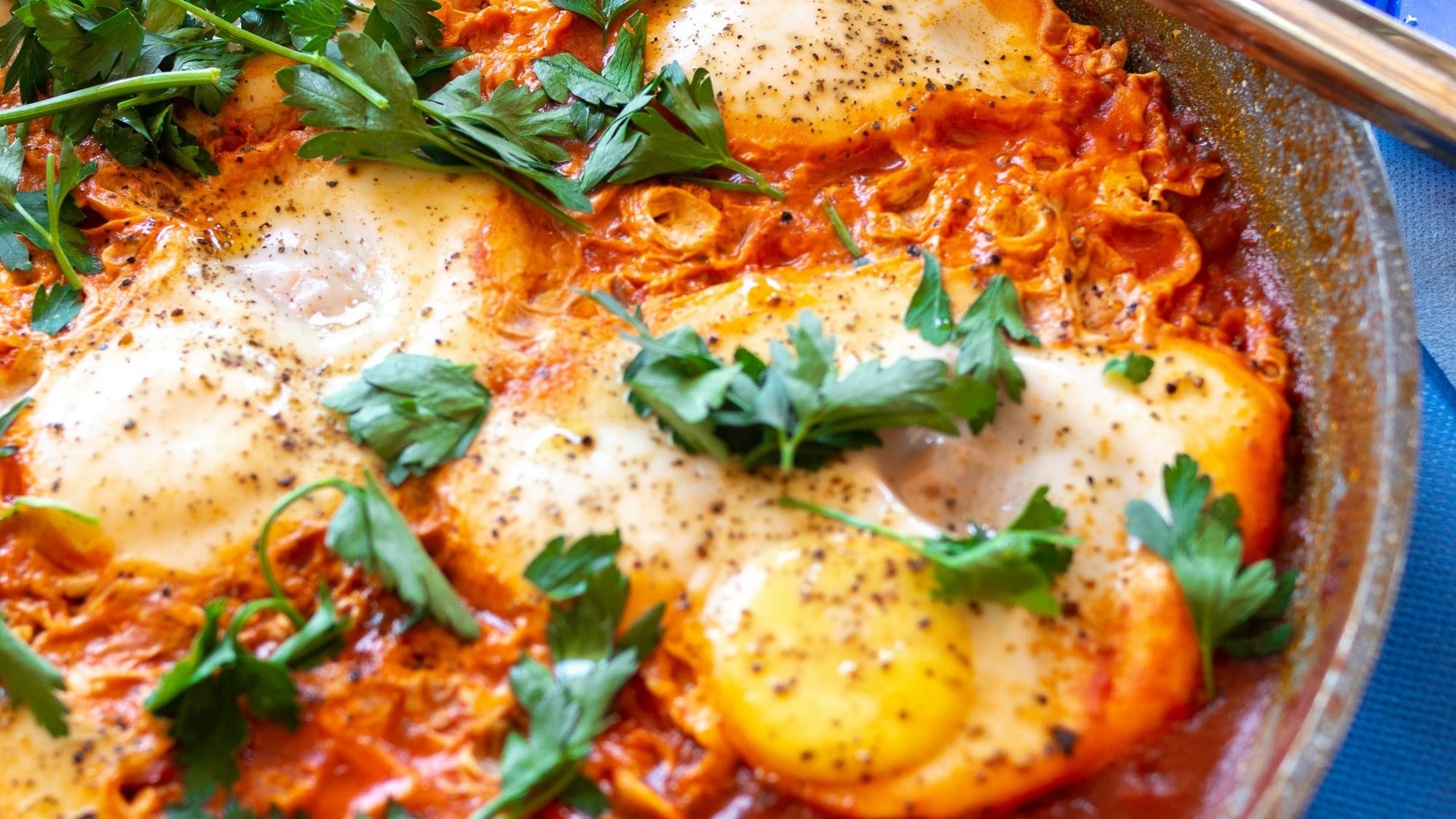
Breakfast: shakshuka
This North African dish is eggs poached in a spiced tomato and bell pepper sauce. It provides protein, lycopene, and immune-health-boosting vitamin C. Serve it with whole-grain bread for dipping. Don't skip the cumin and paprika — they're key to its authentic flavour.
Lunch: Greek salad
The combination of crisp cucumbers, ripe-vine tomatoes, kalamata olives, red onion, and feta cheese is dressed with extra-virgin olive oil and oregano, which provides heart-healthy fats, fibre, and antioxidants. For the best flavours, use vegetables at room temperature and add the dressing just before serving to keep everything crisp.
Snack: baklava (1-2 pieces)
This is a sweet treat made of flaky phyllo layers with honey-soaked walnuts or pistachios. It should be enjoyed in small portions as part of the Mediterranean diet’s philosophy of “balance and moderation”. The healthy fats from nuts make it healthier than most desserts.
Dinner: grilled fish with lemon and herbs
Fresh white fish like sea bass or snapper grilled with olive oil, lemon, and fresh herbs delivers lean protein and omega-3 fatty acids that support brain and heart health. Eat it with roasted vegetables and a simple arugula salad.
Day 2
Breakfast: whole-grain toast with avocado and tomato
Avocado provides heart-healthy monounsaturated fats and fibre, while fresh tomatoes add lycopene and vitamin C. Top with a drizzle of quality olive oil, sea salt, and red pepper flakes.
Lunch: tabbouleh with grilled chicken
A Lebanese parsley salad mixed with bulgur wheat, tomatoes, mint, and lemon juice provides antioxidants and fibre, while grilled chicken adds lean protein. Let it sit for 30 minutes before serving to allow the bulgur to absorb all the flavours.
Snack: marinated olives with citrus and herbs
A mix of green and black olives marinated in olive oil with orange zest, garlic, and fresh rosemary provides healthy monounsaturated fats and polyphenols that support heart health. Bring to room temperature before serving for maximum flavour.[2]
Dinner: seafood paella
A Spanish rice dish combines shrimp, mussels, and squid with saffron-infused rice and vegetables, delivering protein, omega-3s, and the anti-inflammatory benefits of saffron. Use a wide, shallow pan to achieve the coveted crispy bottom layer called "socarrat". You can use just one type of fish to keep it simple.
Day 3
Breakfast: Greek yoghurt with honey, walnuts and fresh figs
Thick, protein-rich Greek yoghurt topped with probiotics. Add omega-3-containing walnuts and naturally sweet figs, which provide fibre and potassium. Choose full-fat Greek yoghurt for maximum satiety and better nutrient absorption2.
Lunch: lentil soup with lemon
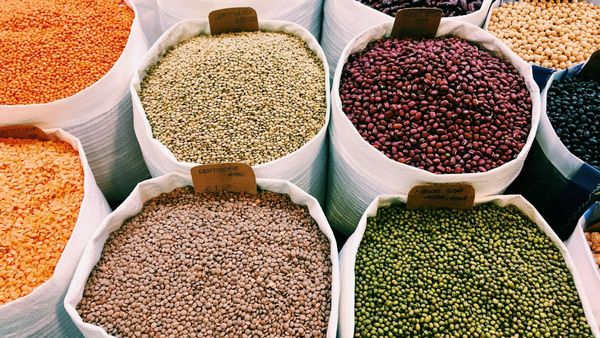
A filling vegetarian soup that combines protein-rich lentils with vegetables, olive oil, and sharp lemon flavours. Make a large batch — it tastes better the next day as flavours get time to meld together.
Snack: fresh dates stuffed with almonds
“Nature's candy” (dates) are combined with crunchy almonds. It’s a simple snack that delivers quick energy from natural sugars, plus healthy fats and vitamin E from almonds. Medjool dates work best for their large size and smooth texture.
Dinner: Briam (Greek roasted vegetables)
This traditional Greek dish features layers of zucchini, potatoes, tomatoes, and onions slow-roasted in olive oil until caramelised and tender, providing vitamins, minerals, and phytonutrients. Serve at room temperature with crusty bread and feta cheese.
Day 4
Breakfast: frittata with spinach, tomatoes and feta
This baked egg dish with iron-rich spinach, antioxidant tomatoes, and tangy feta provides protein and essential nutrients. Make it in a cast-iron skillet and serve warm or at room temperature.
Lunch: White bean and tuna salad
Creamy cannellini beans paired with olive oil-packed tuna, red onion, and fresh parsley create a protein-rich, satisfying lunch high in fibre and omega-3 fatty acids. Toss with lemon juice and let it marinate for 15 minutes before eating for the best flavour.
Snack: roasted chickpeas with paprika
Crispy oven-roasted chickpeas seasoned with smoked paprika and sea salt offer a crunchy, protein-packed alternative to chips with extra stomach-filling fibre. Roast until completely crispy and store in an airtight container for up to three days.
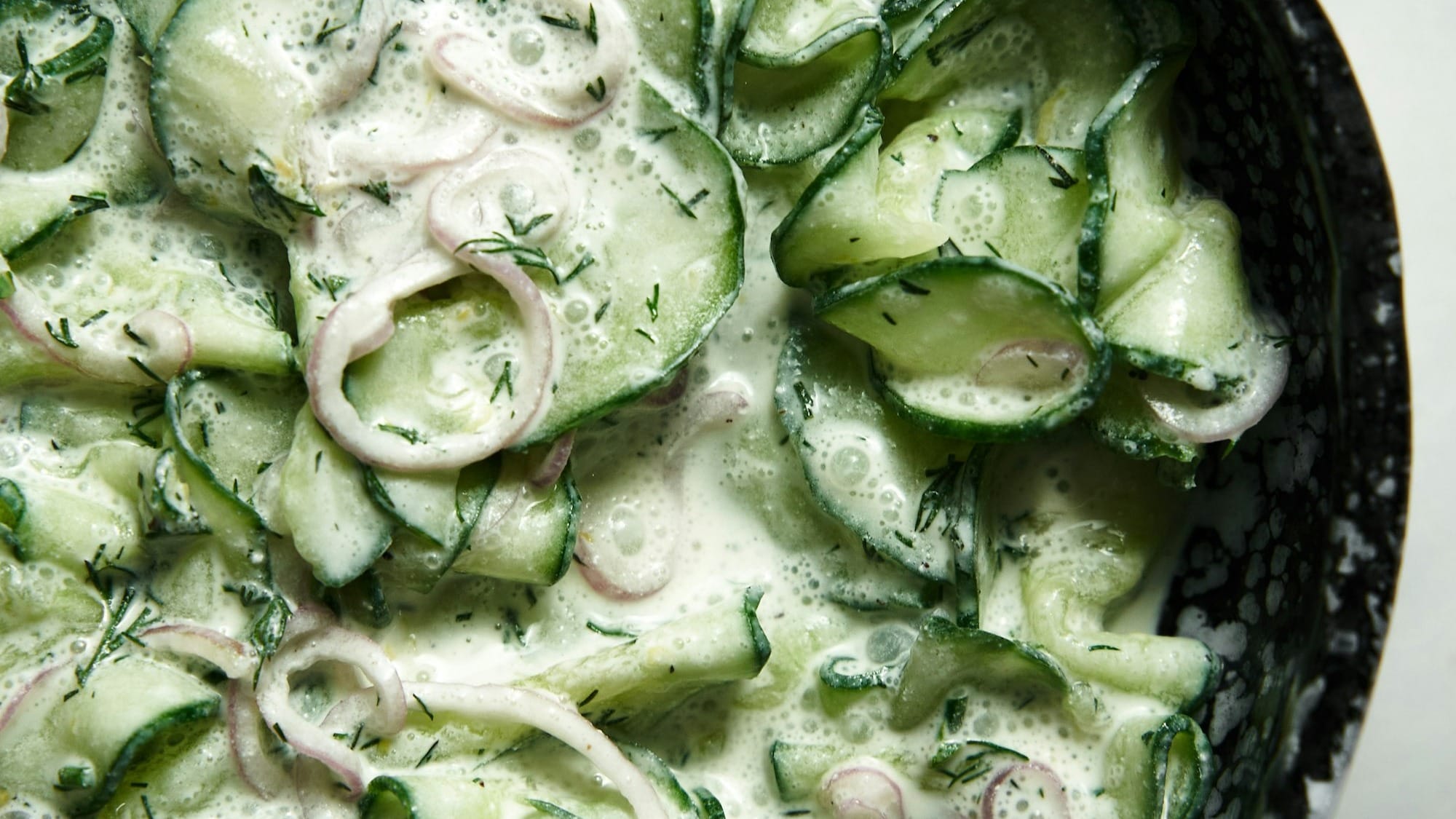
Dinner: lamb kebabs with tzatziki
Tender lamb marinated in lemon, garlic, and Mediterranean spices provides high-quality protein and essential B vitamins, served with a cucumber-yoghurt tzatziki sauce. Serve with warm pita and a simple tomato-cucumber salad for a complete meal.
Day 5
Breakfast: orange and almond semolina porridge
A Cypriot-style breakfast features creamy semolina cooked with almond milk and orange zest, providing slow-release energy and vitamin C. Top with toasted sliced almonds and a drizzle of honey for added texture and natural sweetness.
Lunch: Caprese salad with whole-grain bread
Fresh mozzarella, ripe tomatoes, and basil leaves drizzled with balsamic and olive oil deliver calcium, lycopene, and heart-healthy fats. Use the highest quality ingredients you can find.
Snack: fresh fruit with a handful of pistachios
Seasonal fruit like melon, berries, or stone fruits paired with shelled pistachios provides natural sugars for energy plus protein, fibre, and heart-healthy fats. The combination of fibre from fruit and healthy fats from nuts helps stabilise blood sugar.
Dinner: chicken souvlaki with Greek-style roasted potatoes
Marinated grilled chicken skewers seasoned with oregano, lemon, and garlic provide lean protein, paired with roasted potatoes finished with olive oil and fresh lemon juice. The key is marinating the chicken for at least 2 hours—or overnight for maximum flavour.
Day 6
Breakfast: Spinach and cheese borek
These savoury Turkish pastries are made with phyllo dough, spinach, and feta, which provide calcium, iron, and B vitamins in a portable breakfast format. Brush with olive oil instead of butter for a more authentically Mediterranean preparation.
Lunch: Moroccan chickpea stew
Warming spices like cumin, coriander, and cinnamon transform chickpeas, tomatoes, and vegetables into a fibre-rich, plant-based lunch that supports gut health. Serve over couscous or with crusty bread to soak up the broth.
Snack: cucumber rounds with labneh and za'atar
Sliced cucumber topped with tangy strained yoghurt cheese (labneh) and the aromatic Middle Eastern spice blend za'atar. It offers probiotics, some hydration, and a satisfying crunch. It’s a low-calorie snack that’s refreshing and substantial enough to tide you over between meals.
Dinner: baked cod with olives and tomatoes
Mild, flaky cod baked “en papillote” with cherry tomatoes, olives, capers, and white wine creates its own flavorful sauce while locking in moisture and omega-3 fatty acids. The parchment packet steams the fish, making it easier to cook.
Day 7
Breakfast: fig and ricotta toast with honey
Spread ricotta cheese on whole-grain toast. Top with sliced fresh figs and a drizzle of honey. This provides calcium, protein, and natural sugar. Use sourdough or whole wheat bread for added fibre and complex carbohydrates.
Lunch: panzanella (Italian bread salad)
This Tuscan salad combines day-old bread with tomatoes, cucumber, red onion, and basil, dressed in olive oil and red wine vinegar. The bread soaks up the vegetable juices and dressing.
Snack: hummus and whole-grain flatbread
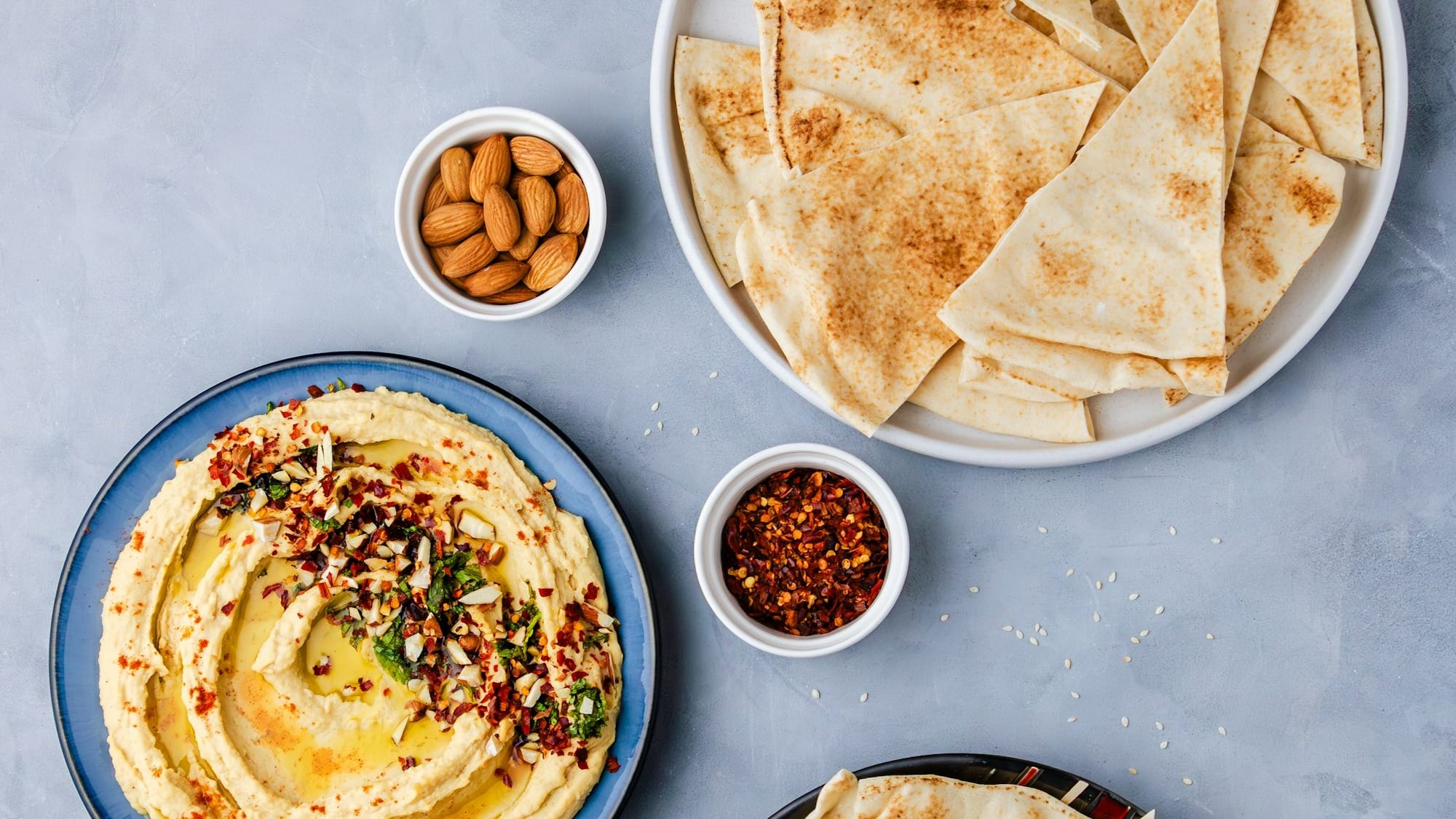
Creamy chickpea hummus provides plant protein and fibre, while whole-grain flatbread gives you energy from complex carbohydrates. Drizzle extra olive oil and sprinkle with paprika or za'atar for authentic flavours and presentation.
Dinner: moussaka
This Greek casserole layers roasted eggplant with spiced meat sauce and béchamel sauce. It provides protein, antioxidants, and complex flavours that get better if left overnight. Make ahead and reheat for better flavours.