The 3 Best Diets For Your Brain
The right diet can measurably lower your risk of heart disease. Here are three proven ones.

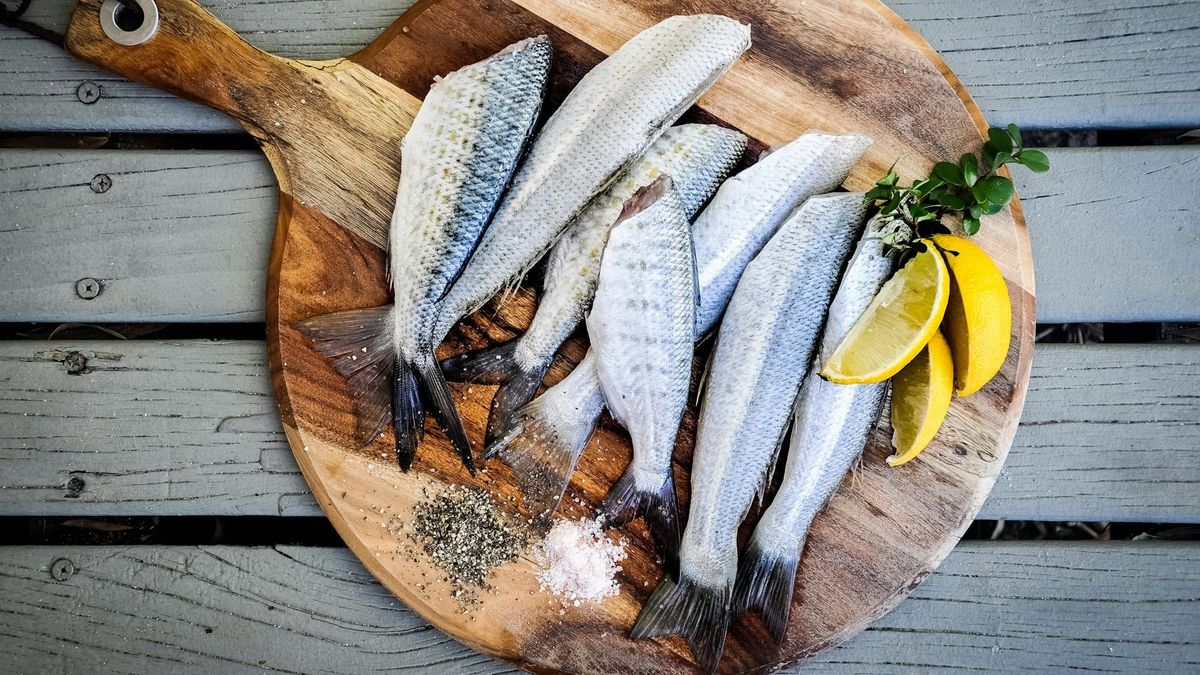
- The MIND, Mediterranean, and DASH diets have strong evidence for protecting cognitive function as you age.
- All three are rich in leafy greens, berries, oily fish, olive oil, and nuts — nutrients that are shown to protect your brain.
- The MIND diet was specifically designed to support brain health; it is a more targeted version of the other two diets.
Losing your cognitive abilities as you age isn’t always inevitable. Sure, genetics play a role, but so does your lifestyle. How physically active you are, how well you sleep, socialise, and maybe most importantly, what you eat all affect how well your brain works.
What you choose to eat has been shown to affect brain inflammation (called “neuroinflammation”), the health of the blood vessels that deliver oxygen and nutrients to your brain, how well your brain cells work, and your long-term risk of developing brain diseases like dementia and Alzheimer’s.
The good news is that there are diets and dietary patterns that support brain health. In this article, we’ll go through how your diet affects your brain, what nutrients and food groups you should target (and avoid), and then give you three tried and tested brain health diets.
Why Diet Matters for the Brain
Your brain is “metabolically active”. It burns through a fifth of your body’s total energy despite only accounting for two percent of its weight. Your brain is well vascularised (meaning that it receives a lot of blood) and is sensitive to what’s in your blood, and thus, what you eat.
It’s not just the energy, oxygen and building materials that your brain needs from your diet; it also responds to micronutrients and other small molecules or peptides that are part of your diet.
Inflammation (even at low levels) can damage brain cells and is associated with cognitive decline. Damage to your brain cells that is caused by free radicals can also be minimised by eating enough “antioxidants”.
Although they are often overlooked, the blood vessels that control blood flow to and from your brain are critically important. If they are damaged or not working correctly, it can starve your brain cells of the things it needs to keep them alive and prevent the build-up of brain-damaging waste products.
Even the health of your gut microbiome and “gut-brain axis” has been linked to mood, inflammation and how well your brain functions.[1]
The best brain health diets will address all of these issues at the same time: they should be anti-inflammatory, antioxidant-rich, and keep your blood vessels and gut microbiome healthy.
The Dietary Elements Linked to Brain Health
Diets that are good for your brain contain specific foods and nutrients that have independently been shown to protect and improve cognitive function.[1][2][3]
Leafy green vegetables
Spinach, kale, rocket, and other leafy greens are among the most proven brain-protective foods. They are rich in vitamin K, folate, lutein and beta-carotene antioxidants. Eating one to two servings per day has been associated with notably slower cognitive decline in older adults.
Berries
Blueberries, strawberries, and other dark-coloured berries are rich in flavonoids, which have antioxidant and anti-inflammatory properties. Regular berry consumption has been shown to delay cognitive decline as you age by up to 2.5 years. A minimum of 2 servings (or handfuls) of berries a week is generally recommended.[4]
Oily fish and omega-3s
The long-chain omega-3 essential fatty acids (EPA and DHA) are found in oily fish, like salmon, mackerel, sardines, and herring. They are critically important as they form part of your brain cells’ membranes, which keep them healthy.
Eating oily fish and omega-3 supplements has been shown to reduce brain inflammation, support brain cell function, and is consistently linked to better cognitive function and lower dementia risk.[5]
Olive oil
Extra virgin olive oil is rich in vitamin E (an antioxidant) and a polyphenol called oleocanthal, which has anti-inflammatory properties; sometimes called nature's ibuprofen. Regular use is associated with reduced inflammation and better cognitive function.
Nuts
Most nuts are high in an essential fat called alpha-linolenic acid (a plant-based omega-3), vitamin E, and lots of polyphenols. Higher nut intake is linked to better cognitive function in older adults. And walnuts in particular seem to be associated with better cognitive function in adults of all ages; they seem to contain more omega-3s and polyphenols than other nuts.[6]
Whole grains
Whole-grain, low-GI or slow-release carbohydrates are able to maintain a steady supply of energy to the brain to meet its needs. Whereas sugary, refined carbohydrates spike your blood sugar levels, which can (eventually) increase inflammation, cell damage, and impair brain function.
Fibre-rich, whole-grain carbohydrates are linked with a reduced risk of getting brain diseases and maintaining good cognitive function.[7]
Limiting saturated fat, sugar, and ultra-processed foods
Ultra-processed foods, too much sugar and saturated fat increase inflammation, disrupt your gut microbiome, and damage the blood vessel system that supplies your brain. Keeping ultra-processed foods to a minimum or completely avoiding them is generally recommended if you want to optimise your brain health.
The Top 3 Diets for Brain Health
#3. DASH diet
The DASH diet was originally developed to lower blood pressure, but its brain-health benefits have also been researched. The DASH diet emphasises fruits, vegetables, whole grains, low-fat dairy, nuts, and lean proteins, while restricting sodium, saturated fat, red meat, and added sugars.
The case for the DASH diet rests on its positive effects on your blood vessels. It may be surprising, but high blood pressure is one of the most important risk factors behind cognitive decline and dementia. So, by lowering blood pressure through your diet, you can protect the small blood vessels that supply your brain, which in turn can reduce the risk of blood vessel damage that harms your brain health.
 Dr. Robert Davies
#2. Mediterranean diet
The Mediterranean diet is the most widely researched diet for general health, and its evidence for brain health is just as good. It’s based on vegetables, fruits, legumes, whole grains, olive oil, and oily fish, with moderate poultry and dairy, and limited red meat and sweets, and no ultra-processed foods.
Several high-quality studies have linked the Mediterranean diet to better cognitive function, slower cognitive decline with ageing, and lower chances of getting brain diseases like dementia and Alzheimer’s disease. The closer the Mediterranean diet is followed, the better your brain health prospects are as you age.[8]
The high intake of olive oil, oily fish and colourful antioxidant-rich plants specifically keeps inflammation under control and your blood vessels healthy. In addition to the brain health benefits, the Mediterranean diet also has the broadest range of health benefits — the diet also supports heart health, mental health, healthy body weight, metabolic health, longer life expectancy, and better quality of life.