The 3 Best Fat Loss Diets
No single diet holds the key to fat loss by itself. However, some diets are better than others; here are some of the good ones.


- No single diet, by itself, is superior for the sole purpose of fat loss — what matters more than anything is creating a sustainable calorie deficit.
- That said, Mediterranean-style diets, high-protein diets and intermittent fasting diets do it better than most other diets.
- Each of these diets has unique advantages for fat loss, which don’t conflict with each other, so they can be used together.
The weight loss diet industry is worth billions of dollars, so there’s a new “revolutionary” diet every few months. It arrives, it’s promoted, it’s adopted, it fails, it’s forgotten, then repeat. Does anyone remember the grapefruit, cabbage soup or tapeworm diet?
Most of them are forgotten within a year, even the ones that partially work or may have a bit of scientific evidence behind them. Paleo diets, keto diets and the carnivore diets all fall under this category.
The diets that actually work (and keep working) tend to stand the test of time. They’re tried and tested, and they tend to share the same few quiet, unglamorous features. In this article, we’ll name three of the best ones.
We’ll discuss what drives fat loss from a dietary standpoint, identify what works and then (in our opinion) give you the three best dietary approaches that are proven and sustainable.
What actually drives fat loss?
Before comparing diets, it is worth being clear on the basics. Fat loss happens when your body uses more energy than you consume — a calorie deficit. This is not controversial; it’s physics and facts. You can’t really lose a significant amount of fat without a calorie deficit.
Where diets differ is how they help you reach, and then maintain, the calorie deficit. Some diets work by increasing how full you feel. Some diets rely on temporary motivation, mind games, willpower or strict rules. Some make overeating more difficult. Some are even able to shift your hormone balance.
However, the “best” (or most effective) fat loss diets are the ones that make it easy to eat slightly less food, so they can be sustained long-term. Here are a few common features of them.
Dietary protein
Most of the debate around fat loss over the last few decades has been low-carb versus low-fat. But, until recently, the third macronutrient, protein, had tended to be overlooked.
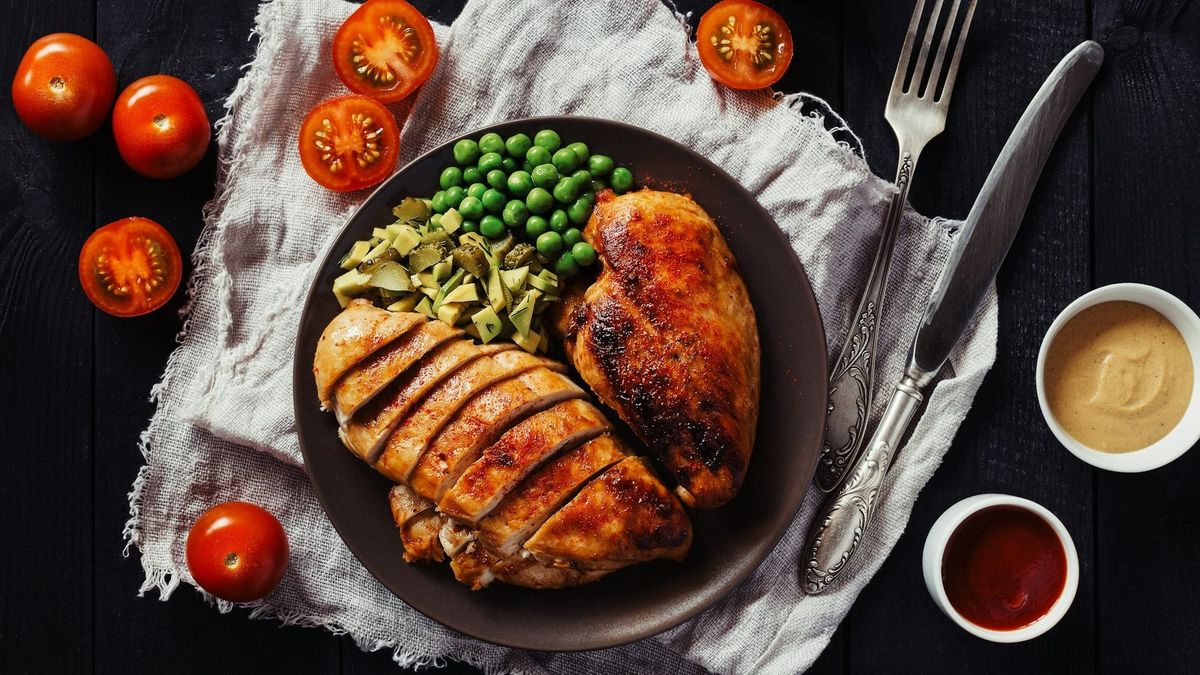
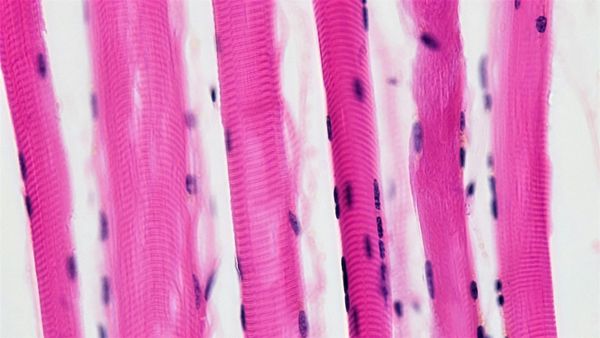
Eating dietary protein preserves muscle while you’re losing fat; it makes you feel fuller for longer, and it contains fewer calories, gram-for-gram, than fat and carbohydrate (when you account for its thermic effect).
Several studies have shown that high-protein diets produce better fat loss outcomes compared to lower-protein equivalents.[1]
Dietary fibre
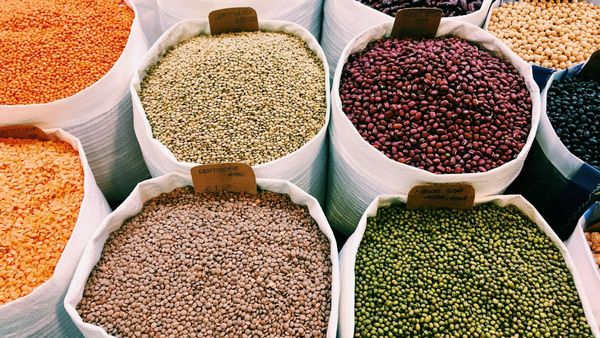
High-fibre foods slow digestion, stabilise your blood sugar levels, and reduce your appetite. They also tend to have lower energy density, which means you can eat a larger volume of food for fewer calories. Diets rich in vegetables, legumes, and whole grains are consistently associated with better weight outcomes.[2]
Adherence
Adherence is probably the most underrated factor of all. And the research is unusually consistent here: across well-designed head-to-head diet trials, the differences in weight loss between dietary approaches largely disappear when adherence is the same.
We see this all the time, where a new diet may outperform another (more established) one over 3 or 6 months. But by 12 or 24 months, fat loss is roughly the same. In other words, the best diet is one you can stick to forever, or at least long enough to reach a healthy body weight (after which it can be adjusted). A year is usually the minimum.
So, before you commit to any diet, think about whether you can see yourself following it in a year.
The Top 3 Diets for Fat Loss
#3. Intermittent Fasting
Intermittent fasting is not a “diet” in the traditional sense — it is about when you eat rather than what you eat. The most common formats are time-restricted eating (typically a 16-hour fast with an 8-hour eating window, known as 16:8), alternate-day fasting, and the 5:2 approach (normal eating five days a week, very low calories on two non-consecutive days).
Intermittent fasting produces comparable results to standard “continuous” calorie-restriction diets when total calorie intake is the same. These short intermittent fasts do not offer any special metabolic advantages, but they do offer a structure that many people like and can follow.[3]
Compressing your eating into a shorter window naturally reduces the opportunity to eat, without having to count and keep track of your calories and/or macros all day long. Most intermittent fasting protocols report meaningful fat loss (and health benefits). However, in our opinion, the 16:8 has the best returns. It has the highest ranking results and adherence, and it fits around normal sleep and daytime eating patterns.[4]
In practice, what it means is eating your breakfast later, your dinner earlier, or rolling either of them into your lunch or a daytime snack. Out of the two of them, the early window seems to be marginally better, where you stop eating earlier in the day (commonly referred to as “early time-restricted eating”).
Intermittent fasting is flexible and not a complete dietary approach, so it can be combined with other eating patterns (e.g., Mediterranean or high-protein diet). But like other diets, the key to successfully implementing it is finding a fasting protocol that you can maintain, that fits your schedule and lifestyle.

#2. High-Protein Diet
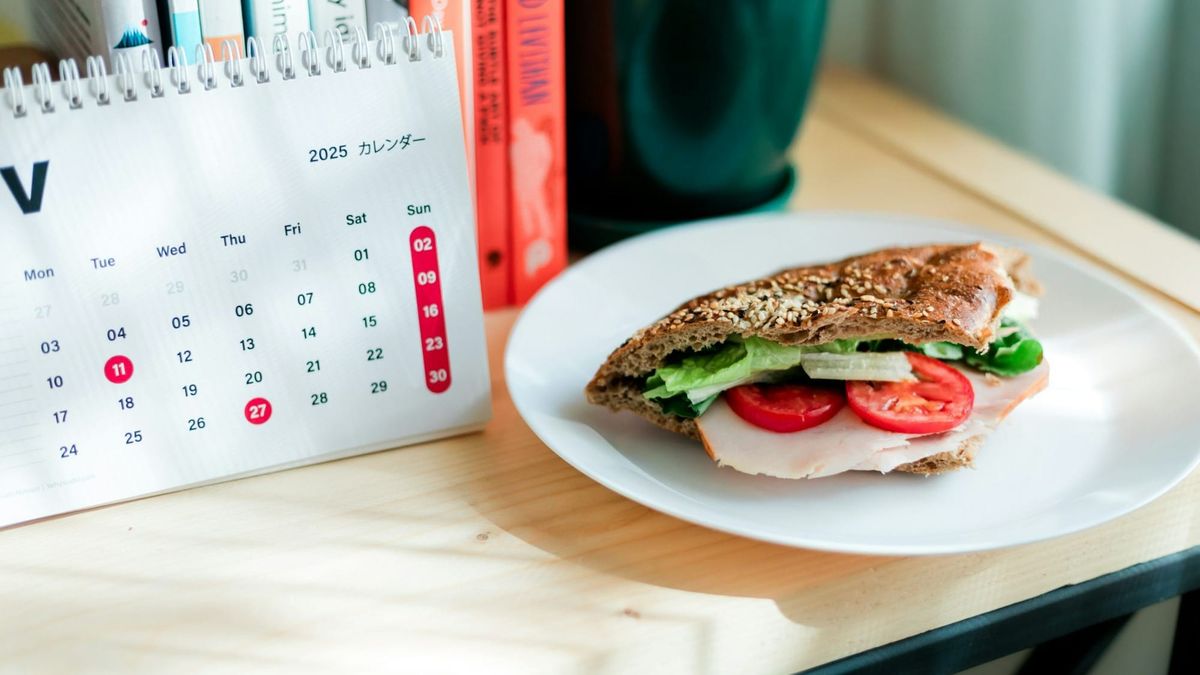
A high-protein diet is typically defined as one where protein makes up over 25% or more of total calorie intake (or over 1.2 grams per kg per day) — meaningfully above the average of 15–17% in most Western diets.
Technically, high-protein diets don’t focus on any particular food group, though they, de facto, tend to lean towards eating more lean meats, fish, eggs, dairy, and legumes than normal.
The case for higher protein for fat loss is the strongest of any of the macronutrient changes. Protein is the most filling macronutrient — it reduces the release of your “hunger hormones” and increases “satiety signals” more than carbohydrates or fats do. It also has the highest “thermic effect”, meaning around 20–30% of the calories in protein are used to digest it. And lastly (and most importantly), it preserves muscle mass while in a calorie deficit, which makes fat loss a lot easier.
High-protein diets produce better fat loss outcomes than lower-protein diets, even when total calories are the same. However, there are some practical challenges. Some very high protein intakes can become repetitive and expensive. So, we recommend moderate increases (e.g., at least 20% of calories or 1 gram per kg a day), which should be layered onto another healthy dietary pattern (e.g., the Mediterranean diet). Just reaching a high daily protein target isn’t enough by itself, especially if you also want to maintain (or improve) your health while losing fat.[5][6]
 Dr. Robert Davies