The 3 Best Heart Health Diets
The right diet can measurably lower your risk of heart disease. Here are three proven ones.


- Your diet influences all the major modifiable cardiovascular risk factors — blood pressure, LDL cholesterol, blood glucose, and inflammation.
- Plant diets, the DASH diet and the Mediterranean diet have the strongest and most consistent evidence for reducing cardiovascular disease risk.
- All three diets share the same core principles: more plants, whole grains, and healthy fats; less saturated fat, sodium, added sugar, and red meat.
Cardiovascular disease is the leading cause of death worldwide, and has been for some time. It accounts for more deaths than cancer, diabetes and lung diseases combined. However, the good news is that it is “modifiable”, meaning it can be delayed, prevented, or its effects minimised.
Smoking, being inactive, having too much body fat, and a poor diet are the main drivers that you can modify. In this article, we will examine the role that your diet plays.
Why diet matters for heart health
Whatever you eat, its constituent parts will eventually find their way inside your cardiovascular system (in your bloodstream), where your heart and blood vessels are exposed to them — there is no getting around this. So, the foods you eat every day affect your blood, the elasticity of your arteries, your immune system and your metabolism.
When the doctors look at how “healthy” your cardiovascular system is, they’ll look at a few risk factors: high LDL or ApoB, high blood pressure, glucose and insulin, triglycerides, inflammation, and body fat.
No medication can act on all of the risk factors at the same time. But the right diet can. For people who are at risk of cardiovascular disease, changing to a heart-healthy diet can meaningfully reduce all these risk factors with minimal side effects.[1][2]
The basic dietary practices that protect your heart
We’ll go through specific diets in a minute, but if you don’t want to overhaul your diet entirely and prefer to adapt your current diet, there are a few basic principles that appear consistently that you should consider.[3][4]
Eat more plants
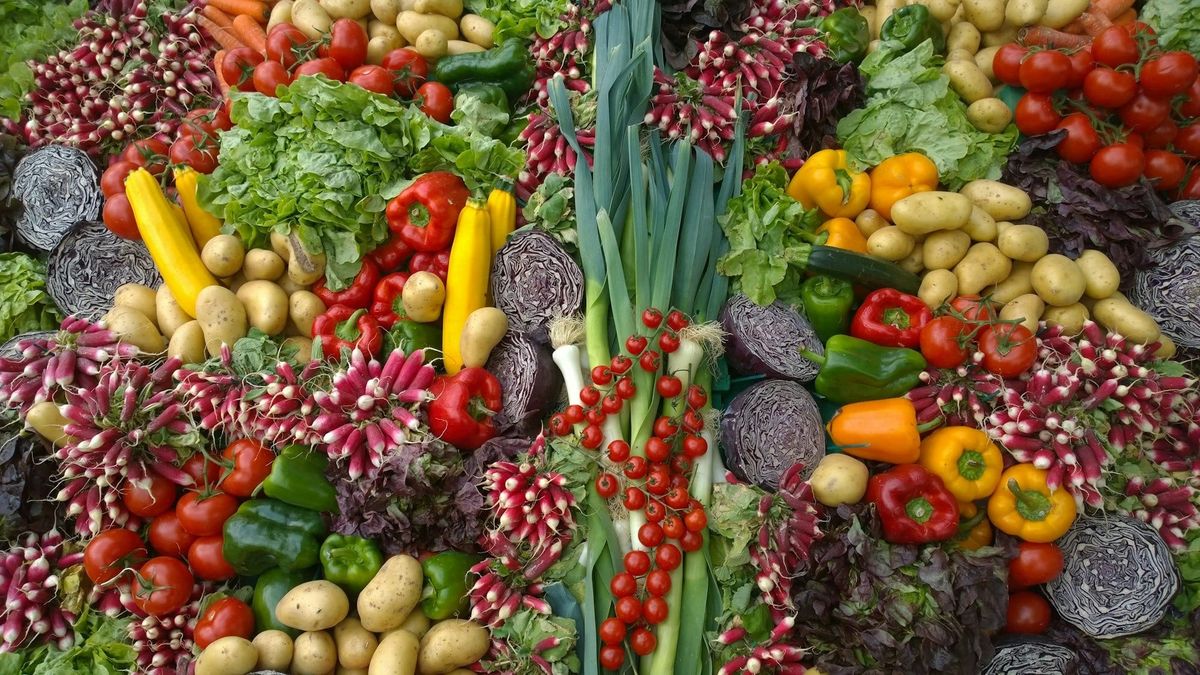
This means eating more vegetables (most important), legumes (also important), whole grains and fruit. They are rich in fibre, potassium, antioxidants and anti-inflammatory “phytonutrients”.
Fibre reduces LDL and helps stabilise your blood sugar levels. Potassium helps control your blood pressure. The antioxidant and anti-inflammatory molecules in plants protect your blood vessels.[5]
Choose healthy fats
Unsaturated fats — found in olive oil, nuts, seeds, avocados, and oily fish — lower cholesterol and reduce inflammation. Saturated fats from processed meats, butter, and full-fat dairy do the opposite. Replacing saturated fats with unsaturated fats is one of the easiest and most effective ways to improve heart health.[6]
Eat whole grains, not refined ones
Whole grains provide soluble fibre, which directly lowers your cholesterol. “Refined” carbohydrates spike your blood glucose and triglycerides. The swap from the white processed carbohydrates to whole-grain, whole-food carbohydrates is a quick, easy and effective substitution.
Reduce sodium intake
Eating too much sodium (mainly from salt) is the main thing in your diet that increases your blood pressure. That said, in most modern diets, the added salt comes from processed and packaged foods, not the salt shaker. Reducing your salt intake is probably not enough if you’re eating a lot of processed foods.
Limit red and processed meat
It’s controversial, but high consumption of red meat is associated with increased cardiovascular disease risk. This includes unprocessed red meat, but processed meat like sausages, bacon, and deli meats is generally worse.
Replacing red meat and all processed meats with fish, legumes, or poultry is consistently beneficial. If you’re going to eat red meat, keep servings to under 3.5 oz and two servings a week max.
Cut out ultra-processed foods
They’re high in salt, sugar, refined carbohydrates, and unhealthy fats, everything you don’t want for maintaining good heart health. Ultra-processed foods hit nearly every cardiovascular disease risk factor, but in the wrong direction. Avoid at all costs.
The Top 3 Diets for Heart Health
#3. Plant-Based & Flexitarian Diets
Plant-based diets cover a spectrum of diets, from fully vegan to “flexitarian” diets (ones that are predominantly but not exclusively plant-based). They are sometimes referred to as “plant-slant” or “plant-forward” diets.
But what unites all plant diets is that they replace animal food (especially meats) with vegetables, legumes, whole grains, nuts and seeds. You don’t have to go fully vegan to benefit.
In people who are at risk of cardiovascular disease, a plant-based diet reduces cholesterol, blood sugar, and body weight. People who eat more plants also tend to have lower chances of getting heart disease and dying from it.[7]
However, the prefix “healthy” needs to be put before plant-based diets to work. There are “unhealthy” plant-based diets that rely on refined carbohydrates (sugar and refined grains) and processed and packaged products, which do not have the same health benefits.
If you don’t want to go fully plant-based, adopt a flexitarian approach by substituting animal fats with “non-tropical” plant oils (e.g., olive, canola, sunflower or soybean oil, but not coconut or palm oil), red meat for legumes and refined carbohydrates for vegetables is a great start to capture the health benefits.

#2. DASH Diet
The “DASH” diet (short for Dietary Approaches to Stop Hypertension) was specifically designed (and proven) to target high blood pressure. The DASH diet is similar to the Mediterranean diet, emphasising plants, whole grains, low-fat dairy, nuts, and lean proteins, while restricting sodium, saturated fat, red meat and added sugars.
The blood pressure-lowering effects of the DASH diet are among the largest seen for any diet (or other non-drug treatments) — it's actually comparable to some antihypertensive medications.[2]
In addition to lowering blood pressure, the DASH diet also lowers cholesterol, insulin and your chances of getting diagnosed with cardiovascular disease, stroke, coronary heart disease and type 2 diabetes.[8]
Its main distinction from the Mediterranean diet is the strict sodium limits (under 2.3 g or approximately 1 teaspoon of salt) and the inclusion of low-fat dairy, which provides calcium, magnesium, and potassium. It’s the rebalancing of these minerals that helps keep your blood pressure low and under control. There is probably no other diet that has been as rigorously tested for treating high blood pressure as the DASH diet.
 Dr. Robert Davies