Anti-Inflammatory Diet: A Review
A dietary pattern designed to reduce chronic inflammation; one of the key drivers of long-term disease.

- The basic idea of anti-inflammatory diets is to avoid foods that trigger inflammation, while eating a lot of foods that help reduce it.
- Most anti-inflammatory diets are balanced, safe, flexible, nutritionally complete, and have several proven and diverse health benefits.
- The only negative is that the results aren't always immediate, but if you are looking for a new way of eating, it's one of the best diets to start with.
The anti-inflammatory diet is not a single, fixed programme with a rulebook. It is more of a way (or “pattern”) of eating. The basic idea is simple: some foods trigger or exacerbate inflammation in the body, while others help mitigate it. This diet is based on foods that focus on the latter.
Persistent “low-grade” inflammation is now understood to be a driver of a lot of the most common diseases out there — heart disease, type 2 diabetes, arthritis, and even mental health issues. An anti-inflammatory diet works by reducing that background inflammation over time, through the choices you make at every meal or snack
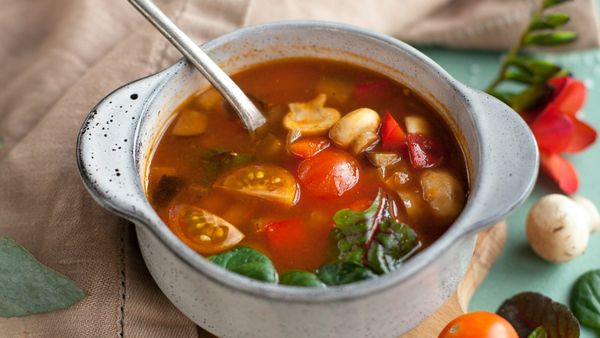
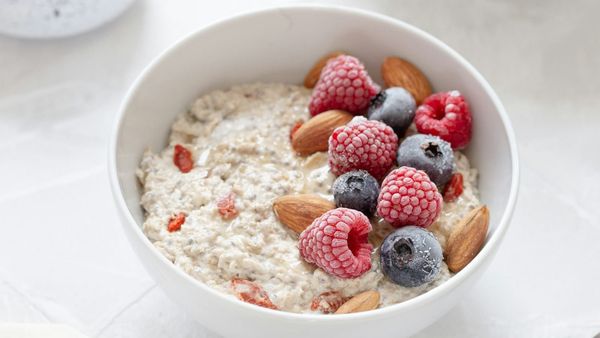
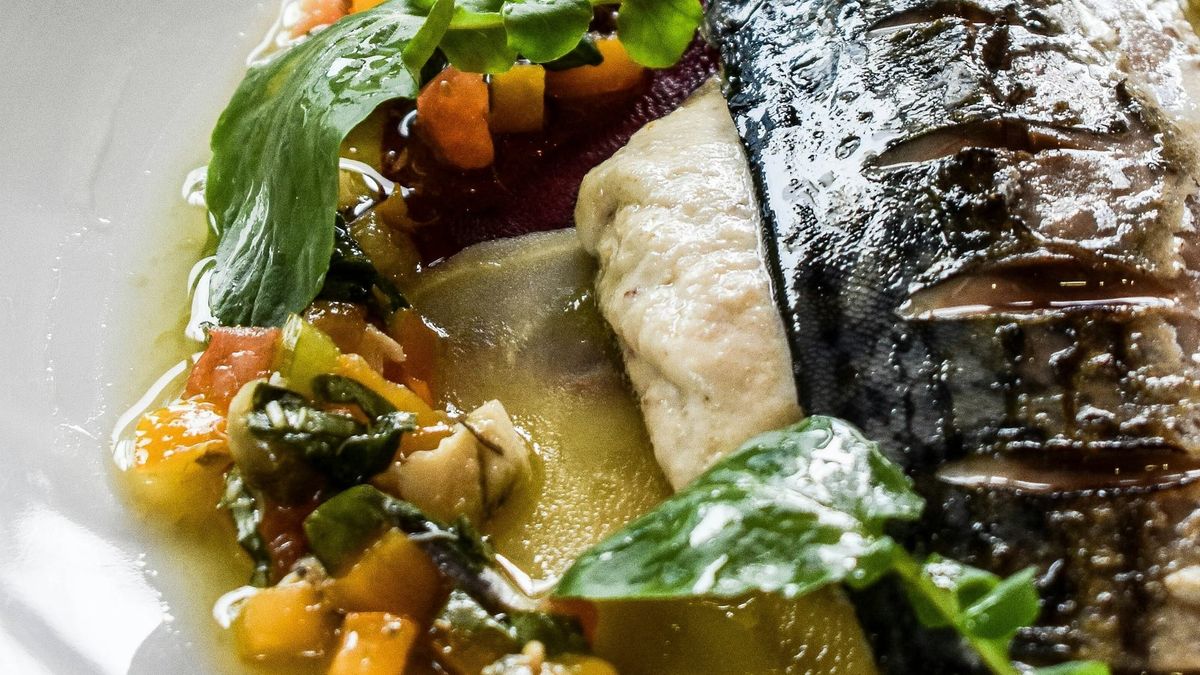
In practice, this means eating a variety of fruits and vegetables, whole grains, legumes, nuts, seeds, olive oil, and oily fish, while reducing consumption of processed foods, red and cured meats, refined carbohydrates, added sugars, and saturated fats.
There is a lot of overlap with the Mediterranean, DASH and MIND diets (and that’s no coincidence). The Mediterranean diet is one of the most-studied anti-inflammatory diets in the world, and it forms the backbone of what most experts mean when they talk about eating to reduce inflammation.
Example foods and dishes
- Breakfast: Greek yoghurt with mixed berries, flaxseed, and a drizzle of honey or Avocado on whole-grain toast with smoked salmon and cucumber
- Lunch: Grilled sardines with a green salad, olive oil, lemon, and whole-grain bread or Spiced chickpea and spinach stew with brown rice
- Snack: A small handful of walnuts with a few squares of dark chocolate (70%+)
- Dinner: Baked salmon with roasted sweet potato, broccoli, and a tahini dressing or Chicken and vegetable tray bake with olive oil, garlic, herbs, and quinoa
- Dessert: Baked cinnamon apples with a spoonful of almond butter
- Drinks: Water, green tea, herbal tea, black coffee, turmeric latte
Pros
The benefits of the anti-inflammatory diet are broad. Studies consistently link this style of eating with a lower risk of heart disease, type 2 diabetes, autoimmune diseases and certain cancers. It also measurably (and reassuringly) reduces several markers of inflammation in the body, which are associated with a wide range of chronic conditions.
People with osteoarthritis and rheumatoid arthritis who follow the diet report meaningful reductions in pain and stiffness and other symptoms. There is also some evidence showing benefits for brain health, gut health, mood, allaying fatigue and improving energy levels. Some research suggests it can support fertility and improve outcomes for people with endometriosis.
The mechanisms behind all of this are well known: the omega-3 fatty acids in oily fish (rather than the omega-6), the polyphenols in berries and olive oil, and the fibre in vegetables and whole grains each play a role in helping control the immune system, its activity, and protecting cells from damage.
From a nutritional standpoint, this diet is excellent. It is built around whole, varied, nutrient-rich foods and aligns closely with what most dietary guidelines around the world already recommend.
There are no food groups banned and no extreme restrictions, which means it provides a broad range of vitamins, minerals, fibre, and healthy fats. It is also a naturally satisfying way to eat — meals are flavourful, colourful, and filling.
Cons
The main challenge with the anti-inflammatory diet is that it requires a real shift in everyday habits. This is not a seven-day meal plan with a clear end date — it is a long-term change in how you shop, cook, and eat.
For people who rely heavily on convenience foods, ready meals, or fast food, the change can be overwhelming. Knowing which foods to buy, how to cook them, and how to eat differently from the people around you are all barriers that come up regularly — the learning curve is maybe too steep for some people.
For weight loss, the anti-inflammatory diet is not a rapid results quick-fix. It can support modest, gradual weight loss and maintenance of healthy bodyweight — particularly by cutting out processed foods and added sugars — but it does not come with the structured calorie targets or dramatic early losses that some people look for.
If weight loss is your main goal, you may want to combine this approach with more deliberate attention to portion sizes or meal timing.
The diet also lacks a single definitive guide. Because it’s an “eating pattern” rather than a programme, there is no official rulebook, which means advice varies, and it can be hard to know whether you are "doing it right”, which some people don’t like.
Bottom Line
The anti-inflammatory diet is one of the most well-rounded and broadly beneficial ways of eating available. It does not promise dramatic short-term results, but the long-term case for it — across heart health, joint health, brain health, and general disease prevention — is as strong as any dietary pattern out there.
It is nutritionally sound, safe for almost everyone, and flexible enough to fit most lifestyles. If you are looking for a way of eating you can stick with for life, it's one of the best diets to start with.
Overall Score: ★★★★★
- Health Benefits: ★★★★★
- Nutrition: ★★★★★
- Weight Control: ★★★☆☆
- Ease to Follow: ★★★★☆
- Safety Profile: ★★★★★
- Scoring System
Sources
Alesi, S et al. (2022). Anti-inflammatory diets in fertility: an evidence review. Nutrients, 14(19), 3914. PMID: 36235567
Cooper, I et al. (2022). An anti-inflammatory diet intervention for knee osteoarthritis: a feasibility study. BMC Musculoskeletal Disorders, 23, 41. PMID: 35027029
Grosso, G et al. (2022). Anti-inflammatory nutrients and obesity-associated metabolic-inflammation: state of the art and future direction. Nutrients, 14(6), 1137. PMID: 35334794
Itsiopoulos, C et al. (2022). The anti-inflammatory effects of a Mediterranean diet: a review. Current Opinion in Clinical Nutrition and Metabolic Care, 25(6), 415–422. PMID: 36039924
Kenđel Jovanović G et al. The Efficacy of an Energy-Restricted Anti-Inflammatory Diet for the Management of Obesity in Younger Adults. Nutrients. 2020 Nov 22;12(11):3583. PMID: 33266499
Koelman, L et al. (2022). Effects of dietary patterns on biomarkers of inflammation and immune responses: a systematic review and meta-analysis of randomized controlled trials. Advances in Nutrition, 13(2), 351–374. PMID: 34607347
Olendzki BC et al An anti-inflammatory diet as treatment for inflammatory bowel disease: a case series report. Nutr J. 2014 Jan 16;13:5. PMID: 24428901
Ricker, MA & Haas, WC. (2017). Anti-inflammatory diet in clinical practice: a review. Nutrition in Clinical Practice, 32(3), 318–325. PMID: 28350517
Schönenberger, KA et al. (2021). Effect of anti-inflammatory diets on pain in rheumatoid arthritis: a systematic review and meta-analysis. Nutrients, 13(12), 4221. PMID: 34959772
Vadell, AKE et al. (2020). Anti-inflammatory diet in rheumatoid arthritis (ADIRA): a randomized, controlled crossover trial. American Journal of Clinical Nutrition, 111(6), 1203–1213. PMID: 32055820
Van Zonneveld, SM et al. (2024). An anti-inflammatory diet and its potential benefit for individuals with mental disorders and neurodegenerative diseases. Nutrients, 16(16), 2646. PMID: 39203783
Yu, X et al. (2024). Overview of anti-inflammatory diets and their promising effects on non-communicable diseases. British Journal of Nutrition, 132(9), 898–918. PMID: 39411832