Mediterranean Diet for Fat Loss: Does It Work?
Does the Mediterranean diet work for weight loss? Here’s what the evidence shows, plus how to apply it for fat loss.

- Yes. Trials show it leads to modest weight loss, mainly when paired with portion control and physical activity.
- The high-fibre, nutrient-rich, low-energy-density, healthy fats, and the eating pattern in general promote satiety and moderate food intake.
- Unlike most diets, the Mediterranean diet is meant to be enjoyed. It's social and healthy, and it doesn't rely on too many restrictions.
The Mediterranean diet is one of the most well-researched diets for fat loss and improving health. Unlike calorie counting or other restrictive diets, the emphasis of the Mediterranean diet is on whole foods, healthy fats, and moderation. This seems to promote long-term adherence and sustainable fat loss. After all, if an entire region of millions of people can follow this type of diet for centuries, why can’t everyone else?[1]
One major advantage of the Mediterranean diet that sets it apart from others is that it's really designed to improve health. Unlike diets that target weight loss alone, it’s built around cardiovascular, metabolic, and brain health, with fat loss as a welcome side effect. So ironically, its lack of a direct focus on fat loss may make it easier to stick with.[2]
How the Mediterranean Diet Supports Fat Loss
The Mediterranean diet's effects on fat loss work on several fronts. The high fibre content of fruits, vegetables, legumes, and whole grains at every meal means low energy density (i.e., kcal per unit of weight/volume). This improves satiety and naturally limits calorie intake.[3]
Healthy fats, from nuts, seeds, and extra virgin olive oil, are also satiating and palatable. Compared to refined, sugary carb alternatives, healthy fats can help maintain stable blood sugar levels and insulin sensitivity and reduce cravings and hunger pangs.
The Mediterranean diet is rich in “anti-inflammatory” foods, which may help combat “chronic low-grade inflammation” commonly seen in overweight or obese people. Even at low levels, inflammation can interfere with your appetite, increase hunger and increase preference for junk foods. The Mediterranean diet contains foods that have antioxidant and anti-inflammatory compounds (e.g., olive oil, red wine, and colourful fruits and vegetables), which help reduce inflammation and restore normal appetite.[4]
The higher-than-usual intake of omega-3 fatty acids from fish, seafood, and nuts on the Mediterranean diet can improve the ability of your cells to burn more fat, calories and energy.
Putting It Into Practice
To maximise fat loss, focus on the diet’s two core components: food choices and portion moderation.
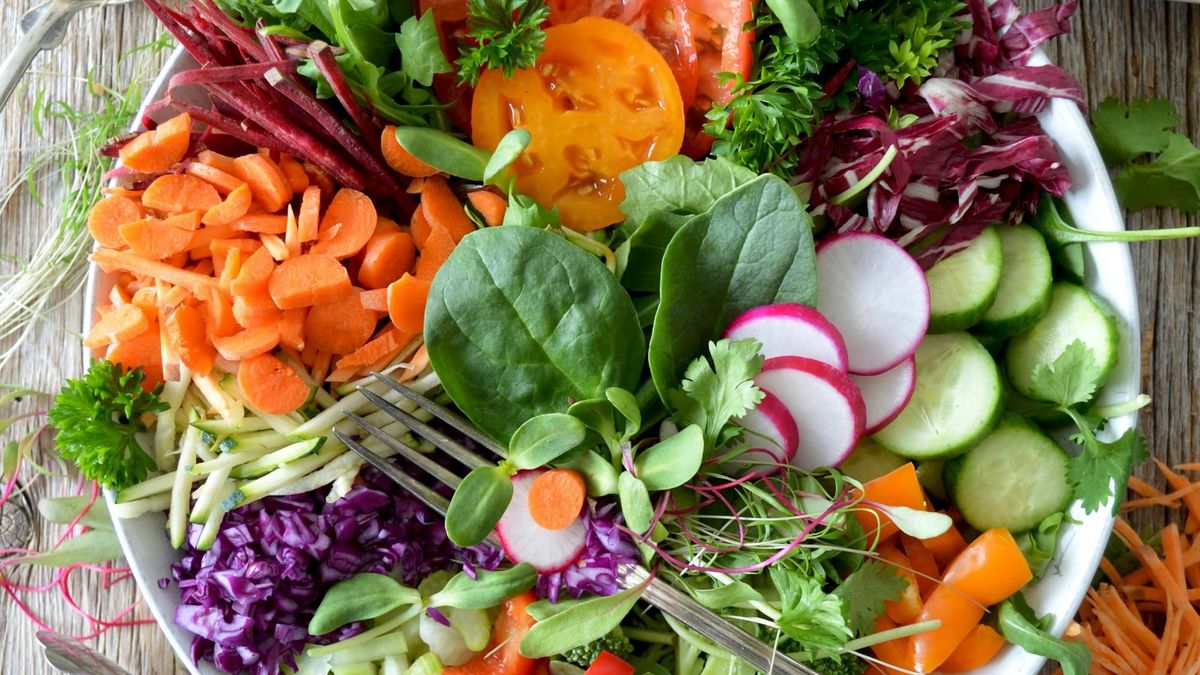
- Half of each plate should be fruits and vegetables, emphasising variety and colour.
- Include a portion of lean protein: a palm-sized portion of fish or poultry, or a cupped handful of legumes
- Use extra-virgin olive oil for cooking and flavouring, but keep to a few tablespoons a day.
- Nuts and seeds can be used strategically as snacks or meal additions, but limit portions to around a handful a day.
- Aim to eat fatty fish like salmon, sardines, or mackerel at least twice a week to improve protein and omega-3 intake.
- Whole grains play a supporting role. Unlike refined carbs, options like farro, bulgur wheat, and steel-cut oats are satiating. They also support gut health because of their fibre content. One to two servings a day is recommended, but this can be increased depending on how physically active you are.
- Legumes (e.g., beans, lentils, and chickpeas) combine protein and fibre-rich carbohydrates in a low-calorie package. Diets with high/adequate protein and fibre consistently appear to be the most successful ones for weight loss.
- Eggs, dairy, and starches (e.g., potato and corn) are not completely excluded, but are usually limited to a few servings a week.
- Junk foods, processed meat and highly processed foods are kept to a minimum, but again are not completely excluded from the diet.
 Dr. Robert Davies
Timing and Meal Structure of the Diet
The eating pattern of the Mediterranean diet promotes balanced nutrient intake throughout the day, at breakfast, main meals and snacks. The standard three main meals and 1–2 snacks are fine. However, for fat loss, a source of protein and fibre is advised each time you eat.
Consuming your calories earlier in the day, rather than spreading them throughout the day, is better for fat loss than consuming most of your food at the end of the day.[6]
Hydration plays an underappreciated role in the Mediterranean diet. Beyond plain water, you can incorporate herbal teas, which provide flavour and antioxidants with zero calories.
The traditional practice of starting meals with an “appetiser” (e.g., salads or cooked vegetables with an extra-virgin olive oil dressing) can promote satiety and reduce calorie intake of the main course.
Beyond what you eat, pay attention to how you eat your meals. Mediterranean cultures typically emphasise “mindful eating”. Sitting down for meals, chewing slowly, and enjoying food without distractions are common practices that have been followed for centuries. These acts have been shown to enhance satiety and can reduce caloric intake compared to rushed eating.
Long-Term Success Tactics
One of the main advantages of the Mediterranean diet is that people who follow it typically lose weight and (more importantly) can maintain their weight loss, compared to more restrictive approaches. This success seems to come from the diet's emphasis on enjoyable, culturally rich foods rather than focusing on elimination and deprivation. However, to be effective, you still need to keep an eye on your energy intake, as Mediterranean diet staples like olive oil, nuts and red wine are energy-dense.[3][7]
“Social eating” is an important science-backed principle of Mediterranean culture and can actually support your fat loss goals irrespective of what food you're eating. Sharing meals with family and friends naturally slows eating pace, improving satiety and reducing overall calorie intake.
Moderate wine consumption (i.e., no more than 1 medium glass a day) may also contribute to the sustainability of the diet when consumed with meals. Although the benefits of red wine are modest and controversial for fat loss, they are an optional extra.
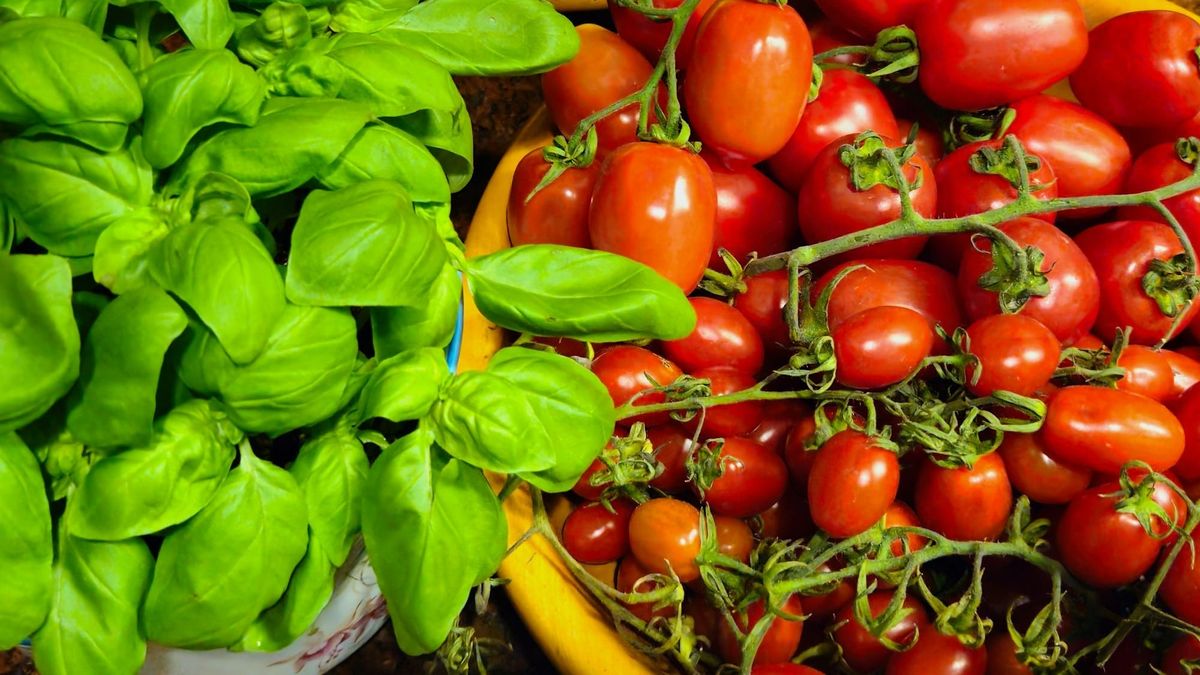
Seasonal eating represents another key Mediterranean diet principle. Varying the fruits and vegetables you eat throughout the year can prevent dietary boredom while ensuring diverse nutrient intake. Spring greens, summer tomatoes, autumn squashes, and winter citrus fruits each provide unique nutrient profiles that may support different aspects of cardio-metabolic health.
However, it is not all upside! For a lot of people, the cost of, and access to, ingredients can be a barrier. The answer to this is planning. Buying seasonal produce and cheaper fish (e.g., tinned or frozen) can cut costs.[7]
Pantry staples help too (e.g., tinned tomatoes and fish, dried grains and legumes). The relatively low intake of red meat and junk foods can also offset some extra costs. Red wine and extra-virgin olive oil can be expensive, but should be used in moderation.
 Dr. Robert Davies
Bottom Line
The Mediterranean diet supports fat loss by emphasising high-fibre, low energy density foods, healthy fats, and satiety-promoting eating patterns rather than strict calorie counting or restrictions. It prioritises health, is flexible and may be easier to adhere to.
It is uniquely sustainable because it’s enjoyable, socially embedded, and built around seasonal foods, with fat and wine in moderation. However, cost and access to certain ingredients can be an issue if not planned for.
In addition to fat loss, the diet is balanced and nutrient-rich, so it also improves overall health — cardiovascular, metabolic, and brain health and reduces the risk of several common diseases. There's a school of thought suggesting that in the long run, more flexible diets (or eating patterns) are better for focusing on health rather than weight loss and fat loss anyway.[8]

Sources
- Guasch-Ferré M, Willett WC. The Mediterranean diet and health: a comprehensive overview. J Intern Med. 2021 Sep;290(3):549-566. PMID: 34423871
- Estruch R et al. Primary Prevention of Cardiovascular Disease with a Mediterranean Diet Supplemented with Extra-Virgin Olive Oil or Nuts. N Engl J Med. 2018 Jun 21;378(25):e34. PMID: 29897866
- Esposito K et al. Mediterranean diet and weight loss: meta-analysis of randomized controlled trials. Metab Syndr Relat Disord. 2011 Feb;9(1):1-12. PMID: 20973675
- Casas R et al. The immune protective effect of the Mediterranean diet against chronic low-grade inflammatory diseases. Endocr Metab Immune Disord Drug Targets. 2014;14(4):245-54. PMID: 25244229
- Willett WC. The Mediterranean diet: science and practice. Public Health Nutr. 2006 Feb;9(1A):105-10. PMID: 16512956
- Jakubowicz D et al. High caloric intake at breakfast vs. dinner differentially influences weight loss of overweight and obese women. Obesity (Silver Spring). 2013 Dec;21(12):2504-12. PMID: 23512957
- Tsofliou F et al. Barriers and Facilitators Associated with the Adoption of and Adherence to a Mediterranean Style Diet in Adults: A Systematic Review of Published Observational and Qualitative Studies. Nutrients. 2022 Oct 15;14(20):4314. PMID: 36296998
- Bacon L, Aphramor L. Weight science: evaluating the evidence for a paradigm shift. Nutr J. 2011 Jan 24;10:9. PMID: 21261939