6 Healthy Mediterranean Diet Meat & Egg Recipes
Learn the background, nutrition and health benefits of 6 quick, easy and authentic Mediterranean diet meat and eggs recipes.

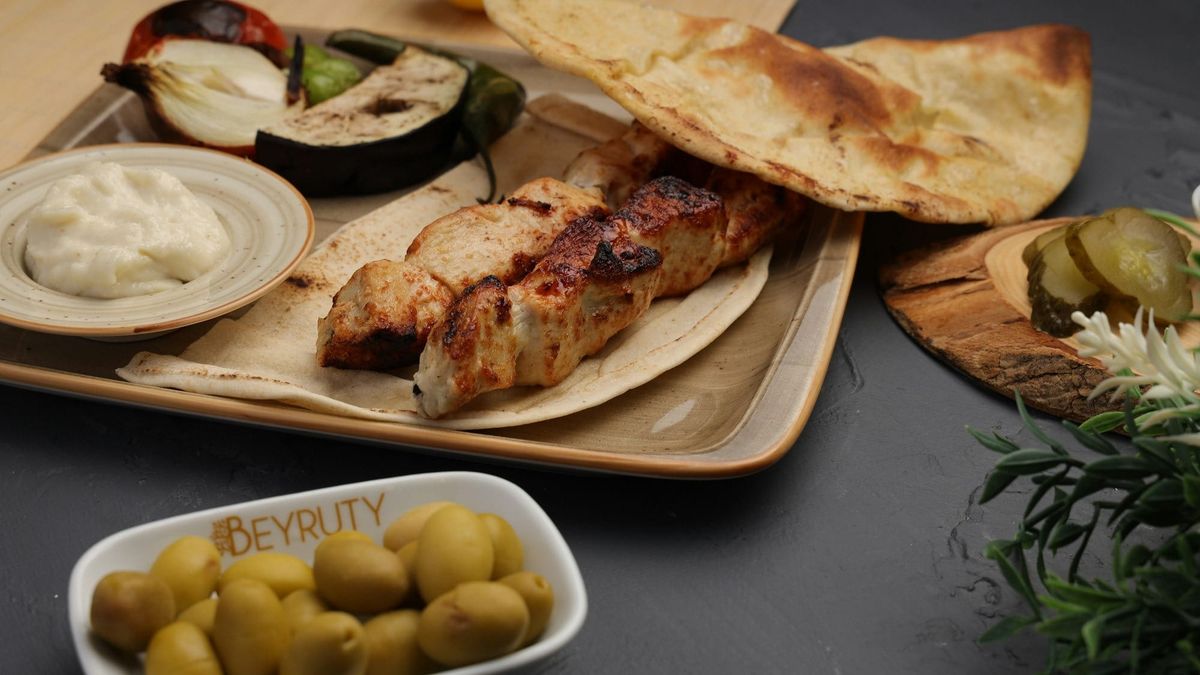
1. Chicken Souvlaki
Chicken Souvlaki is a popular Greek street food. It’s marinated chicken threaded onto skewers and char-grilled. Souvlaki “style” can be done with any meat, and represents the Mediterranean diet's approach to eating meat in moderation, pairing it with vegetables, and using light but distinct flavours rather than heavy sauces.
The chicken is a great source of lean protein. It's traditionally served wrapped in warm flatbread with a Greek-style salad and tzatziki. The marinated meat can be prepared well in advance and sit ready for grilling on the BBQ or griddle pan.
- Serves: 4
- Time: 2 hours (+ 2-6 hours marinating time)
- Cost: ~$2.50 per serving
- Calories: ~380 kcal per serving
- Source of: Protein, Phosphorus, Selenium, Vitamin B3, B9
Ingredients
- 800g (1¾ lb) boneless, skinless chicken, evenly cubed
- 100ml (½ cup) extra-virgin olive oil
- 2 lemons
- 4 garlic cloves, minced
- 2 tsp dried oregano
- 1 tsp paprika
- Flatbread, Greek salad and tzatziki, for serving
Instructions
- In a large bowl, whisk together the extra-virgin olive oil, juice of 2 lemons, garlic, oregano, paprika, salt, and pepper. Add the chicken pieces and toss to coat thoroughly. Cover and refrigerate for at least 2 hours (ideally 4–6 hours, or longer). The lemon juice tenderises the chicken.
- If you’re using wooden skewers, soak them in water for 30 minutes to prevent burning. Remove the chicken from the fridge 20 minutes before cooking to take the chill off (to ensure even cooking)
- Thread the chicken pieces onto skewers, leaving small gaps between each piece. Don't pack them too tightly or the centres won't cook evenly. You should get 5–6 pieces per skewer.
- Preheat your BBQ, griddle (or pan) to medium-high heat. Oil the pan, grill, or griddle lightly to prevent sticking and get those signature char-marks. This is what gives the Souvlaki its unique look and flavour.
- Grill the skewers for 10–12 minutes total, turning every 3–4 minutes to ensure all sides develop colour. The chicken should be golden with slightly charred edges and cooked throughout. Don't overcook; we don’t want the meat to become dry.
- Remove from heat and let rest for 3–4 minutes. Squeeze fresh lemon juice over the skewers and serve immediately with warm flatbread, Greek salad and a generous dollop of tzatziki.
2. Keftedes
Keftedes are Greek herb-scented meatballs. They should be tender, aromatic and are found in tavernas from Athens to Crete. Unlike their Italian meatball cousins, Greek keftedes are different in that they include fresh mint, lemon, cumin and oregano. They appear in a meze with tzatziki, inside a flatbread with tomatoes and onions, or served as a main course with potatoes and herbs.
The lean red meat provides high-quality protein, iron, and B vitamins, particularly B12. When shallow-fried in extra-virgin olive oil rather than deep-fried, keftedes align beautifully with Mediterranean principles of using quality fats and meat in moderation.
Serve hot or at room temperature, or cold as a quick, ready-to-go snack.
- Serves: 4
- Time: 1 hour
- Cost: ~$2 per serving
- Calories: ~420 kcal per serving
- Source of: Protein, Iron, Selenium, Zinc, B12
Ingredients
- 500g (1 lb) minced beef and/or lamb
- 1 onion, finely grated
- 2 garlic cloves, minced
- 1 egg, lightly beaten
- 50g (½ cup) breadcrumbs or torn stale bread soaked in water and squeezed
- Large handful of fresh mint, finely chopped
- 2 tbsp fresh oregano, or 1 teaspoon dried
- 1 tsp ground cumin
- Zest of 1 lemon
- 80ml (⅓ cup) extra-virgin olive oil, for frying
Instructions
- In a large bowl, combine the meat, grated onion, garlic, egg, breadcrumbs, mint, oregano, cumin, lemon zest, salt, and plenty of black pepper. Using your hands, mix gently but thoroughly until everything is evenly distributed; stop once combined.
- Cover and refrigerate for at least 30 minutes, or up to 4 hours. This rest allows the breadcrumbs to absorb moisture and the flavours to meld, resulting in meatballs that hold together better during cooking and taste more cohesive.
- With dampened hands to prevent sticking, shape the golf ball-sized balls. You should get 16–20 keftedes. Pat the meatballs with some kitchen paper to remove any moisture from the surface. This creates a golden crust and helps them hold their shape.
- Heat the extra-virgin olive oil in a large, heavy frying-pan over medium heat. Working in batches to avoid crowding, add the keftedes and fry for 8–10 minutes total, turning occasionally until deep golden brown on all sides.
- Transfer cooked keftedes to a plate lined with paper towels to drain briefly. They shouldn't be greasy if the oil temperature was correct. Keep warm in a low oven while you finish frying the remaining batches.
- Serve hot or at room temperature with lemon wedges for squeezing and a bowl of tzatziki for dipping or drizzling.
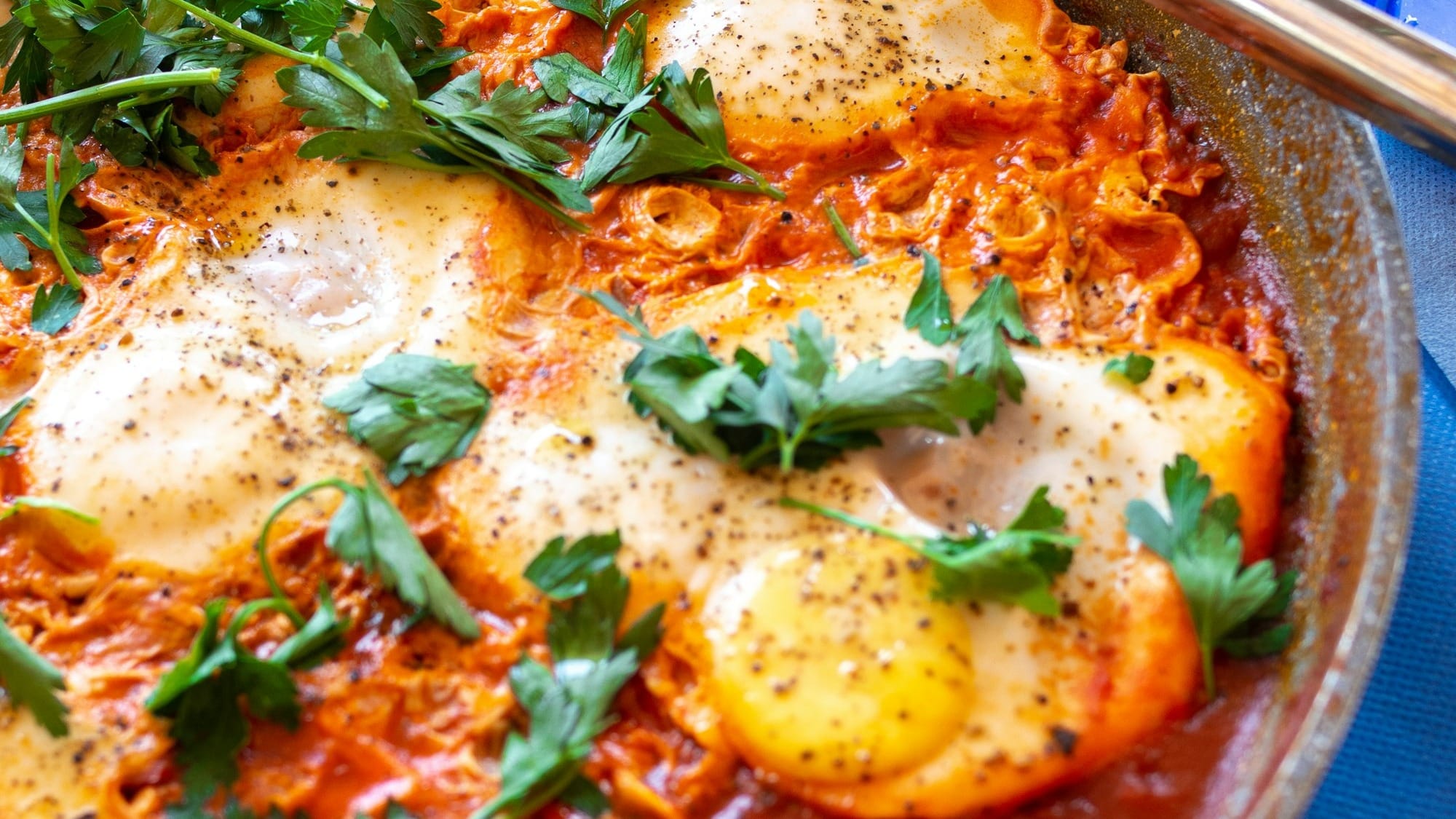
3. Shakshuka
Shakshuka is a North African breakfast. It’s a frying pan filled with eggs poached in spiced tomato sauce that is eaten from Tunisia to Israel and beyond.
The name comes from Arabic, meaning “a mixture", which perfectly describes this rustic dish where peppers, tomatoes, and aromatic herbs and spices combine into a fragrant sauce cradling softly poached eggs.
The eggs provide high-quality protein, choline, and B vitamins, while the bell peppers add vitamins A and C along with antioxidants, and the warm spices like cumin and paprika contain anti-inflammatory compounds.
Serve shakshuka straight from the frying-pan with warm pita or crusty bread for scooping, perhaps with olives and fresh herbs on the side.
- Serves: 4
- Time: 10 minutes
- Cost: ~$1.25 per serving
- Calories: ~320 kcal per serving
- Source of: Protein, Fibre, Selenium, Vitamin A, C, B2, K
Ingredients
- 6 large eggs
- 800g (28 oz) tin chopped tomatoes, or 6 fresh tomatoes, grated
- 2 red bell peppers, diced
- 1 large onion, finely chopped
- 4 garlic cloves, minced
- 80ml (⅓ cup) extra-virgin olive oil
- 2 teaspoons ground cumin
- 1 teaspoon sweet paprika
- ½ teaspoon ground caraway (optional)
- Pinch of cayenne pepper or red chilli flakes
- Small bunch of coriander or parsley, chopped
Instructions
- Heat the extra-virgin olive oil in a large, deep frying-pan or cast-iron pan over medium heat. Add the onion and cook for 7–8 minutes until softened and lightly golden. Add the bell peppers and cook for another 5 minutes until they begin to soften. The vegetables should be soft.
- Add the garlic and the spices. Stir for 1 minute until the spices are fragrant and coat the vegetables; this releases their oils and deepens the flavour.
- Pour in the tomatoes and bring to a simmer. Cook uncovered for 15–20 minutes, stirring occasionally, until the sauce thickens and the oil begins to separate at the edges. The sauce should be rich, concentrated, and jammy, not watery. You can make this ahead of time.
- Taste and adjust the seasoning before adding the eggs. Create six small wells in the sauce using the back of a spoon, spacing them evenly around the pan. These wells help contain the eggs and prevent them from running together.
- Carefully crack an egg into each well. Season the eggs lightly with salt and pepper. Reduce the heat to medium-low, cover the pan, and cook for 5–7 minutes. Check after 5 minutes; the egg whites should be set, but the yolks should still be runny.
- Remove from the heat and scatter with the fresh herbs. Serve immediately, bringing the pan directly to the table. Provide warm bread for scooping up the spiced tomato sauce and breaking into the egg yolks.
4. Yoghurt Parfait
A simple "parfait" transforms breakfast or dessert into something nourishing and indulgent. This recipe is thick, tangy yoghurt layered with crunchy nuts, honey, and red berries.
While parfaits may seem modern, the Mediterranean has long celebrated yoghurt with honey and nuts. Greek yoghurt provides high-quality protein, probiotics for gut health, and calcium for bone health.
The mixed nuts contribute heart-healthy fats, vitamin E, magnesium, and protein, while berries deliver powerful antioxidants, vitamin C, and fibre. Raw honey adds natural sweetness along with enzymes and antimicrobial properties.
This balanced parfait is perfect for breakfast, a midday snack, or a light dessert.
- Serves: 4
- Time: 15 minutes
- Cost: ~$1.25 per serving
- Calories: ~380 kcal per serving
- Source of: Protein, Fibre, Probiotics, Calcium, Magnesium, Iron, Vitamin C, E
Ingredients
- 600g (2½ cups) thick Greek yoghurt, full-fat or 2%
- 150g (1 cup) mixed fresh berries (strawberries, raspberries, blueberries)
- 100g (¾ cup) mixed nuts (almonds, walnuts, pistachios), roughly chopped
- 80ml (¼ cup) raw honey
- 2 tablespoons mixed seeds (pumpkin, sunflower, or sesame)
- Fresh mint leaves for garnish (optional)
- Pinch of ground cinnamon (optional)
Instructions
- Toast the chopped nuts in a dry pan over medium heat for 3–4 minutes, stirring frequently, until fragrant and lightly golden. Transfer to a plate to cool completely, as warm nuts will make the yoghurt watery.
- If using strawberries, hull and slice them. Leave smaller berries like raspberries and blueberries whole. If the berries aren't particularly sweet, you can macerate them by tossing them with a teaspoon of honey and letting them sit for 10 minutes.
- In serving glasses or bowls, spoon a generous layer of Greek yoghurt as the base (about a third of the total amount per serving). The thick, creamy yoghurt should be cold and tangy, providing the foundation that contrasts with the other textures and flavours.
- Drizzle honey over the yoghurt layer; don't be shy with it. Use the best quality honey you can afford. Scatter some toasted nuts, seeds, and berries over the honey, creating distinct pockets of flavour and texture rather than mixing everything uniformly.
- Repeat the layering process—another layer of yoghurt, more honey, nuts, seeds, and berries. Build 2–3 layers depending on your glass size, finishing with berries, a scattering of the most attractive nuts, and a light pinch of cinnamon (optional)
- Finish with a final drizzle of honey over the top, and tuck in a fresh mint leaf (optional). The parfait can be assembled up to 2 hours ahead and refrigerated, though it's best enjoyed within an hour to maintain the nuts' crunchy texture. Serve immediately with a long spoon, so each mouthful captures all the layers.
5. Spinach Frittata
The frittata is Italy's answer to the omelette. It’s a thick, open-faced egg dish that works for breakfast, a picnic, or an “antipasto” spread. This is the “Florentine” version, which has spinach in it.
This dish celebrates Tuscany's love of its greens and simple flavours. Unlike French omelettes that demand attention and skill, the frittata is a bit more forgiving and flexible, which makes it great for home cooks.
The eggs provide high-quality protein and choline for brain health, while spinach gives us iron, folate, and vitamins A and K. This dish is typical of the Mediterranean approach to eggs and other animal protein — they're used to complement the plants rather than being the centrepiece.
Serve warm or at room temperature with a simple green salad and crusty bread for lunch, or cut into wedges for a quick, tasty appetiser.
- Serves: 4
- Time: 25 minutes
- Cost: ~$1 per serving
- Calories: ~280 kcal per serving
- Source of: Protein, Calcium, Selenium, Vitamin A, B9, K