3 Underrated Ways to Lose Fat
A practical overview of three overlooked strategies for fat loss: dietary protein, weightlifting and walking.

- Increasing dietary protein reduces hunger, burns more calories through digestion, and preserves muscle during fat loss with minimal effort.
- Resistance training preserves (and builds) metabolically active muscle tissue, which prevents metabolic slowdowns that cause plateaus and weight re-gain after dieting.
- Walking is free, sustainable, and effective; 7,000–10,000 steps a day can burn the energy equivalent of roughly one kilogram of fat every six weeks.
Fat loss is the process of reducing body fat through sustainable changes to diet, activity, and lifestyle. This article explains three evidence-based methods that are often overlooked but effective for long-term fat loss results.
Instead of doing simple things that work, people tend to gravitate towards dramatic, fancy options. Extreme diets, punishing workouts, expensive supplements, and 'revolutionary' innovations dominate headlines and social media. But never seem to work in the long-run, and disappear as quickly as they arrived.
Meanwhile, some of the most effective, sustainable, and evidence-based things you can do remain quietly in the background, delivering consistent results for those who follow them.
These underrated strategies don't promise an overnight transformation (because they don't). But they'll create meaningful, lasting changes to your body without extreme sacrifice, unsustainable restrictions, or complicated rules. They just take time.
They all have robust, high-quality scientific evidence backing them. They work together, complementing each other. And perhaps most importantly, they can be adapted to virtually any lifestyle, budget, or fitness level.
Why are these strategies underrated? Partly because they lack the marketing appeal of the flashy quick fixes. Partly because they require consistency. And partly because their benefits compound gradually over time, making them less (immediately) gratifying than the more 'radical' approaches.
#1. Dietary Protein
When people think of “fat loss”, they typically focus on cutting calories, eliminating carbohydrates, or avoiding fat. Meanwhile, protein, the third macronutrient, remains overlooked, despite offering big advantages for fat loss.
Protein increases satiety and appetite
Protein increases feelings of fullness. High-protein meals produce greater 'satiety' compared to high-carbohydrate meals with the same amount of calories. Protein intake stimulates the release of appetite-suppressing gut hormones (e.g., GLP-1, PYY, and CCK) and suppresses the release of the "hunger hormone" (ghrelin).[1]
These hormonal changes begin within minutes of eating protein and can last for hours, keeping you feeling fuller for longer. So, by increasing your protein intake, you'll naturally eat less without having to rely on willpower or conscious restrictions.
Studies show that people who increase protein intake throughout the day tend to consume fewer calories in total.
Protein increases the thermic effect of food
Your body burns calories just digesting and processing the food you eat. This process is called “diet-induced thermogenesis” (DIT), and protein has the highest by far.
Somewhere between 20–30% of the calories in the protein you eat get used to digest and process it. Compare this to under 3% for fat and 5–10% for carbohydrates. This means that of every 100 calories of protein you eat, only 70–80 kcal are actually available for your body to use. Whereas 97 out of 100 calories of fat are available to either burn or store.
Although this might seem like a relatively small amount of calories, it does compound over time, especially if protein comprises a large portion of your daily calorie intake. More importantly, it requires little extra time or effort other than eating the protein itself.
Protein preserves muscle
When you restrict calories, your body needs to find the energy from somewhere. It can break down fat stores (the best option for health!). But it can also break down muscle tissue to use for energy.
Unfortunately, calorie-restricted diets often result in losing both fat and muscle. Research shows that people who consume high amounts of protein during weight loss lose less muscle (and sometimes none at all).
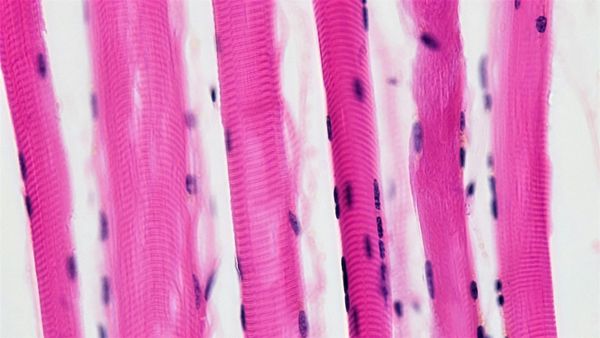
Why does this matter? Because muscle tissue is "metabolically active". This means it burns energy continuously just to maintain itself. A kilogram of muscle burns around 13 calories a day. This is 2-3 times more than fat tissue does.
So, preserving muscle means you'll maintain a higher 'metabolic rate', burn more calories and make fat loss easier.
How much protein do you need?
The optimal amount of protein depends on your physical activity level, current body composition, and your fat loss goals. However, research provides some guidance. To preserve muscle while aiming to lose fat, aim for 1.5–2.4 g/kg/day.
So, for a 100 kg person, this translates to 150–240 g/day, or roughly 30–50 g per serving, across three to five meals or snacks throughout the day.
Most people can target the lower end of this range. Whereas older adults, those who are physically active and have a lot of muscle already (e.g., athletes), should aim towards the upper end of the range.
How to eat enough protein
While total daily protein intake is the primary goal, it is easier to spread it throughout the day.
Start by increasing protein intake by 10–20 g/day until reaching your daily target. This gradual approach can prevent digestive problems and allow your appetite to adjust naturally.
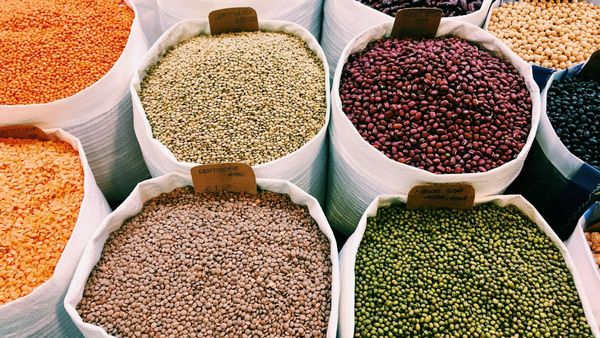
Batch cooking protein-rich foods like grilled chicken, hard-boiled eggs, or legume dips saves time and eliminates decision-making.
Have convenient, ready-to-eat protein available for when you're busy and hungry. Canned fish, protein powders, Greek yoghurt, and pre-cooked lean meats are cheap and affordable options if cost is a concern.

#2. Resistance Training
When people think about exercise for fat loss, they envision hours of cardio: running, cycling, or elliptical machines. Meanwhile, resistance training remains overlooked as it is associated with bodybuilding and athletic performance rather than fat loss. This represents a fundamental misunderstanding of how weightlifting affects your body.
Muscle-metabolism connection
As we said before, muscle tissue is metabolically active. It continuously burns energy just to maintain itself, even while you're sleeping or sitting at a desk. When you lose weight through diet alone or with low-moderate intensity cardio exercise, you tend to lose both fat and muscle, especially if you're not eating enough protein.
Losing muscle will therefore impact your metabolic rate. Every kg of muscle lost means fewer calories burned, making fat loss harder (it's known as 'adaptive thermogenesis' or 'metabolic adaptation'). This explains why many dieters hit frustrating plateaus or rapidly regain weight after losing it.
Weightlifting (and dietary protein intake) changes this equation by preserving existing muscle mass, or potentially adding new muscle tissue. People who lift weights while dieting lose less muscle and more fat.[2]
Body composition vs. scale weight
The bathroom scale often fails to reflect the positive changes that happen when you incorporate weightlifting into your fat loss programme.
You might lose a kg of fat while simultaneously gaining a kg of muscle. The scale wouldn't change, but your body fat percentage, waist circumference, strength, and physical appearance will.
This simultaneous process of losing fat while gaining muscle is called "body recomposition", and it should be the actual goal for anyone wanting to lose fat rather than just "lose weight."
So, instead of obsessing over scale weight, focus on other things: progress photos, how clothes fit, belt notches, and strength improvements in the gym.
Waist circumference provides a particularly useful measure, as humans tend to lose fat from the abdominal region while gaining muscle around the appendages (i.e., legs and arms).
Weightlifting vs. cardio: different tools, different outcomes
While cardiovascular exercise burns more calories during the activity itself, weightlifting provides superior, longer-term benefits. The “afterburn effect” (formally called "excess post-exercise oxygen consumption") can increase your metabolic rate for hours after a weightlifting session.
The process of repairing your muscles and growing them also requires energy for days after your workout. This doesn't mean cardio has no value (because it does!). It's just that weightlifting provides unique advantages that cardio cannot replicate, so it is advised alongside, not instead of, other forms of exercise.
Getting started: practical advice
You don't need expensive equipment or gym memberships to start. Begin with 'compound' body weight exercises like squats, push-up variations, lunges, planks, and other core exercises. It's possible to build and maintain muscle using just your body weight, especially when you're new to resistance training (so no excuses!).
Start with at least two weightlifting sessions per week, allowing each muscle group at least 2 days of recovery between sessions. If you're new to weightlifting or haven't been physically active, master basic movement first before adding weights.
Learning proper form prevents injury and ensures you're targeting the intended muscles efficiently.
The key is consistency over time. The health benefits and body composition changes from weightlifting compound slowly but effectively over weeks, months, and years.
Read our other articles for more detailed advice.
 Dr. Robert Davies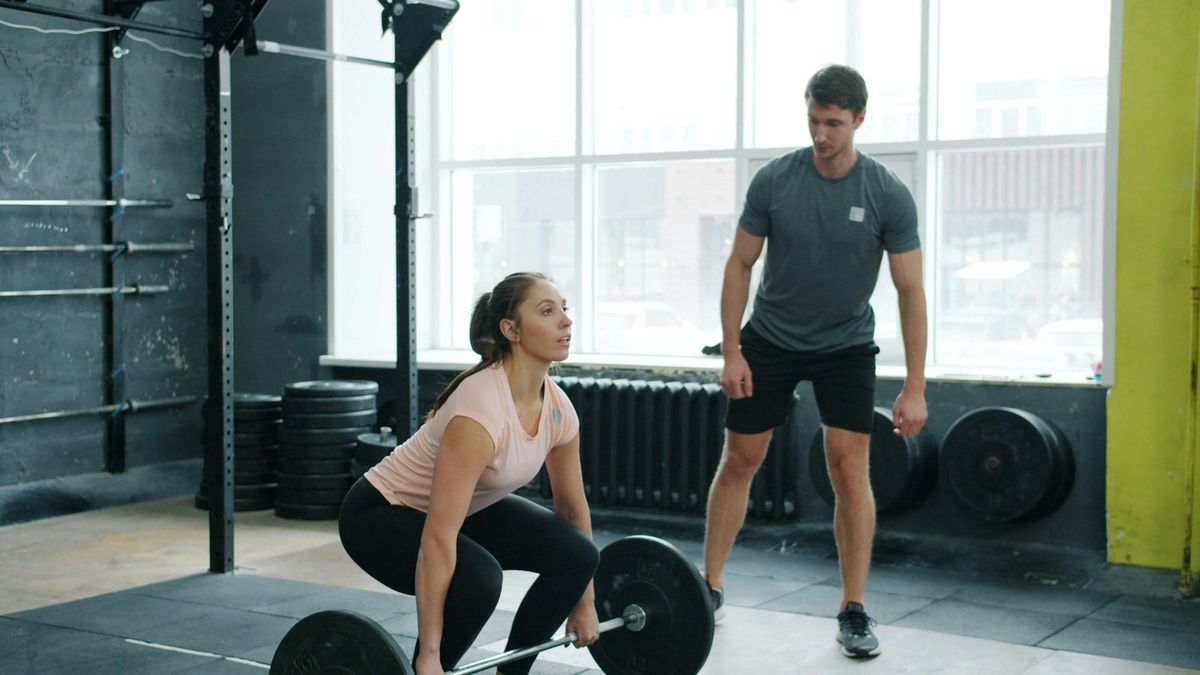
 Dr. Robert Davies