Does Exercise Lower Blood Pressure? (And by How Much?)
Research shows that regular exercise can lower blood pressure, with effects comparable to many blood pressure medications.

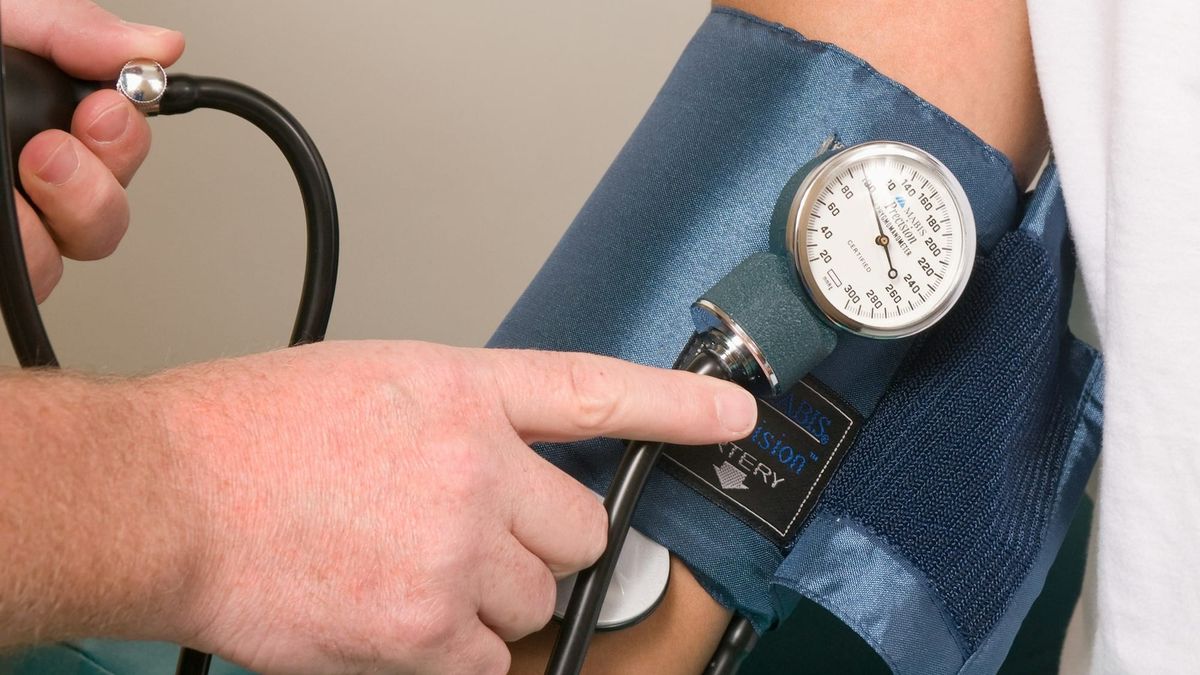
- Regular exercise reduces systolic blood pressure by 3–4 mmHg in healthy adults, and by 7–11 mmHg in people with hypertension.
- Isometric exercises (e.g., wall sits, planks, and handgrip exercises) produce the largest reductions of any exercise type, averaging 11 mmHg systolic.
- Exercise produces blood pressure reductions comparable to some basic antihypertensive medications, but without the side effects.
High blood pressure (otherwise known as 'hypertension') affects nearly half of all adults and is a leading risk factor for heart disease and stroke. This article explains how exercise can lower blood pressure, which types of physical activity are most effective, and why regular movement is a proven, drug-free approach for managing blood pressure.
If you've been told your blood pressure is creeping up, or you've been diagnosed with hypertension, you've probably heard that exercise can help. But does it actually work? Is it worth the effort? And what types of exercise are most effective? The research provides pretty clear (and encouraging) answers ...
Regular physical activity is one of the most reliable ways to lower blood pressure, with benefits that often rival those of prescription medications. Most types of exercise work for most types of people.[1]
For your average adult, taking part in plain old aerobic exercise typically knocks 3 to 4 mmHg off your systolic blood pressure (“the top number”) and 2 to 3 mmHg off your diastolic pressure (“the bottom number”). While these numbers might not sound like a lot, it's still clinically meaningful. Even a few points off your blood pressure can lower your risk of heart attack, stroke, and other cardiovascular health issues.
The benefits become even more impressive for people who have high blood pressure already. Structured exercise programs can reduce systolic blood pressure by 7 to 11 mmHg and diastolic by 4 to 5 mmHg in people with high blood pressure. These are substantial drops that can move someone out of the 'hypertensive range'.
What exercise lowers blood pressure the most?
One of the most practical findings from the research is that you don't need to stick to just one type of exercise. Several types of exercise can lower blood pressure, giving you the flexibility to choose activities you enjoy and will stick with.
Aerobic exercise
Traditional aerobic (or “cardio”) physical activity, like walking, jogging, cycling, and swimming, is the most well-studied. They consistently lower both resting and “ambulatory” blood pressure (the readings taken throughout your day as you go about normal activities).
The beauty of aerobic exercise is that it’s relatively easy to do — you can start with simple walking and gradually build up intensity and duration as your fitness improves.
Resistance training
Resistance exercise using weights or resistance machines can lower blood pressure as well. It can work as a stand-alone intervention, meaning you can use it to reduce your blood pressure if traditional cardio isn't your thing.
Isometric exercise: the most underrated option
Isometric exercises: activities where you hold a static position without moving, have some of the largest blood pressure drops. Think wall sits, hangs, holds, planks, or handgrip exercises. These produce reductions averaging 11 mmHg for systolic pressure and 6 mmHg for diastolic pressure.[2]
The appeal of isometric exercise is its efficiency. You can achieve significant benefits with relatively short sessions, making this approach particularly attractive for people with limited time. A few minutes of wall sits or handgrip exercises several times per week can meaningfully lower your blood pressure.
Combined training
Programs that mix aerobic and resistance exercise also lower blood pressure. This combination approach may be ideal for overall cardiovascular health, as it provides the benefits of both training types while adding variety to keep workouts interesting.
How does exercise compare to blood pressure medication?
One of the most impressive findings is how exercise stacks up against drugs. Research shows that in people with hypertension, regular structured exercise yields similar reductions in blood pressure compared to many first-line 'anti-hypertensive' medications.[3]
This doesn't mean abandoning prescribed blood pressure medications in favour of exercise. But it does go to show that exercise is a legitimate, powerful tool to manage blood pressure — not just a minor add-on to the “real” treatments.
For some people with borderline hypertension (sometimes called “pre-hypertension”) or those who prefer to avoid medication when possible, exercise may help. For others already on medication, adding regular exercise can enhance the effects of their drugs, potentially allowing for less medication (under professional guidance, of course).
How quickly does exercise lower blood pressure?
The great thing about exercise is that the benefits can be seen after your very first session. Exercise triggers an immediate reduction in blood pressure (“post-exercise hypotension”), which can last for up to a day, giving you immediate decreases in blood pressure.[4]
However, the more powerful and lasting effects come after training consistently for weeks or months. This is where your blood pressure stays lower around the clock, not just temporarily for a few hours after exercising.
How does exercise lower blood pressure?
Scientists have identified several ways that exercise reduces blood pressure, helping us refine recommendations. The main way exercise lowers your blood pressure is by relaxing your blood vessels and making them more flexible, which allows your blood to flow better. It also decreases the activity of your“fight or flight” system, which by itself increases blood pressure.