7 High-Protein Office Snacks for Weight Loss (Easy Recipes)
7 healthy, high-protein office snacks for weight loss. Easy, filling recipes that need only a fridge and a microwave.

The workday afternoon slump is the place where healthy diets go to die. The period between 2:30 and 4:00 PM is the danger zone: post-lunch energy dips, hunger (or hanger) and mental fatigue create a drive to eat, usually not the healthiest foods.
Add to that the fact that most workplaces are filled with ultra-processed junk foods. Vending machines filled with chips, crisps, sweets and chocolate. On-site coffee shops selling sugary drinks, cakes and cookies. Cafeterias offering cheap, reheated, ready-made processed foods.
This may not be so bad if you're physically labouring. However, in the West, most people are chained to their desks, which keeps physical activity levels low. A sedentary lifestyle surrounded by hyper-palatable, nutrient-poor food is a recipe for disaster.
If you want to lose weight or maintain a healthy body weight while you're working a desk job, you need to keep your hunger in check without eating too many calories. To do this while staying healthy, there are four nutritional levers you can pull.
- High Protein Density: A high % of the calories or the weight of food being protein keeps your appetite and body composition in check.
- High Fibre Density: Slows digestion and absorption, keeping you fuller for longer and your blood sugar levels under control.
- Low-Calorie Density: Foods rich in water and fibre give you a large volume for few calories per gram. This stretches your stomach and promotes fullness without a high calorie cost
- High Nutrient Density: Snacks are a great opportunity to top up the amount of vitamins, minerals and other essential nutrients you need.
Below are 7 high-protein, high-fibre snacks that are easy to make and eat at the office, each with nutrition info and a simple workplace method.
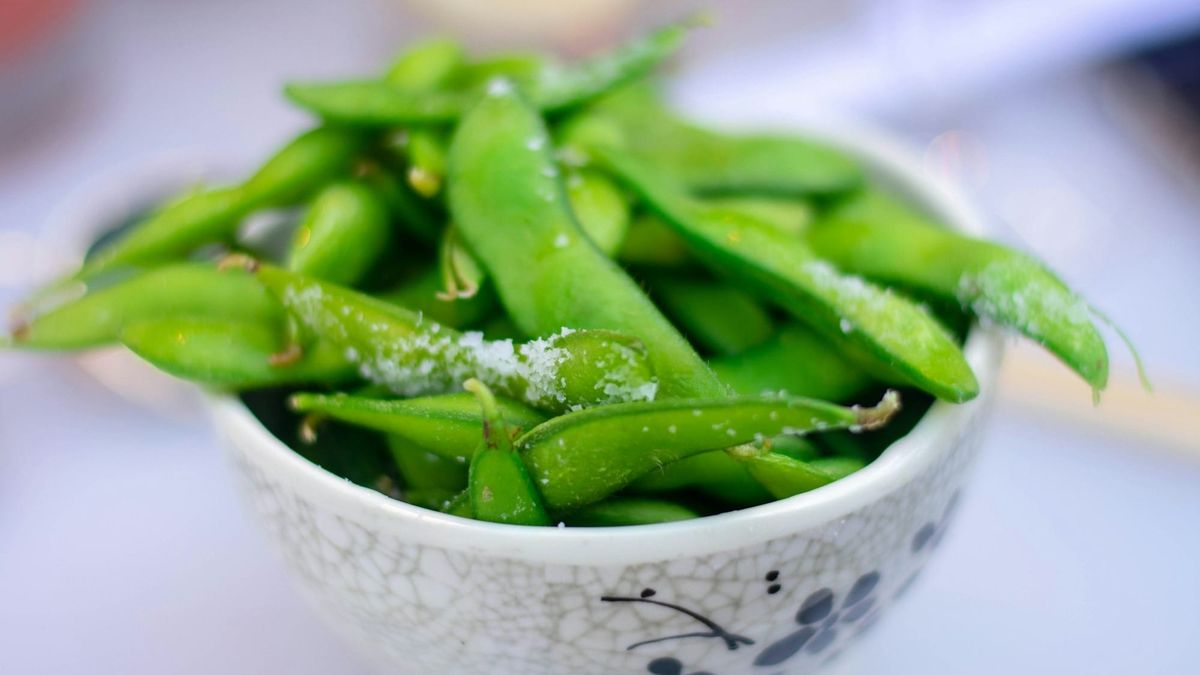
#1. Steamed Edamame with Pumpkin Seeds
- 220 kcal · 18g protein · 14g carbs · 10g fat · 9g fibre
- Source of: folate (vitamin B9), phylloquinone (vitamin K), magnesium, manganese, copper, iron, zinc, soy isoflavones.
- Prep Time: 3 minutes.
Edamame (immature soybeans) is one of the few complete plant-based proteins, containing all nine essential amino acids. Beyond its protein content, edamame is packed with soluble and insoluble fibre.
Because edamame in pods requires manual shelling (while you eat it), it naturally slows down your "eating velocity". Slowing down eating time gives your brain time to register that it is getting fed. Pair them with pumpkin seeds, which add texture and flavour and are a good source of magnesium, zinc and iron.
- Ingredients: 1.5 cups frozen edamame (unshelled), 1 tbsp raw pumpkin seeds (pepitas), a pinch of coarse sea salt, a pinch of chilli flakes (optional).
- Workplace Method: Keep a bag of frozen edamame in the office freezer. Place 1.5 cups into a microwave-safe bowl with 1 tbsp of water. Cover with a paper towel and microwave on high for 2 minutes (or until tender). Drain excess water, toss with sea salt and chilli flakes, and top with pumpkin seeds.
If you want to increase the protein content, add 30g of pre-cooked freeze-dried tofu cubes. To vary the flavour, you can swap the salt for soy sauce, smoked paprika, or a drop of sesame oil.
#2. Cottage Cheese & Berry Bowl
- 250 kcal · 24g protein · 20g carbs · 8g fat · 7g fibre
- Source of: cobalamin (B12), riboflavin (B2), phosphorus, selenium, calcium, alpha-linolenic acid (ALA), anthocyanins, ellagic acid.
- Prep Time: 2 minutes.
Cottage cheese is one of the most underappreciated foods around. It is high in protein, which is predominantly casein protein. Casein forms a gel in your gut, slowly releasing the amino acids into your body over several hours.
Pairing low-fat cottage cheese with red berries increases the fibre content of the snack, making it one of the best protein + fibre combos per calorie.
- Ingredients: 200g 2% low-fat cottage cheese, 3/4 cup (100g) fresh or thawed frozen mixed red berries, 1 tbsp ground flaxseed.
- Workplace Method: Keep single-serve tubs of cottage cheese in the office fridge. Scoop the cottage cheese into a bowl, layer the berries on top, and top with ground flaxseeds for the omega-3 fats.
If you want something savoury, swap the berries and flaxseeds for cucumber, tomatoes, pepper and some extra virgin olive oil. If you want to avoid dairy, you can use unsweetened soy yoghurt with some plant-protein powder.
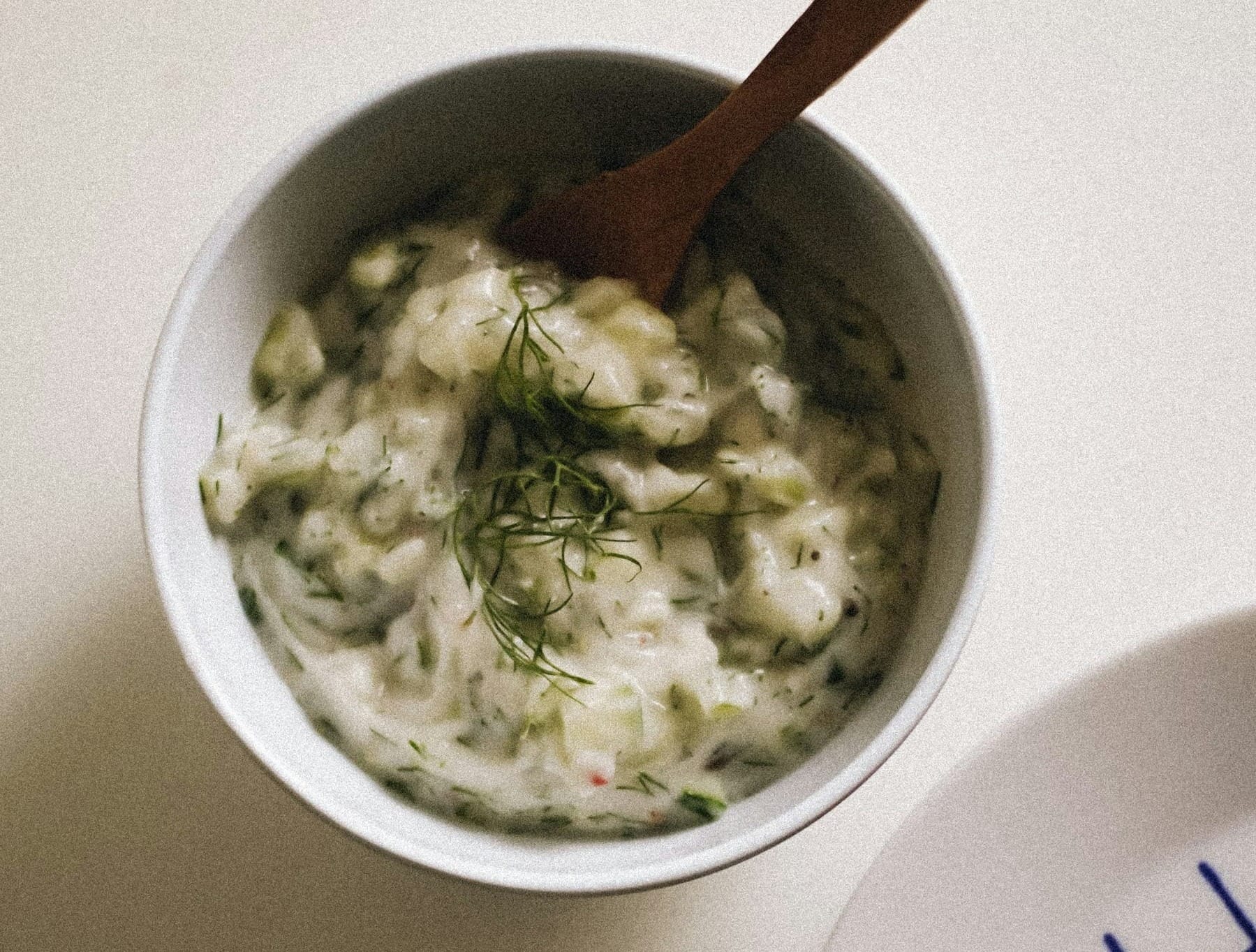
#3. Greek Yoghurt Tzatziki with Veggie Sticks
- 170 kcal · 20g protein · 18g carbs · 2g fat · 5g fibre
- Source of: Ascorbic acid (vitamin C), B12, calcium, phosphorus, beta-carotene (vitamin A), probiotics.
- Prep Time: 4 minutes (or pre-batch at home).
This snack has one of the highest volume-to-calorie ratios (lots of food for few calories), so it is surprisingly filling. The non-fat or low-fat plain Greek yoghurt increases protein density by removing the fat. But you are free to eat the full-fat version if you aren't trying to lose fat.
By using the Greek yoghurt in a savoury tzatziki dip paired with low-calorie vegetables (cucumber, peppers, celery), you get a substantial volume of food for 170 calories.
- Ingredients: 170g plain 0% or 2% Greek yoghurt, 1/2 a cucumber grated or finely diced, 1/2 tsp garlic powder, 1 tsp dried dill, 1 tbsp lemon juice, 1 red pepper, 1 carrot and 2 celery stalks sliced into sticks.
- Workplace Method: Mix the Greek yoghurt, cucumber, garlic powder, dill, and lemon juice in a small container. Store pre-chopped vegetable sticks in a sealable bag in the fridge. Make sure you get a large amount of the yoghurt dip on your veggie sticks.
Add two whole-wheat toasted pita breads or flatbreads if you want more calories and some carbohydrates. If you want some fat, either use full-fat yoghurt or stir in 1 tbsp of olive oil, nut butter or tahini.
#4. Boiled Eggs with Crunchy Chickpeas
- 240 kcal · 17g protein · 20g carbs · 10g fat · 6g fibre
- Source of: selenium, B12, B2, calciferol (vitamin D), manganese, iron, folate, choline, lutein, zeaxanthin.
- Prep Time: 1 minute.
Whole eggs are filling, cheap, and provide protein and several other nutrients that are difficult to get from other foods. Pairing the eggs with dry-roasted chickpeas introduces resistant starch, fibre and even more protein (and other nutrients).
- Ingredients: 2 large hard-boiled eggs, 1 tsp Everything Bagel Seasoning (or sea salt and black pepper), 30g store-bought dry-roasted salted chickpeas.
- Workplace Method: Hard-boil a batch of eggs at home on Sunday (or purchase pre-boiled eggs). At work, peel the eggs, slice them in half, sprinkle liberally with Everything Bagel Seasoning, and serve alongside a portion of roasted chickpeas kept in your desk drawer. Easy.
If you want to lower the calorie intake further, eat 1 whole egg and 2 egg whites and reduce the roasted chickpeas down to a small handful. If you like spicier food, swap the Everything Seasoning for za'atar, cumin, smoked paprika, or cayenne pepper.
#5. Microwave Egg & Spinach Omelette with Whole-Grain Toast
- 235 kcal · 17g protein · 17g carbs · 11g fat · 4g fibre
- Source of: Vitamin K, manganese, selenium, B9, B2, inorganic nitrates, lutein and zeaxanthin.
- Prep Time: 3 minutes.
If you want something warm and savoury during the day, the microwave mug omelette can come to the rescue. The eggs provide high-quality protein and fats, while the spinach adds nitrates and many other nutrients for only a few extra calories.
Pair the omelette with a slice of toasted high-fibre whole-grain bread. It will keep your blood sugar levels steady between lunch and dinner.
- Ingredients: 2 eggs, 1 large handful of fresh baby spinach, 1 tbsp skimmed milk or water, salt and pepper to taste, 1 slice of whole-grain bread.
- Workplace Method: Coat a microwave-safe mug with light cooking spray. Add spinach, eggs, milk, salt, and pepper. Stir with a fork and microwave on high for 60 seconds. Stir, then microwave for an additional 30 to 45 seconds until set. Toast a slice of bread in the office toaster.
If you want to add some more fat and flavour, add some nutritional yeast or low-fat grated cheddar before microwaving. If you want to add some meat (and more protein), add 30g of cooked chicken, turkey, canned tuna, salmon or smoked salmon before microwaving.
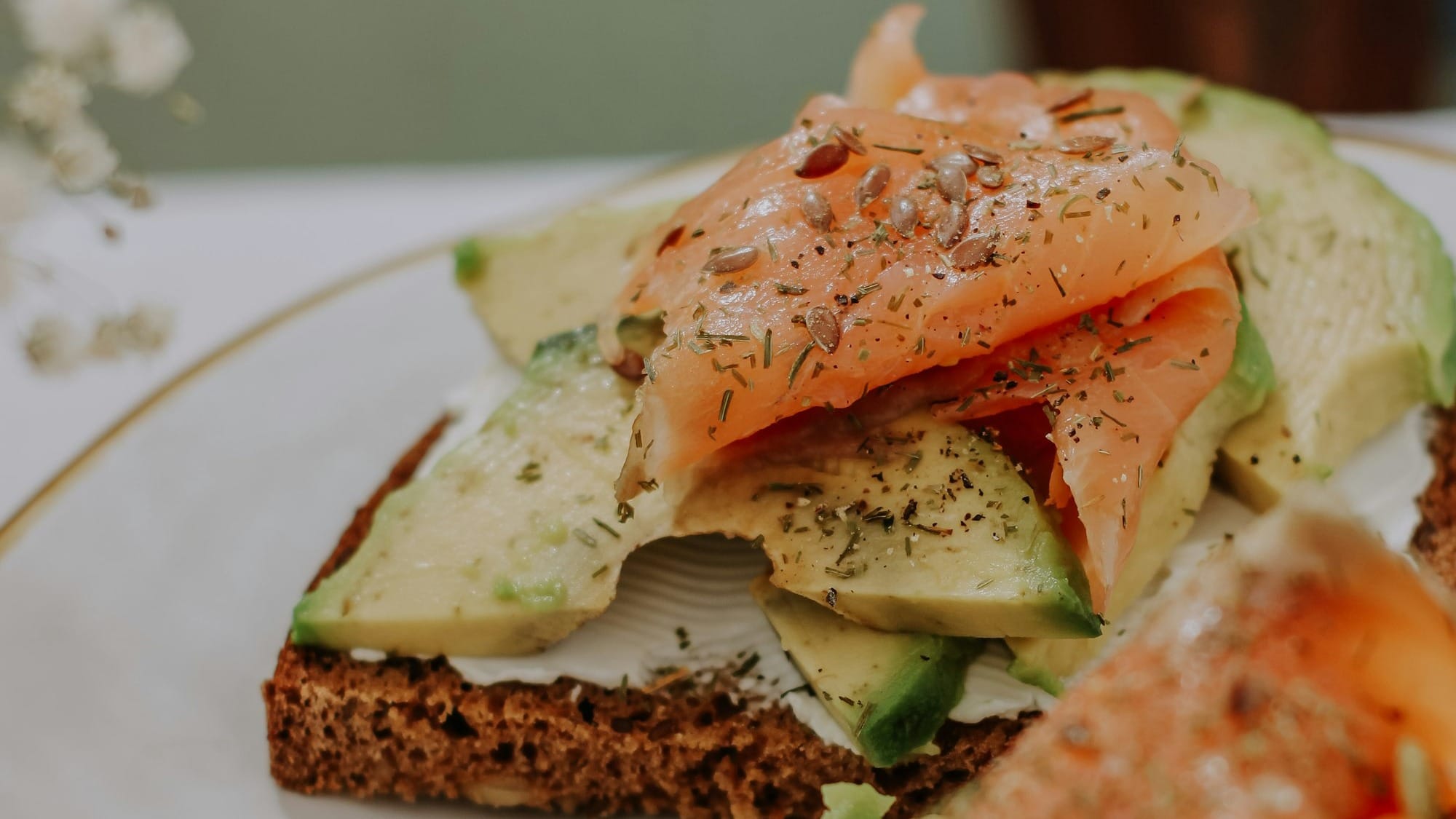
#6. Salmon Crispbreads with Avocado and Lemon
- 280 kcal · 25g protein · 16g carbs · 12g fat · 6g fibre
- Source of: B12, vitamin D, selenium, niacin (B3), pyridoxine (B6), phosphorus, potassium, omega-3 fatty acids (EPA and DHA), astaxanthin.
- Prep Time: 3 minutes.
Canned oily fish like salmon, mackerel or sardines is a great desk-drawer staple. The fish provides high-quality protein as well as two long-chain omega-3 fatty acids (EPA and DHA), which have well-established benefits for heart and brain health.
Serving the fish on whole-grain rye crispbreads or toast adds rye, which is more filling than refined wheat bread.
- Ingredients: 100g (about ½ a standard can) canned boneless pink salmon, 1/4 ripe avocado, squeeze of fresh lemon juice, 2-3 whole-grain rye crispbreads (e.g., Ryvita or Wasa) or toasted rye bread.
- Workplace Method: Keep salmon and crispbreads stored in your desk drawer. Mash 1/4 avocado directly onto the crispbreads using a fork. Open the salmon can, drain any excess liquid, spread evenly over the avocado layer, and top with lemon juice and cracked pepper.
If you can't find salmon, or it's too expensive, you can use canned tuna instead. If you want to lower the calories and fat content, swap the avocado for 1 tbsp of light mayo or Dijon mustard (or both) and some sliced cucumber.
#7. Overnight Protein & Chia Pudding with Berries
- 300 kcal · 27g protein · 18g carbs · 11g fat · 11g fibre
- Source of: Manganese, calcium, magnesium, phosphorus, iron, ALA, mucilaginous soluble fibre.
- Prep Time: 2 minutes (prep the night before).
Chia seeds have unique "hydrophilic" properties, which means that they absorb up to 10 times their weight in liquid form. This goes on to form a thick "mucilaginous" gel. When eaten, this gel increases viscosity in your gut, delaying digestion and absorption (keeping your blood sugar levels steady).
When you combine the chia seed gel with a high-quality whey or plant-based protein, this snack delivers a combination of protein and fibre (about 38g), covering over a third of the UK's 30g daily fibre target in a single snack
- Ingredients: 2 tbsp (25g) chia seeds, 1 scoop (approx. 25g) vanilla whey or plant protein powder, 3/4 cup (180ml) milk or unsweetened plant milk, 1/2 cup fresh or frozen (and thawed) mixed red berries.
- Workplace Method: In a small glass jar or container, mix chia seeds, protein powder, and milk. Whisk vigorously with a fork to prevent protein clumping. Place in the fridge overnight. Grab the jar on your way out the door in the morning, and top with berries at your desk when ready to eat.
Chocolate protein powder and 1 tsp of unsweetened dark cocoa powder work fantastically well and go with the red berries. If you want to go plant-based, use a pea/rice protein powder with soy milk to maintain the high-protein levels.