Does Eating Fat Make You Fat? Low-Fat Diets & Fat Loss
Low-fat diets are effective for fat loss. However, not all low-fat diets are healthy, and other (equally effective) options are available.

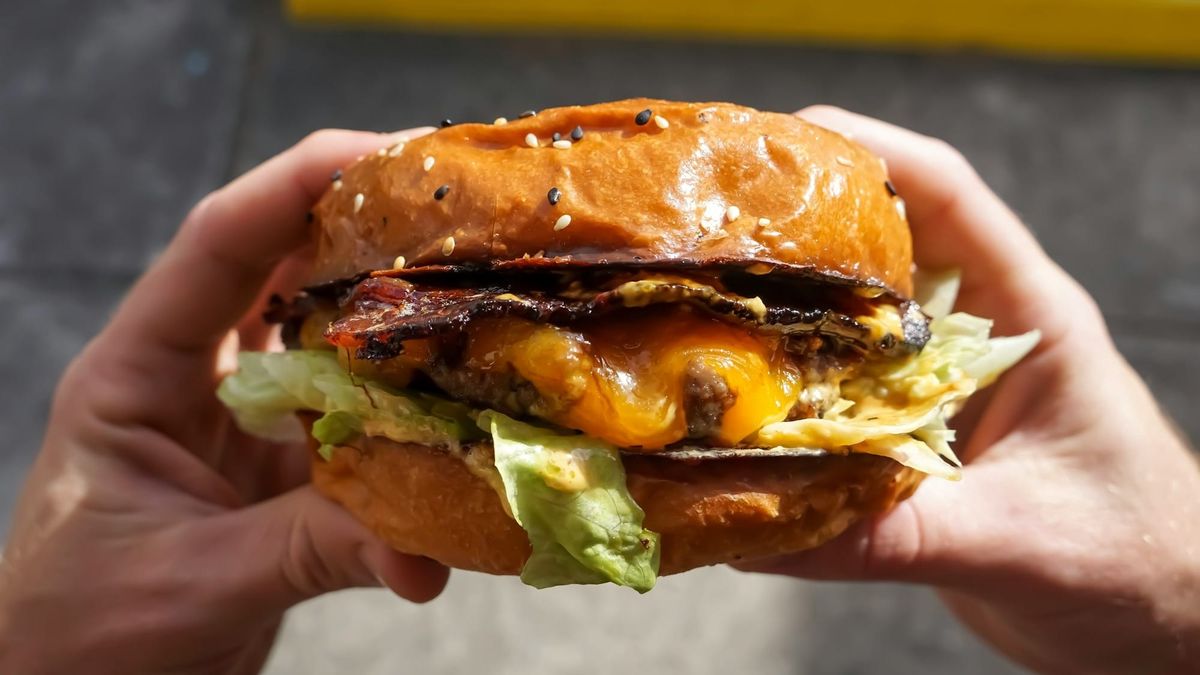
- Low-fat diets work by lowering the "calorie-density" of your diet, which means you're eating more food for fewer calories.
- But other types of diets are just as effective if your total calorie intake is the same (e.g., low-carbohydrate, intermittent fasting).
- Not all low-fat diets are always healthy. The better ones encourage intake of other nutrients as well (e.g., protein, fibre, and some healthy fats).
Eating fat makes you fat! Or so we thought. The low-fat diet has dominated weight loss diet advice for several decades. It remains the cornerstone of most weight loss programmes and is still a proven way to lose fat and maintain a healthy bodyweight.
But, with the expanding waistlines over the past few decades, there's been a lot of research on alternative ways to lose body fat (e.g., keto, fasting, protein, food composition, etc.). So, does the low-fat diet still stand up against the new alternatives?
What are Low-Fat Diets?
Low-fat diets typically restrict fat intake to less than ~20-30% of total calories. That's nothing special, right, and doesn’t sound particularly low! But it’s actually what most health institutions have been recommending for ages; it is lower than the current dietary fat intake in the Western diet (typically 29-46% of calories).[1]
The theory behind the low-fat diet is that to create an energy deficit, you are best reducing the most energy-dense foods first. So you're basically picking the low-hanging fruit. Dietary fat provides around 9 calories per gram, whereas protein and carbohydrate contain around 4 calories per gram. So if you limit fat intake, you'll naturally consume fewer total calories and keep hunger at bay for longer.[2]
This is done by eating larger volumes of lower-calorie foods. However, this also requires distinguishing between naturally low-fat whole foods and processed “low-fat” products, which often compensate for less fat by adding sugar and artificial flavourings and sweeteners.
 Dr. Robert Davies
Less fat doesn’t always mean more fat loss or more healthy.
"Ultra-low-fat diets" (i.e., those under 10% calories from fat) have also been used for fat loss purposes. However, a dietary fat intake of around 20-30% total calories (spread throughout the day) is considered more beneficial both for fat loss and general health.
After all, a certain amount of dietary fat is needed to provide an adequate supply of essential fatty acids, satiety, and the absorption of fat-soluble vitamins, while also maintaining the calorie-reduction benefits at the same time.
It's also advised that whole foods intake, protein and fibre intake should be increased while lowering-fat intakes. Replacing healthy fats with more sugar is unlikely to promote fat loss (or health) in the long run.
Calorie Density and Fat Loss
Low-fat diets do lead to significant weight loss and fat loss. Meaningful weight loss has been reported in a few months. This is achieved by creating an energy deficit. We know this because other diets (e.g., low-carb and Mediterranean diet) led to a similar amount of weight loss when protein and total calorie intake was about the same. But a unique advantage of low-fat foods and low-fat diets is that they are less “calorie-dense” (i.e., kcal per gram of food).[3][4]
Foods with low calorie density also tend to be low in fat (e.g., fruits, vegetables, grains, legumes, and lean proteins). Whereas foods high in fat (e.g., nuts, oils, fatty meats, spreads) contain 2–4 times the amount of calories per gram. This dramatic difference allows you to eat larger, but just as satisfying portions of food, whilst consuming fewer calories.[5]
How? Well, the stomach's “stretch receptors” respond to food "volume" or mass, not calories. These receptors trigger the “I’m full” satiety signals that stop you eating. So if you can trigger this response by eating fewer calories, you end up consuming fewer calories.
Low Fat vs. Low Carb: What Wins?
- Low-fat diet wins: More flexible, easier to follow, better general nutrition, better for general health, better for athletes and people who are active.
- Low-carb diet wins: Better satiety and quicker weight loss (but not necessarily fat loss).
- Draw: Similar reported cravings and hunger, similar long-term weight loss and fat loss, similar amount of evidence supporting the effectiveness of both diets.
Winner = Low-fat beats low carb 5:2
"Healthy" Low-Fat Diets
General advice when starting to reduce dietary fat intake is to:
- Gradually reduce “added fats” in your diet (i.e., cooking oils, butter, lard, tallow, etc.).
- Structure meals around lean proteins, vegetables, high-fibre and starchy carbohydrates.
- Then add small amounts of healthy fats for cooking or flavour (i.e., 5–10 g per meal from nuts, seeds, avocados, olive oil or fatty fish).
- Use cooking methods like baking, grilling, air-frying, or poaching that don’t need added fats.
- Herbs, spices, and acids (e.g., citrus juices or vinegars) can improve flavour without adding more fat.
- Keep an eye on food labels or packaged foods; they may have more fat than you think.
- Track your fat intake for the first few weeks to develop portion awareness whilst you change to meals and whole foods that are naturally lower in fat.
- Monitor your body weight, hunger, energy levels, digestion and meal satisfaction. Not everyone responds well to lower-fat intakes.
You can experiment with different amounts of fat (e.g., 15-20% vs. 20-25% vs 25-30% total calories) and see which you respond to best. Red flags include persistent hunger, low energy, poor exercise capacity, training performance or recovery.
Successful long-term low-fat diets usually require finding the "sweet spot" where you achieve meaningful fat loss while maintaining adequate nutrition, meal satisfaction, and compatibility with your lifestyle. Flexibility can prevent the all-or-nothing thinking that often undermines diets.
Bottom Line
Low-fat diets and low-fat foods are still scientifically supported for fat loss, although there are now many other options available.[6]
Low-fat diets work by reducing the calorie density of meals and total calorie intake. And they can be effective for people who like (and can tolerate) eating a higher amount of carbohydrate. But reduced fat intake might not be suitable for everyone.
Not all low-fat diets are equally healthy or equally effective for fat loss. To tip the chances in your favour, it is crucial to emphasise the intake of nutrient-dense whole foods rather than processed sugary low-fat food substitutes. Maintaining adequate (or slightly higher) protein intake, fibre intake and careful selection of healthy dietary fats is essential for long-term adherence and health.

Sources
- Eilander A et al. Intake and sources of dietary fatty acids in Europe: Are current population intakes of fats aligned with dietary recommendations? Eur J Lipid Sci Technol. 2015 Sep;117(9):1370-1377. PMID: 26877707
- Astrup A et al. Low-fat diets and energy balance: how does the evidence stand in 2002? Proc Nutr Soc. 2002 May;61(2):299-309. PMID: 12133213.
- Astrup A et al. The role of low-fat diets in body weight control: a meta-analysis of ad libitum dietary intervention studies. Int J Obes Relat Metab Disord. 2000 Dec;24(12):1545-52. PMID: 11126204
- Shai I et al. Weight loss with a low-carbohydrate, Mediterranean, or low-fat diet. N Engl J Med. 2008 Jul 17;359(3):229-41. PMID: 18635428
- Rolls BJ. The relationship between dietary energy density and energy intake. Physiol Behav. 2009 Jul 14;97(5):609-15. PMID: 19303887
- Tobias DK et al. Effect of low-fat diet interventions versus other diet interventions on long-term weight change in adults: a systematic review and meta-analysis. Lancet Diabetes Endocrinol. 2015 Dec;3(12):968-79. PMID: 26527511