8 Things the Healthiest Diets Have in Common
We reviewed the eight common core principles of the best-rated diets. Here's what they have in common.

- We reviewed eight of the world's healthiest diets to identify eight of the healthiest features that they all have in common.
- All the diets are plant-based, have a pretty much balanced macronutrient profile, favour whole grains over refined ones, and regularly eat legumes and oily fish.
- They cut out ultra-processed foods, limit red meat and keep the rules and recommendations flexible.
We have reviewed over 30 diets, which include some of the world’s healthiest diets and eating patterns. These include the Mediterranean, DASH, TLC, Anti-inflammatory, Volumetrics, Blue Zone, Nordic and the MIND diets.
Looking at these diets next to each other, one thing becomes clear — they share more similarities than differences. In fact, they are all pretty much related to each other in one way or another; they’re really a family of diets, which all descend from the Mediterranean diet.
So it comes as no surprise that the same foods, patterns and eating habits turn up again and again. There are no brand names. No special products or gadgets required. There is no specific ratio of carbs or fat.
Taken collectively, there are dozens of studies showing that all these diets are safe, healthy, nutritious and can be followed easily by vast swaths of people. Here’s what they all have in common. The foods that appear repeatedly, the habits that recur across every culture and continent, are the real story. Not the brand name. Not the specific ratio of carbs to fat. The patterns underneath.
1. Plants front and centre
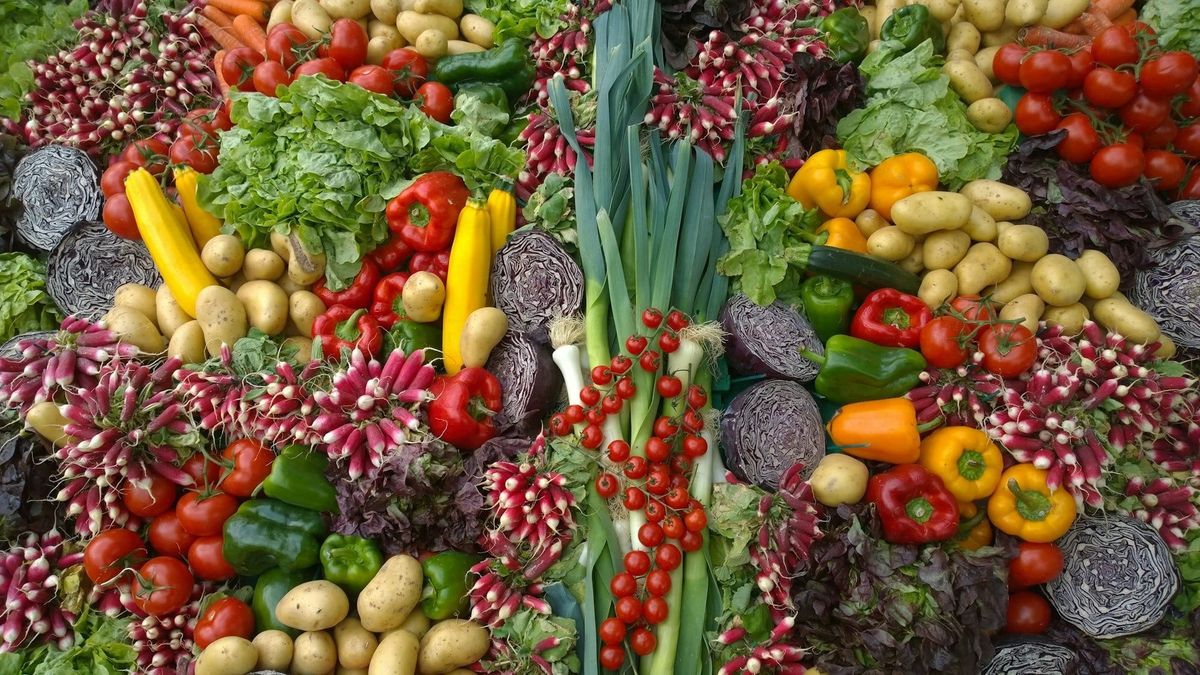
All eight diets are built around plants, all of which fall under the plant-based diet umbrella. Vegetables, fruits, legumes, nuts, seeds, and whole grains make up the majority of calories in each of these diets.
This is no coincidence. Several independent studies have shown that the more plants you eat, the lower your chances of getting heart disease, type 2 diabetes, certain cancers and shorter life expectancy.
The Blue Zone diet gets over 80% of its calories from plants. The Mediterranean and Anti-inflammatory diets are high in vegetables and olive oil. The MIND diet calls for at least six servings of leafy greens a week. The Nordic diet promotes eating berries, root vegetables, and whole grains.
Although all the diets are “plant-forward”, none of them recommend going fully vegan. However, let’s be clear: plants are the main event with everything else playing a supporting role.

2. Whole grains are preferred over refined ones
None of the healthiest diets is “low-carb” or fear carbohydrates. In fact, in all of the diets, carbohydrates are the main macronutrient, making up anywhere from 40 to 60% of total calories.
Oats, brown rice, rye, barley, quinoa, and whole wheat — these feature in all of the diets. But what's absent is just as telling: white bread, refined cereals, and processed grain products are consistently cut back or completely absent.
Whole grains provide fibre, B vitamins, and magnesium, and release energy more slowly than their refined equivalents. This helps keep your blood sugar levels and hunger low and stable.
The TLC diet recommends at least six servings of whole grains daily. The DASH diet recommends six to eight. The Nordic diet promotes eating rye and oats. The logic is the same across all of them: unprocessed grains keep your gut and heart healthy.
3. Legumes are a staple, not an afterthought
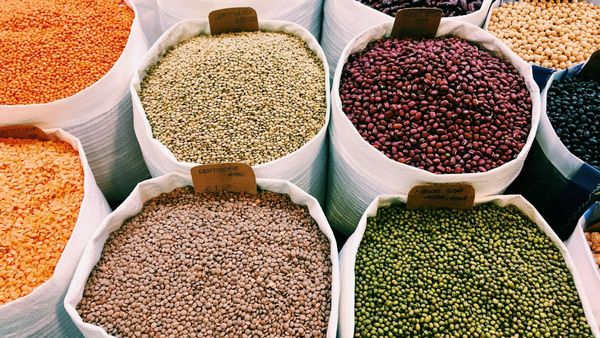
Lentils, chickpeas, black beans, kidney beans, edamame — these appear consistently across all eight diets, and in some (e.g, Blue Zone and Mediterranean), they serve as the primary source of protein.
Legumes are high in protein and fibre and low in saturated fat. They are inexpensive and filling. They are linked to lower cholesterol, better blood sugar control, and reduced cardiovascular disease risk.
The MIND diet recommends beans at least four times a week. The DASH and TLC diets both include three to five servings a week. If there is a single food that consistently appears among the world’s healthiest diets, it is probably the humble bean.
 Dr. Robert Davies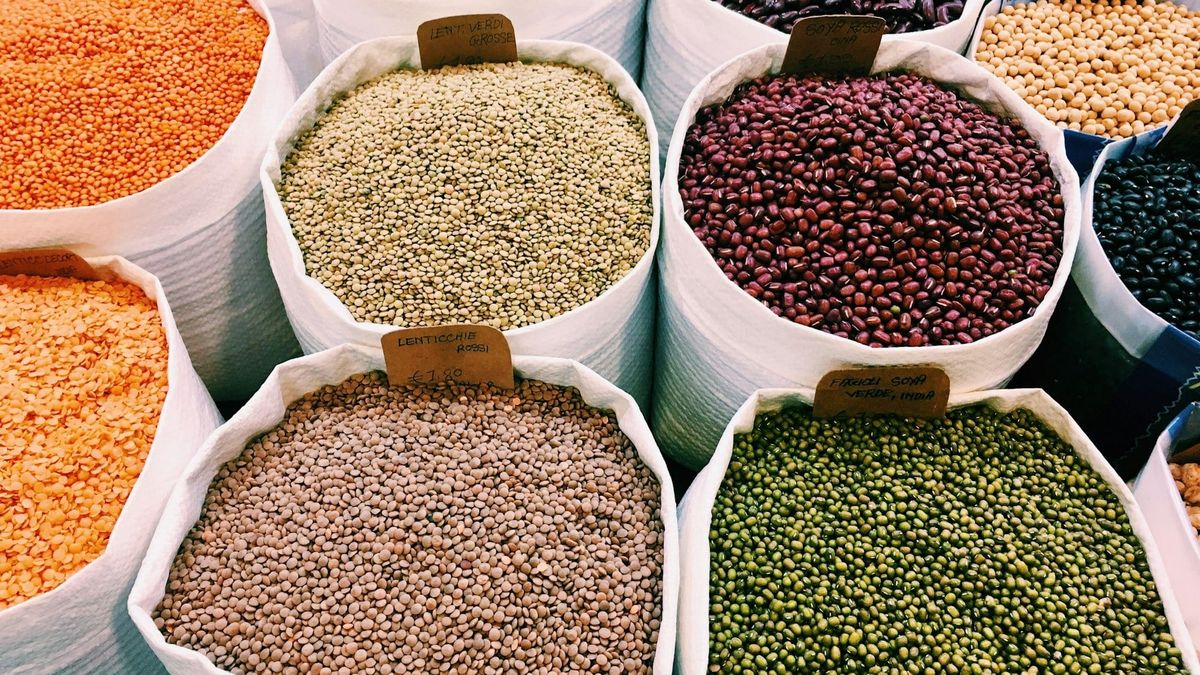
4. Healthy fats are favoured over saturated ones
None of the eight diets eliminates fat. In fact, several of them are relatively high-fat (around 25-40% total calories). However, what they share is a clear preference for unsaturated fats like olive oil, rapeseed oil, nuts, seeds, and oily fish, over saturated fats from butter, full-fat dairy, processed foods and fatty meats.
The Mediterranean diet is built around extra virgin olive oil. The Nordic diet uses rapeseed oil as its primary fat. The TLC diet emphasises replacing saturated fat with unsaturated fats. The DASH and MIND diets both include nuts and oily fish.
The consistent swap from saturated to unsaturated fat is shown to lower LDL cholesterol, inflammation and support cardiovascular health.
5. Eat oily fish regularly
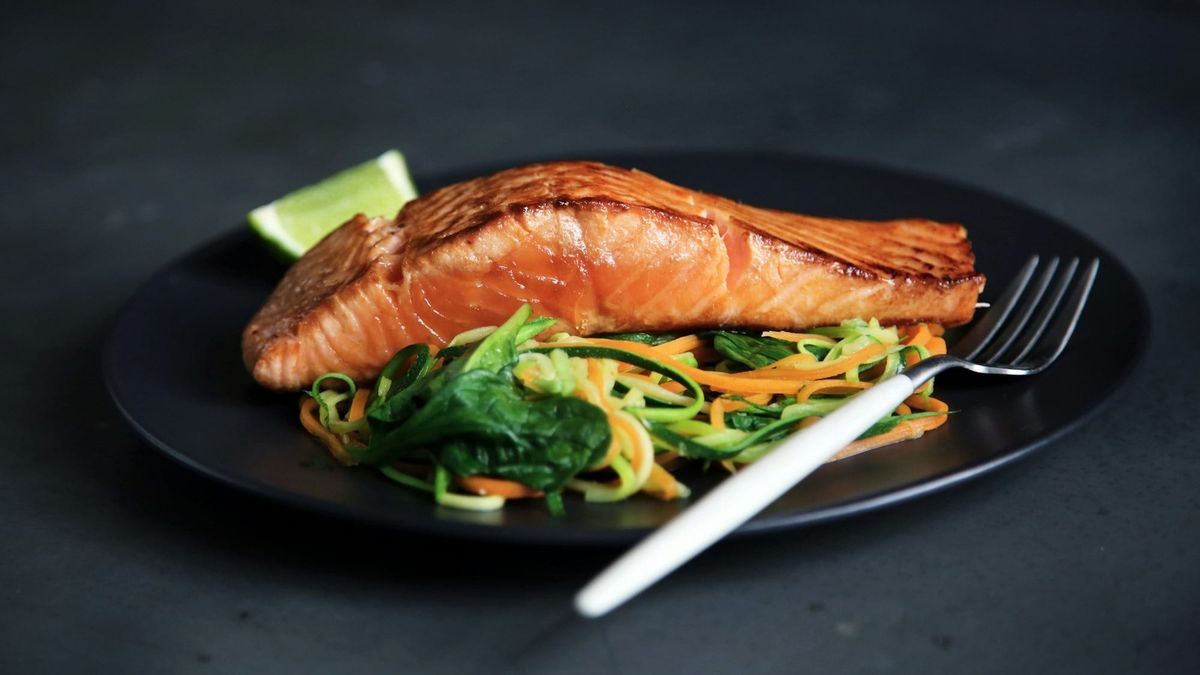
Salmon, mackerel, herring, sardines, trout — oily fish appear regularly across six of the eight diets, and are at least an encouraged choice in all of them. Oily fish are rich in omega-3 fatty acids (EPA and DHA), which are shown to lower blood triglycerides, blood pressure, inflammation and support brain health.
The Mediterranean diet recommends fish at least twice a week. The Nordic diet positions herring and salmon as the centrepieces of meals. The MIND diet includes at least one serving a week specifically for brain health. The DASH and TLC diets both recommend fish as a better protein option over red meat.
As far as protein recommendations go, none of the diets gives a numbered target, but all advise eating oily fish at least twice a week.
6. Cut out ultra-processed foods
This is the point on which all eight diets are in agreement: ultra-processed foods have no place in a healthy diet. Crisps, ready meals, fast food, packaged biscuits, sugary cereals, processed meats, and fizzy drinks are either eliminated or significantly restricted across all of the diets.
The reasons are well known. Ultra-processed foods are usually high in added sugar, refined carbohydrates, unhealthy fats, and sodium, while being low in fibre, vitamins, and minerals. They are engineered to override your natural hunger cues, making it easy to overeat them without noticing. They are designed for over-consumption.
People in the Blue Zone regions consume almost no ultra-processed foods. The Volumetrics diet works by replacing calorie-dense processed foods with water-rich whole foods. The MIND, Anti-inflammatory, TLC, DASH, and Nordic diets all explicitly recommend cutting out processed food as a central goal.
 Dr. Robert Davies