The Health Benefits of Eating Oats for Breakfast
Oats are popular for a reason. In addition to being cheap, sustainable and hardy, they have several well-known health benefits.

- Oats are one of the oldest foods around. They have fed the people of Western nations for centuries.
- The cholesterol-lowering effects of oats are quite well known. But they also lower your blood pressure, appetite and blood sugar levels.
- Oats are hardy, sustainable and cheap. Replacing your sugary, ultra-processed breakfast with them is our number 1 recommendation.
Oats aren't a trend. They're one of the oldest, tried-and-tested breakfast foods around. Modern science backs up what generations of Scots, Irish, and northern Europeans already knew: this is the grain that you should base your morning routine around.
Its cholesterol-lowering effects are pretty well known. But it also lowers blood pressure, keeps your appetite and blood sugar levels under control, and has other emerging health benefits for your gut.
The case for swapping out the standard Western breakfasts of ultra-processed cereals, white toast, and pastries makes the case for porridge even stronger (double benefits).
In addition to the health outcomes, adding them to your daily routine also reduces your food bill, the environmental impact, and food security in your region. The sheer staying power of oats as a food makes them one of the simplest upgrades you can make to a Western diet.
Oats weren't always a staple food. They were originally a wild crop ("wild oats") that was so hardy that it would outcompete wheat. Ancient societies hated it. The Greeks viewed them as a weed only fit for horses. The Romans viewed them as only fit for the Barbarians. And the English viewed it as only fit for the Scots. Throughout history, eating oats was seen as a sign of desperation and generally looked down on.
The Greeks, Romans and English loved wheat. But as commercial cultivation of crops spread to Northern Europe, they had problems growing it at scale. Wheat hates damp, cold, acidic soil, but oats don't — they love it. So, by the Middle Ages, oats had become the primary crop that sustained the lower classes across Northern Europe.
Nowhere was this more obvious than in the damp, rocky terrain of Scotland. Oatmeal became the foundation of the Scottish diet; they developed an entire culinary culture around it. From here, Northern European settlers brought it to North America, where it sustained the people (and their animals) for the next 200 years.
In the 1870s, millers started to "steam-roll" the grain, allowing it to cook in just a few minutes (as opposed to a few hours). After this, it was soon commercially sold as a breakfast cereal, and that's how it arrived on our breakfast tables. However, in the late 20th century, that changed. Convenience foods, sugary breakfast cereals, and white bread pushed oats from the breakfast table.
Health Benefits of Eating Oats (for Breakfast)
"Oats, a grain, which in England is generally given to horses, but in Scotland supports the people." - Samuel Johnson (English writer). James Boswell (Scottish writer) responded to this with "And that's why England has such fine horses, and Scotland has such fine men."
Modern research seems to back up what Scotland and the Northern Europeans instinctively knew. Pound-for-pound (and dollar-for-dollar), oats are one of the healthiest foods out there.
Cardiovascular health benefits of oats
The effects of eating oats on your cholesterol levels are probably the most obvious health benefit. Oats contain a lot of a special fibre called "beta-glucan", which forms a thick gel-like substance in your gut.
Eating foods that contain beta-glucan meaningfully reduces total cholesterol and the "bad" LDL cholesterol. Regularly eating oats can also lower blood pressure in people who have higher-than-normal blood pressure.[1][2]

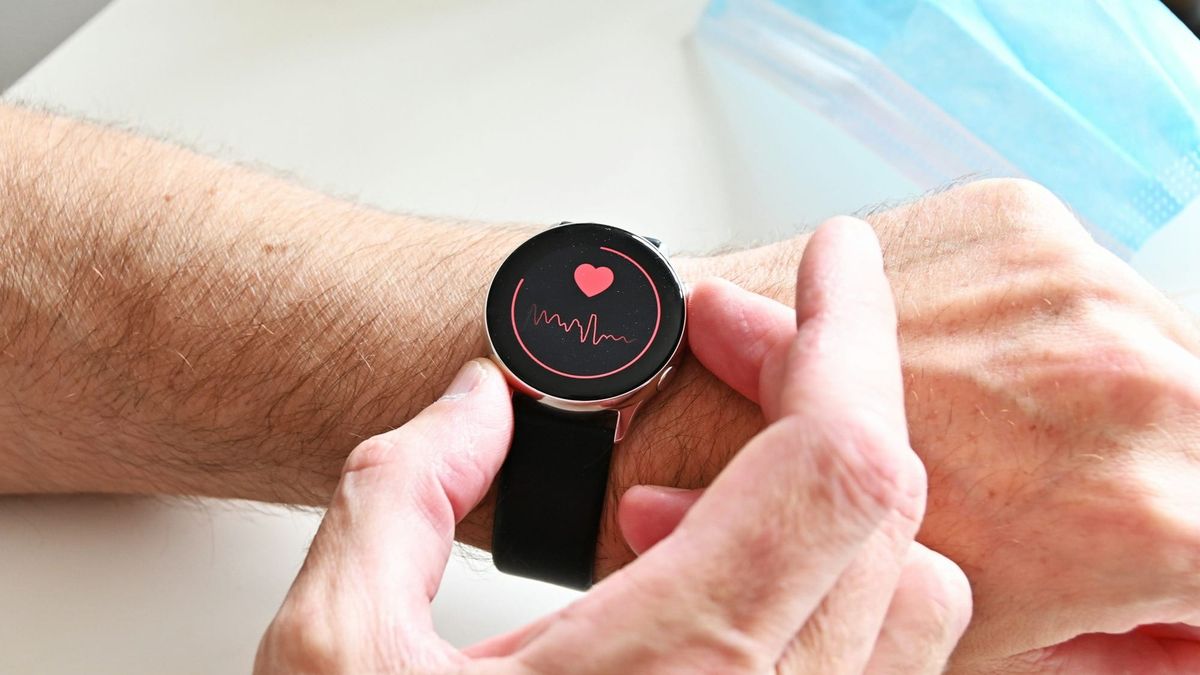
Effects of oats on blood sugar levels
Western breakfast staples like sugary cereals, pastries, and white breads with jams, jellies and marmalades are packed with too much sugar that's not good for your health. However, oats are a "low-glycaemic" carbohydrate, meaning they are digested slowly and do not spike your blood sugar and insulin levels as much. They are a smoother and steadier source of energy.[3]
Not only do they keep your blood sugar levels in check at breakfast, but they also carry over to lunch. This is called the "second-meal effect". This means that eating a large portion of oats for breakfast keeps your blood sugar levels lower after your lunch (even if it's eaten hours later!).
If you are a type 2 diabetic or pre-diabetic with high blood sugar levels, eating oats for breakfast has been shown to lower blood sugar levels throughout the day.
Are oats good for your gut health?
Oats are a rich source of fibre and add "bulk" to your diet. This keeps your digestive system working well and is also good for the healthy bacteria in your gut. These "good" bacteria help strengthen, protect and maintain your gut cells' function. They are also thought to help keep inflammation under control and have cholesterol-lowering effects.[4][5]
Additionally, most people, including people with gluten sensitivity, can tolerate pure (uncontaminated) oats a lot better than some of the other carbohydrates that are regularly eaten for breakfast. This means less bloating, indigestion, and more consistent bowel movements.
Effect of eating oats on body weight and body fat
Oats are "satiating"; they keep you fuller for longer than your standard Western breakfasts do5. People who eat oats tend to have healthier body weights5, although they are not the sole solution to fat loss by themselves.
The special fibre contained in oats ("beta-glucan") that forms a gel-like substance in your gut slows digestion, which stimulates the release of appetite-suppressing hormones5. This means less hunger and fewer cravings, so you'll probably eat less food at lunch and throughout the rest of the day.

Oats and health: the wider picture
Across the West, cardiovascular disease, type 2 diabetes, obesity and gut health are widespread problem that's every increasing. Oats are a rare food that seems to help with all four issues, certainly if you swap them for the standard Western breakfast staples.
Although eating most types of whole grains provides similar nutritional benefits (and thus have similar health benefits), oats do have some unique features that whole grains don't:[5]
- They have a similar protein content to whole grains but with higher unsaturated fat and more micronutrients (e.g., B vitamins, choline, potassium, phosphorus, magnesium, calcium, iron and manganese).
- They are an important source of beta-glucan soluble fibre that underpins a lot of their health benefits. Barley is the only other food that comes close to oats in beta-glucan content.
- They contain several unique healthy phytonutrients and some that aren't found in any other foods (e.g., "avenanthramides")
There is a reason why they are the number 1 recommendation on our list.
Beyond Nutrition: The Other Benefits of Eating Oats
The case for making oats a breakfast essential isn't just down to its health benefits. There are a few other reasons why they should be the preferred choice.
The Environmental Benefits
Oats have a (relatively) low environmental impact compared to most other breakfast staples, certainly compared to animal-product breakfast foods (e.g., sausage, bacon and eggs). They also lower the need for fertiliser, pesticides, and herbicides.[7]
The Food Security Benefits
Oats are tough, hardy, and grow a lot better than many other cereal grains. Resilience matters for food-security: crops that survive bad growing conditions keep prices stable and supply reliable. Their supply chain is robust, stable and centuries old.
The Cost Benefits
Oats are one of the cheapest foods you can buy. They can be bought in bulk and stored for ages in your pantry. A common criticism about healthy eating is the cost. However, eating oats for breakfast will probably lower the cost of your shopping.
The Familiarity Principle
Oats aren't just tolerated; they are (or were) genuinely liked. Western nations have been eating them for centuries. They form the basis of many famous dishes, from Haggis and flapjacks to granola and overnight oats. They are baked into Western food culture.
Versitility
They are flexible and can be eaten sweet or savoury, hot or cold, just plain or with added to other ingredients. Tasty dishes can be made in minutes. They are allergen-friendly, naturally gluten-free, and fit in with different religious, cultural and lifestyles (e.g., vegan, vegetarian, kosher and Halal)
Tried and Tested
Few other foods have been as well researched as oats have. Their consistent health benefits have been studied for decades, across the world, in many different types of studies. And maybe just as importantly, they've kept people (and animals) fed for centuries: floods, famines, wars, and empires.