Why the Mediterranean Diet is the Gold Standard for Health
The Mediterranean diet is nutrient-dense and minimally processed, and its lifestyle is high-quality, which is why it is the healthiest around.

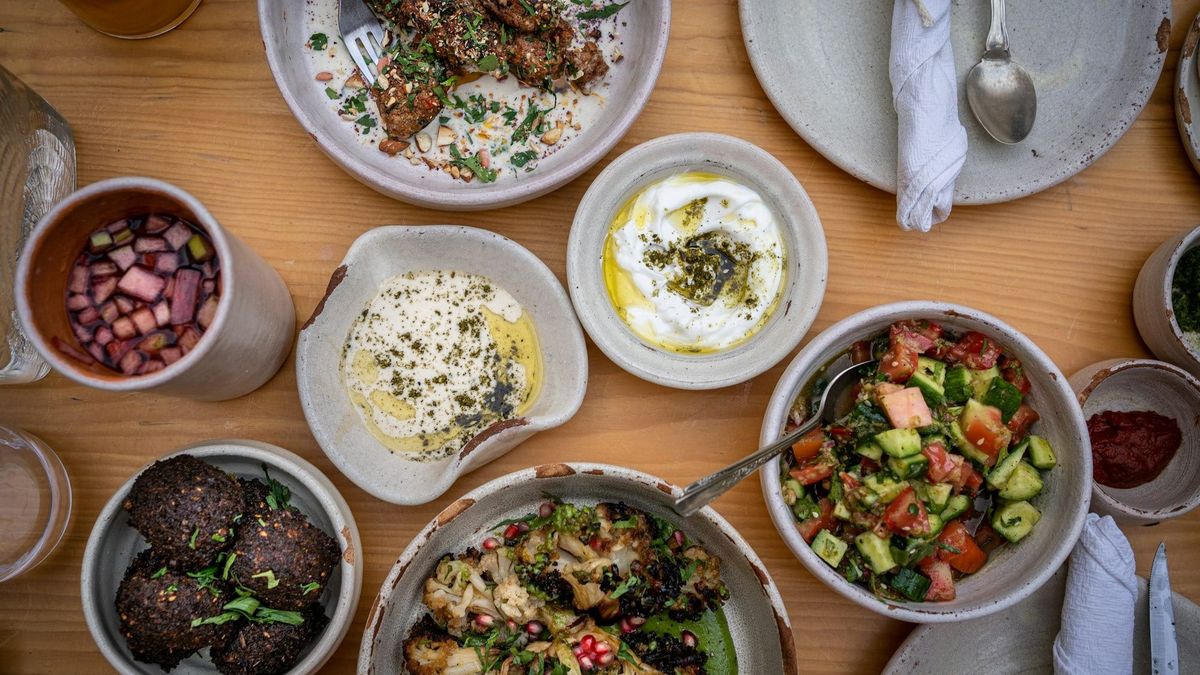
- The Mediterranean diet is "nutrient-dense", providing thousands of healthy nutrients for relatively few calories.
- Quality matters: food, time, lifestyle, rest, movement, dining, and socialising are all high-quality, and all contribute to its health benefits.
- The diet is based on minimally processed plant foods. These not only improve health by themselves, but they also crowd out other (bad) foods.
The Mediterranean diet's transition from a simple traditional eating pattern to a scientific dietary “intervention” is mainly thanks to an American physiologist called Ancel Keys. It was his research in the mid-20th century that was the first to formally report its unparalleled health benefits. It has since transformed the scientific community's view of the role of diet in disease.
Keys’ “Seven Countries Study” from the 1950s was one of the first studies looking at the role that diet and lifestyle had on cardiovascular disease across different people from different places in the world. The study looked at health data from seven countries: the US, northern, southern, and eastern Europe and Japan.[1]
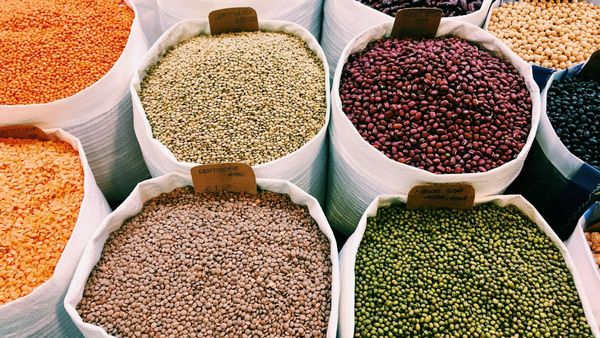
Keys found that people in Southern Europe (specifically Crete and southern Italy), despite being poorer with modest resources, experienced much lower rates of disease and longer life expectancies. He then noticed their unique dietary patterns and made the link: vegetables, fruits, legumes, and olive oil, with moderate fish and minimal amounts of meat, correlated with good cardiovascular health.
This challenged the view that economic development, healthcare, medical innovations and money were the drivers of good health. Keys hypothesised that dietary fats played an important role, specifically the type of fat that's maybe just as important as the amount of fat that's eaten. His research showed that saturated fats from meat and dairy raised cholesterol levels, while monounsaturated fats from olive oil did not.[2]
This finding fundamentally reshaped nutritional science. But Keys didn't merely observe; he lived the Mediterranean lifestyle himself. He and his wife moved to live in Pioppi, a small Italian village, where they adopted the local diet and customs.
His wife even wrote a book, “How to Eat Well and Stay Well the Mediterranean Way”. Keys himself remained remarkably healthy, living to 100 years old — a testament to practising what you preach.
After more research confirmed the benefits of the Mediterranean diet, it has now been "formalised" by health institutions emphasising plant foods, olive oil, moderate fish intake and limited red meat and processed food consumption.
Since then, hundreds of independent studies ranging from large-scale observational studies to high-quality randomised controlled trials, from around the world, have reported positive health effects for the diet, confirming Keys’ original observations.[3][4]
Today, many major health organisations worldwide and numerous national dietary guidelines recommend a Mediterranean-style diet. This is a remarkable transformation: from traditional peasant food to globally recognised evidence-based dietary intervention. This is thanks largely to Keys' pioneering vision and scientific rigour. Here are the four pillars on which it is built.[5]
Who Was Ancel Keys?
Ancel Keys was the first scientist to link the Mediterranean’s low disease rates and longer life expectancies to their diet. Since then, decades of research have supported this, and it now shapes nutritional science and health policy around the world.
On this page:
- High Nutrient Density
- High Food Quality
- Minimally Processed Food
- Healthy Protein Sources
#1. High Nutrient Density
Nutrient density is the amount of essential vitamins, minerals, and other beneficial compounds a food has relative to the amount of calories. This is what distinguishes the Mediterranean diet from typical unhealthy Western diets. The higher the nutrient density of the diet, the healthier it is. Compared to most diets, the Mediterranean diet provides greater amounts of folate, vitamins C and E, magnesium, potassium, and antioxidants per calorie.[6]
Its base of colourful vegetables, fruits, legumes, whole grains, nuts, and extra virgin olive oil creates a nutritional profile that meets or exceeds requirements for virtually all essential nutrients. It does this while naturally limiting empty calories from processed junk foods and added sugars.
Nutrient density becomes more important as we age when calorie intake decreases, and nutrient requirements increase. Older adults face the challenge of meeting nutritional needs with fewer calories, making every food choice even more important.
The Mediterranean diet’s emphasis on nutrient-dense whole foods can help prevent the micronutrient deficiencies common in ageing populations (like vitamin D, B9, B12, calcium, magnesium), without requiring excessive food intake. Older adults who follow the Mediterranean diet tend to have better nutrition compared to people consuming typical Western diets.[7]
What about supplements?
While supplements can be used to fill nutrient deficiencies, whole foods that contain several different nutrients can work together and deliver themselves into the body better than any individual supplement can. This is known as the “food matrix effect” — different nutrients working together as nature packaged them.
For example, lycopene from tomatoes is better absorbed when consumed with olive oil. Vitamin C from vegetables enhances iron absorption from legumes. The polyphenols in extra virgin olive oil work alongside vitamin E in nuts to provide antioxidant protection for your cells.
The benefits of the Mediterranean diet extend beyond the basic vitamins and minerals. Like most plant-based diets, the Mediterranean diet is rich in “phytonutrients”:
- Flavonoids from berries
- Carotenoids from orange and red vegetables
- Polyphenols from olive oil and herbs
- Glucosinolates from cruciferous vegetables.
These compounds have been shown to protect against disease and premature ageing. There are hundreds of different "phytonutrients" found in Mediterranean foods, which create a hugely complex “defence system” for your body — something supplements can’t replicate.
If you want to maximise nutrient density by following the Mediterranean diet, choose minimally processed whole foods first. Most of your plate should be filled with colourful non-starchy vegetables; different colours mean different phytonutrients.
Choose whole grains over refined grains. Use antioxidant-rich extra virgin olive oil for cooking and finishing dishes. Prioritise lean, nutrient-dense proteins like fish, legumes, and nuts over processed meats. Herbs and spices can provide some additional nutrients along with flavour.