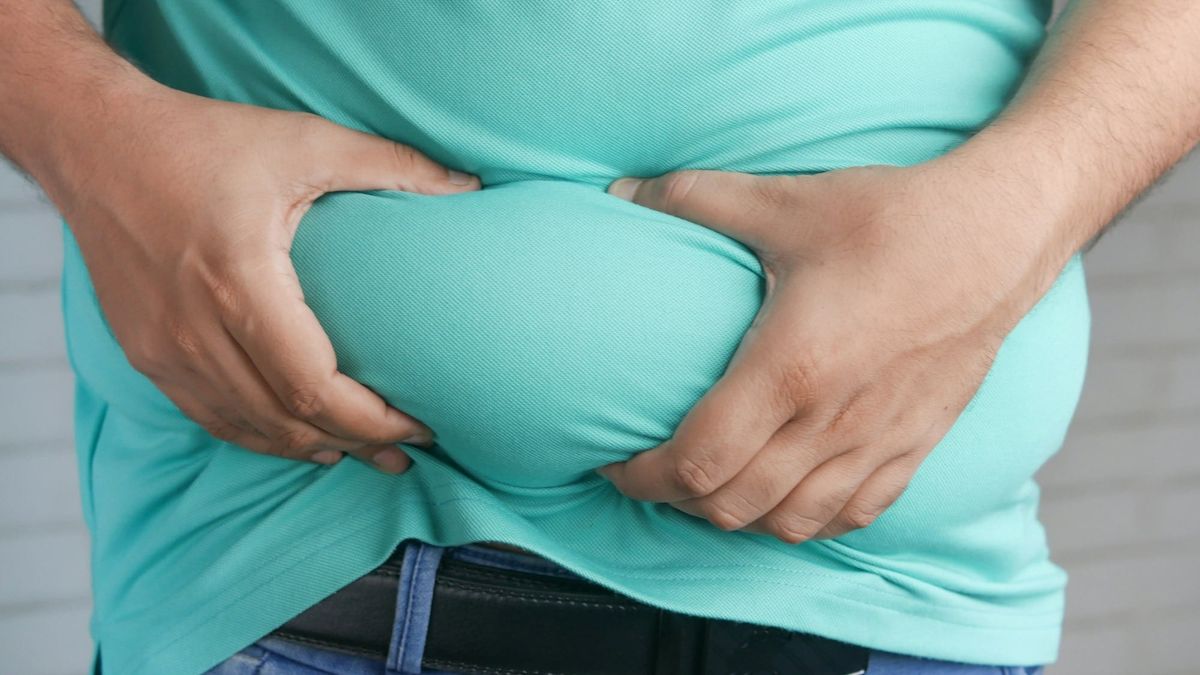
Do These Genes Make Me Look Fat? The Genetics of Obesity
Genes influence how much body fat you have and how easily you lose (or gain) it. However, they don't make you obese or stop you from losing fat.


- Your genes influence appetite, metabolism, fat storage and exercise capacity, but they can also interact with lifestyle and environment.
- Having “fat genes” does increase your susceptibility to obesity, but it doesn't guarantee it or prevent you from losing fat.
- Your environment and lifestyle can influence how fat genes affect your body fat levels. You should work with your genetic strengths.
Your genetics are a strong determinant of your body weight, but they do not determine all of it. Understanding the role your genes have in how easily you can lose (or gain) fat will give you a bit of insight into why people respond differently to the same programme. It will also prevent that fatalistic thinking that you're just a product of your genes.
That said, it is true that there is a genetic component to obesity. Your genes have been shown to determine around 40-50% of your body weight. The genetic component is lower in people who are of normal weight (i.e., genes determine around 30% of body weight) compared to those who are obese (i.e., genes determine around 70% of body weight).[1]
But there is no single “fat gene”.
Your body weight (and body fat levels) are influenced by hundreds of different genes. These genes combine and exert a significant influence on how you regulate your weight and fat tissue. Your genes also interact with your environment, meaning certain genes only exert their effects under certain circumstances (e.g., high or low calorie intake, sedentary or active lifestyles, high or low stress states, etc.).[2][3]
Your lifestyle decisions can also influence whether your genes are active or not. This tells us that your genes are influential, but they don’t determine whether you lose, gain or maintain body fat. Having “fat genes” does increase your susceptibility to gaining fat and makes fat loss more difficult. However, having these genes doesn't guarantee that you will be fat or that you can’t lose fat at all.
You are more than your genes.
How Genes Affect Your Appetite
Several genes are thought to affect your appetite, satiety levels and food-reward responses. For example:[4]
- A variant of the “FTO" gene (found in most people) is associated with increased appetite and preferences for calorie-dense foods.
- A variant of the "MC4R" gene can lead to very strong, incessant hunger. This is thought to be one of the most powerful “fat genes” around.
- Variants in the “POMC" gene are associated with more hunger and more frequent eating behaviour.
Variations in the genes that regulate “satiety hormones” can trick your brain into thinking you need to eat more energy than you actually need. Whereas“hunger gene” variants encourage you to snack more and eat more frequently.
How Genes Affect Energy Expenditure
The amount of energy you “burn” while you rest, work, sleep, or exercise can vary by hundreds of calories a day.
Forty to 80% of the amount of energy you burn (just to keep you going) is influenced by your genes. How efficiently your cells use energy, the number of mitochondria you have, the size of your organs and how active they are are all influenced by your genes.[1]
Thyroid hormone is the key regulator of your "metabolic rate". So, differences in some of the genes that regulate it can either increase or decrease thyroid function and thus your metabolic rate.
Variations in the "UCP1" gene can alter the amount of heat you produce, which means people who “run hotter” will burn more calories. Some genes are also associated with restlessness, fidgeting and the ability to maintain posture, and thus people who have them will generally burn more calories than people who don't.[3]
How Genes Affect Fat Storage
Besides influencing how much fat tissue you have, your genes also influence where you store fat and where you lose it from when you burn it (e.g., the STLM gene).
This is important as where the fat is stored can impact both your health risk and what you look like. Your genes can also influence whether you store fat around your abdomen (higher health risk) or your hips and thighs (lower health risk) (e.g., TBX15 and HOXC13 genes). The most obvious difference lies in how men and women store fat, due to sex-specific genes (e.g., the VEGFA gene).[5]
Your genes also influence whether fat is stored around your organs, known as “visceral” fat (e.g., PPARG gene). Even a normal-weight person can be genetically predisposed to storing large amounts of visceral fat. This can also explain why people lose fat from different places, at different rates. Think about those stubborn muffin tops that never seem to go away no matter how much fat you lose.[2]
Lastly, your genes can also influence the number of fat cells you have and how much energy they can store — so they go on to affect your “storage” capacity of fat. Those with greater storage capacity may put on fat more easily and find it more difficult to lose it.
 Dr. Robert Davies